|
Getting your Trinity Audio player ready...
|
By Victoria Musimbi
Nairobi, Kenya: Across Africa, families who discover their child has sex characteristics differing from typical male or female traits are too often met with stigma instead of support. Now, a growing movement is demanding change—calling for dignity, respect for bodily autonomy, access to healthcare and justice, and the recognition that children, too, have the right to participate in decisions about their own bodies.
For Richard Muasya, 52, that journey has been shaped by childhood isolation, years in prison, and a long fight for justice.
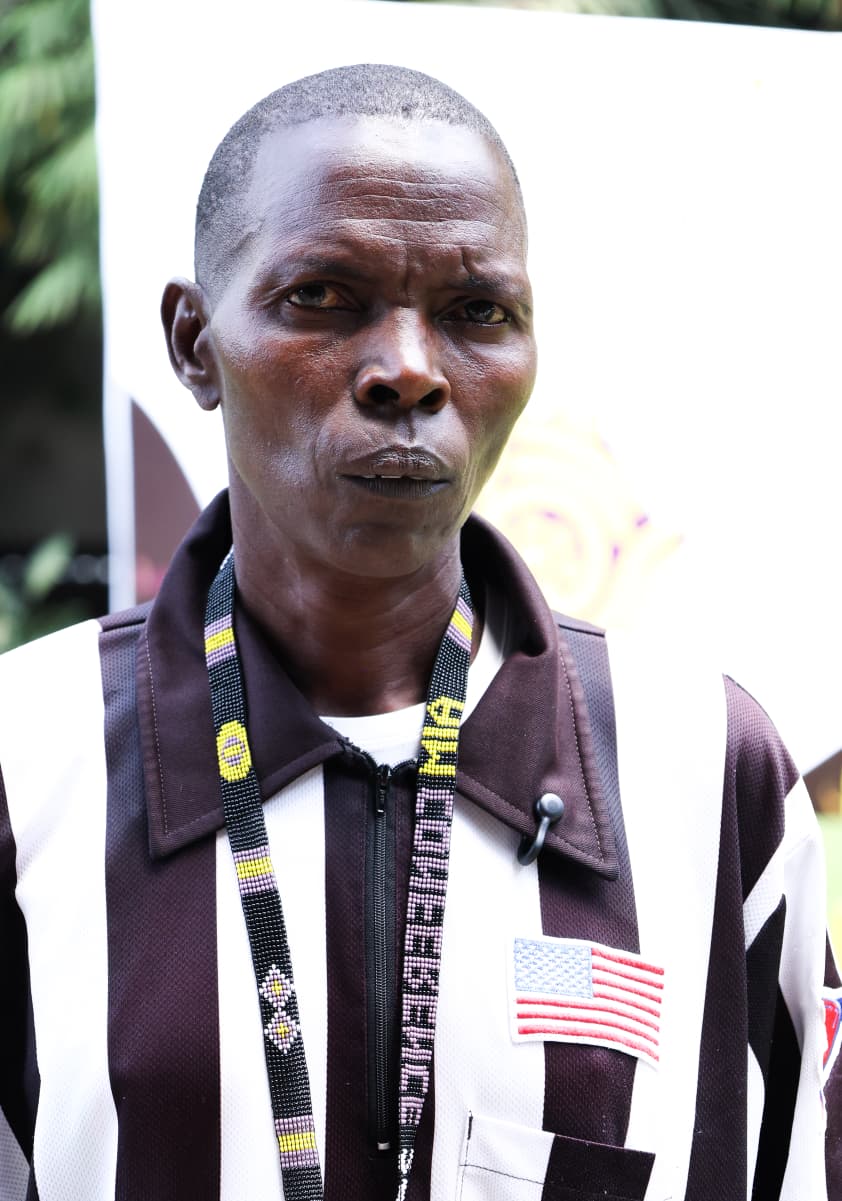
Muasya says they knew from childhood that they were different, although they did not understand why. Raised by their grandmother, they were kept away from public attention because of their physical differences.
At the time, people sometimes associated such differences with witchcraft or curses, while stigma prevented him from going to school.
“I didn’t really know I was intersex until later. I just knew I was different. I didn’t even know the word intersex. It was only later, through everything I was going through, that I began to understand myself,” they say.
In 1995, Muasya was wrongly accused of committing a crime and arrested. They spent one and a half years in police remand before being taken to Kitui Prison and later transferred to Kamiti as they pursued his case.
“For one and a half years, I stayed in police remand. I was going in and out of court, and they couldn’t take me to prison because they were deciding what to do because of the way I was and who I was. Later, I was taken to Kitui, then Kamiti, and someone advised me to appeal, so I appealed.”
Muasya estimates that they spent eight years in prison. One of the most difficult experiences came during admission, when prisoners were required to undress.
“For me, that was a problem because I was different. I was afraid of what people would think about me, but eventually I had to do it. That is when they realised I was different, and from there my experience with stigma began,” they say.
They say some prisoners would come simply to look at them. For their safety, they were housed separately from ordinary prisoners.
After years in court, Muasya won an appeal. The judge ordered compensation of KSh500,000, but they say they have never received the money.
“After spending eight years in prison, the time and opportunities I lost cannot simply be brought back,” he says.
Despite the experience, Muasya believes speaking publicly helped others realise they were not alone.
“In Kenya, I was the first intersex person to come out publicly. Through my case and what I went through, more people were able to come out. I thought I was alone, but now I have friends and people to talk to,” they say.
They say they are grateful for milestones since then, including recently getting married.
A Father’s Decision to Wait
For Peter Kahana, a retired teacher from Kabale in southwestern Uganda, learning that his child had atypical sex characteristics in 1996 changed his understanding of sex and identity.
“We used to read about intersex persons in books. Little did we know we were going to have an intersex child,” Kahana recalls.
The child was born at a regional referral hospital and recorded as male. As the child grew, physical changes became apparent, bringing confusion in a community where such children could be associated with curses or considered an abomination.
Kahana says his family chose acceptance.
“We realised this was God’s plan to have this child in our family,” he says.
The family was later advised at a medical facility in Kampala to send blood samples to South Africa, at their own cost, to determine whether the child was more male or female and to guide possible medical intervention.
Unable to afford the process, Kahana decided against making a permanent decision on behalf of his child.
As the child developed breasts and began menstruating despite being raised as a boy, questions about identity became more pressing. At about 12, the child resisted pressure to undergo surgery or be raised as female.
“He said, ‘No, I’m a boy,’ in terms of how he had grown up,” Kahana recalls.
The experience strengthened Kahana’s belief that children should have time to understand themselves and participate in decisions about their bodies.
“I think these surgeries should not be emphasised. Let the child take the initiative to decide,” he says.
School brought further challenges. The child faced questions and name-calling after realising they were different from other boys in communal washrooms.
A turning point came when the family connected with the Support Initiative for Persons Living with Congenital Disorders in Uganda. Counselling, workshops, and community support helped father and child gain knowledge and confidence.
Now approaching 30, Kahana says his child has become more accepting of themself. They want greater attention to education, skills, and livelihoods for people facing similar challenges.
“They must support themselves. They must have income generation and support themselves. This is very critical,” he says.
He believes community education can also challenge harmful beliefs.
“If the community is sensitised to knowing what intersex is all about, this stigma would fly away,” he says.
From Court Cases to Public Recognition
For Jedida Waruhiu, Director and Chief Executive Officer of the Witness Protection Agency, Kenya’s journey towards greater recognition has involved legal cases and institutional reforms spanning more than two decades.
Her first encounter came about 26 years ago while she was Director of the Legal Resources Foundation, which provided paralegal services in prisons.
One case involved an inmate at Kamiti Maximum Prison and raised questions about where the person should stay and how they should be treated.
“There was a lot of insensitivity around it, in terms of how he looked, and so we had to manage that as human rights defenders,” Waruhiu recalls.
The matter went to court in what became known as the RM case. Although it did not resolve every question around recognition, privacy, and dignity, it established the importance of respectful searches.
The principle later informed provisions in the Persons Deprived of Liberty Act and police standing orders requiring greater sensitivity when searching intersex people.
Another landmark case involved a baby whose sex could not be determined at birth. The mother left the hospital with a birth notification containing question marks. The matter reached court, prompting the State to recognise intersex people and the challenges they faced.
This contributed to the establishment of the Task Force on Intersex Persons under the Office of the Attorney General. Waruhiu served on the task force, which examined discrimination, healthcare, bodily autonomy, and unnecessary medical interventions.
Its report was presented to the Attorney General in 2018 and led to an implementation committee, with the National Commission on Human Rights providing leadership and secretariat support. Waruhiu became its first chairperson.
A major priority was ensuring intersex people were counted in the 2019 national census.
“We realised that if we don’t get counted as intersex persons, then we don’t count,” she says.
Following engagement with the Kenya National Bureau of Statistics, the census form included male, female, and intersex options. A total of 1,524 people were identified as intersex.
“I call them heroes and champions and the voice of intersex persons,” Waruhiu says.
Kenya has since introduced further measures, including recognition in the Children Act, police guidelines, and systems for birth registration and immigration. However, gaps remain in public systems and legislation governing reproductive health, adoption, and inheritance.
“I’m yet to see a child who has been marked ‘I’,” she says, pointing to continuing implementation challenges.
“The law is still behind. We still have a problem in terms of our legislation being adaptive, affirmative, and protective of intersex persons,” she says.
Waruhiu sees the proposed Intersex Persons Bill, drafted in 2025, as an opportunity to address some of these gaps.
Taking the Fight Beyond Borders
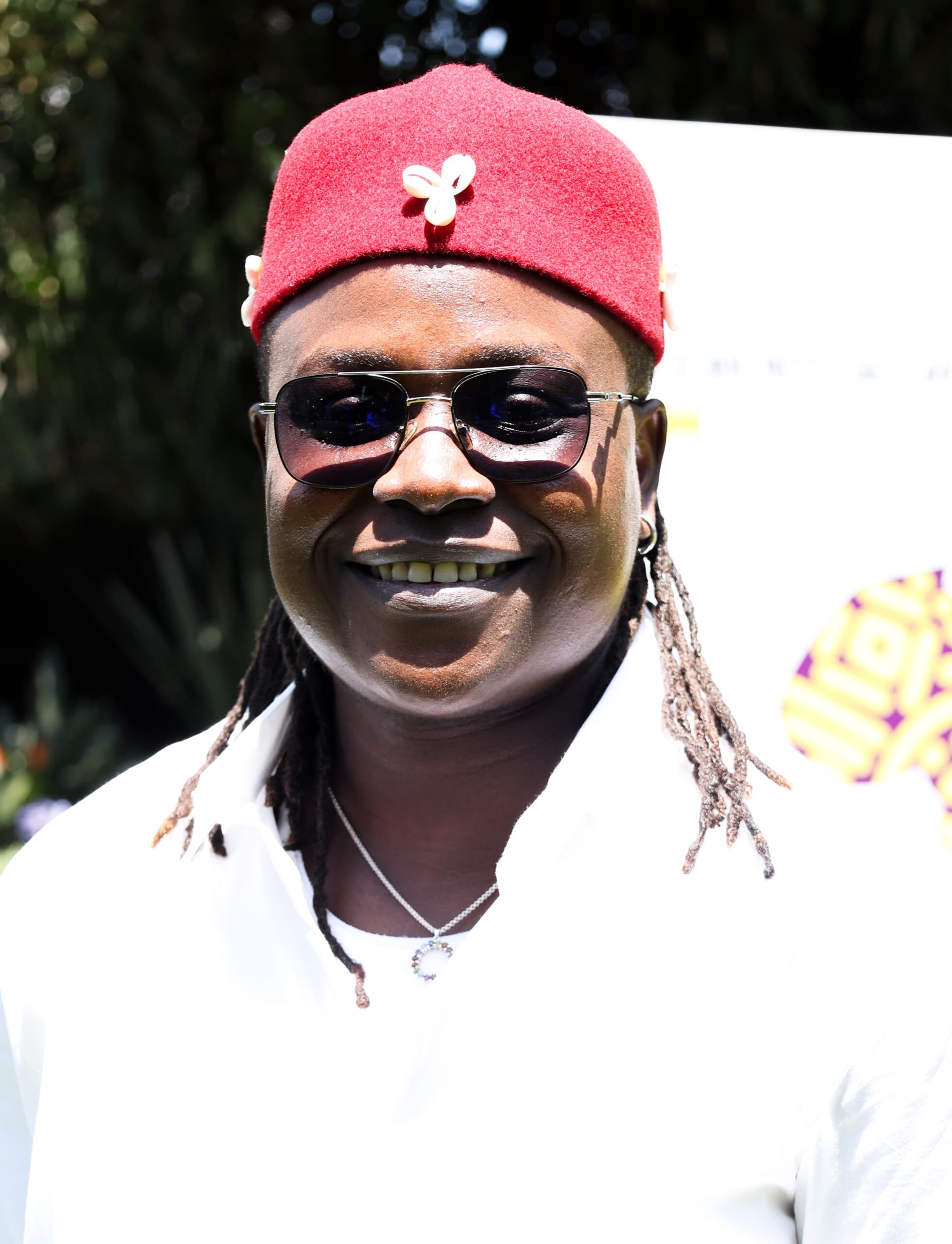
For Obioma Chukwuike, a Nigerian and board chair of the African Intersex Movement, the first African Intersex Conference in Nairobi created a space for communities to engage governments, healthcare professionals, researchers, and other stakeholders.
The movement brings together about 34 intersex-led and intersex-focused organisations across the continent.
“This is the first time that we are opening up the space for all other stakeholders to understand what these issues that we are talking about are,” Chukwuike says.
Participants highlighted concerns including abandonment, violence, discrimination, and medically unnecessary interventions involving children.
The conference adopted the Nairobi Declaration 2026, calling for legal recognition and protection, an end to infanticide and abandonment, protection from unnecessary medical interventions, and access to inclusive healthcare and education.
It also calls for economic inclusion, representation in decision-making, and an African framework on rights.
Chukwuike said the declaration would be shared with institutions including the African Union to amplify the concerns of communities across the continent.
“Our bodies are not problems to be solved. Our lives are not medical experiments,” the declaration states.
For Chukwuike, the gathering’s value will ultimately depend on what happens after participants return home.
“The true success of this conference will never be measured by the quality of our presentations. It will be measured by what happens after the conference.”
Turning Commitments into Protection
For Kenya National Commission on Human Rights Chairperson Claris Ogangah, the priority is ensuring recognition of intersex people’s rights translates into practical protection, equality, and accountability.
She said the African intersex movement had challenged stigma, documented violations, and advocated for legal and policy reforms while ensuring people with lived experience participated in decisions affecting them.
“This is not simply a question of recognition. It is a question of equality, bodily integrity, autonomy, privacy, health, access to justice, and the right to live with dignity,” Ogangah said.
She called for an end to discrimination and exclusion, protection from unnecessary and non-consensual medical interventions—particularly involving children—and access to respectful healthcare and effective remedies for rights violations.
National human rights institutions, she said, have a responsibility to monitor violations, investigate complaints, advise on laws and policies, educate the public, and facilitate access to justice.
“We must use our mandates to promote, monitor, investigate, advise, educate, and facilitate access to remedy,” she said.
Ogangah urged institutions to integrate intersex rights into broader human rights work and strengthen research and documentation while protecting privacy and confidentiality.
She also called for greater participation by intersex-led organisations in advocacy, policy development, and institutional reform.
Progress, she stressed, requires cooperation among governments, civil society, medical professionals, lawyers, researchers, and development partners, with intersex communities taking a central role.
“As we leave this meeting, let us not allow our commitments to remain in meeting rooms, reports, and declarations. Let us translate them into laws, policies, budgets, institutional practices, and measurable action,” she said.
She urged stakeholders to build an Africa where differences in sex characteristics are understood and respected, children are protected, bodily autonomy is upheld, and every intersex person can participate fully and equally in society.
Ogangah said the movement must continue working towards three priorities: “from visibility to equality; from commitments to implementation; and from advocacy to lasting change.”