|
Getting your Trinity Audio player ready...
|
By Shaban Makokha
Kakamega– From primary school pupils to university students, young Kenyans used poetry of ideas, argument and reflection to confront conflict, social-media division and the search for lasting peace in the 2026 Amani Clubs National Essay Competition.
In classrooms across Kenya, young people are being taught more than mathematics, science and languages. They are being challenged to answer a harder question: How can a generation divided by politics, social media, ethnicity and competing opinions learn to listen to one another and choose dialogue over conflict?
That question took centre stage in the 2026 Kenya National Amani Clubs Association Essay Competition, where learners from primary schools, junior and senior secondary schools, teachers’ colleges and universities turned their pens into instruments of peace. Held under the auspices of the National Cohesion and Integration Commission (NCIC), the annual competition seeks to give young people a platform to examine challenges facing society and propose practical ways of building peaceful communities.
This year’s theme — “Dialogue Over Division – Youth Voices for a United Country” — placed young Kenyans at the heart of a national conversation about peace, tolerance and coexistence. Rather than simply asking learners to define peace, the competition challenged them to think about how it can be built in their schools, neighbourhoods and communities.
The essays explored questions ranging from why people should listen to those they disagree with, to the role of dialogue in resolving conflicts among young people and whether social media is bringing the youth together or driving them further apart. At the tertiary level, participants tackled an even broader question: How effective is dialogue as a peacebuilding tool in divided societies? The responses provided a glimpse into how Kenya’s young generation understands some of the country’s most difficult social challenges.
The competition attracted participation from 23 counties, with entries passing through a multi-level evaluation process before the best were submitted for national assessment. Schools were required to select their strongest essays in English and Kiswahili at the school level. The entries then moved through sub-county and county assessments before the best reached the national level.
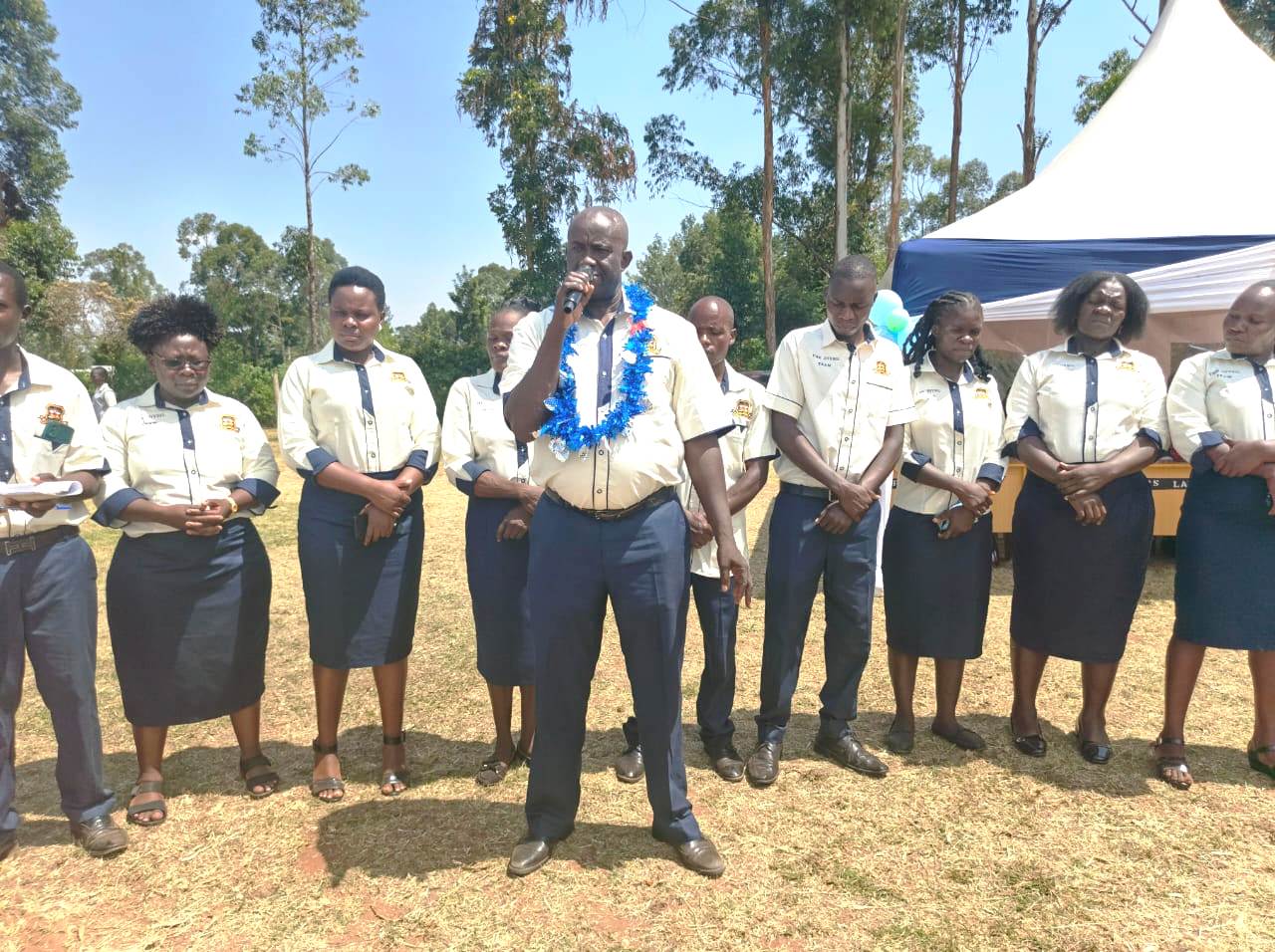
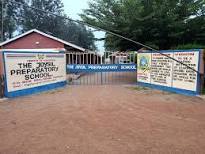
In the primary English category, Prince Shadrack of Joysil Preparatory School in Matungu, Kakamega County, emerged the overall winner with an impressive 18 out of 20 marks. His schoolmate Cyril Makokha tied with Ricardo Echesa for second place after scoring 15 marks. The strong performance by Joysil Preparatory School was also reflected in the other top positions, with Cheryl Freya and Aimee Ronde scoring 14 marks each. The school’s success came under the guidance of Amani Club patron Elizabeth Mukonzo.
In the primary Kiswahili category, Kyalo Tashley of Moi Complex Academy in Nyeri topped the national field with 17 marks out of 20. He was followed by Magdaline Nashipae of Enkirgirr Primary School, Isinya, Kajiado, and Wangari Winvet Njeri, who tied with 16 marks.
At Junior Secondary School level, Gichuki Angela Wairimu of Moi Complex Academy emerged the leading English essay writer with 18 marks. Three learners — Kariuki Njeri Lincoln Mocho, Mwaura Precious Wairimu, both of Moi Complex Academy, and Tracy Joy China of Joysil Preparatory School — shared second place with 17 marks each.
The competition became even more pointed at Senior Secondary School level, where learners were asked to examine the influence of social media on young people. In the English category, Titus Kilei of Kwanthanze Senior School in Machakos led the field with 17 marks. Rephine Ngoki Mwendwa of Kinyui Girls Senior School, Hildah Sirintai of Enoomatasiani Girls Senior School and Rhodah Shikuku of Olkeri Mixed Senior School tied in second place with 16 marks each. In Kiswahili, Ainea David of Maseno School emerged the overall winner with 18 marks. Iha Leah Sidi of Matuu Memorial, Virginia Mutua of ACK St Mary’s Ukia Girls in Makueni, and Mwangi Edwin Njuguna of Karega Mixed Secondary School in Murang’a tied in second place with 17 marks each.
The competition did not end at secondary school. At the tertiary level, learners were challenged to examine the effectiveness of dialogue in building peace in societies experiencing divisions. Scarlet Kisia of St Augustine Teachers Training College in Kakamega South emerged as the top English essay writer with 15 marks. Mwangi Michael Murimi and Vanesa Wambui of Kamwenja Teachers College, together with Samuel Musee of Migori Teachers College, shared second place with 12 marks each.
The organisers said the competition was deliberately designed to move beyond academic writing and encourage young people to think about practical peacebuilding initiatives they could implement in their own communities. Amani Clubs national chairman Kennedy Kunani said 23 counties participated in this year’s competition, thanking counties that organised their own marking and submitted the strongest entries for national assessment.
“I sincerely thank the counties that organised the essay marking at their county levels before submitting their respective winners to the national level,” said Mr Kunani. He also praised counties that identified and submitted the strongest entries from schools within their jurisdictions, saying the process had helped produce strong national entries. However, Kunani expressed disappointment that 24 counties did not submit essays, including entries from some schools of their own coordinators. The gap, he said, represented a missed opportunity to give more young people a platform to participate in the national peace conversation.
For the organisers, the significance of the competition goes beyond the marks recorded by the winners. The essays represent young people’s understanding of a country where disagreement can quickly become hostility and where political, ethnic, social and online divisions can strain relationships. By asking learners to write about listening, dialogue, conflict resolution and responsible use of social media, the Amani Clubs programme is placing peacebuilding within the everyday experiences of young people. The message is particularly significant as Kenya moves towards another politically charged period. Through their essays, Kenya’s young voices are making their case for dialogue — one word at a time.
The awarding ceremony will be held on October 9, 2026, in Nairobi.