|
Getting your Trinity Audio player ready...
|
By Melisa Mong’ina
Nairobi, Kenya: What began as support for a Form One student struggling to stay in school has followed Patrick Salankat all the way to his second year at the University of Nairobi, as the Sara Cup enters its sixth edition.
Salankat encountered the Tenda Wema scholarship programme while attending secondary school in Narok. He is now pursuing a Bachelor’s degree in Business Management at the university, with the programme continuing to support him through his education.
“I’m happy because of their financial support, guidance, motivation and practical assistance,” he said.
The support has helped him remain in school despite the financial challenges he has faced.
Before joining the programme, Salankat’s family relied on livestock sales to raise money for his school fees, a process that could leave him out of class for extended periods.
“We used to sell livestock so that we could get money for school fees,” he recalled. “But it wasn’t that easy because it could take time to sell even one animal, and this made me stay out of school for long and lose a lot.”
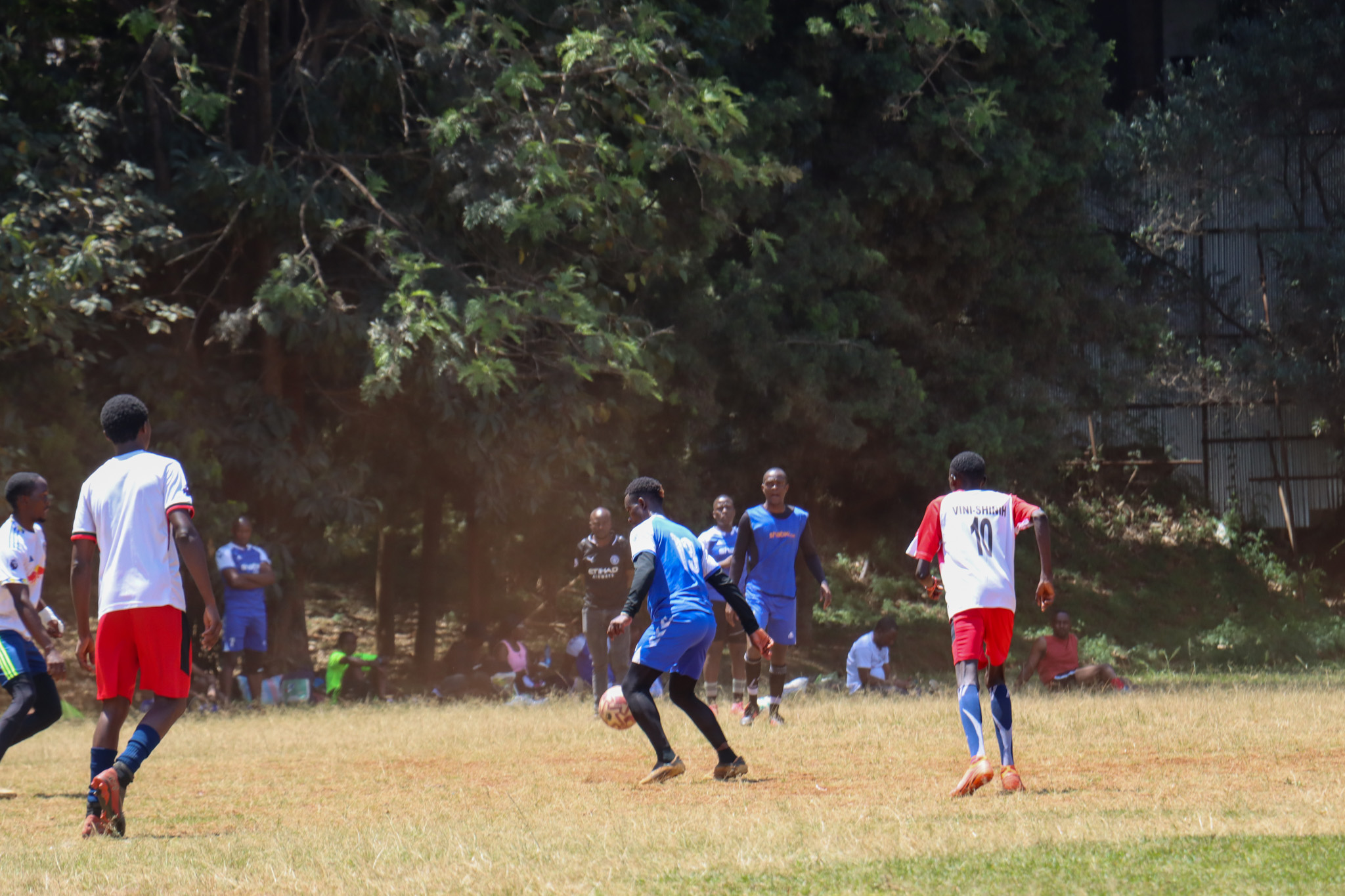
The Sara Cup, now in its sixth edition, is the annual fundraiser for Tenda Wema’s scholarship programme. The tournament brings together corporates, NGOs, schools and well-wishers for a day of sport and fun while raising money to support learners facing financial barriers to education.
Salankat’s experience illustrates the kind of challenge the Tenda Wema scholarship programme was established to address by helping children who need an education but whose circumstances may prevent them from staying in school.
According to Dr. Sara Ruto, the initiative was created to support children who may not qualify for conventional scholarship programmes because of their academic performance, despite being in need of financial support.
“We asked ourselves, if you are needy but you are not bright because of the marks that society has put on you, does it mean you’re excluded from your right to education?” she said.
The programme also seeks to address other costs that can keep children away from school, including uniforms and requirements imposed by learning institutions.
“It is this need that made us feel we had to come in so that we could equalize the playing field in Kenya,” she added.
Dr. Ruto stated that Tenda Wema currently supports about 138 children, many of whom joined the programme when they were entering secondary school and have since progressed to tertiary institutions.
Some beneficiaries have completed their studies at technical institutions and universities, while others are still in school.
“For us, completing secondary school is important but not enough because Kenya now needs professionals and so we feel that once you have a skill then we can allow you to find yourself in life,” she said.
The programme currently focuses on providing financial support to beneficiaries and monitoring their progress. Dr. Ruto said the organisation hopes to expand its support in future to include life skills and other competencies that can help beneficiaries navigate life after school.