|
Getting your Trinity Audio player ready...
|
By Vincent Ondieki,
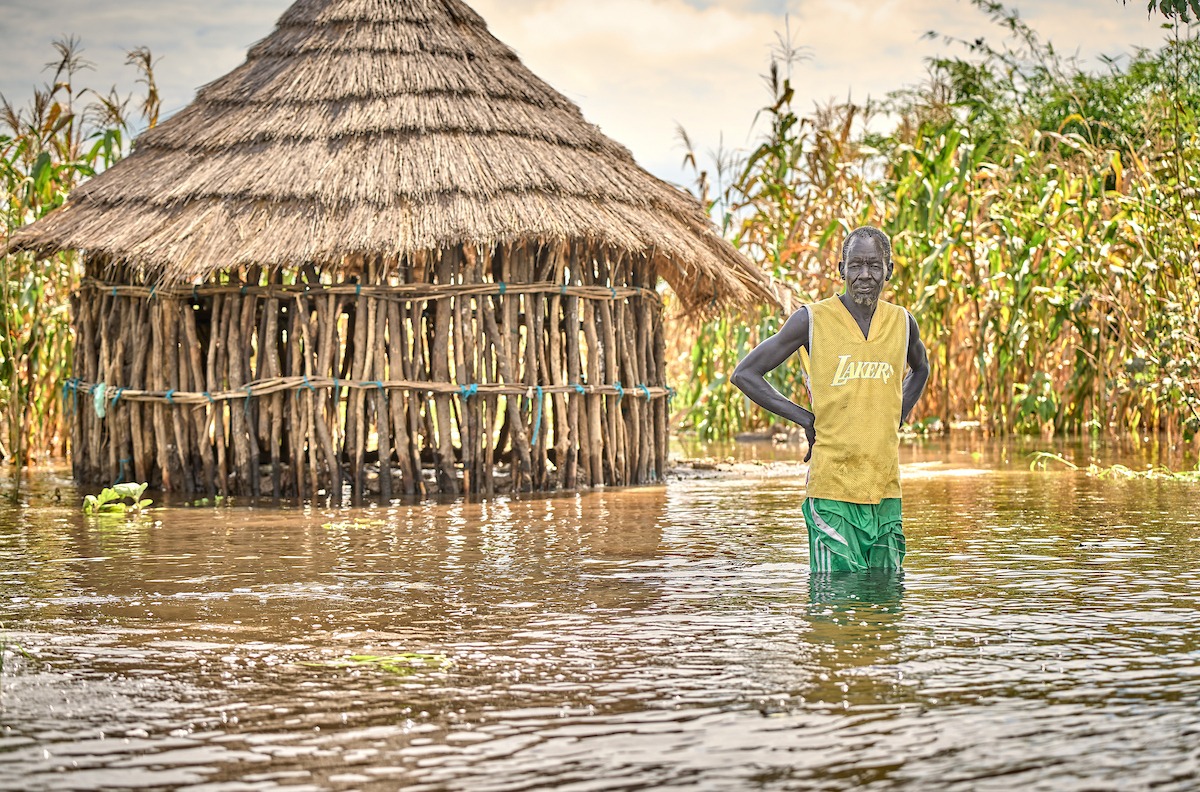
Nairobi, Kenya: The story of climate change across Africa has long been framed through the lens of catastrophe with parched soils replacing former harvest fields, displaced households escaping rising floodwaters, and local populations bearing the brunt of an environmental crisis they played virtually no role in causing.
While these harsh realities persist, they do not capture the entire narrative. A parallel movement defined by local initiative, adaptability, and fortitude is gaining ground across the continent.
Local efforts are actively transforming communities: Sahelian initiatives are recovering depleted lands, agricultural workers are deploying time-tested indigenous insights alongside adaptive farming techniques to safeguard food production, and youth-led projects are expanding access to renewable energy.
Simultaneously, women remain central to bolstering family and community stability, while faith leaders rally efforts to preserve vital forests, water supplies, and sustainable livelihoods.
Africa is not waiting for climate action. Africa is already acting. What remains missing is the scale of investment and implementation needed to take these solutions further.
The Growing Gap Between Promises And Action
According to the 2026 UNEP Limiting Overshoot Report, global temperature rise will exceed the 1.5°C warming threshold, likely in the next couple of years. Yet this is not a reason for surrender.
UNEP makes it clear that decisive action can limit the severity and duration of warming overshoot, while reducing risks and strengthening societies’ capacity to adapt. The message for Africa is therefore both urgent and hopeful: the future is not predetermined, but the choices made today will determine how severe the consequences become and who bears the greatest burden.
Africa has heard the promises which include commitments to adaptation finance, renewable energy, climate resilience and support for vulnerable communities. Yet for millions of Africans, these promises remain distant from everyday realities.
A farmer facing repeated drought cannot plant a pledge. A family whose home has been destroyed by flooding cannot rebuild with a conference declaration. A community cannot restore its water sources or install clean energy with money that never reaches the ground.
The gap between climate commitments and community realities is at the heart of the climate justice challenge. The question is whether commitments made in international summits and negotiation rooms will translate into meaningful protection, resources and opportunities for the people facing its consequences.
Climate Finance Must Reach The People Who Need It Most
Climate finance is central to closing this gap. For too long, discussions have focused on billions announced, targets revised and new funds established. But at the community level, the questions remain simple: Where is the money? Who can access it? Who decides where it goes? And how much actually reaches the communities facing the greatest climate risks?
The challenge is not simply the amount of finance available. It is also whether that finance is accessible, predictable and responsive to local realities.
Some of the organisations best positioned to deliver climate action are not necessarily the largest or most visible institutions. Across Africa, local civil society and faith-based organisations are deeply embedded within communities. They support disaster response, agricultural resilience, ecosystem restoration, water security and access to renewable energy.
Yet these organisations often face significant barriers to accessing climate finance. Complex application processes, demanding reporting requirements and high minimum funding thresholds can put resources beyond the reach of organisations working closest to the people most affected.
As a result, funding can flow towards institutions with the greatest administrative capacity rather than those with the strongest community relationships and understanding of local needs.
Climate finance must be designed to reach both. Local organisations need greater opportunities to access resources directly or through funding mechanisms that recognise their realities and capacities.
This is not about lowering accountability standards. It is about ensuring that accountability goes beyond financial procedures to examine whether resources actually reach communities and improve people’s lives.
Measuring Climate Action By Results, Not Promises
The success of climate finance should ultimately be measured by the difference it makes.
Are farmers better able to withstand drought? Do communities have access to reliable clean energy? Are water systems being strengthened and ecosystems restored? Are women and young people gaining meaningful opportunities? Do communities have a genuine voice in decisions affecting their future?
These are the questions that should increasingly define the success of climate commitments.
Africa also needs to move beyond a narrative that presents the continent primarily as a victim of climate change. It possesses extraordinary renewable energy potential, vast ecosystems, a young and increasingly innovative population, and generations of knowledge about living sustainably with the environment.
Across the continent, communities are already demonstrating what climate resilience looks like. What they need is greater access to predictable finance, investment and partnerships that enable their solutions to grow.
Africa does not need another decade of promises. It needs investment in solutions already emerging from its communities, partnerships built on solidarity rather than charity, and accountability when commitments are made but not delivered.
One Million Voices For Climate Action
As Africa prepares to engage in COP31 in November 2026, it is also looking ahead to COP32, which will be hosted in Addis Ababa in 2027. The conference presents a significant opportunity to bring African priorities, experiences and solutions to the forefront of global climate discussions.
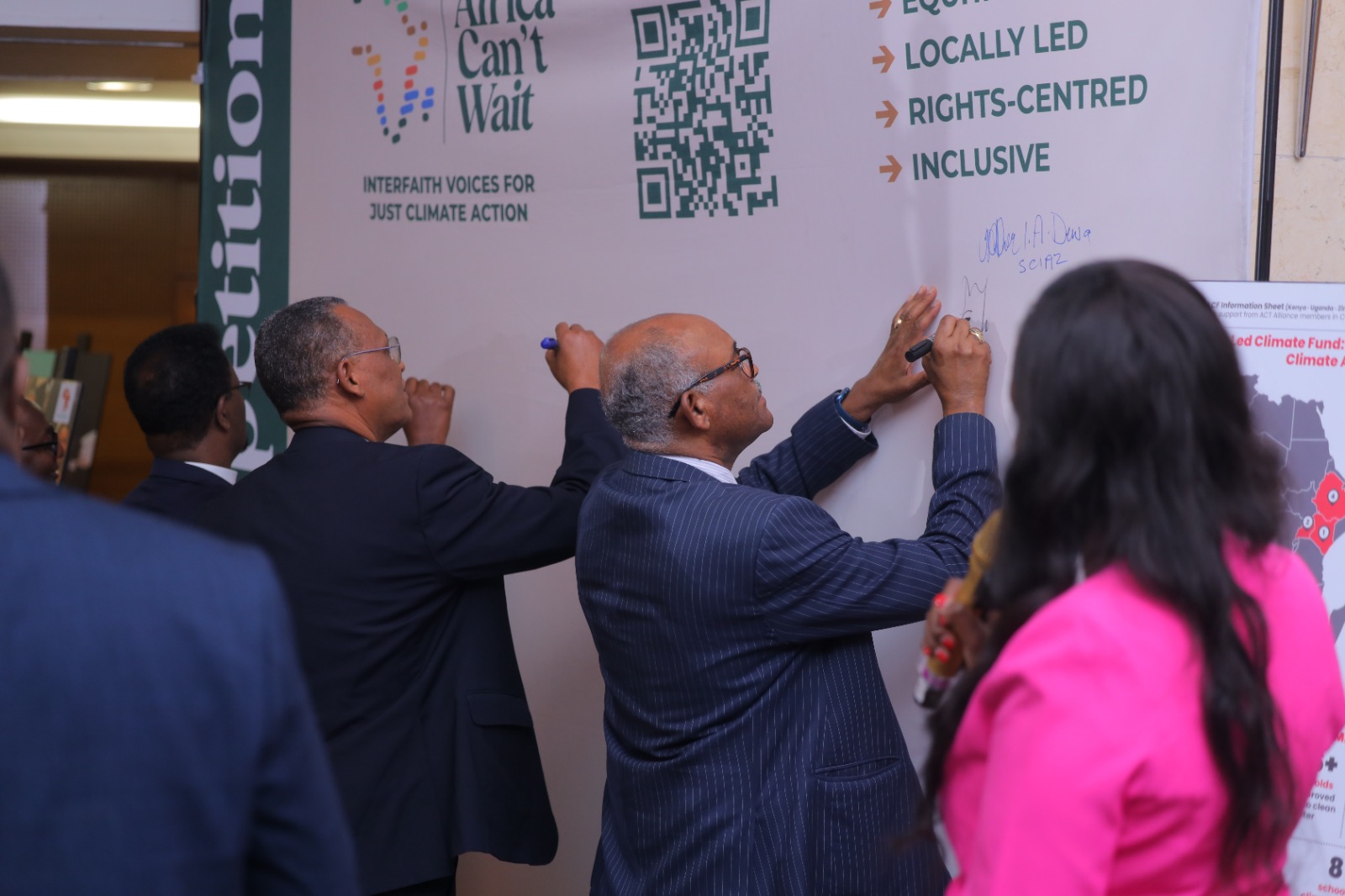
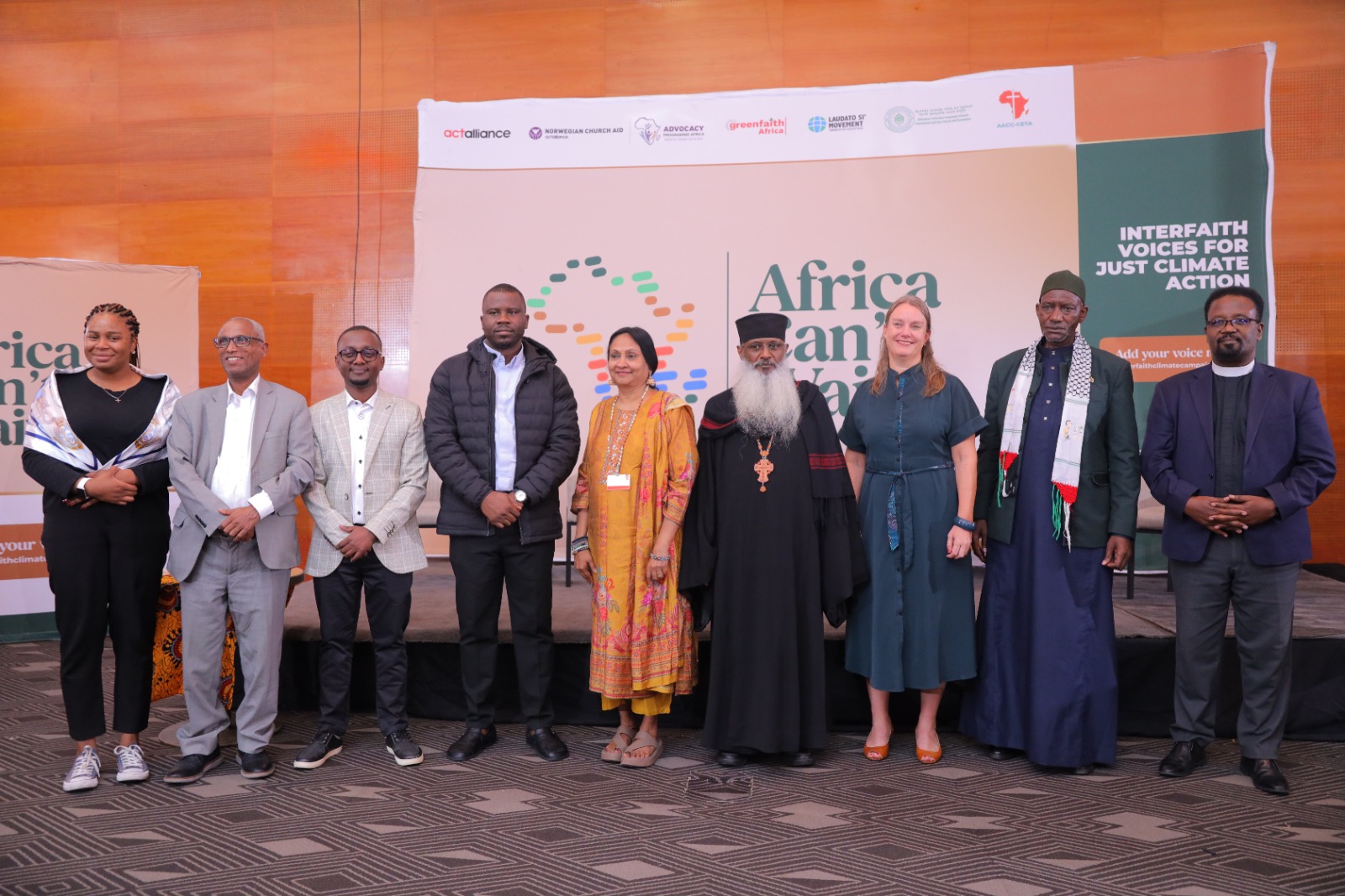
The recently launched Africa Can’t Wait: Interfaith Voices for Just Climate Action campaign seeks to build momentum towards these moments by bringing together faith communities, civil society and citizens to amplify African perspectives, elevate locally led solutions and strengthen accountability for climate commitments. Its goal of gathering one million signatures ahead of COP32 invites people across Africa and beyond to join this collective call for action.
Climate justice must be measured not only by commitments made, but by lives protected, livelihoods strengthened, ecosystems restored and communities empowered to shape their own future.
The writer is a Climate Justice Coordinator – Norwegian Church Aid Advocacy Programme Africa