|
Getting your Trinity Audio player ready...
|
By Victoria Musimbi
Nairobi, Kenya: In Kenya, accessing a healthcare facility fails to guarantee safe outcomes for many mothers and newborns. Ongoing preventable fatalities underscore critical gaps in service accessibility, clinical staffing, emergency referral mechanisms, and healthcare delivery standards.
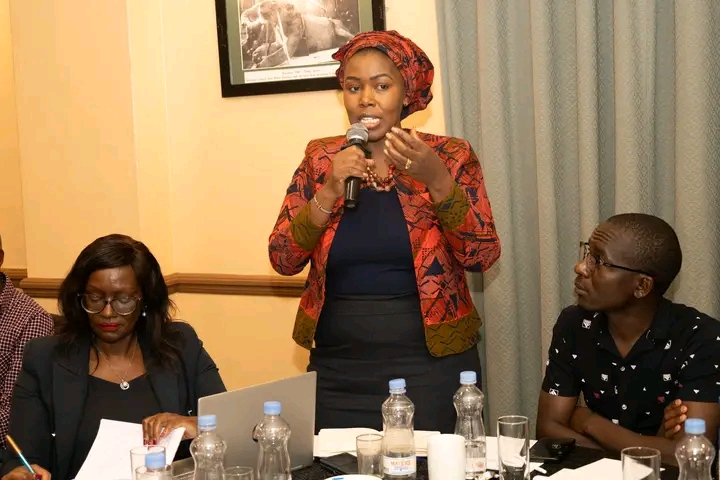
Addressing these challenges, the Kenya Editors Guild and Wanahabari Centre organized a joint media forum in collaboration with the International Centre for Reproductive Health-Kenya (ICRHK) under the Okoa Mama na Mtoto Initiative (OMMI).
The forum convened editors, senior reporters, healthcare providers, development partners, and key stakeholders to advance coverage of maternal, newborn, and child health, alongside nutrition.
Participants urged media professionals to move past basic reporting of isolated fatalities, focusing instead on investigating systemic vulnerabilities, monitoring resource allocation and policy commitments, and highlighting sustainable strategies to enhance health outcomes.
Keeping Maternal Health Beyond the Headline
Speaking during the engagement, Kenya Editors Guild CEO Lindah Bach said maternal, newborn and child health should be viewed not only as a health issue but also as a public-interest and accountability issue.
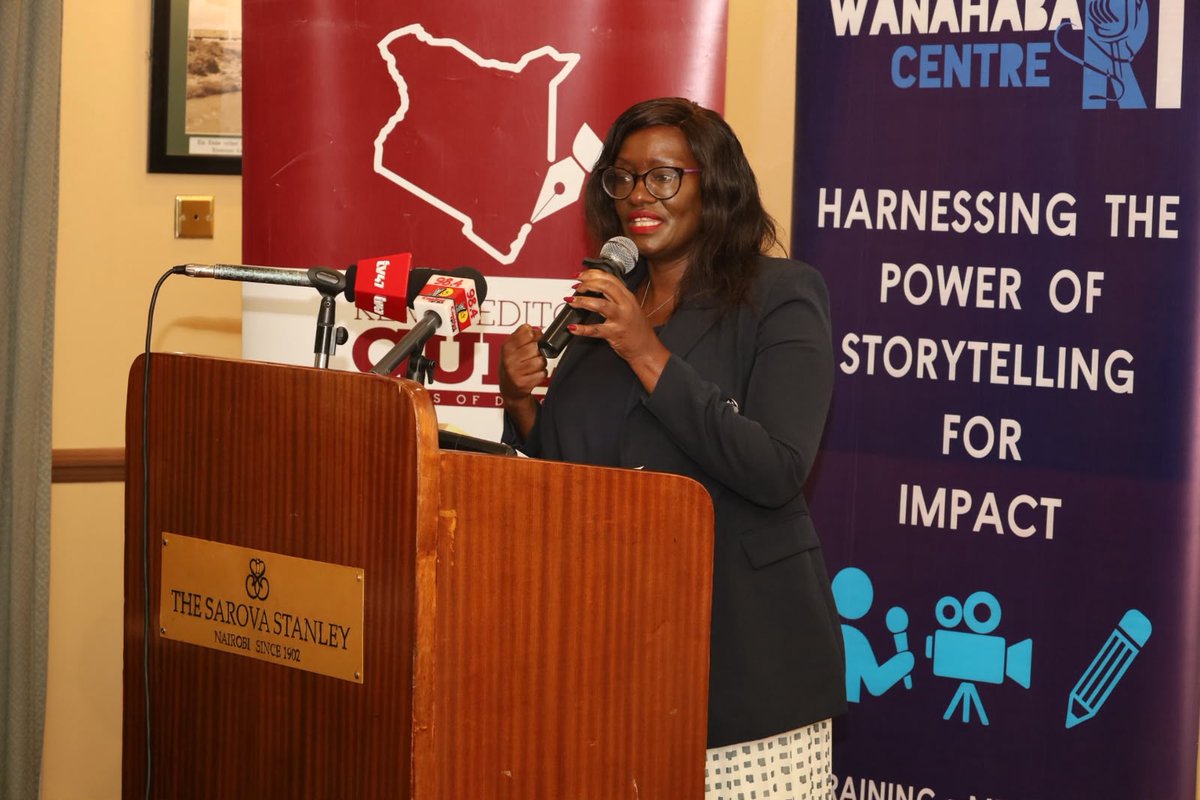
“Behind every statistic on maternal deaths, newborn survival or malnutrition is a woman, a child, a family and a community,” she said.
Bach challenged editors and media leaders to keep these issues on the national agenda beyond a crisis, the release of a report or an international health day.
She urged journalists to look beyond government announcements and ask what happens after commitments are made, whether resources reach intended services and what women and families experience when seeking care.
“What is working, and can those approaches be replicated?” she asked.
She also called for stronger county-level reporting, noting that national figures can conceal significant differences in health outcomes and service delivery.
Staffing, financing, availability of essential commodities, referral systems, quality of care and accountability, she said, provide opportunities for deeper investigations.
Bach said newsrooms also need access to credible data, experts and story leads to produce evidence-based and solutions-oriented journalism, while building stronger connections between the media, policymakers, health experts and communities.
Storytelling as Part of the Solution
For Wanahabari Centre Training and Development Director Irene Choge, the media has an important role in ensuring maternal and child health stories are told from a newsroom and public-interest perspective rather than simply promoting organisations and their programmes.
Choge said Wanahabari Centre is a media development organisation led by storytellers, many of whom have newsroom experience and believe in the power of communication and storytelling to address development challenges.
She said the engagement highlighted a fundamental problem: women dying while giving birth and families losing their babies.
“There is a problem,” Choge said, noting that the scale of maternal and newborn deaths requires sustained attention.
But recognising the problem, she said, must be followed by action.
“All of us should care,” she said, pointing to mothers, daughters, sisters, aunties and families who are part of communities affected by maternal and newborn health outcomes.
Choge urged journalists to report not only what is failing but also what is working, while asking difficult questions and examining how institutions are responding.
“Tell stories that show us where solutions are possible,” she urged.
She said sustained reporting can ensure maternal and child health stories do not appear once and disappear from the news cycle, but remain part of the national conversation.
“If storytelling can inform a mother, influence a decision-maker, hold a system accountable or point us towards a solution that saves a life, then storytelling itself becomes part of the solution,” she said.
The Gaps Behind the Numbers
The scale of the challenge was further illustrated by Polycarp Oyoo, Program Advisor for Maternal, Newborn and Child Health at the International Centre for Reproductive Health-Kenya (ICRHK).

According to figures from the State of Maternal, Newborn and Child Health in Kenya report cited during the engagement, Kenya loses about 15 mothers every day, alongside approximately 92 newborn deaths and 96 stillbirths.
“Maternal and newborn mortality is not just a statistic,” Oyoo said, noting that the figures should prompt journalists to examine why progress is slowing and what could happen if the trend persists.
Kenya Quality of Care Reports
The gaps are also reflected in the antenatal care, with data from the Kenya Health Information System and Kenya Quality of Care reports showing that only about 52% of women complete the recommended four antenatal care Contacts.
Oyoo said maternal and newborn deaths can be understood through the three-delay framework, which examines delays in seeking care, reaching a health facility and receiving appropriate care.
The first delay, accounting for about 30% of maternal deaths, occurs when women or families delay seeking care, including when danger signs are not recognised. The second, accounting for about 25%, involves difficulties reaching a health facility because of financial constraints, lack of transport or weaknesses in referral systems.
The third delay occurs at the health facility and accounts for about 45% when women do not receive timely or quality care after arriving.
For journalists, Oyoo said, the framework provides entry points for reporting on whether women can recognise danger signs, access transport and reach functioning referral systems, as well as whether facilities have adequate staff, commodities and capacity to provide quality care.
He also cited findings from the Ministry of Health Quality of Care Survey, which showed that only 7% of health facilities met basic standards for Emergency Obstetric and Newborn Care, while 46% of level four and five facilities had all nine comprehensive emergency obstetric and newborn care signal functions.
About 40% of facilities reported stockouts of essential commodities, while only 23% could conduct a full haemogram or urinalysis.
Family planning, Oyoo said, should also remain part of maternal health reporting. The Kenya Demographic and Health Survey shows that 14% of currently married women have an unmet need for family planning.
He said journalists should also track government interventions, including the Every Woman, Every Newborn, Everywhere (ENEWE) acceleration plan and the Rapid Results Initiative targeting 26 high-burden counties.
For Oyoo, such programmes provide opportunities for journalists to examine whether government commitments are translating into better services and fewer deaths.
“Every death raises questions of governance, accountability and social justice,” he said.
The engagement challenged journalists and editors to make maternal, newborn, child health and nutrition a sustained part of the national conversation.