|
Getting your Trinity Audio player ready...
|
By Melisa Mong’ina
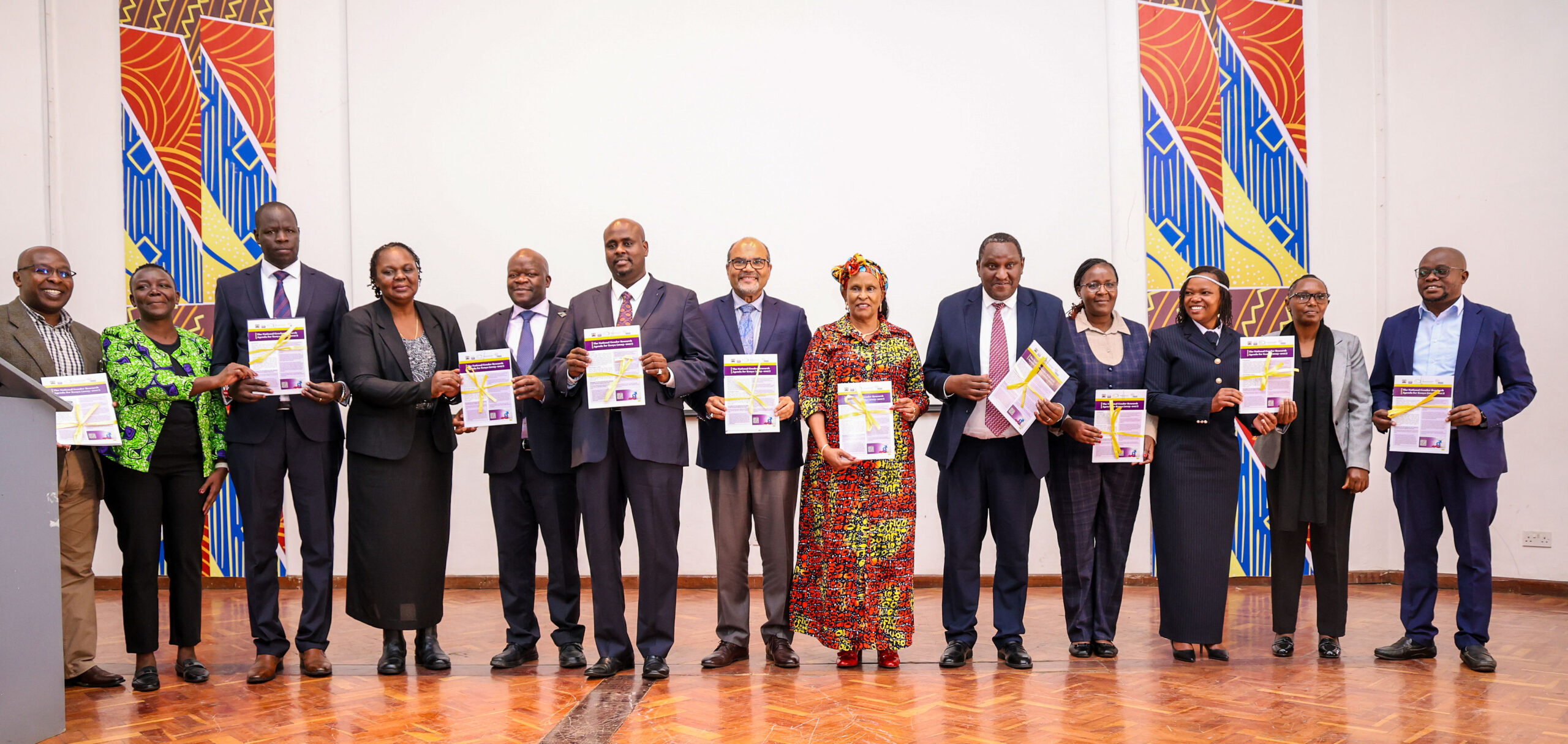
Nairobi, Kenya: To advance gender equality through research, strategic partnerships, and sustainable investment, the National Gender and Equality Commission (NGEC), Mizizi Elimu Afrika, the National Commission for Science, Technology and Innovation (NACOSTI), alongside other partners, have officially launched the National Gender Research Agenda (NGRA).
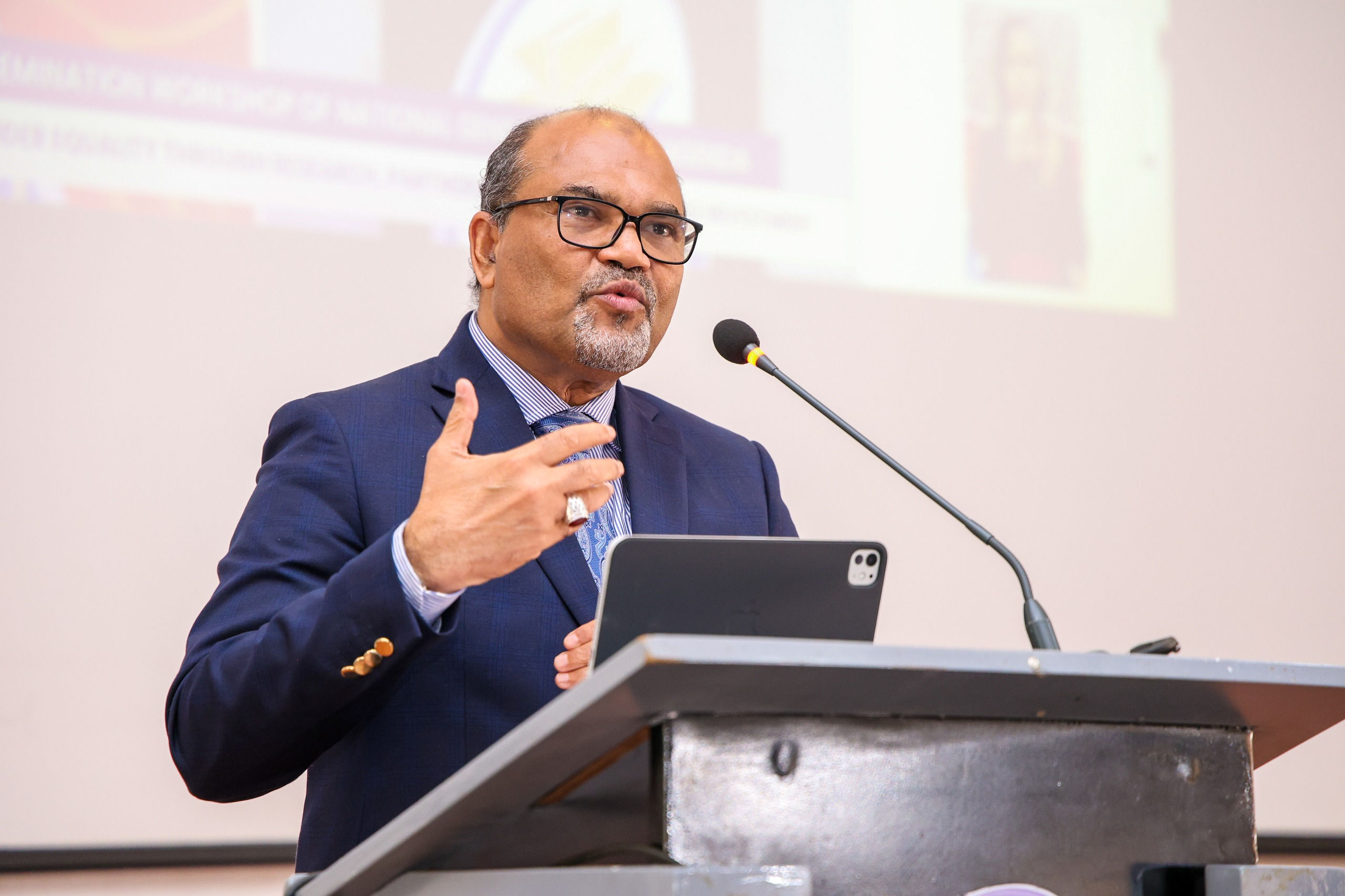
At the dissemination event, Prof. Shaukat Abdulrazak, Principal Secretary for the State Department for Science, Research and Innovation, highlighted that persistent gaps remain in Kenya’s pursuit of equality. He underscored the vital role of targeted gender research in uncovering the specific disparities that impact women, minorities, and marginalized communities.
Advocating for greater male involvement, Prof. Abdulrazak called on men to actively join discussions on gender equality and act as champions of change. By engaging in these conversations, he noted, men can better comprehend the obstacles women encounter and advocate for their equal leadership and participation.
“We’ve been discussing schools, and we see that most of the teachers at the lower primary level are actually women, but when you look at the heads of those schools, they are being run by men. That’s why we need to bring the men in the room, so that they can be able to understand and interrogate,” Prof. Abdulrazak explained.
He further emphasized that academic and field research must go beyond theoretical exercise, it should directly address practical challenges, build robust evidence, and guide meaningful public policy.
Adding “We don’t want women to be in one team. We want to build a cohesive, resilient society by mixing men and women and ensuring that we have a gender balance,” he said.
Prof. Abdulrazak called for a shift from women being primarily technology consumers to becoming technology creators, saying they must be at the centre of Kenya’s science, technology and innovation trajectory.
Dr. Maurice Mutisya, Research Director at Mizizi Elimu Afrika, reflected how early gender stereotypes and social norms can influence how children view themselves and the careers they pursue, particularly in STEM.
“When I was in Grade Four, Five and Six, I was taught by one teacher in math, and the worst thing you could do was have a girl beat a boy in math. These are long-held norms that we have within our communities,” Dr. Mutisya recalled.
He cited the 2025 KCSE results to emphasise the need for deeper analysis of education statistics, urging researchers to go beyond comparing boys and girls and instead examine who is affected, where disparities occur, their underlying causes and what can be done to address them.
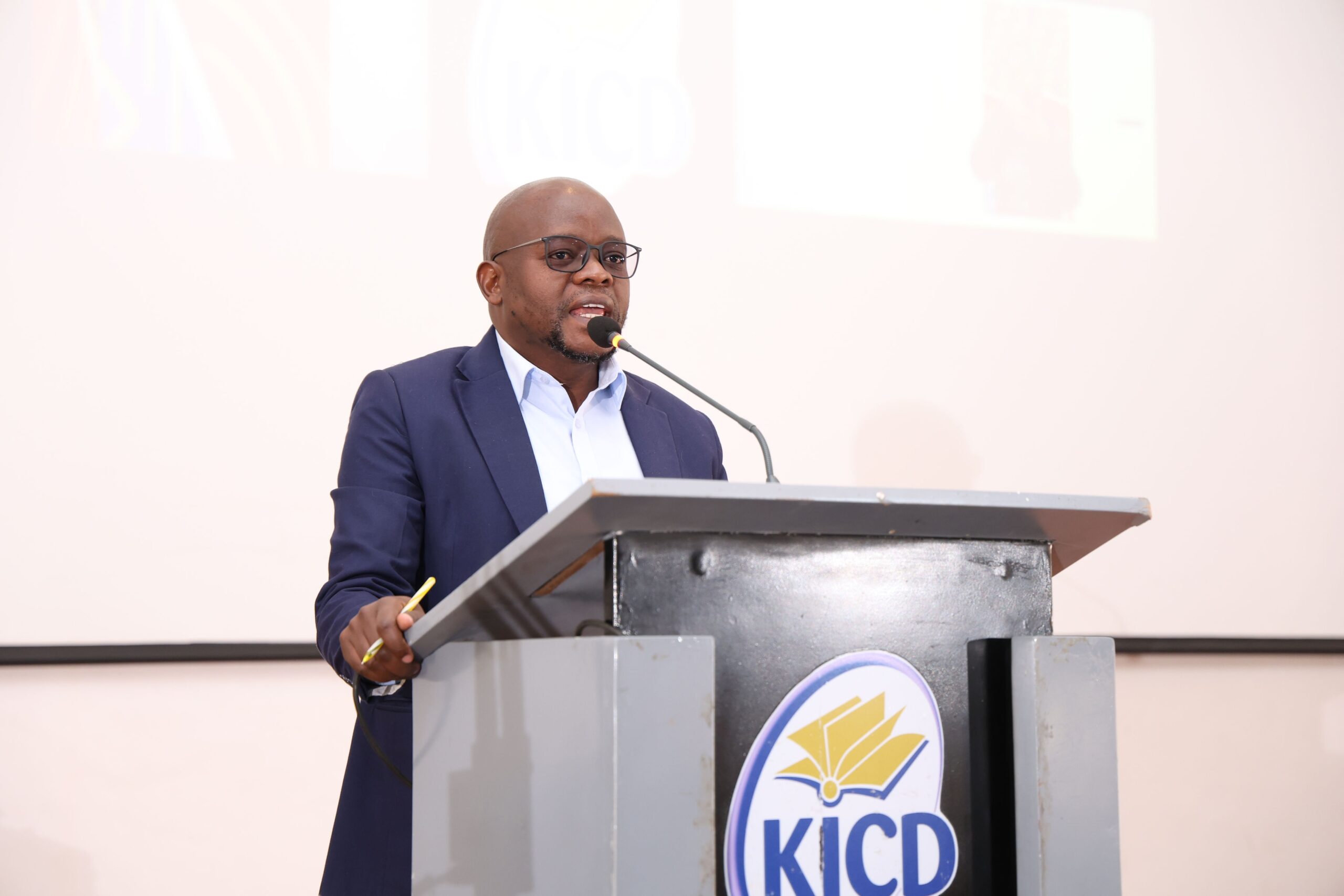
“If we start digging deeper into that, we would get the full narrative and understand the root causes of gender inequalities because, at the end of the day, if we don’t do so, it means we are not addressing the issue; we’re just looking at the surface,” he added.
Dr. Mutisya called on institutions to share the evidence and data they already possess rather than keeping research within individual organisations. He also urged stakeholders to bring together information from different contexts to build a stronger national understanding of gender issues.
He further encouraged graduate students and academic researchers to take up gender topics and generate evidence that can inform policymakers and decision-makers.