|
Getting your Trinity Audio player ready...
|
By Mary Mwendwa
Nairobi-In a landmark move, KEMRI-Wellcome Trust Research Programme (KWTRP) has partnered with Roche’s African Genomics Program (AGP) to decode the genetic drivers of high blood pressure in African populations.
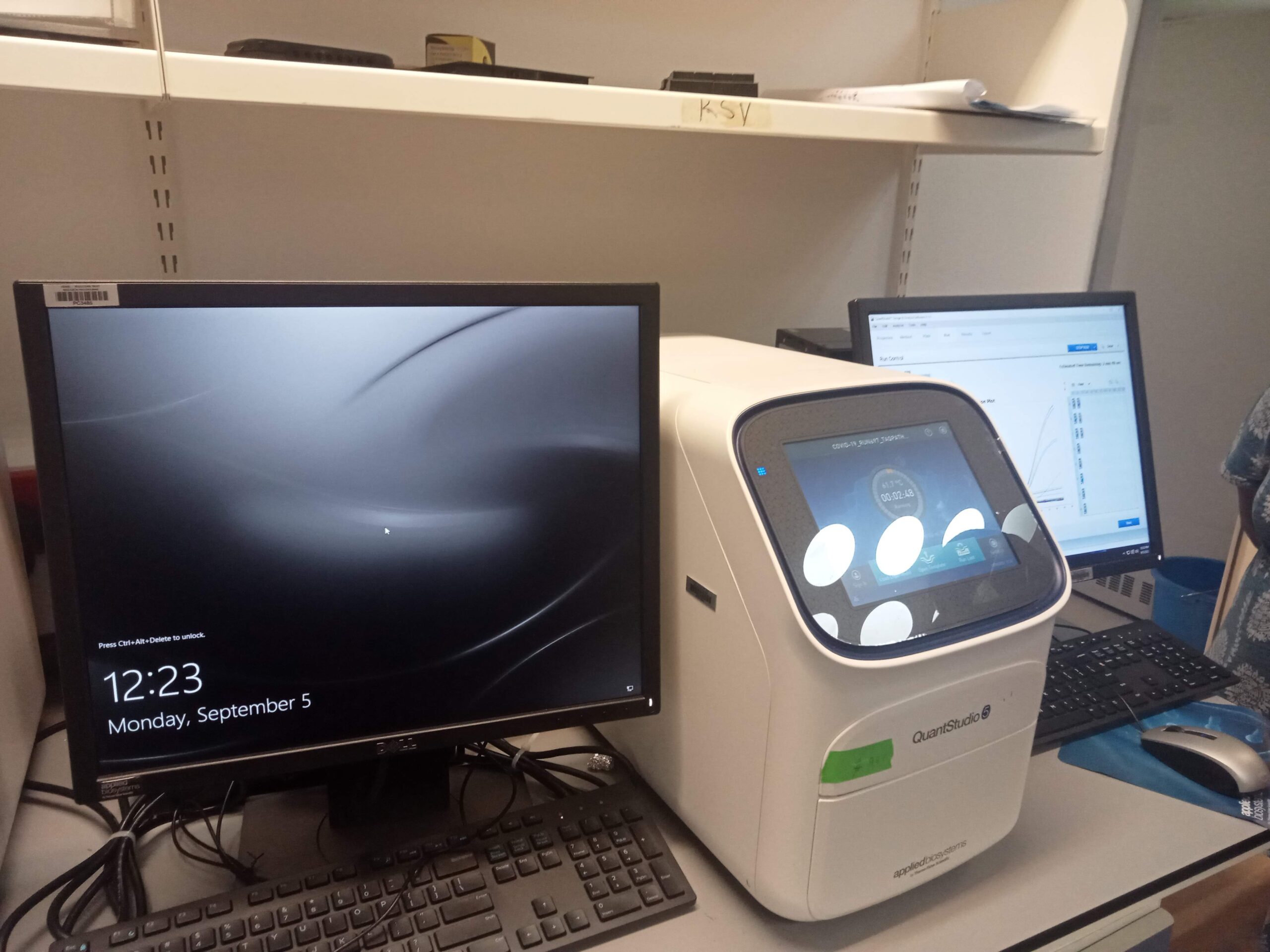
Through this collaboration, researchers will fully sequence the genetic code of around 1,200 samples collected through KWTRP’s ongoing “Improving Hypertension Control in Rural Sub-Saharan Africa” (IHCoR) study.
Reading someone’s complete genetic code allows scientists to map the small variations that may contribute to disease, helping uncover the exact genetic drivers of high blood pressure in the region and paving the way for new warning signs and targeted treatments that are better suited to African communities.
Researchers have discovered that out that Sub-Saharan Africa has one of the highest rates of high blood pressure in the world, a condition linked to nearly 700,000 deaths in the region in 2019 alone — double the number from 1990. It strikes earlier, hits harder, and is more difficult to control than anywhere else, leading to more complications such as heart failure, stroke, and kidney disease.
Yet, despite this staggering burden, African populations remain significantly underrepresented in the studies that shape our understanding of human health and disease. Less than three percent of global genetic datasets come from people of recent African descent, even though the continent holds the world’s greatest genetic diversity.
This means that treatments designed elsewhere may not work as effectively here, and the very people most affected by hypertension have been, for too long, left out of the scientific conversation.
The urgency of this work cannot be overstated. Heart, kidney, and metabolic diseases are a growing health challenge across Africa, with high blood pressure emerging as a silent epidemic that increasingly affects younger people and severely impacts communities across the continent.
Similarly, in Sub-Saharan Africa, hypertension tends to start earlier in life, is more severe, and is harder to control than in other parts of the world, leading to more complications and a heavier toll on families, health systems, and economies. Yet the medical playbook used to treat these conditions has largely been written from data collected outside the continent, leaving a critical gap in our understanding of how the disease manifests locally and how it can best be managed.
“The partnership aims to find new warning signs in the body that explain why high blood pressure and related heart, kidney, and metabolic conditions develop differently in African populations,” said Dr. Anthony Etyang, Consultant Physician, Head of Epidemiology and Demography at KWTRP, and lead researcher on the study. “For too long, our understanding of heart and metabolic diseases has relied on data from outside the continent. By combining our clinical knowledge from the IHCoR study with advanced genetic sequencing, we can identify new warning signs, understand how the disease shows up here specifically, and build the local scientific skills needed to drive future discoveries.”
Beyond the scientific breakthroughs, this partnership is also deeply committed to building local capacity and ensuring that African researchers are at the forefront of this work. Alongside the genetic sequencing of 1,200 samples, the collaboration includes dedicated funding to train two PhD students and one postdoctoral researcher, plus hands-on technical support from Roche’s data scientists.
This investment in human capital is crucial for ensuring that the discoveries made today will lead to lasting change, with a new generation of African scientists equipped to continue the fight against hypertension and other non-communicable diseases long into the future.
The partnership will also create a secure data network linking research sites in Kenya and The Gambia, so researchers can safely analyse the data generated. Importantly, the data itself will stay hosted in Africa, managed by KWTRP, while remaining available for shared research with scientists across the continent and around the world.
This approach ensures that African institutions retain ownership and control over the genetic information that belongs to their people, while still contributing to the global body of knowledge that can benefit all of humanity. It is a model of equitable collaboration that respects the dignity and contributions of African communities.
This initiative addresses a major gap in global medical research and represents a bold step toward precision medicine — treatment tailored to a person’s biology, no matter where they are in the world. Although Africa holds the greatest genetic diversity on the planet, less than three percent of global genetic datasets come from people of recent African descent.
By building vital genetic datasets and investing in African scientific talent and infrastructure, KWTRP and Roche’s African Genomics Program are taking meaningful steps to close this gap and bring precision medicine closer to everyone. As Lisa Rooney Slater, Head of the African Genomics Program at Roche, aptly put it: “Understanding what drives heart, kidney, and metabolic diseases in African populations is essential to developing better, more effective healthcare solutions globally. We are proud to partner with KEMRI and look forward to the discoveries this partnership will produce.”
With nearly 700,000 lives lost to hypertension in Sub-Saharan Africa in 2019 alone, the urgency is undeniable. But for the first time, the answers are being sought in the very communities most affected — by the people who know them best.
This is not just a research project; it is a declaration that African lives, African bodies, and African science deserve a seat at the global health table. And as the genetic code of 1,200 Africans is decoded, the hope is that the knowledge gained will not only save lives in Kenya and The Gambia but will also illuminate a path forward for the entire continent and beyond.