
|
Getting your Trinity Audio player ready...
|
By Lilian Museka
“He Attacked My Body Instead of Challenging My Story”: A Journalist’s Journey from Online Abuse to Digital Resilience.
“After publishing a story on corruption involving a person who was politically connected, I expected criticism. As journalists, we know that accountability stories can attract reactions, especially when they touch powerful interests. But I was not prepared for the personal attacks that followed.”
The journalist recalls how her work quickly shifted from being debated on its merits to becoming a target of online abuse.
“Instead of addressing the issues raised in my story, the individual began attacking me personally. The comments were hurtful and humiliating. He wrote that I was too fat to be on the screen and used abusive words to discredit me.”
For a moment, the attacks made her question herself.
“I started doubting my abilities as a reporter. I wondered whether people were seeing me differently because of those comments. It affected my confidence because the conversation was no longer about my journalism but about attacking me as a person.”
Like many women journalists who experience online harassment, her first reaction was to withdraw.
“I immediately went offline. I stopped engaging because I felt exposed and overwhelmed. I thought staying away from social media would protect me from further attacks.”
However, a conversation with a colleague helped her rethink her decision.
“A colleague encouraged me not to allow online attacks to silence me. She reminded me that my voice and my work were important and that leaving digital spaces completely was not the solution. Eventually, I returned online, but with more awareness of the risks and the need to protect myself.”
Today, she says the Digital Safety Training under the Empowering Journalists for Safety and Equity in Kenya project has come at the right time, especially as Kenya moves closer to the 2027 General Elections.
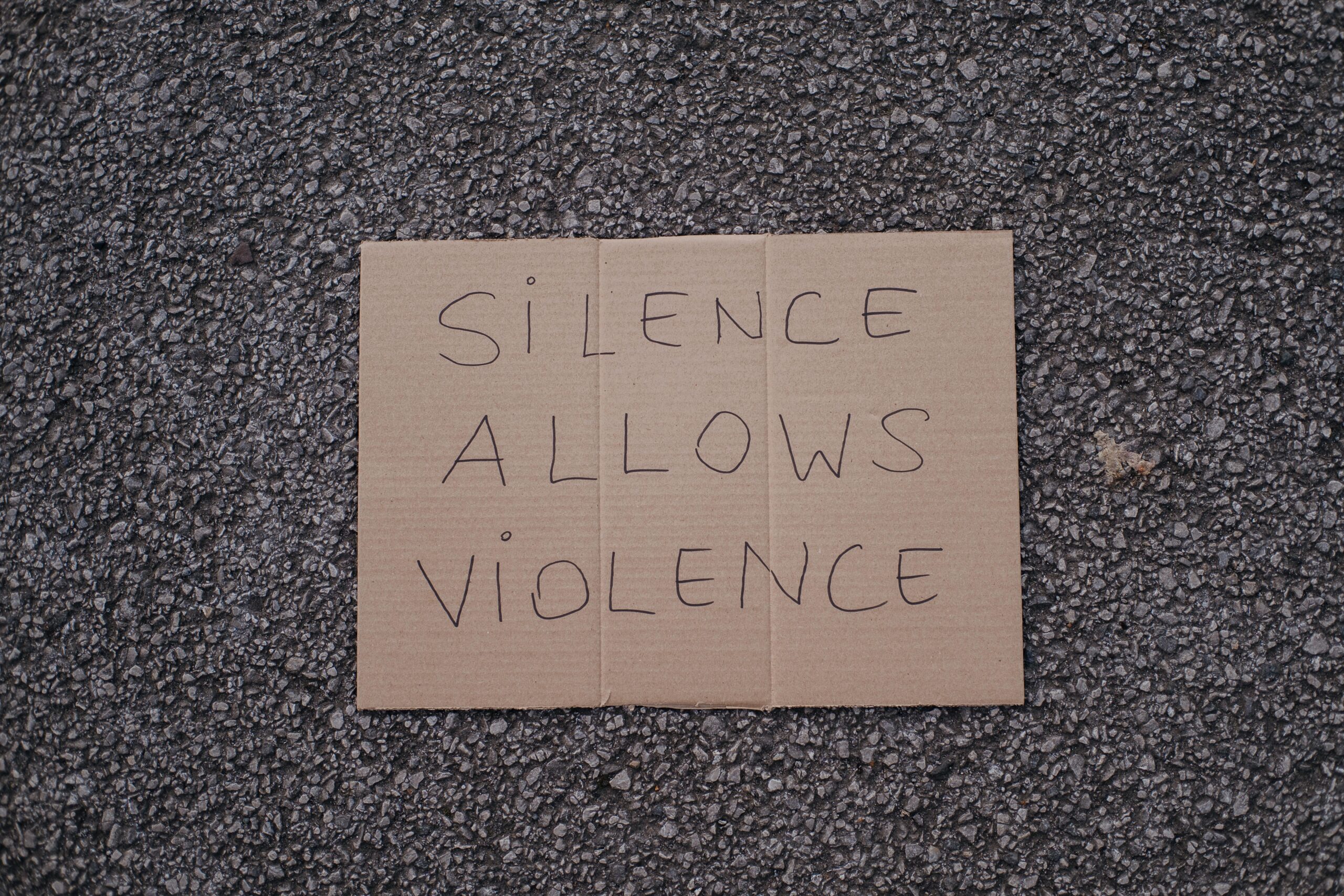
“This training has helped me understand that online attacks are not just about negative comments. They can affect your mental health, your confidence and your ability to work. I now understand how to protect my accounts, manage risks and respond better when faced with online abuse.”
Her experience reflects the reality faced by many women journalists in Kenya, a reality that prompted the Association of Media Women in Kenya (AMWIK), with support from UNESCO through the International Programme for the Development of Communication (IPDC), to conduct a Digital Safety Training for women journalists across the country.
The four-day virtual training, held through two cohorts, brought together 60 women journalists from Nairobi, Mombasa, Busia and Kakamega Counties to strengthen their digital safety knowledge, resilience and ability to respond to emerging online threats.
As newsrooms become increasingly digital, women journalists are facing new forms of attacks that go beyond professional criticism. Online harassment, cyberbullying, impersonation, doxxing, cyberstalking and Online Gender-Based Violence (OGBV) have become growing concerns affecting women’s participation in journalism.
The baseline assessment conducted before the training revealed the scale of the challenge; Nearly all participants identified sexual harassment (97.6%) and online abuse and cyberbullying (95.1%) as major challenges affecting women journalists.
Other concerns included: Gender discrimination and unequal leadership opportunities at 87.8%, Workplace intimidation at 82.9%, Mental health challenges at 80.5%, Physical threats or violence at 70.7%, and Lack of institutional support at 58.5%
The assessment further showed that many women journalists had personally experienced harm. 65.9% reported psychological stress or burnout, while 39% had experienced online harassment.
Despite these experiences, reporting remained low, with 56.1% indicating that they had not reported incidents they experienced, highlighting gaps in support systems and reporting mechanisms. These findings demonstrated that protecting journalists requires more than awareness. It requires practical skills, supportive institutions and resilient digital practices.
In her opening remarks during the training, AMWIK Executive Director Ms. Queenter Mbori emphasised that digital safety has become a core component of modern journalism.
She noted that while technology has transformed journalism by creating opportunities for faster reporting, audience engagement and information sharing, it has also introduced new risks, particularly for women journalists.
“Digital safety has become an essential component of modern journalism practice. These findings demonstrate the urgent need for interventions that strengthen journalists’ digital resilience and create safer working environments for women in media.”
Ms. Mbori encouraged participants to apply the skills gained to protect themselves, their sources and their journalistic work.
Representing UNESCO, Ms. Sylvia Adongo reaffirmed UNESCO’s commitment to promoting journalist safety and freedom of expression.
She emphasised that digital safety should not be viewed as an individual responsibility alone but as a shared responsibility involving journalists, media organisations and institutions.
“Media organizations have a responsibility not only to equip journalists with practical skills, but also to recognize the digital risks they face and establish institutional mechanisms that support their safety, wellbeing, and professional resilience.”
She further called for digital safety to be integrated into journalism education and newsroom systems to ensure journalists are better prepared to navigate emerging threats.
Through practical demonstrations, case studies and interactive sessions, the journalists learned how to strengthen their digital protection.
The training covered Digital risk assessment, Password security and authentication; Multi-Factor Authentication (MFA), Device protection, Secure communication, Phishing and malware, Social media safety, Online Gender-Based Violence, Digital wellbeing and resilience.
Participants learned practical measures including securing email accounts, strengthening passwords, enabling Two-Factor Authentication, protecting confidential information and managing digital footprints.
For the journalist who experienced online attacks, these lessons provided renewed confidence.
“Before this training, I knew online abuse was a challenge, but I did not fully understand how to manage it strategically. I now know that protecting myself online is part of protecting my journalism,” one journalist said.
The timing of the training is significant as Kenya prepares for the 2027 General Elections, a period expected to see increased online political engagement, information sharing and digital campaigning.
Journalists covering elections are likely to face heightened risks, including coordinated online attacks, misinformation campaigns and harassment.
The training equipped participants with tools to remain safe while continuing to perform their critical role of informing the public.