|
Getting your Trinity Audio player ready...
|
By Shaban Makokha
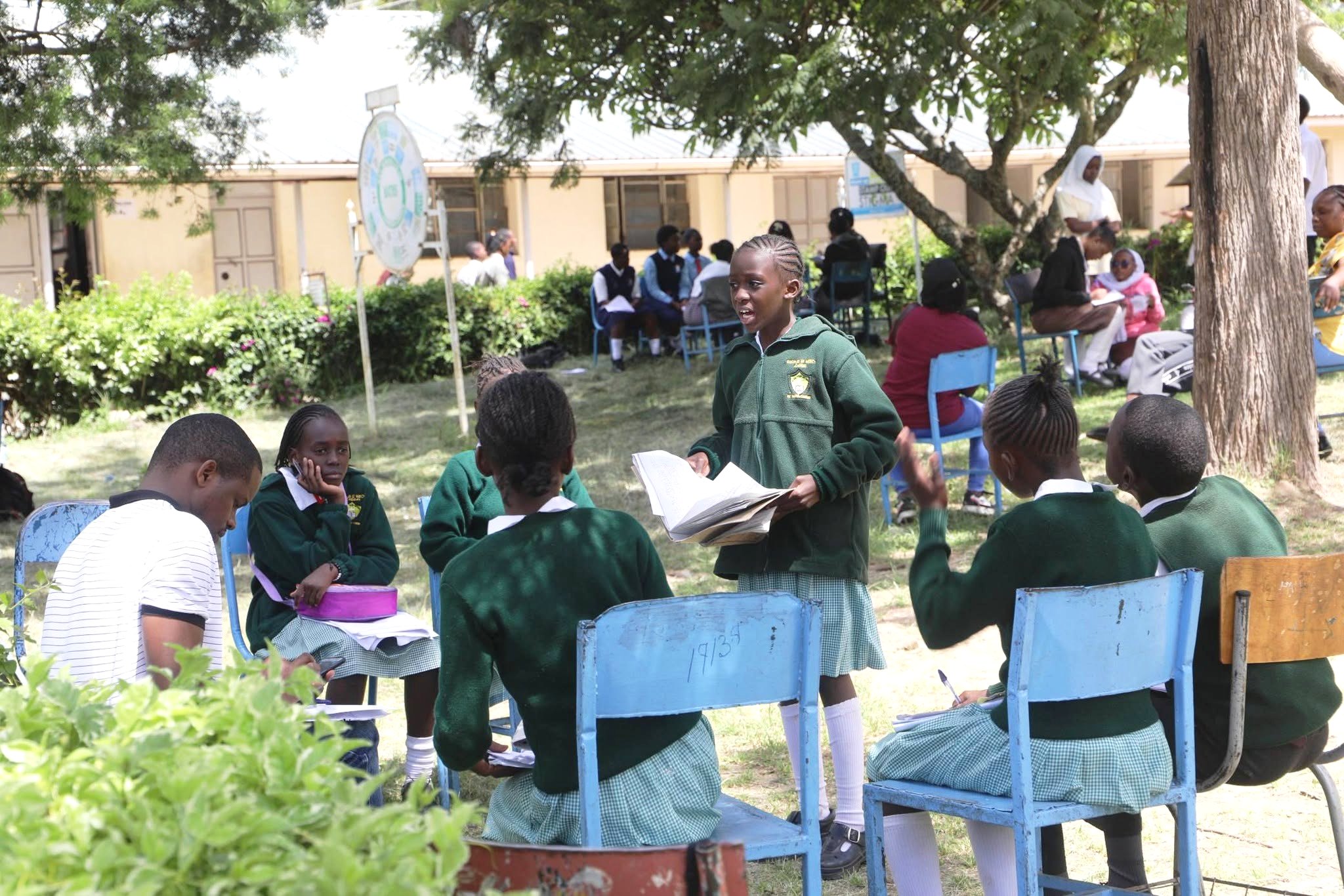
Kakamega- Across Kenya, in classrooms from bustling cities to remote villages, hundreds of students have spent months sharpening their minds rather than their fists. They are Kenya’s brightest young debaters, and they are preparing to prove that dialogue—not conflict—is the most powerful tool for shaping East Africa’s future. They have learned that the strongest argument is not the loudest voice, but one built on facts, respect, and understanding.
Now, after months of rigorous competition, 350 outstanding students from 45 senior schools across the country are set to carry Kenya’s hopes to the 2026 East Africa Amani Club Peace Debate Championship in Arusha, Tanzania. For these young scholars, the journey to Arusha is more than a contest; it is a mission. A mission to demonstrate that the future of East Africa will not be forged by violence, division, or intolerance, but through dialogue, mutual respect, and the courage to listen.
The regional championship, which unites some of the brightest young minds from across East Africa, has grown into one of the continent’s most respected platforms for nurturing leadership, critical thinking, and peaceful conflict resolution among learners. This year’s theme, “Building Bridges Through Dialogue and Understanding,” resonates strongly in a region where young people are increasingly called upon to champion peace, unity, and coexistence.
The road to Arusha has been demanding. It began in February 2026 with county championships across Kenya, where thousands of learners engaged in spirited intellectual contests, presenting persuasive arguments on governance, education, social justice, climate change, technology, and peaceful coexistence. Only the best advanced to the national championships.
In April, Machakos County hosted the Kenya National Amani Club Debate Championship, where the competition intensified. Every speech mattered; every rebuttal counted; every point determined who would earn the honour of representing Kenya on the regional stage. After days of intense competition, only 350 students from 45 senior schools secured tickets to Arusha. For many, qualification was the culmination of years of dedication, countless hours of research, and relentless practice.
According to Amani Clubs National Chairperson Kennedy Kunani, preparations for the regional championship are now in their final stages. The Kenyan delegation is expected to begin travelling from various counties on August 8, 2026, converging at Noonkopir Girls High School in Kitengela before departing together for Arusha the following day.
“The championship acts as a premier regional platform that brings together bright young minds from across East Africa to foster critical thinking, leadership, and peaceful resolution mechanisms through structured dialogue,” said Kunani.
He noted that beyond trophies and medals, the championship aims to produce future leaders capable of resolving conflicts through reasoned engagement rather than confrontation. “Debate equips learners with communication skills, confidence, empathy, and the ability to appreciate diverse opinions,” he explained. “These are qualities our societies desperately need.”
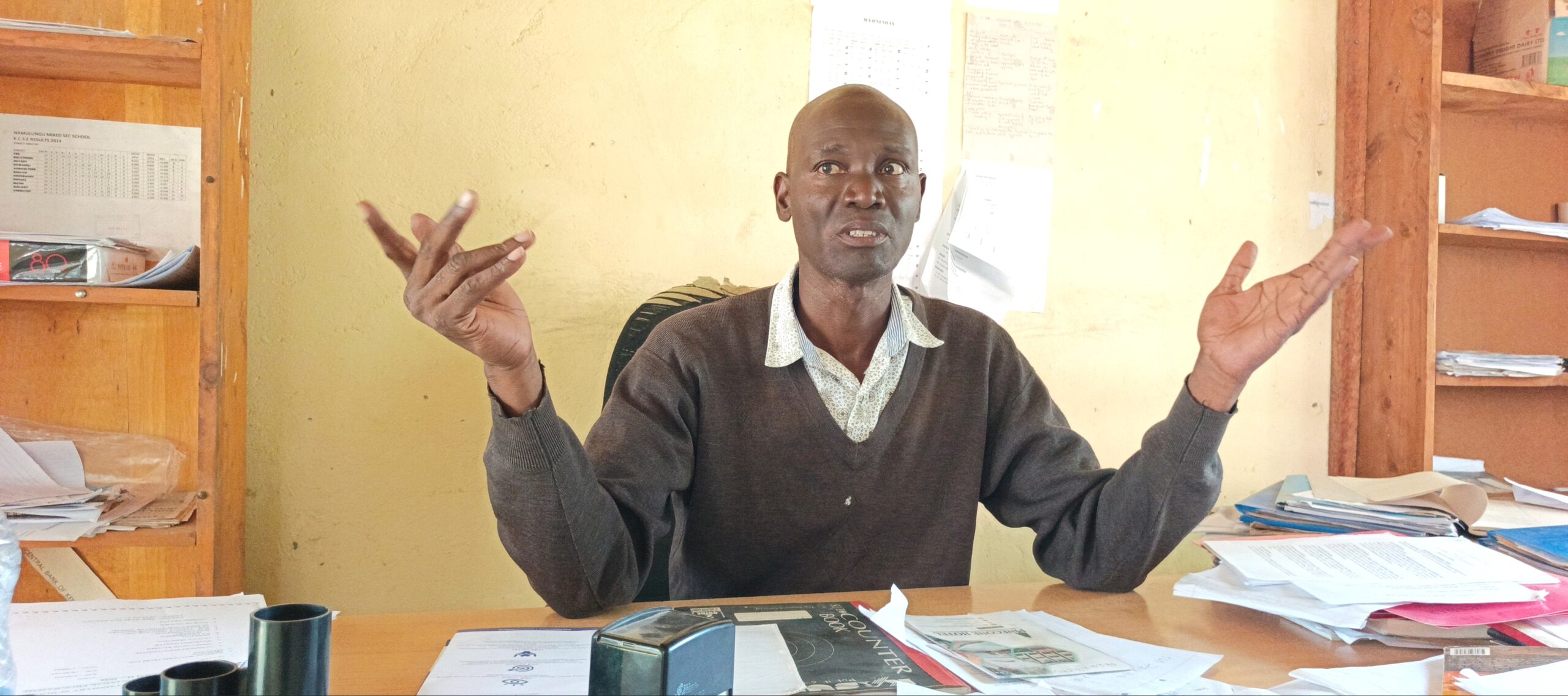
One of the most inspiring stories this year comes from Kakamega County. Away from the spotlight enjoyed by traditional academic giants, two relatively little-known schools have scripted remarkable success stories. Muluanda Senior School from Khwisero Constituency and Namulungu Senior School from Matungu Constituency have qualified for the East African championship for the very first time. For the schools, this achievement is historic; for their communities, it is a source of immense pride. The qualification demonstrates that excellence is no longer confined to established national schools. With committed teachers, determined learners, and supportive communities, even schools in rural Kenya are proving capable of competing with the country’s finest institutions. Their success is already inspiring younger learners, who now believe that international opportunities are within reach regardless of where they attend school.
Kenya heads to Arusha with a diverse team representing nearly every corner of the country. Among the schools flying the national flag are the renowned Maseno School and Kisumu Girls High School, representing Kisumu County. West Pokot will be represented by Tartar Girls High School and St. Elizabeth Murpus Secondary School, while Kilifi County has entrusted its hopes to Ribe Boys Senior School and Barani Senior School. Buruburu Girls Senior School will carry Nairobi County’s ambitions, Nakuru Girls High School represents Nakuru County, and Chakol Girls High School will fly Busia County’s flag. Together, these schools reflect Kenya’s diversity, bringing together learners from urban centres, rural villages, pastoral communities, and coastal regions under one common purpose: to promote peace through dialogue.
Among the Kenyan delegation is a team whose journey embodies resilience and determination. Mathare Community Outreach Debate and Amani Club earned their place after an impressive performance during the Nairobi Metropolitan Debate for Peace Championship. The team emerged as the overall best in the Junior Secondary School category before finishing second nationally. For many of its members, debate has become more than an extracurricular activity—it has become a pathway to confidence, leadership, and opportunity. Coming from one of Nairobi’s largest informal settlements, these learners hope their success will inspire thousands of other young people facing difficult social and economic circumstances.
While trophies will undoubtedly be contested in Arusha, organisers insist the championship is about much more than winning debates. Kunani emphasised, “It is about cultivating a generation capable of resolving differences through dialogue rather than hostility. Participants will engage with peers from across East Africa, exchanging ideas, appreciating cultural diversity, and building friendships that transcend national borders.” In a region where political, ethnic, and social tensions occasionally threaten harmony, such interactions provide invaluable lessons in peaceful coexistence. The championship encourages learners to challenge ideas without attacking people, to disagree respectfully, and to search for solutions that unite rather than divide—values that extend far beyond the debate chamber.
As buses prepare to leave counties across Kenya for Kitengela before the journey to Arusha, excitement is steadily building among the young ambassadors. For some, it will be their first time leaving the country; for others, their first opportunity to interact with peers from neighbouring nations. They travel carrying more than notebooks and debate scripts—they carry the hopes of teachers who mentored them, parents who encouraged them, communities that celebrated them, and a nation that believes its young people can become champions of peace.
When the debates begin in Arusha, they will not simply be competing for medals. They will be proving that words can heal where conflict divides; that understanding can triumph over prejudice; and that the bridges East Africa needs tomorrow can begin with the conversations its young people are courageous enough to have today.