|
Getting your Trinity Audio player ready...
|
By Naomi Mwangi
This World Day Against Trafficking in Persons, Kenya stands at a critical crossroads with a clear opportunity: reinforce prevention, improve protection for survivors, and ensure that those responsible are held accountable.
But to succeed, we must broaden our understanding of the crime. Sex trafficking is the recruitment, transportation, transfer, harboring, or receipt of a person for sexual exploitation through force, coercion, deception, abuse of power, or the exploitation of vulnerability.
While it is often understood primarily as a cross-border crime involving organised criminal networks, this narrow view is dangerously outdated. Trafficking also occurs within our own communities and through everyday interactions—including those increasingly facilitated by digital technology. To protect its people, Kenya must look beyond the border posts and into the smartphones, homes, and hotels where modern trafficking thrives.
Women and girls are disproportionately affected by this crime, with traffickers exploiting existing inequalities and vulnerabilities to profit from their bodies and their lives. For women and girls in Kenya, the danger begins much closer to home, with a message on a phone, a fraudulent job advertisement, a promised scholarship or an online relationship built on deception.
Digital platforms have changed how traffickers identify and approach potential victims. Social media, messaging applications, dating sites and online recruitment platforms can be used to advertise fraudulent employment opportunities, scholarships, modelling contracts or work abroad. Some perpetrators use false identities or develop personal and romantic relationships over time before introducing deception, pressure, threats or coercion.
These methods can make trafficking more difficult to identify. Technology has not created the inequalities that enable trafficking, but it has expanded traffickers’ reach. They also demonstrate why prevention and enforcement efforts must respond to the changing ways in which recruitment and exploitation take place.
This exploitation does not occur in isolation. Sex trafficking thrives where vulnerability already exists. Poverty, unemployment, economic insecurity, gender inequality and limited opportunities leave many women and girls susceptible to false promises of a better future. In an increasingly difficult economic climate, an offer of employment, education or financial stability can appear to be a lifeline.
Kenya is not without legal protections. The Counter-Trafficking in Persons Act, 2010 criminalises trafficking for exploitation and provides for victim protection, assistance and institutional coordination. It also recognises that trafficking can occur within Kenya and does not require movement across an international border. For children, the law does not require proof of force, coercion or deception. The Sexual Offences Act, 2006, criminalises trafficking for sexual exploitation and related sexual offences, and the Children Act, 2022, protects children from trafficking, sexual exploitation, abuse and other harmful practices.
Additionally, as a State Party to international and regional human rights instruments, including the Palermo Protocol, the Maputo Protocol, the Convention on the Elimination of All Forms of Discrimination against Women, the African Charter on the Rights and Welfare of the Child, among others, Kenya has undertaken to prevent trafficking, protect victims and prosecute perpetrators.
The priority now is consistent implementation through properly resourced investigations, effective coordination, specialised training and survivor-centred support, including safe accommodation, healthcare, psychosocial care, legal assistance and protection from criminalisation for acts committed under coercion.
Prevention must receive equal attention. Public information should help people recognise misleading recruitment practices, online grooming and other possible indicators of trafficking. Awareness initiatives should be practical, accessible and responsive to the platforms and methods currently being used.
At the same time, Kenya must address the systemic inequalities that increase vulnerability to exploitation by investing in education, social protection, decent work and women’s economic empowerment. World Day Against Trafficking in Persons is an opportunity to assess progress and renew the commitment to ensuring that Kenya’s laws translate into effective protection, prevention and accountability.
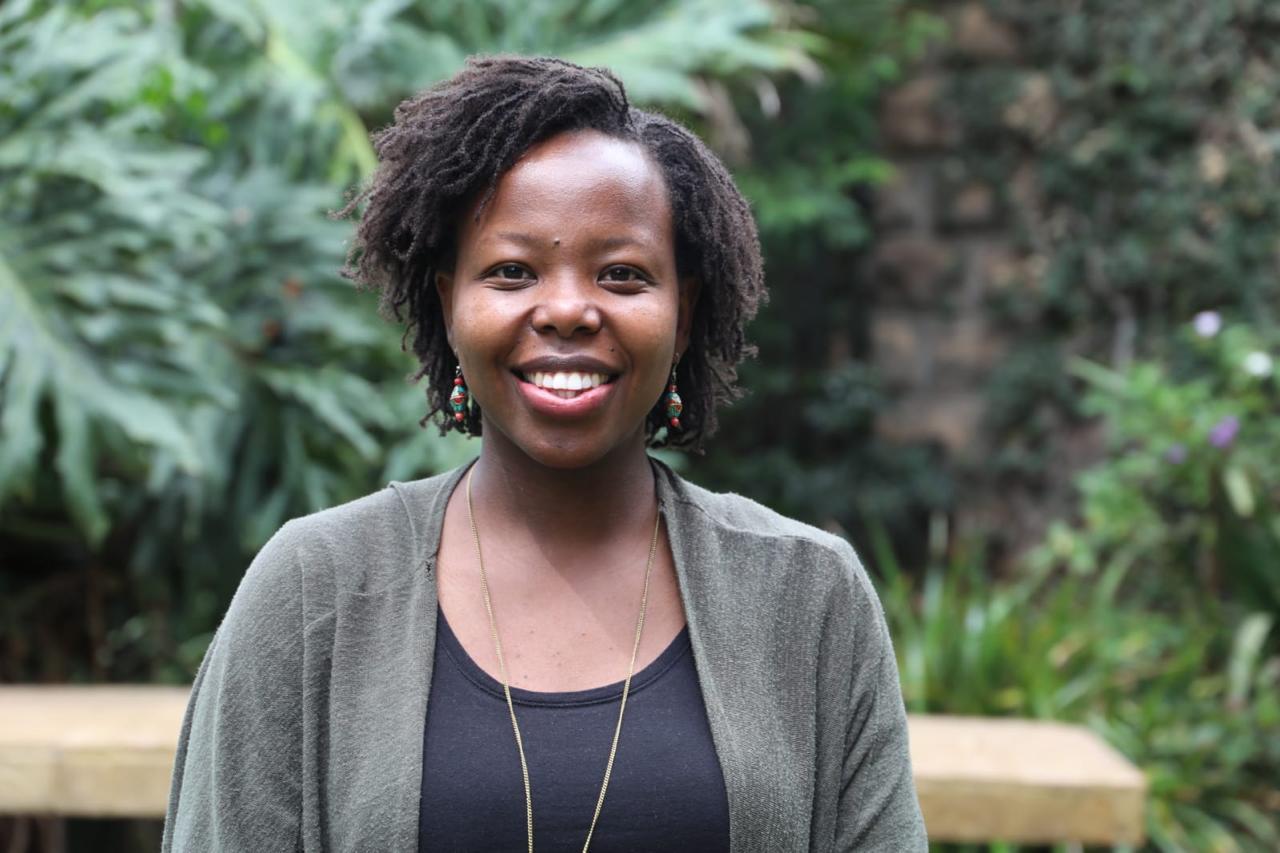
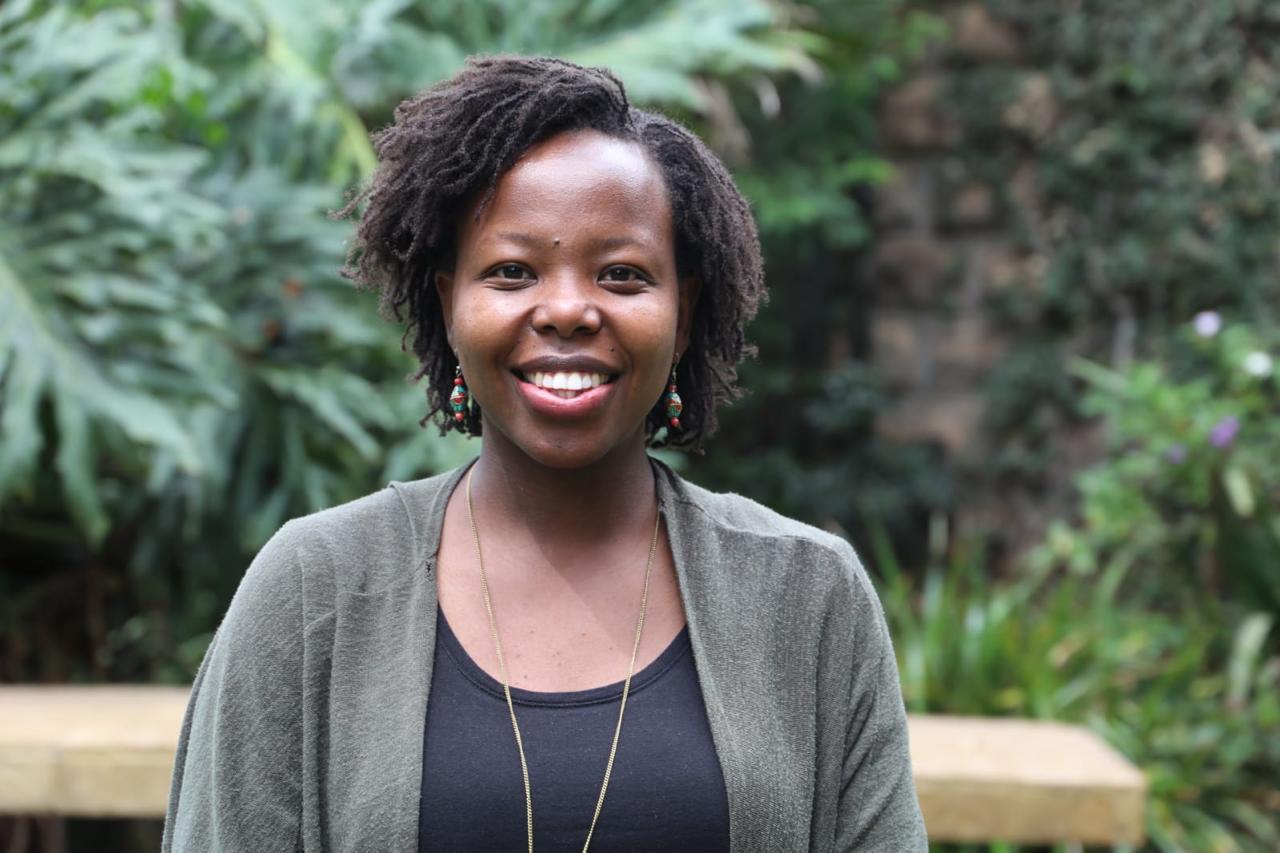
Naomi Mwangi is the Legal Advisor at Equality Now.