|
Getting your Trinity Audio player ready...
|
By Victoria Musimbi
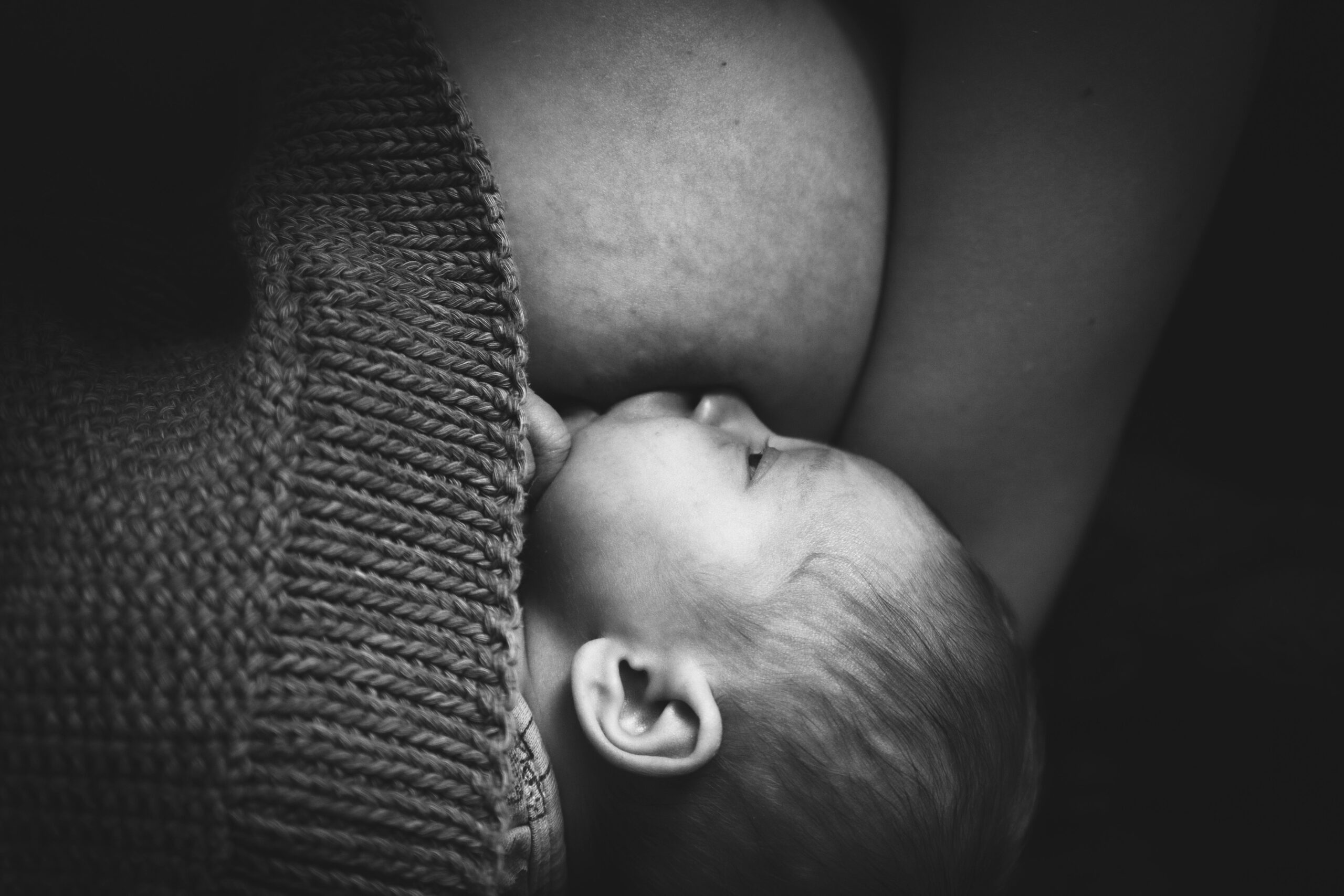
Nairobi, Kenya: Each year, thousands of babies in Kenya are born too soon, too small, or too sick to breastfeed from their mothers immediately after birth. For many of these infants, access to safe, donated human milk can mean the difference between life and death.
As the world prepares for World Breastfeeding Week 2026—themed “Breastfeeding for a Sustainable Start in Life: Strengthen What Works”—the country’s sole Human Milk Bank is emerging as a model for improving the survival of premature and vulnerable babies. The initiative is also shaping national efforts to expand access to donated breast milk.
At the heart of this effort is the Human Milk Bank at Pumwani Maternity Hospital, which health officials say has demonstrated life-saving potential and could transform neonatal care if replicated across the country.
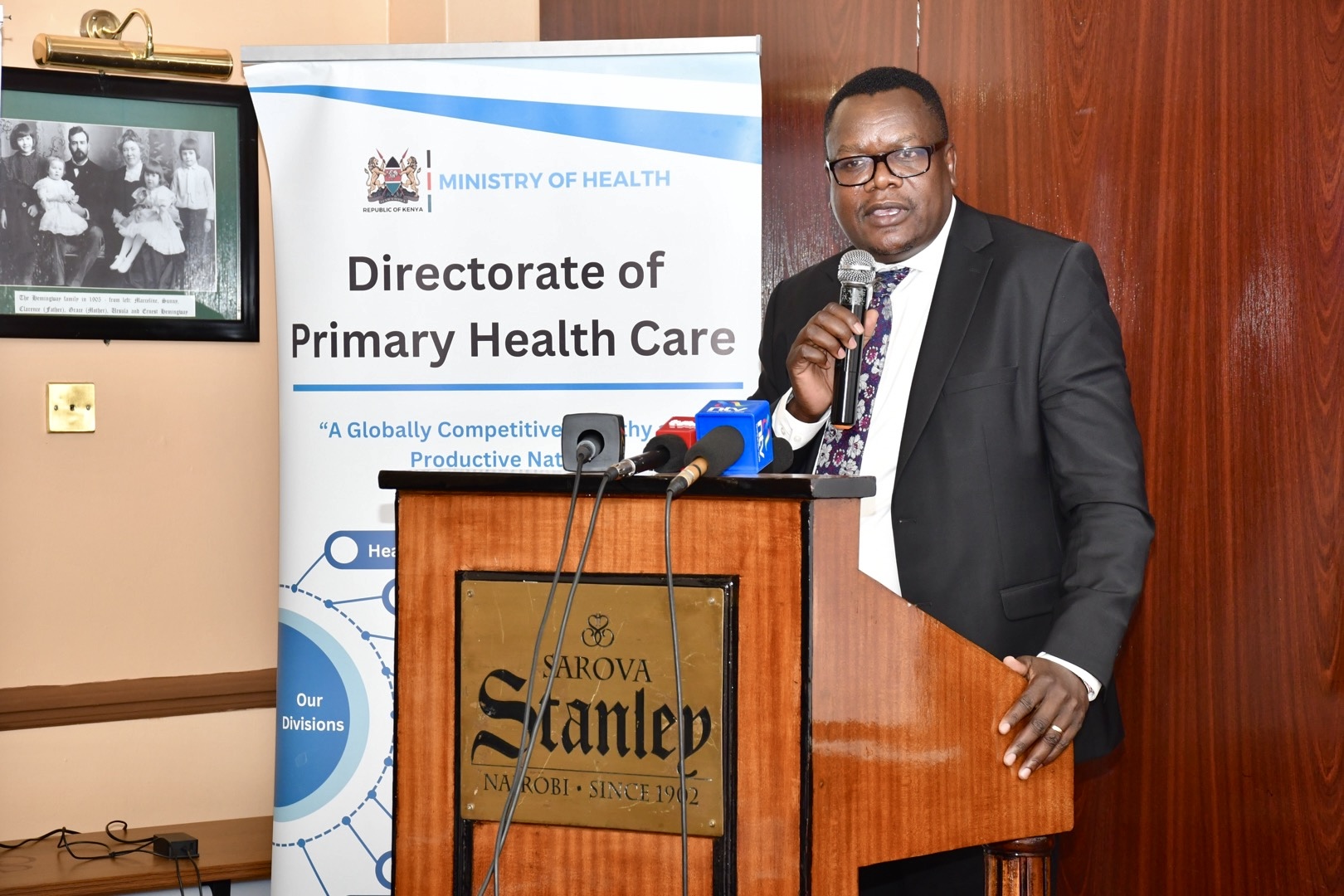
Purity Wahinya, a nutritionist with the Ministry of Health’s Division of Nutrition and Dietetics Services, noted that the Pumwani facility, established in 2019, was the first of its kind in Kenya and the wider East African region.
According to Wahinya, the facility began as a pilot project to generate local evidence on the feasibility and impact of donor human milk. Findings from the pilot, documented by the Africa Population and Health Research Center (APHRC), have informed national plans to scale up the initiative. Kenya has also supported Uganda in establishing its own milk bank and is providing technical assistance to Ethiopia as it develops a similar programme.
However, plans for a second facility have stalled due to funding constraints.
“We had planned to establish a second Human Milk Bank after securing funding, but because of global shifts in donor funding, that support was withdrawn, and we had to go back to the drawing board,” Wahinya said.
Before the funding was withdrawn, the Ministry of Health had carried out baseline assessments at Mama Lucy Kibaki Hospital, Mbagathi Hospital, and Kenyatta National Hospital, with Mbagathi identified as the preferred location for the next facility.
Despite operating as the country’s only milk bank, Pumwani continues to meet a critical need. The hospital records about 1,600 deliveries each month, with nearly 330 babies admitted to its neonatal unit—many of them premature or with low birth weight. It also runs a Kangaroo Mother Care unit, where mothers provide continuous skin-to-skin contact while establishing breastfeeding.
Wahinya explained that human milk feeding includes both a mother’s own milk and safely donated breast milk. Donor milk is collected from carefully screened mothers, pasteurised, stored, and provided to eligible infants whose mothers cannot breastfeed due to illness or other medical reasons.
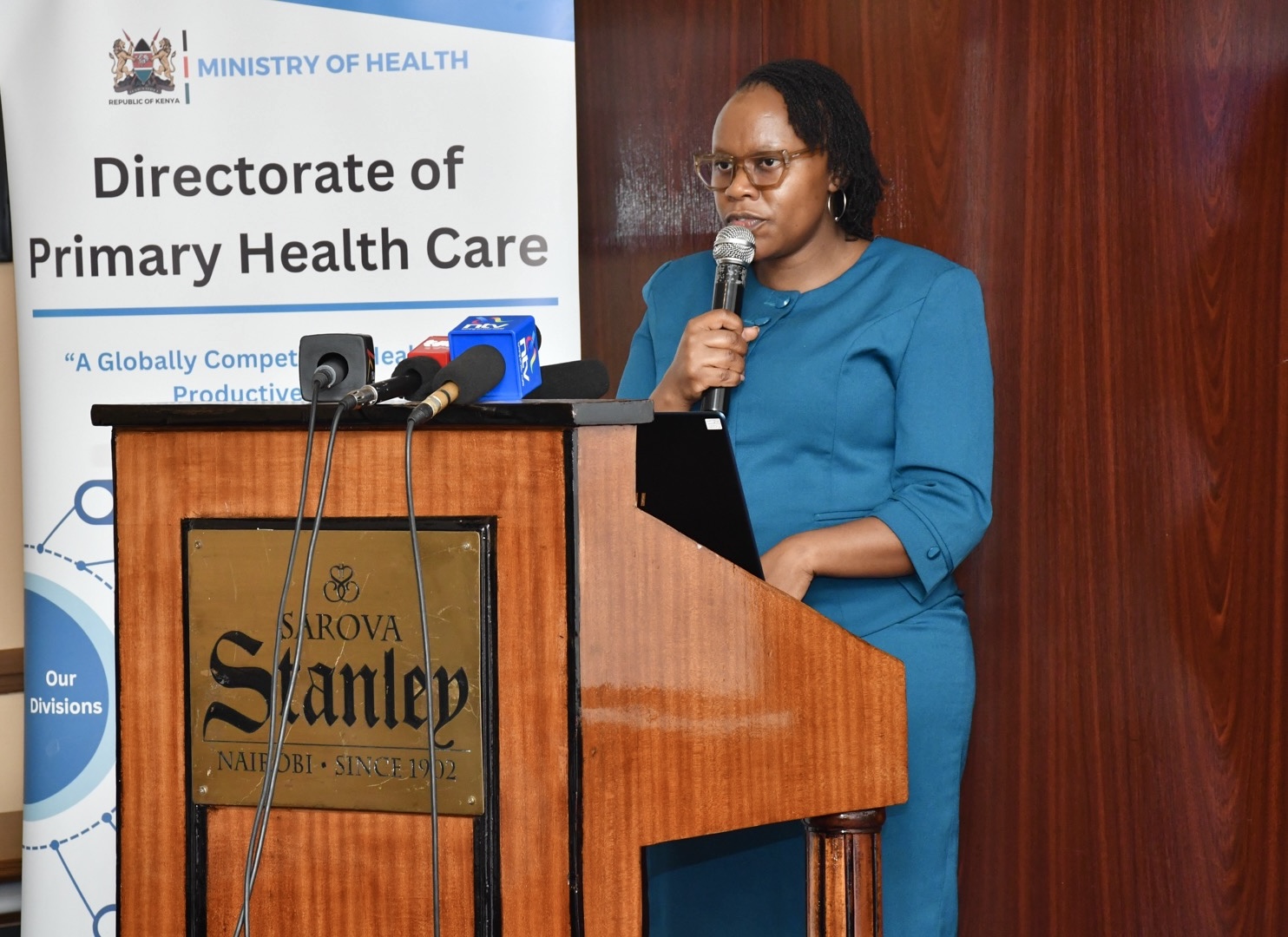
“An exclusive human milk diet significantly reduces complications such as necrotising enterocolitis, feeding intolerance, and infections. It also shortens hospital stays, improves neurological development, and gives small and sick newborns the best chance of survival,” she said.
She added that the World Health Organization recommends donor human milk as the next best option when a mother’s own milk is unavailable. The Ministry is also finalising a national Human Milk Banking Policy to guide expansion beyond Pumwani.
Supporting this position, Laura Kiige, speaking on behalf of UNICEF, said breastfeeding remains one of the most effective interventions for improving infant survival, particularly during the first month of life.
She noted that Kenya has made remarkable progress in exclusive breastfeeding, with rates increasing from 13.2 percent in 2003 to 60 percent in 2022. Over the same period, infant mortality declined from 77 deaths per 1,000 live births to 32 per 1,000 live births.
Even so, neonatal mortality has remained stubbornly high, falling only slightly from 22 deaths per 1,000 live births in 2014 to 21 per 1,000 live births in 2022.
Kiige explained that more than three-quarters of neonatal deaths occur within the first week of life, with the greatest risk during the first 24 to 48 hours. Initiating breastfeeding within the first hour gives babies colostrum—the antibody-rich first milk—which protects against life-threatening infections. Delaying breastfeeding by even a few hours, she noted, can significantly increase the risk of newborn death.
She described breast milk as a “living biological tissue” containing antibodies, immune cells, and growth factors that are especially critical for premature and low-birth-weight infants.
Despite progress, Kiige pointed out that Kenya still has only one operational milk bank, leaving many vulnerable babies without access to donor milk. She urged greater investment in human milk banking and neonatal nutrition services, and called on journalists to amplify accurate information about breastfeeding while exposing the illegal marketing of breast milk substitutes.
“Let us tell stories that save lives, strengthen what works, and ensure every newborn in Kenya gets the healthiest possible start in life,” she said.
Reaffirming the government’s commitment to improving maternal and newborn health, Dr. Joel Gondi, Director of Primary Healthcare Services at the Ministry of Health, said breastfeeding and nutrition remain central to achieving better health outcomes.
He observed that misinformation and structural barriers continue to prevent many mothers from exclusively breastfeeding, despite overwhelming evidence of its benefits.
“We need to improve how we communicate, strengthen the skills of healthcare providers—from community health promoters to doctors, nurses, and midwives—and scale up successful training programmes,” he said.
Dr. Gondi added that the government’s commitment to Universal Health Coverage places nutrition at the centre of preventive and promotive healthcare, as maternal nutrition, breastfeeding, and newborn survival are closely linked.
He said initiatives such as Every Woman, Every Newborn, Everywhere are helping strengthen maternal and newborn care while reinforcing proven interventions such as early initiation and exclusive breastfeeding.
He acknowledged that Kenya has made encouraging progress, with early initiation of breastfeeding within the first hour and exclusive breastfeeding both standing at about 60 percent. However, he stressed that sustained investment and collaboration are needed to accelerate further gains.
As the country prepares for the national World Breastfeeding Week celebrations in Murang’a County, Dr. Gondi called on the media to highlight successful county initiatives, workplace breastfeeding support, and community programmes that enable mothers to breastfeed effectively.
“Together, by strengthening what works and investing in proven interventions, we can ensure every mother receives the support she needs, and every child gets the healthiest possible start in life,” he said.