|
Getting your Trinity Audio player ready...
|
By Melisa Mong’ina
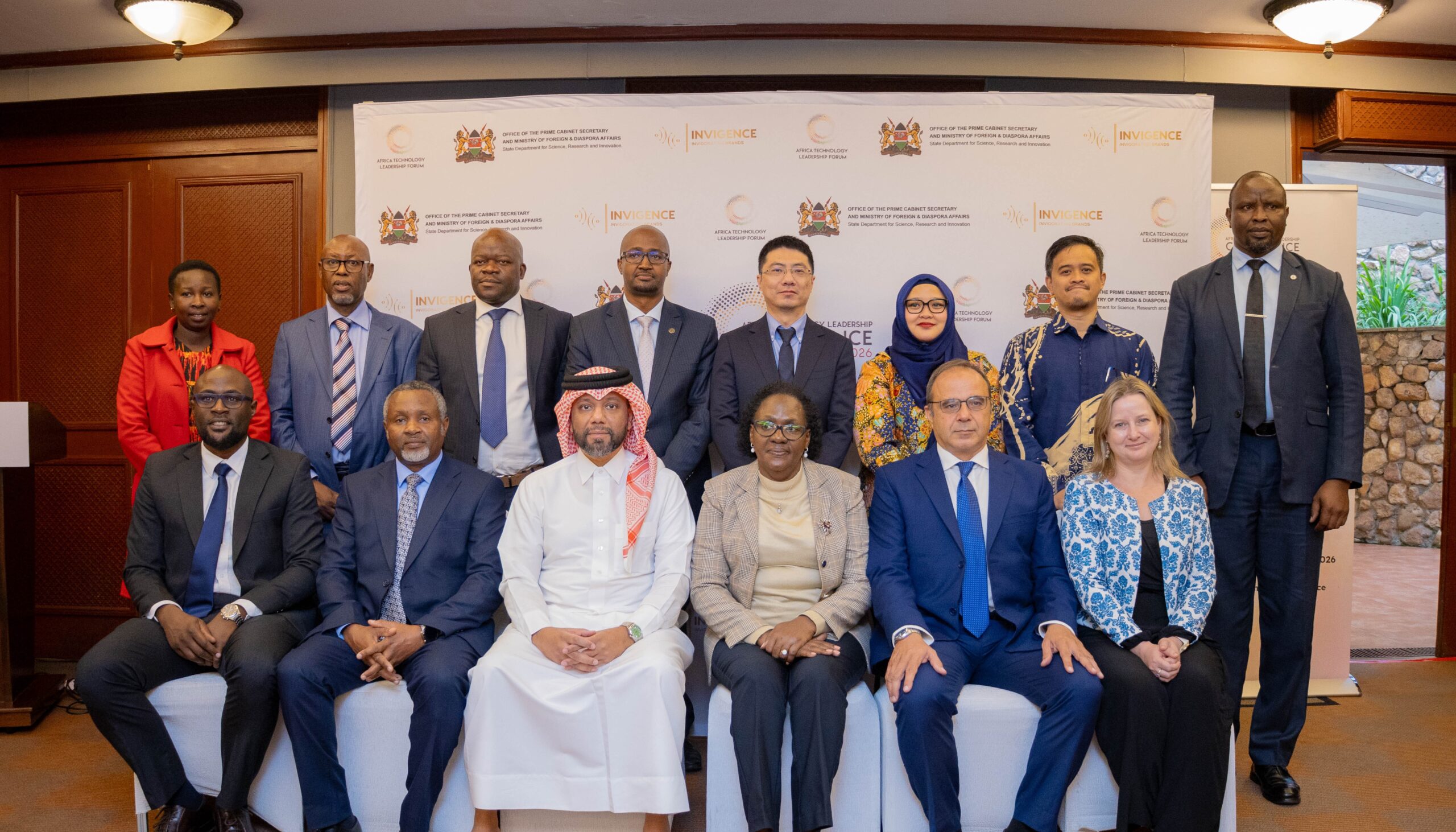
Nairobi, Kenya: Kenya has officially launched the Africa Technology Leadership Conference (ATLC) 2026, positioning the country at the centre of efforts to strengthen Africa’s leadership in science, research, innovation and technology diplomacy.
The conference, unveiled on Tuesday 21 July, will take place on October 22-23, 2026, in Nairobi and is expected to bring together more than 3,500 decision-makers, including government leaders, diplomats, researchers, investors, innovators and private sector executives.
According to Principal Secretary for the State Department for Science, Research and Innovation Prof. Shaukat Abdulrazak the conference comes at a critical time when Africa must shift from discussing technology ambitions to implementing solutions that deliver economic growth and global influence.
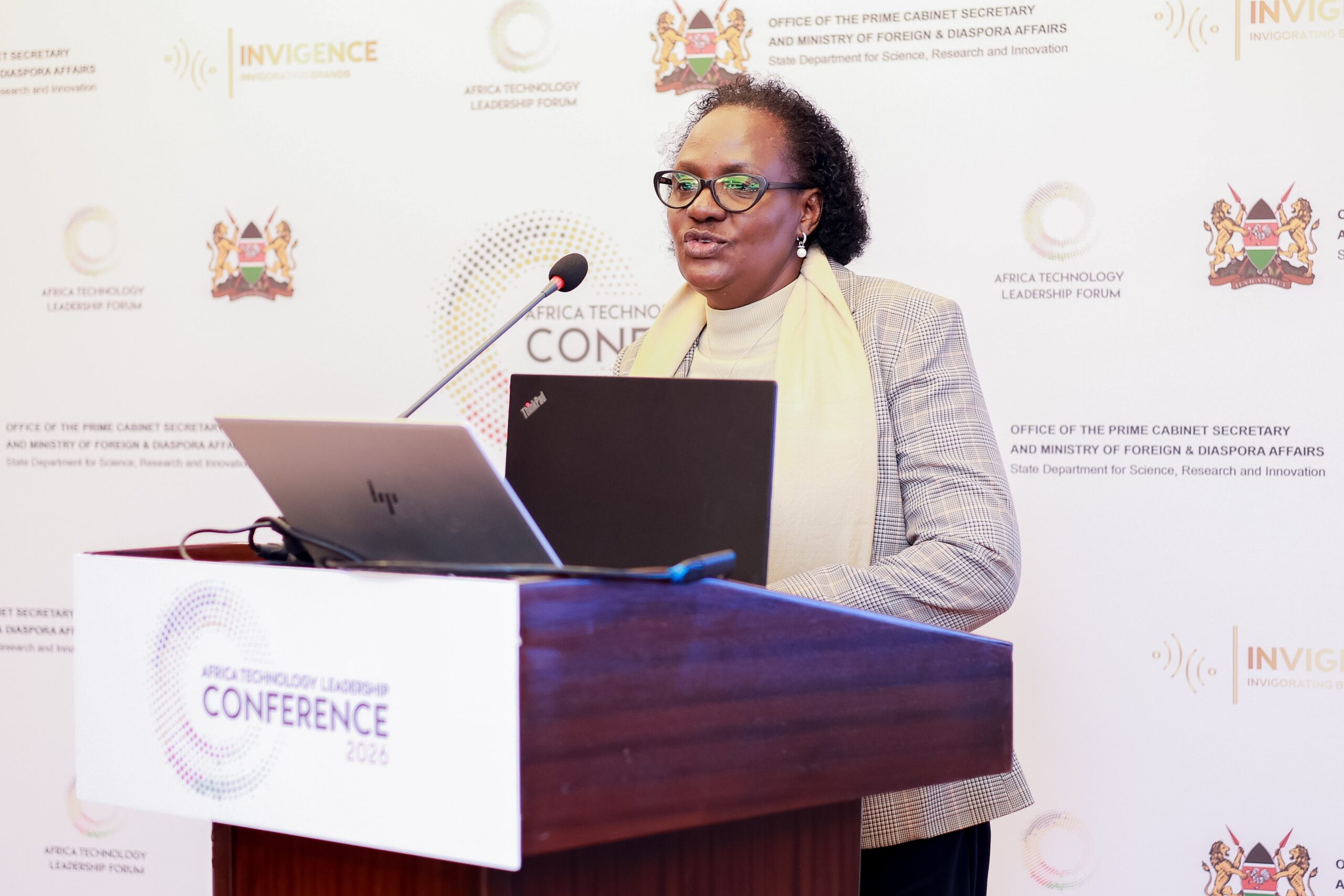
“This is not merely another technology conference. It is a leadership and decision-making platform organised around one defining question: How does Africa convert its science, research and technology ambitions into sustained economic, diplomatic and strategic advantage?” he said in a speech read on his behalf by Stella Lang’at, Secretary Administration at the department during the launch of the Africa Technology Leadership Conference (ATLC) 2026 in Nairobi, Kenya.
He stated that the conference will serve as a platform for governments, academia, industry, investors and development partners to strengthen collaboration, commercialise research and promote technology-driven development across the continent.
Prof. Abdulrazak pointed to Africa’s low investment in research and development as one of the continent’s biggest challenges. Citing UNESCO statistics, he noted that Sub-Saharan Africa spends only 0.38% of its Gross Domestic Product on research and development compared with the global average of 1.92%. The region also has just 88 researchers per million people, compared with more than 4,300 researchers per million people in Europe and North America.
“These are not merely differences in statistics,” he added. “They represent differences in our capacity to generate knowledge, develop medicines, improve agricultural productivity, design advanced technologies, strengthen industries and respond to emergencies.”
He further said Africa must move beyond being a consumer of imported technologies to becoming a creator and exporter of home-grown innovations.
“We must become creators, producers, owners and exporters of technology. We must move from consuming knowledge to generating it, from exporting raw data to creating value from it, and from importing finished technologies to developing and commercialising African solutions,” Prof. Abdulrazak said.
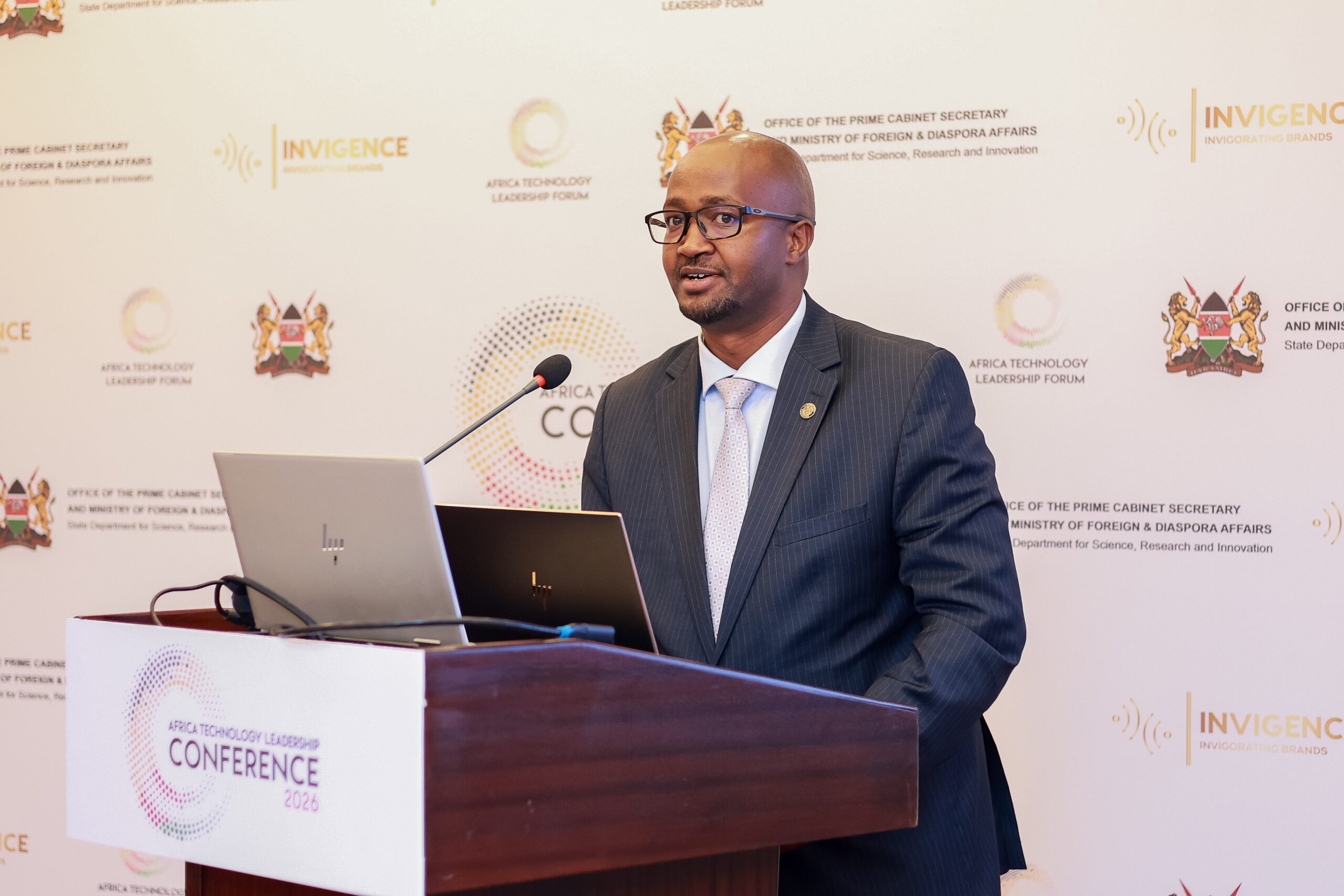
Speaking during the launch, Dr. Kenneth Rotich, Chief Executive Officer of INVIGENCE Ltd, said the conference is intended to shift Africa from discussing technology ambitions to developing practical solutions through science, research and innovation.
“Here is the beginning of Africa’s true conversation on how we leverage our institutional capabilities of science, research and innovation to drive practical solutions to Africa’s developmental needs,” Dr. Rotich said.
He said Africa must move beyond being a consumer of technologies developed elsewhere and strengthen its capacity to develop and commercialise home-grown innovations.
“There are still net consumers of everything, from finished industrial products to even innovations in technology. Unfortunately, the faces and brains behind those innovations are not people who understand our language, culture, beliefs, or even laws,” he said, adding that the conference seeks to help Africa move towards owning and developing its own innovations
Dr. Rotich also noted that global interest in Africa’s digital infrastructure is growing, particularly as demand for data centres increases.
“Data centres are moving towards Africa. How ready are we as institutions, as countries and as a continent to be home to the new world of data?” he noted.