|
Getting your Trinity Audio player ready...
|
Calister Bonareri
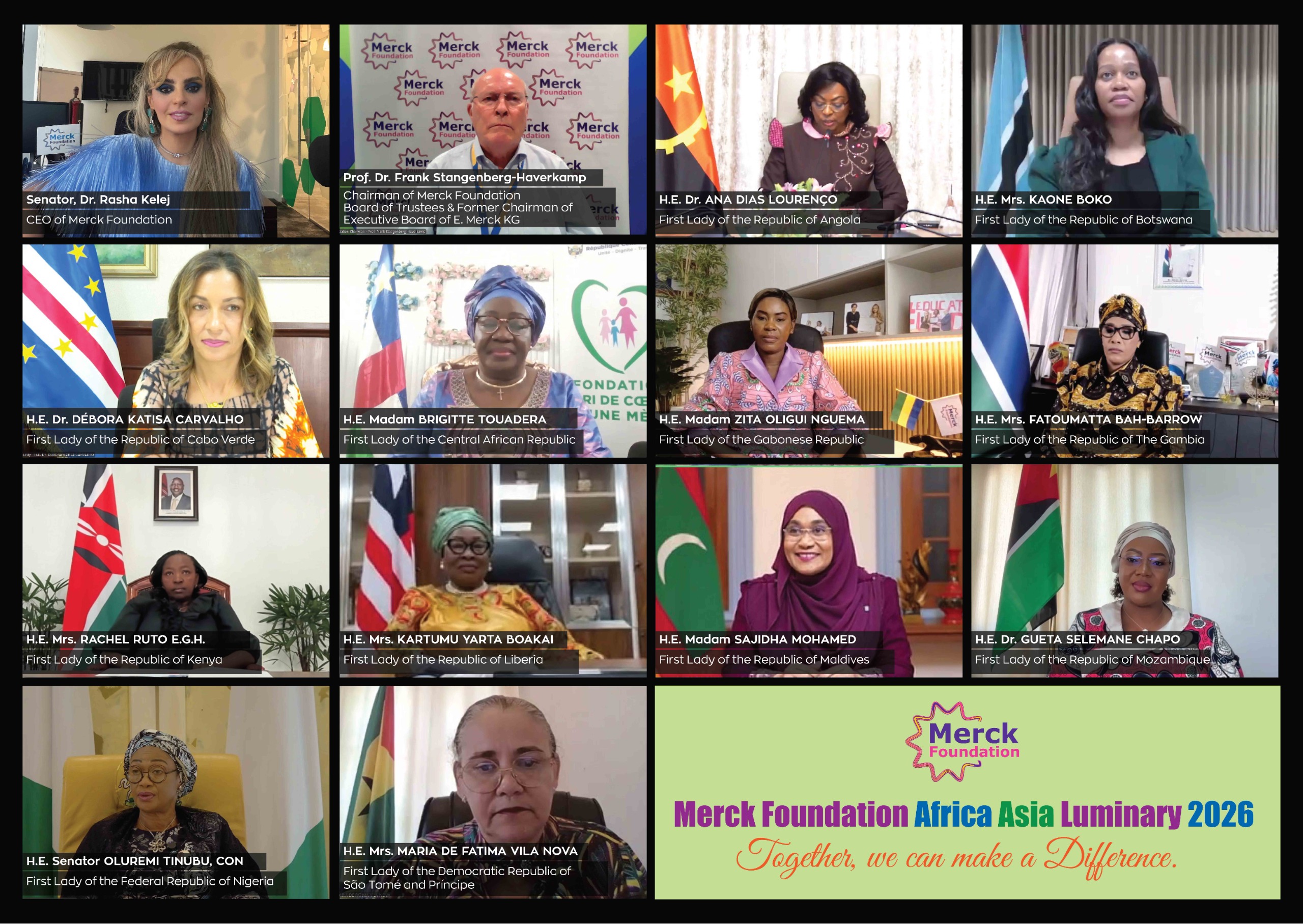
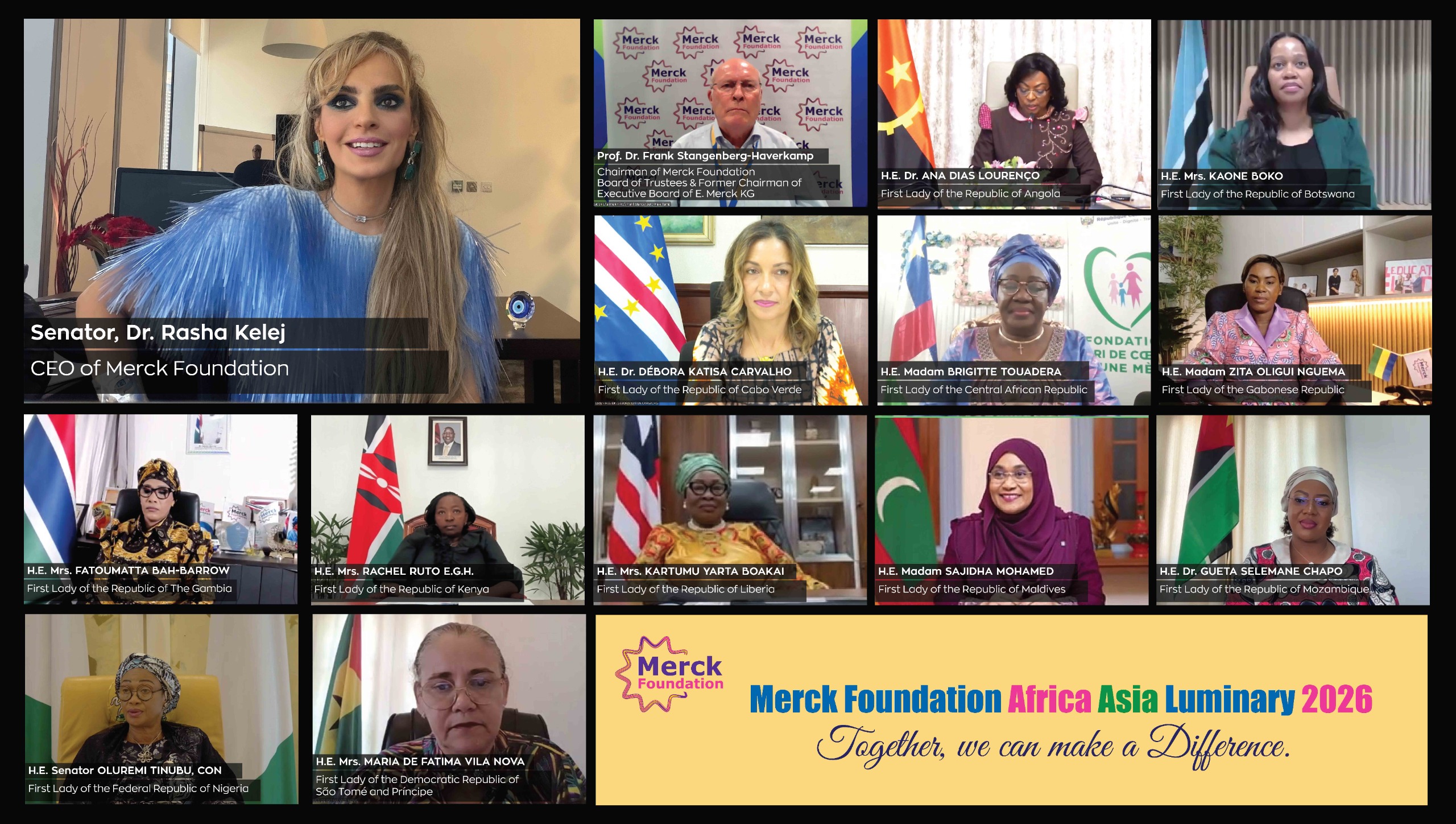
NAIROBI. When First Lady Rachel Ruto logged onto a videoconference last Thursday alongside eleven other African and Asian first ladies, she joined what has quietly become one of the continent’s most consequential—yet under-the-radar—health diplomacy gatherings. The 13th Merck Foundation Africa Asia Luminary, held on June 18th and 19th, brought together the spouses of heads of state from Angola, Botswana, Cabo Verde, the Central African Republic, Gabon, The Gambia, Liberia, Maldives, Mozambique, Nigeria, São Tomé and Príncipe, and Kenya. Notably, all served as guests of honor and keynote speakers, moving beyond ceremonial roles to actively shape the dialogue.
For Kenya, the timing carries particular weight. The conference fell during World Infertility Awareness Month, and Mrs. Ruto’s participation aligns her with ambassadors of the Merck Foundation’s “More Than a Mother” campaign. This initiative tackles a deeply stigmatized issue in many Kenyan communities, where childlessness often invites whispered judgment rather than medical understanding.
This year’s Luminary, however, is far more than a diplomatic photo op. Dr. Rasha Kelej, CEO of the Merck Foundation, announced that the organization has provided over 2,600 scholarships for healthcare providers from 52 countries across 44 critical and underserved specialties. More than 800 of these scholarships are specifically in fertility, embryology, sexual and reproductive medicine, clinical psychiatry, women’s health, Urology, laparoscopic surgical skills, and family medicine—fields where Kenya, like much of the region, has historically faced acute specialist shortages.
Kelej noted that many alumni have become the first specialists of their kind in their home countries—a detail that resonates locally, given how often Kenyan patients with complex fertility or oncology needs have had to travel to Nairobi’s few specialist centers, or abroad, for care that was unavailable regionally just a decade ago.
The foundation’s broader footprint is considerable. Globally, the initiative now operates 15 social media channels with over 9 million followers and has trained more than 4,000 media representatives from over 42 countries to report more responsibly on sensitive health and social issues, with stigma around infertility chief among them. The foundation also funds more than 1,550 annual scholarships for African schoolgirls across 21 countries, covering tuition as well as essentials like books, uniforms, and transport—factors that often determine whether a girl completes her education.
Day one of the proceedings drew over 800 participants from 57 English, French, and Portuguese-speaking countries, with the livestream reaching more than 220,000 social media viewers. Day two pivots from symbolism to substance, with parallel scientific sessions on oncology and fertility—the kind of closed-door clinical exchanges that rarely make headlines but tend to shape ground-level protocols in the months that follow.
It would be easy to read Mrs. Ruto’s appearance as a routine diplomatic duty, but her presence—and Kenya’s—signals a deeper engagement with a continental health agenda that is increasingly moving from awareness to action.