|
Getting your Trinity Audio player ready...
|
By Victoria Musimbi
NAIROBI —In Kenya, according to the National Council for Persons with Disabilities (NCPWD), 615,515 persons with disabilities had been registered as of June 2024, with physical disabilities accounting for the largest share at 42.6%. Yet for too long, media coverage has reduced the lives of this vast community to stories of charity and personal adversity.
An estimated 1.3 billion people worldwide — about 16% of the global population — live with significant disability, and they face a mortality rate two to three times higher than non-disabled people, often from preventable conditions and unequal access to healthcare.
The Kenya Editors Guild (KEG) and NCPWD are now pushing for a fundamental shift: treating disability as a human rights issue, not a welfare concern.
A Fundamental Shift in Framing
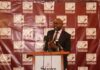
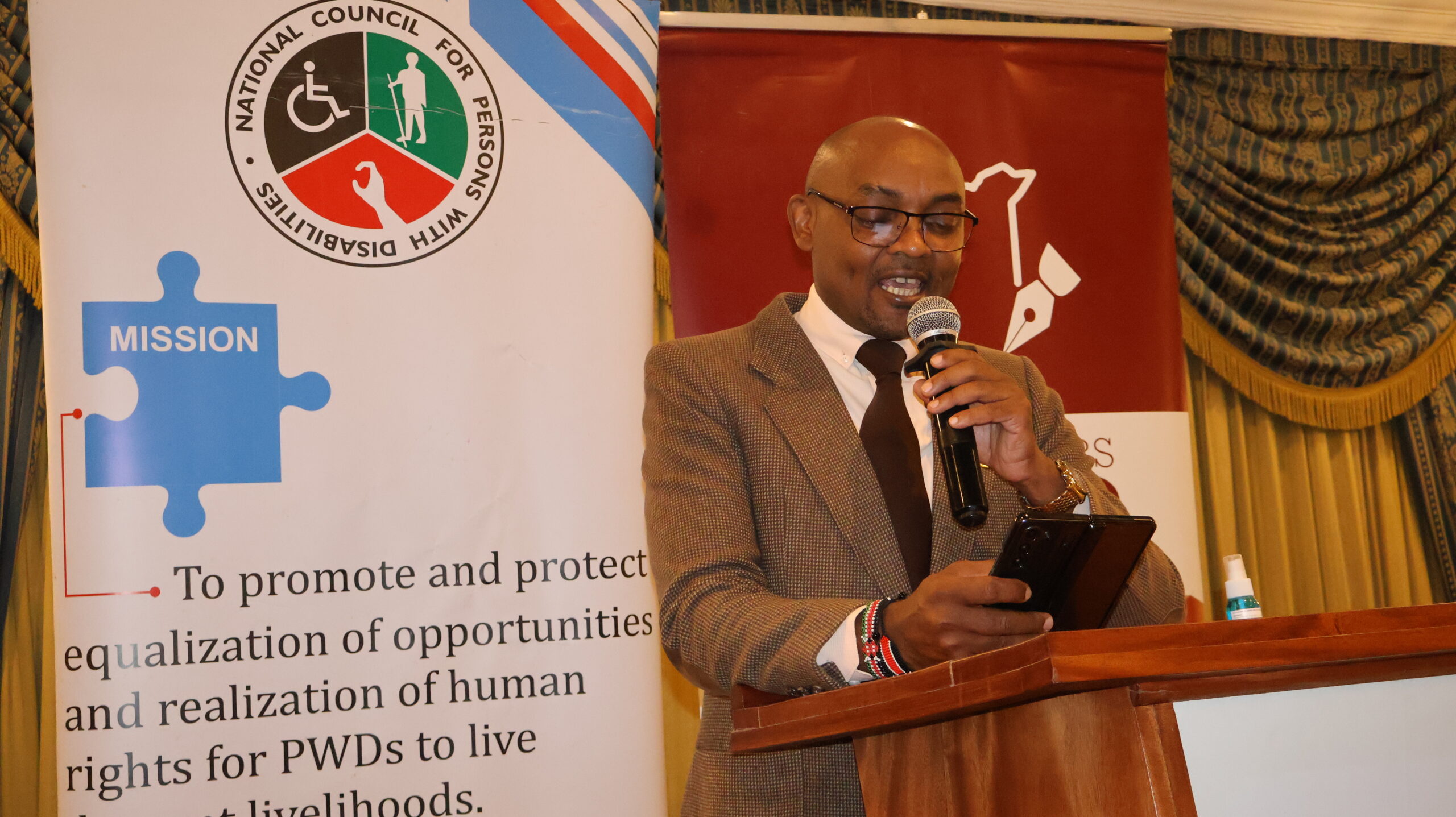
“Look at persons with disabilities’ issues as human rights issues. The way you cover human rights issues is the same way you should cover PWD issues,” Francis Mutegi, a member of the Kenya Editors Guild, told journalists at a recent advocacy event.
Mutegi warned against presenting the achievements of persons with disabilities as extraordinary simply because of their disability. “Do not overemphasise my achievements as a person with a disability. Emphasise my ability and what I have done,” he said, noting that such framing can overshadow actual accomplishments.
He urged journalists to broaden their coverage beyond stories of street begging, charity and institutional care to include people’s businesses, careers and professional contributions. Central to this approach, he said, is allowing people to speak for themselves rather than relying on others to explain their experiences.
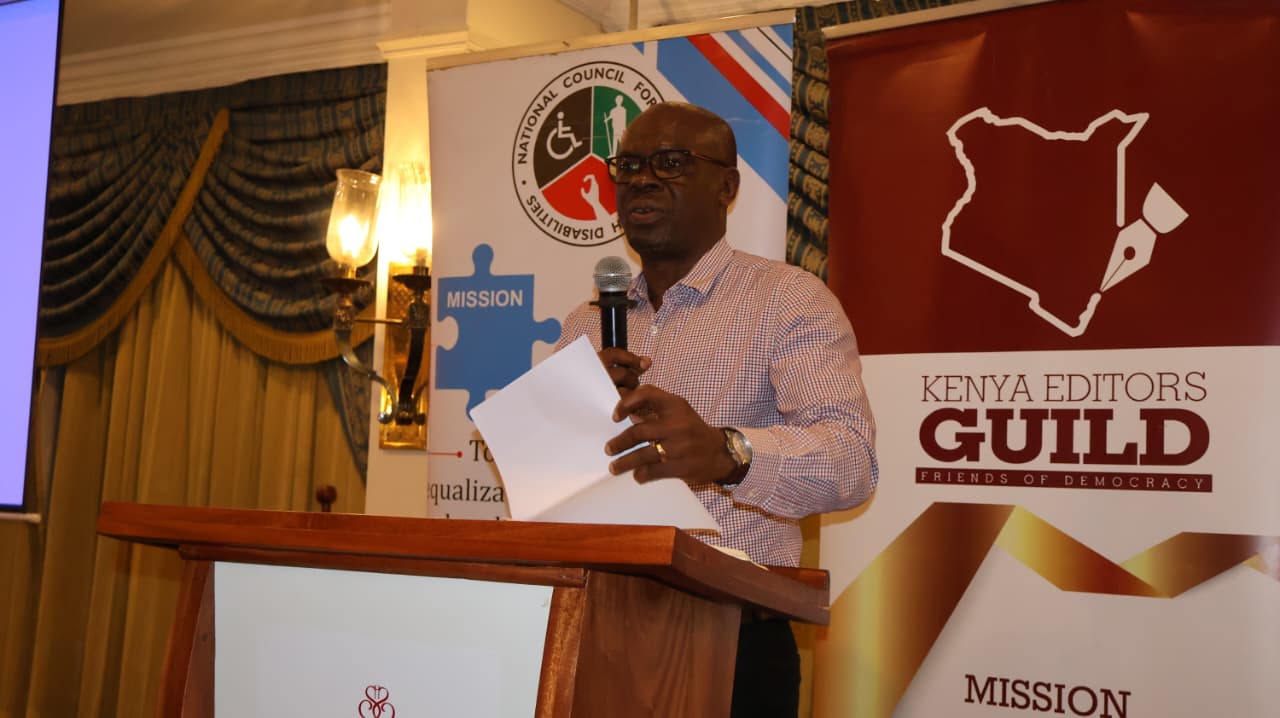
Speaking on behalf of the Guild President, Francis Openda highlighted the media’s critical role in advancing disability rights, awareness and inclusion in Kenya.
Openda noted how Section 81 of the Persons with Disabilities Act, which came into operation in 2025, requires television and radio stations to dedicate at least one hour of free airtime every month to public education on disability issues. The Act also directs the Council to coordinate at least one column in print media.
“Our responsibility as media practitioners must go beyond fulfilling a legal obligation. We should not do this simply because the law requires it, but because disability inclusion should be part of our everyday lives and national consciousness,” he said.
He noted that disability coverage has often centred on charity, such as politicians donating shoes or wheelchairs at special schools, while the everyday experiences, aspirations and achievements of persons with disabilities receive less attention.
“Disability inclusion is not simply a welfare issue. It is a question of rights, dignity, equality, representation and opportunity,” he said.
He challenged editors to include the perspectives of persons with disabilities in coverage of the national budget, physical planning, education, healthcare, employment and economic development. He also urged media houses to check whether their content is accessible to audiences with different disabilities and whether their newsrooms are diverse and inclusive.
Ahead of the 2027 General Election, he said, persons with disabilities must be visible in political coverage, their concerns given meaningful attention, and election information made accessible to all citizens.
Openda said the media and the Council should form a practical partnership that gives newsrooms relevant content, access to disability experts and representative organisations, an editorial calendar, technical guidance on accessibility, and training for journalists.
He stressed that the arrangement must respect editorial independence and allow journalists to scrutinise institutions.
“Our responsibility is not simply to amplify institutional messages, but also to ask difficult questions and hold public and private institutions accountable,” he said.
He urged journalists to investigate whether funds allocated to persons with disabilities reach the intended beneficiaries, saying such scrutiny promotes transparency and accountability.
Openda called for an implementation roadmap, practical arrangements for broadcast and print content, capacity-building support and a mechanism for sustained collaboration.
“The goal is not simply to produce more disability coverage. We are looking for quality content that promotes meaningful representation, challenges stereotypes, informs the public and reflects the lived experiences, abilities and contributions of persons with disabilities,” he said.
Systemic Change in the Newsroom
Linda Bach, chief executive officer of the Kenya Editors Guild, said improving disability reporting requires changes in editorial priorities and newsroom practices, rather than coverage limited to particular days or charitable initiatives.
“For far too long, disability reporting has often been confined to commemorative days, charitable initiatives and stories of personal adversity,” she said.
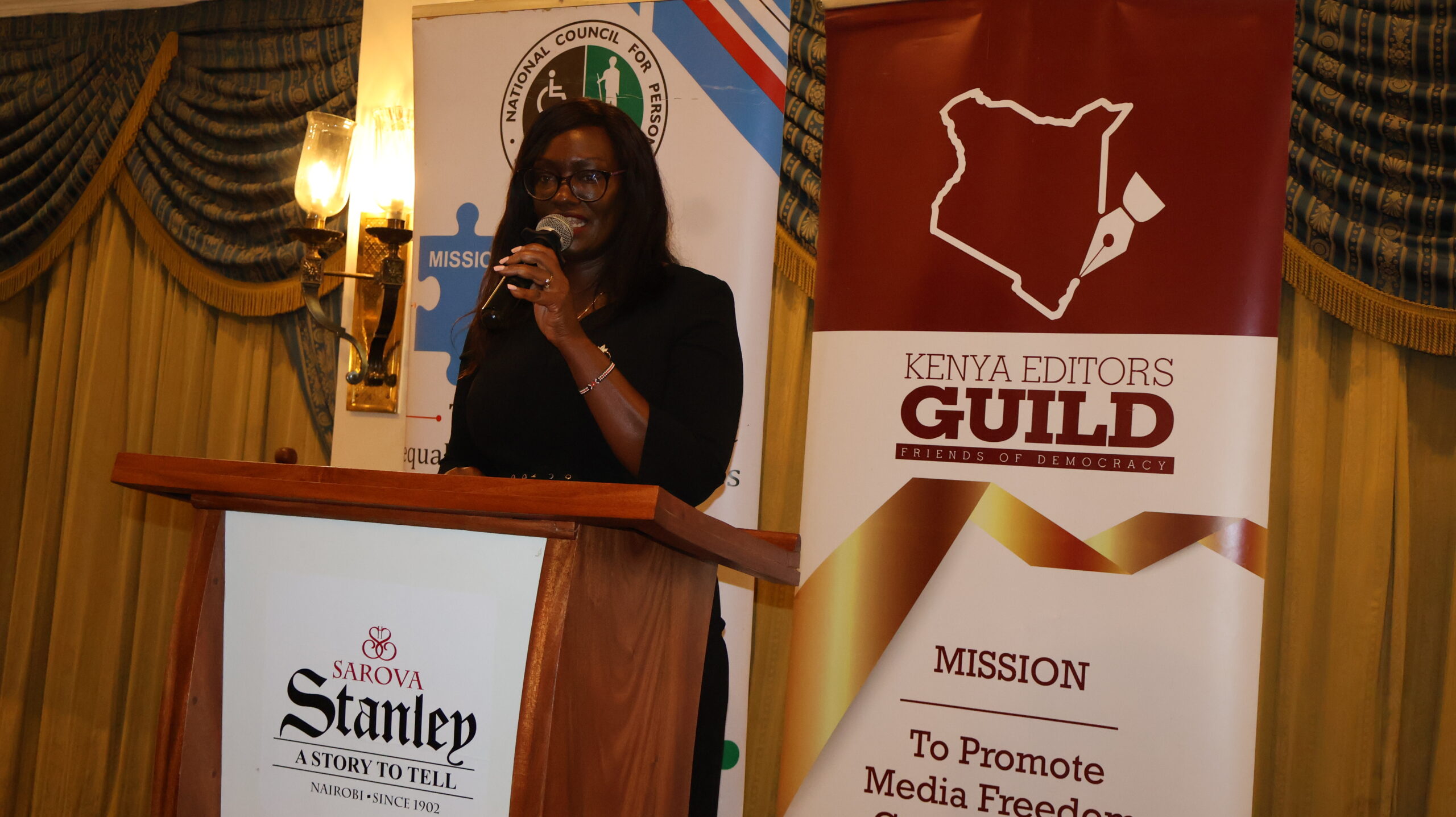
Bach stressed that inclusion is about rights, equality and opportunity — not simply assistance. “Disability inclusion is not simply a welfare issue. It is a question of rights, dignity, equality, representation and opportunity. It is, fundamentally, a diversity and inclusion imperative,” she said.
She challenged editors to assess whether persons with disabilities appear in news reports as experts, professionals and decision-makers, and whether media content and newsroom environments are accessible and inclusive. Bach said disability should be integrated into coverage of governance, education, healthcare, employment, technology and economic development. As Kenya prepares for the 2027 General Election, she also called for greater visibility in political reporting and accessible election information.
Legal Obligations and Practical Pathways
Section 81 of the Persons with Disabilities Act, 2025, requires television and radio stations to dedicate at least one hour of free airtime each month to educating the public on disability issues. It also mandates NCPWD to coordinate the production of at least one disability-focused print media column monthly.
Duncan Chengo, director of the National Council for Persons with Disabilities, said the next step was to translate these legal requirements into workable arrangements for media organisations. “Our objective is to move from awareness of the legal obligations to a shared understanding of how they will work in practice, from content planning and production to publication, broadcasting and coordination,” Chengo said.
He acknowledged that implementation must account for the technical, financial and operational realities facing media organisations while respecting editorial independence and professional standards. Chengo said the Council and the Guild needed a partnership framework identifying priority activities, each institution’s responsibilities, timelines and ways to monitor progress and address gaps.
“The success of this initiative will not be measured by the number of meetings held, but by tangible change — that is, more consistent and accurate disability coverage, stronger representation of persons with disabilities, improved newsroom practices and reporting that contributes to greater inclusion,” he said.
World Health Organization (WHO) data reveals the systemic inequalities facing persons with disabilities: they are up to six times more likely to encounter barriers in accessing healthcare, and up to 15 times more likely to face difficulties with transport accessibility and affordability. They are also two to four times more likely to develop non-communicable diseases such as cardiovascular disease, diabetes, depression and chronic respiratory conditions.
In Kenya, the United Nations Development Programme’s 2025 disability inclusion report shows that while the poverty rate among persons with disabilities fell from 45.7% in 2019 to 38% in 2023, it remains significantly above the national average of 30%. The average wage for persons with disabilities stands at KSh 491,031 — 44.7% below the national average of KSh 888,743. Labour force participation is just 41%, and an estimated KSh 60.56 billion in added value was lost between 2019 and 2023 by excluding 59% of the disabled workforce.
These figures reinforce the core argument made by Mutegi and Bach: disability is not a personal tragedy but a systemic issue of social exclusion and denied rights. Changing the framing of coverage is where that change begins.