
|
Getting your Trinity Audio player ready...
|
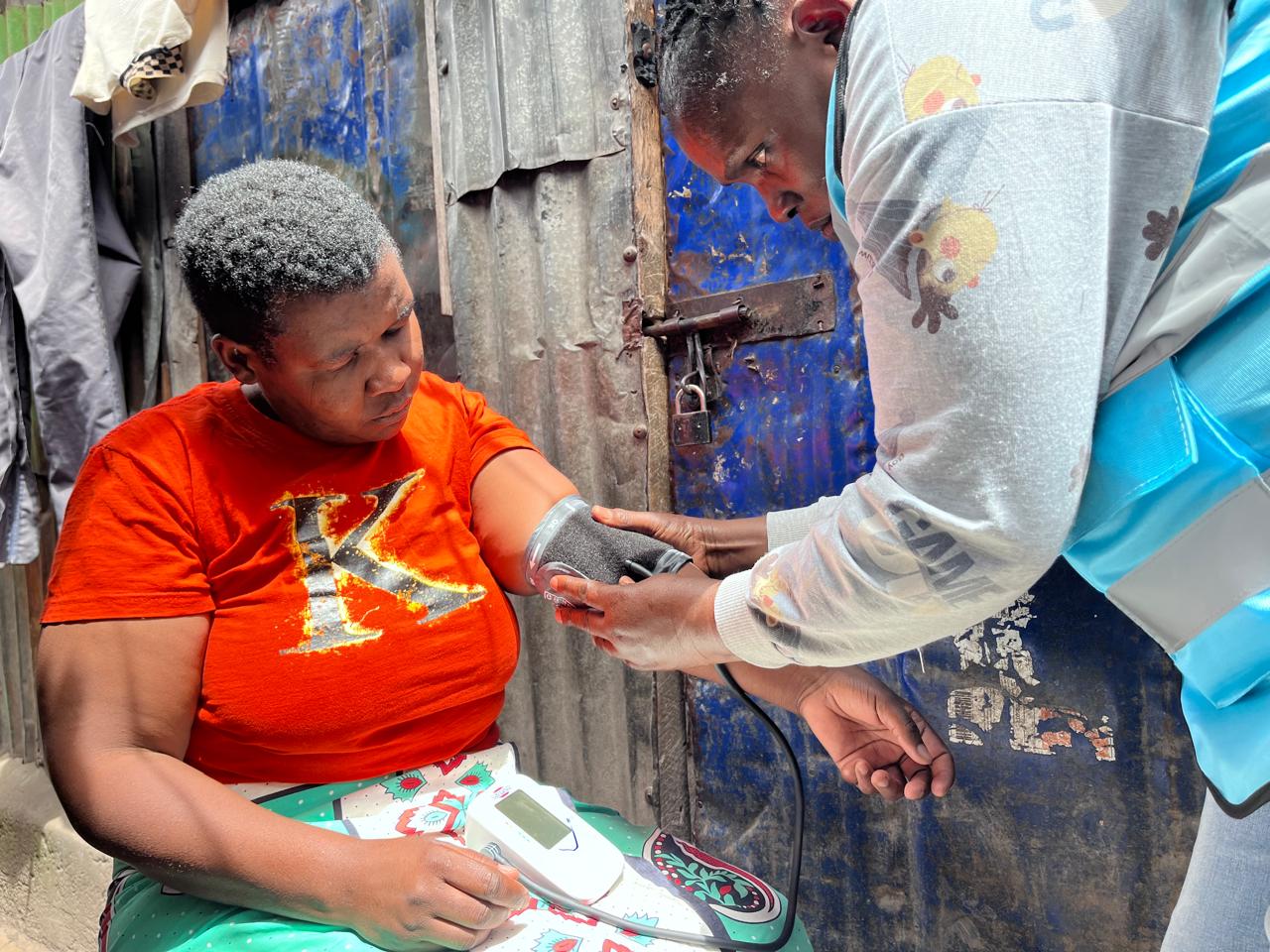
Viwandani, Kenya: It is midmorning on a Thursday in Viwandani, one of Nairobi’s densely populated informal settlements, and we accompany Veronika Muthengi, a community health promoter (CHP), on a household visit.
She is expected to visit 100 households over three months, checking on families, monitoring their health and connecting those who need medical attention to health facilities. On this day, she visits Bendatta Mwelu to follow up on her child, who has been hospitalized after being diagnosed with meningitis.
As Muthengi checks on the family, she listens to their concerns, learns about their struggles, and offers guidance on the next steps towards getting care. But when she leaves, the family’s troubles do not always leave with her.
Muthengi carries the stories of illness, hunger, and hardship she encounters in the homes she visits. Sometimes, the suffering stays with her long after the working day ends. Some days, the emotional weight is so heavy that she returns home unable to eat.
“When I start eating, I remember that family and how difficult things are for them. I feel sad because I have not been able to give them anything to eat,” says Muthengi.
Her experience reflects a wider challenge facing Kenya’s community health promoters, who connect households to essential health services while managing their own financial pressures, demanding workloads and emotional strain.
A policy brief from the Strengthening Health Systems by Addressing Community Health Workers’ Mental Wellbeing and Agency (SHINE) study, released in April 2026, highlights the mental health challenges facing these frontline workers, particularly those serving Nairobi’s informal settlements, where poverty and limited access to essential services can make household visits emotionally demanding.
Researchers surveyed 1,236 community health promoters in Nairobi and Kiambu counties between 2023 and 2025, alongside interviews and group discussions. Their findings raise concerns about the wellbeing of a workforce central to Kenya’s ambition to achieve universal health coverage.
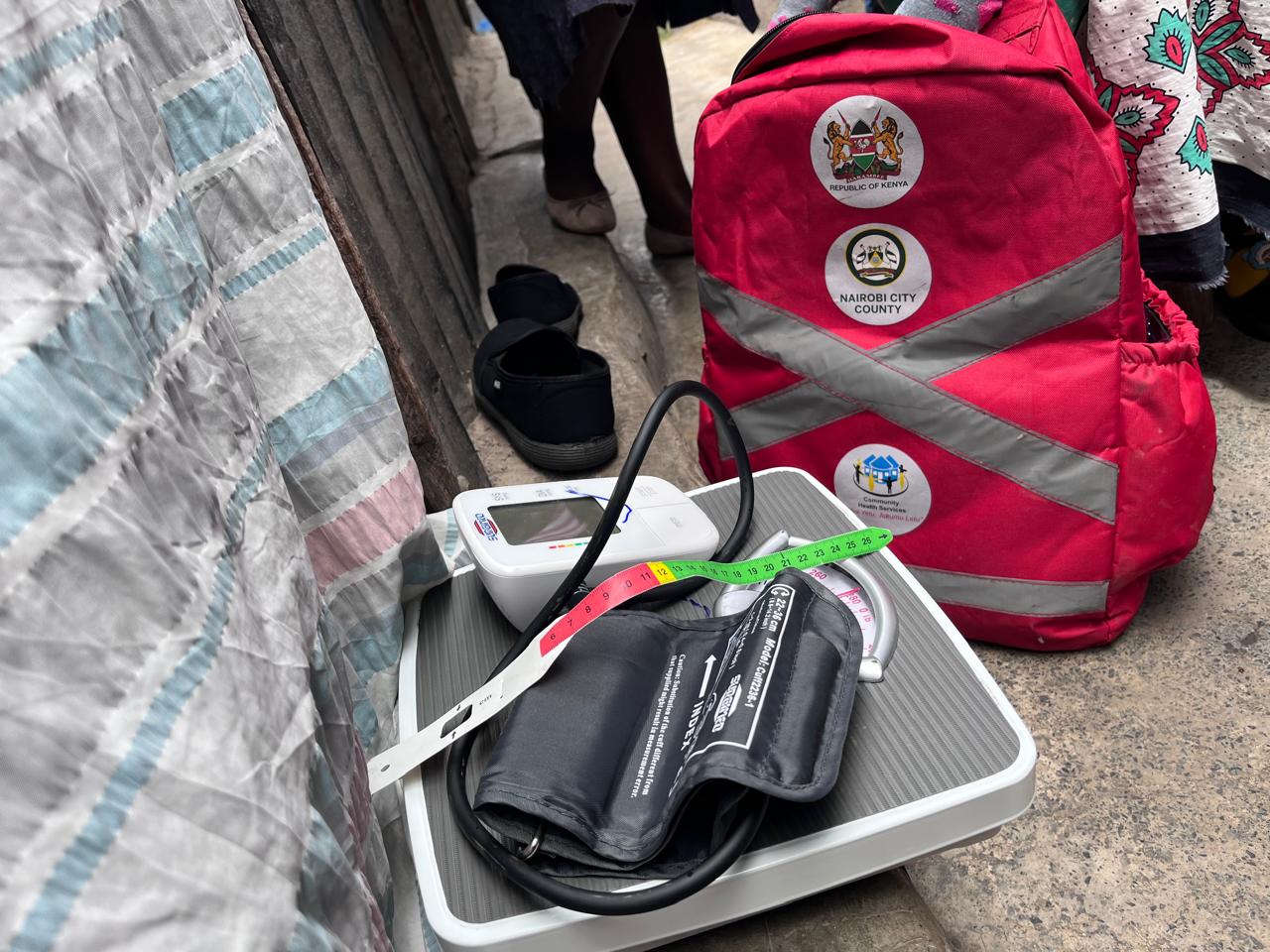
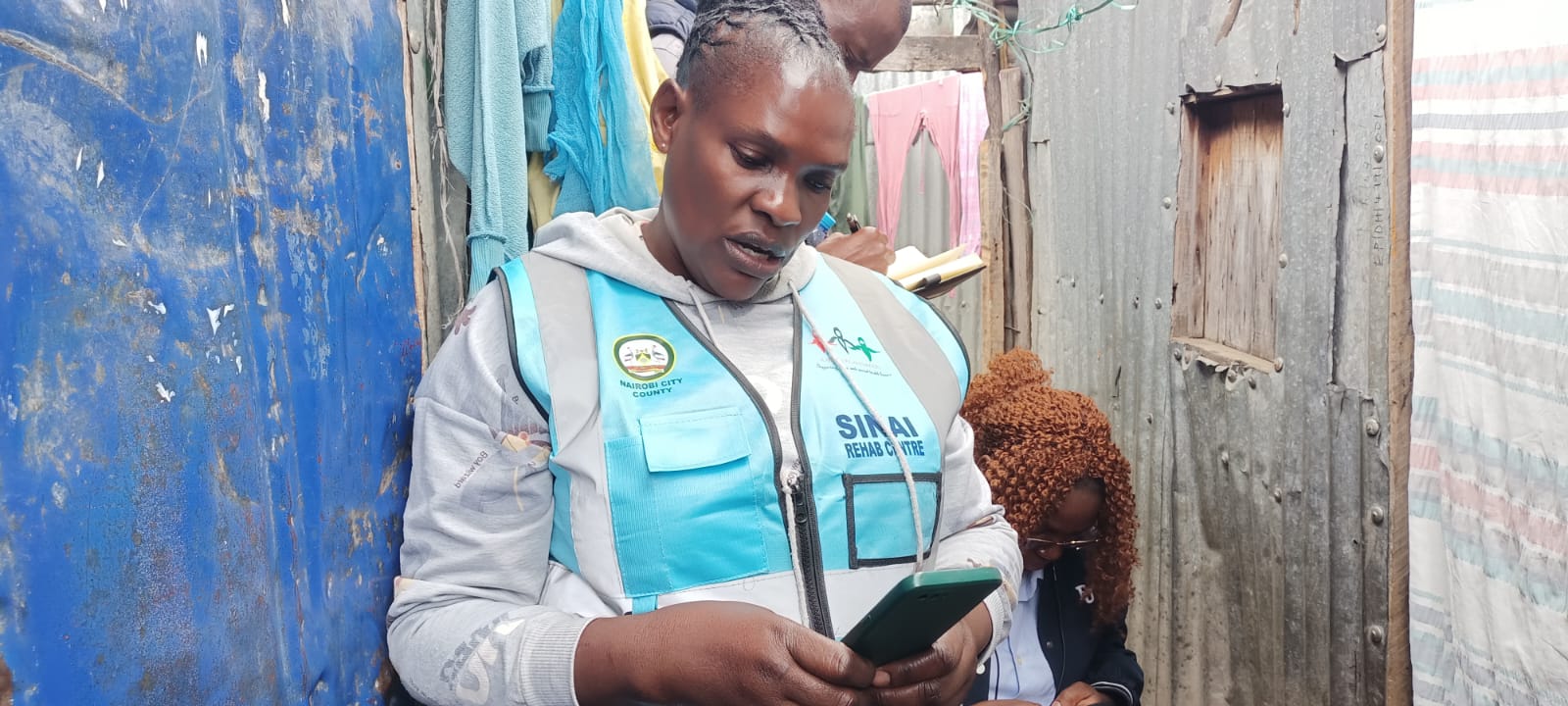
Every morning, Muthengi begins her day with prayer before planning her household visits. Using a government-provided phone installed with the Electronic Community Health Information System (eCHIS), she records health information and asks questions about clients’ health, including their blood pressure and weight.
When she identifies a concern requiring further attention, she refers the client to a health facility, such as Lunga Lunga Health Centre. Muthengi says she sometimes leaves a household wondering what more she could do. Before receiving training through the SHINE project, she would consider taking clients home or giving them money to buy food.
“You cannot say, let me give you my life, when even I do not have it,” she says, describing the difficult balance between helping vulnerable families and managing her own challenges.
To cope, she practices the grounding techniques she learned during the training, taking time to breathe, relax and talk to someone about her experiences. She has also learned to set boundaries and recognize that she cannot solve every problem she encounters.
Dr. Stephen Mulupi, head of research at LVCT Health and principal investigator of the SHINE project, says the initiative was developed to better understand the pressures facing community health workers as Kenya advances towards universal health coverage.
“The research sought to identify aspects of their work that cause stress, including challenges that may be overlooked despite affecting their daily lives,” said Dr. Mulupi. “We were able to define an intervention package that consists of mental health literacy, for them to be aware that when they are feeling stressed, mental health is not madness,” said Dr. Mulupi.
 The aim is to help promoters recognize emotional distress, learn practical coping skills and understand when to seek support.
A Hidden Mental Health Burden
CHPs are often the first point of contact between households and Kenya’s health system. Working within community health units serving populations of about 5,000 people, they identify health concerns, follow up with pregnant women and sick children, and connect families to health facilities.
Because they are drawn from the communities they serve, they often experience the same poverty and resource shortages as the families they support.
According to Caroline Kabaria, an associate research scientist at the African Population and Health Research Center (APHRC), promoters face overlapping pressures arising from their work, personal responsibilities and the difficult circumstances of the communities around them.
The SHINE study, which examines community health workers’ mental wellbeing and agency in Kenya and Bangladesh, found that 22.4% of surveyed promoters across Nairobi and Kiambu screened positive for depression, 30.6% for anxiety and 12.7% for stress.
These are screening results indicating possible mental health concerns, rather than confirmed clinical diagnoses.
The findings were particularly concerning in Nairobi. About one in four promoters there screened positive for depression and roughly one in three for anxiety.
Promoters in Viwandani and Korogocho experienced substantially higher levels of psychological distress than their counterparts in rural Lari and Gatundu in Kiambu County. According to the brief, depression levels in the Nairobi settlements were about three times those recorded in the rural areas, anxiety was nearly twice as high, and stress was about five times higher.
Workload pressures compounded the problem. Only 8% of promoters in Nairobi considered their workload manageable, compared with 24% in Kiambu. Just 12% of those in Nairobi said they had enough time to complete their tasks, while only 4% felt able to meet their work targets. Four in ten also feared losing their roles
“You finish the day exhausted, then at 11pm a mother calls because her child has a fever. You do not sleep,” says a community health promoter in Viwandani. “The next morning your supervisor asks why your targets are not yet uploaded.”
Caring for Others at a Personal Cost
Kenya has about 107,000 community health promoters, according to the Ministry of Health. The SHINE policy brief reports that promoters receive a monthly government stipend of KSh 5,000, although the amount they receive can vary by county.
In Nairobi, for instance, the county government provides an additional KSh 3,500. Despite this support, between 93% and 97% of promoters surveyed in Nairobi and Kiambu considered their stipends inadequate or unfair, while between 92% and 94% reported spending their own money on work-related expenses.
“I have used my own fare to take a sick neighbor to the clinic, and now I cannot pay for my child’s school lunch,” said one respondent during the survey.
The strain extends to supervisors, who are expected to support promoters while monitoring their performance. According to the policy brief, the recommended structure provides for one community health assistant to support ten promoters, but some assistants are responsible for as many as 100.
Muthengi wants county authorities to provide portable blood pressure monitors and blood glucose testing machines to help promoters identify health concerns during household visits. She also wants more reliable compensation to help them meet household expenses, including food and school fees.
“What they give us is like a token. I still have to pay school fees and buy food. If you are a single mother, it becomes even more difficult,” she says.
When Household Visits Become Unsafe
The SHINE study also highlights concerns about personal safety and harassment during household visits.
Some women reported feeling frightened when visiting households alone and experiencing inappropriate comments from men. Others said they did not know where they could report such incidents confidentially and safely.
“When you go alone to a household, sometimes a man will say things that frighten you,” says a community health promoter in Lari. “There is nowhere to report it that feels safe, so you keep it inside.”
The absence of clear reporting channels can leave workers dealing with frightening experiences without support. The policy brief also notes that mental health services are not adequately integrated into the community health structure, leaving some promoters without a clear pathway to seek help.
These concerns point to the need for safer working arrangements, stronger supervision and confidential mechanisms for reporting harassment.
The SHINE project is testing ways to improve the mental wellbeing of community health workers. Led by LVCT Health in partnership with APHRC, the Liverpool School of Tropical Medicine and county health teams, the initiative has reached 500 community health promoters and 50 assistants.
Its intervention combines mental health awareness, self-care training, peer support, improved supervisory practices, and text messages offering encouragement and links to local mental health services.
The face-to-face component includes training promoters in practical techniques for managing stress, drawing on the World Health Organization Guide Doing What Matters in Times of Stress. A champions model also equips selected promoters to share self-care skills with their colleagues.
Supervisors are encouraged to consider workers’ wellbeing rather than focusing exclusively on performance targets and to refer to those who need additional help.
During the project, all the CHPs in Nairobi and Kiambu got two text messages each week to remind promoters that their work is valued, encourage them to talk to someone and direct them towards available support.
Mulupi says the messages are intended to reinforce the importance of recognising and appreciating the people who provide care at community level.
According to the policy brief, the approach could be expanded to reach the 12,000 promoters in Nairobi and Kiambu and potentially the wider national workforce.
For Muthengi, the training has changed how she responds to the distress she encounters during household visits. She is learning to recognize her limits and manage her emotions without feeling responsible for solving every family’s problems.
But coping skills alone cannot resolve the structural challenges facing the workforce. Promoters also need adequate compensation, manageable workloads, safe working conditions and accessible mental health services.
Who Cares For The Carers?
The SHINE policy brief calls on the Ministry of Health to make promoter wellbeing an integral part of Kenya’s Community Health Strategy. Its recommendations include incorporating basic mental health skills into training, strengthening supervision, ensuring timely stipend payments and providing confidential mechanisms for reporting harassment.
It also urges counties to maintain appropriate supervisor to promoter ratios and ensure that workers are not burdened with duties beyond their designated roles.
For Muthengi, better equipment and reliable compensation would help her serve households while providing for her own family.
Her experience exposes a difficult contradiction at the heart of community health work. Promoters are expected to listen to families in distress, respond to health concerns and help people navigate hardship, yet they face many of the same financial pressures and emotional struggles.
A mother may call late at night because her child is sick. A neighbor may need help getting to a clinic. A struggling family may need food that the promoter cannot afford to provide.
As the world marks World Mental Health Day on 10th October, Muthengi’s experience highlights the often-overlooked emotional toll of caring for others. While community health promoters are trained to identify health concerns and connect families to care, their own mental wellbeing can be neglected.
The SHINE study highlights the need to recognize their emotional struggles and provide adequate support, reminding us that those who care for communities also need to care for themselves.