|
Getting your Trinity Audio player ready...
|
By Victoria Musimbi
Nairobi, Kenya: Amid growing concerns over rising living costs, low public trust in taxation, and limited service delivery, stakeholders are calling for reforms that prioritize transparency, accountability, and inclusivity in Kenya’s tax system.
With the National Tax Policy set to guide the country’s taxation framework over the next five years, experts say there is a critical opportunity to strengthen public engagement, support small businesses, and ensure that tax collection translates into tangible benefits for citizens.
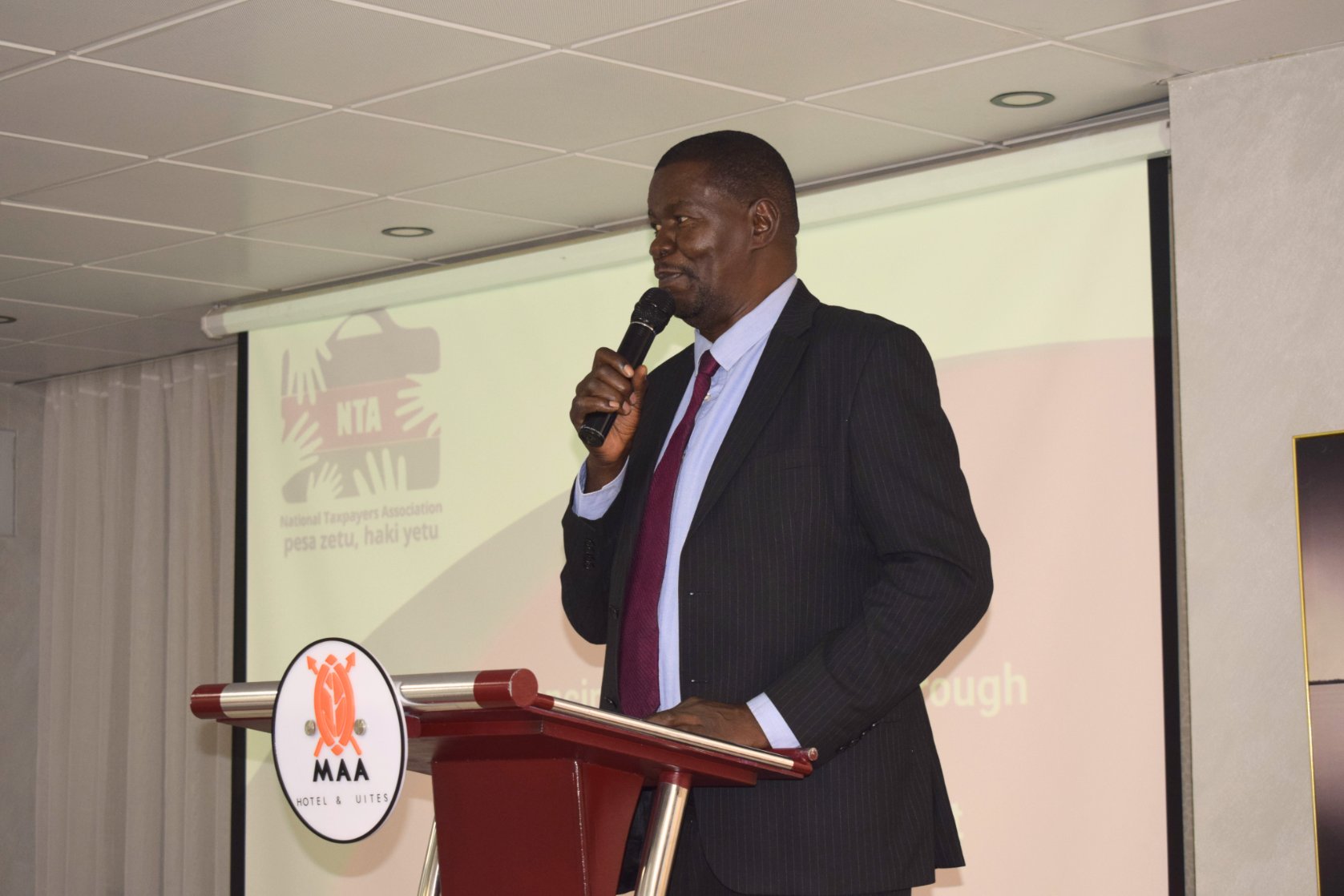
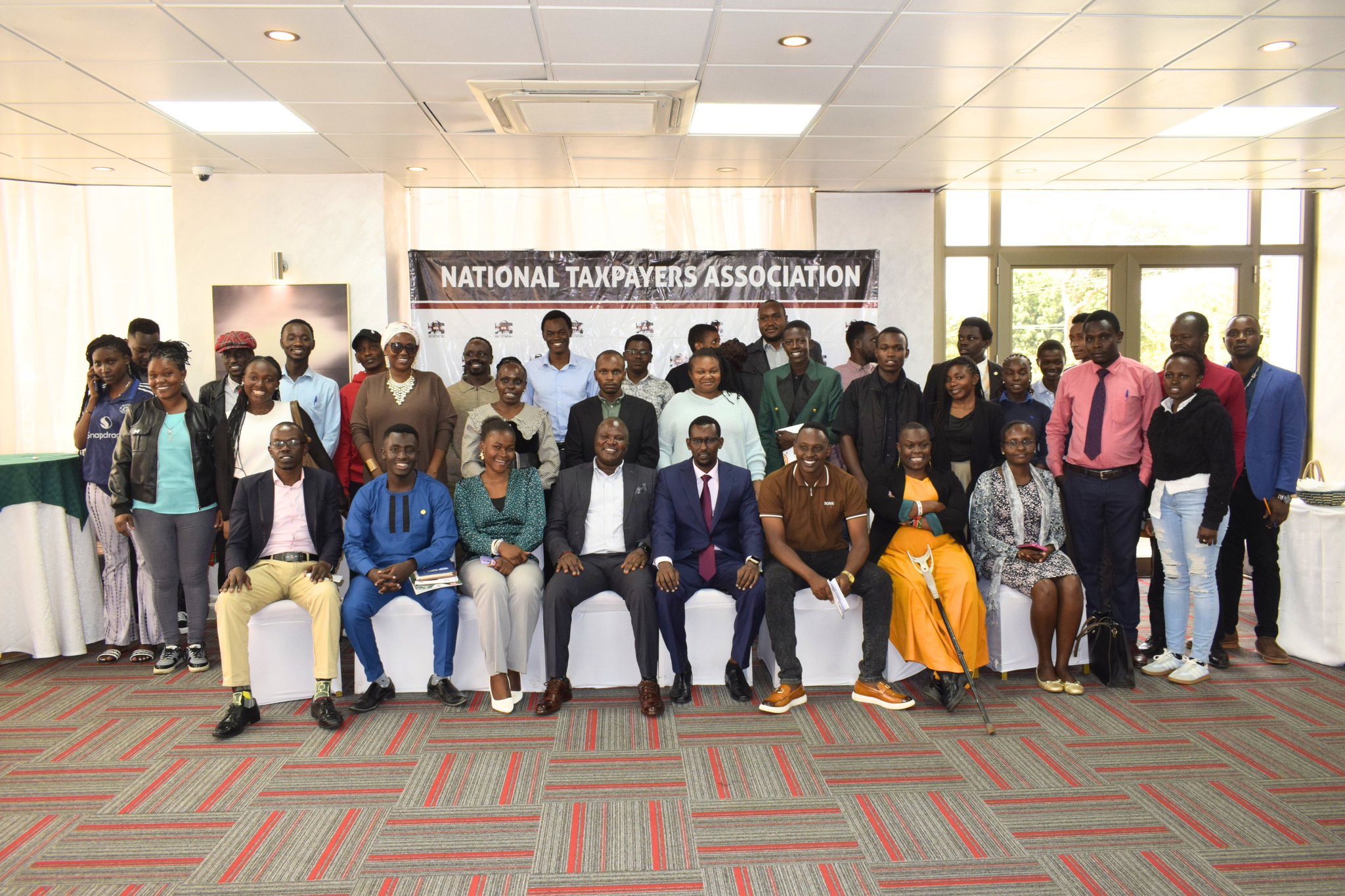
The National Taxpayers Association convened a youth and media engagement bringing together policymakers, civil society organizations (CSOs), and government agencies to explore these challenges and propose solutions.
The forum created space for dialogue on making tax policies more accessible particularly to young people while enhancing public participation in the budget-making process and rebuilding trust between taxpayers and the government.
Youth and Civic Voices Call for Inclusive Tax Reforms
Isaiah Kaaka, Chair of the Youth Caucus Kenya and Chairperson of the Kenya Devolution Civil Societies Working Group, emphasized the need to bring more young people into governance conversations.
“Many young people are active in the digital space whether in coding, content creation, or startups but they still feel left out when it comes to shaping the policies that affect their work and livelihoods,” Kaaka said.
He noted that many young people are either unemployed or still in school, with a growing number relying on digital platforms for income. However, he raised concerns that many startups struggle to survive due to policy and taxation challenges that do not fully support early-stage businesses.
Kaaka stressed that access to information and openness in policy development are key to improving trust in governance.
“If young people are given the right information and platforms, they can meaningfully participate in shaping policies and holding systems accountable,” he added.
Strengthening Governance and Addressing Inequality
Edwin Birech, Acting Accountable Governance Lead at Oxfam Kenya, highlighted the organization’s work in promoting accountability, governance, and social justice through partnerships and research.
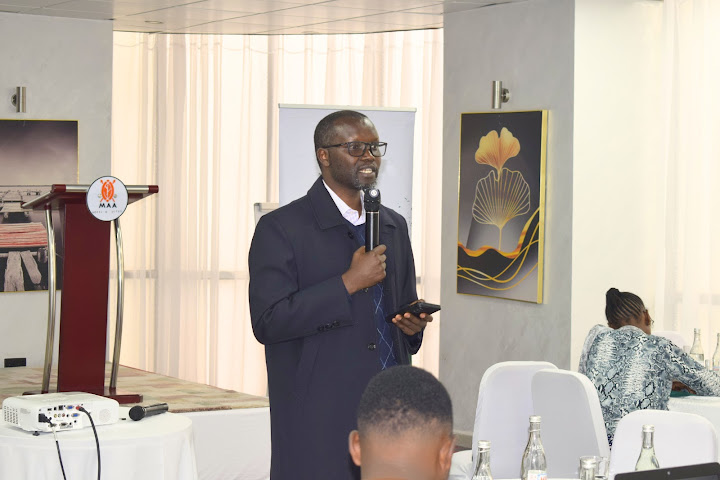
He pointed to widening inequality in Kenya, noting the need for fiscal policies that are fair and inclusive.
“What would change if citizens fully understood their rights, and at the same time, government institutions clearly understood and delivered on their responsibilities?” he posed.
Birech emphasized that empowering citizens with information is key to strengthening accountability.
“These conversations need to move beyond boardrooms. Expanding them to all 47 counties would ensure that more voices are heard and that policies reflect the realities of ordinary citizens,” he said.
Bridging the Trust Gap Between Taxpayers and Government
Patrick Nyangweso, CEO of the National Taxpayers Association (NTA), noted that the National Tax Policy will play a major role in shaping Kenya’s tax system and must be well understood by citizens.
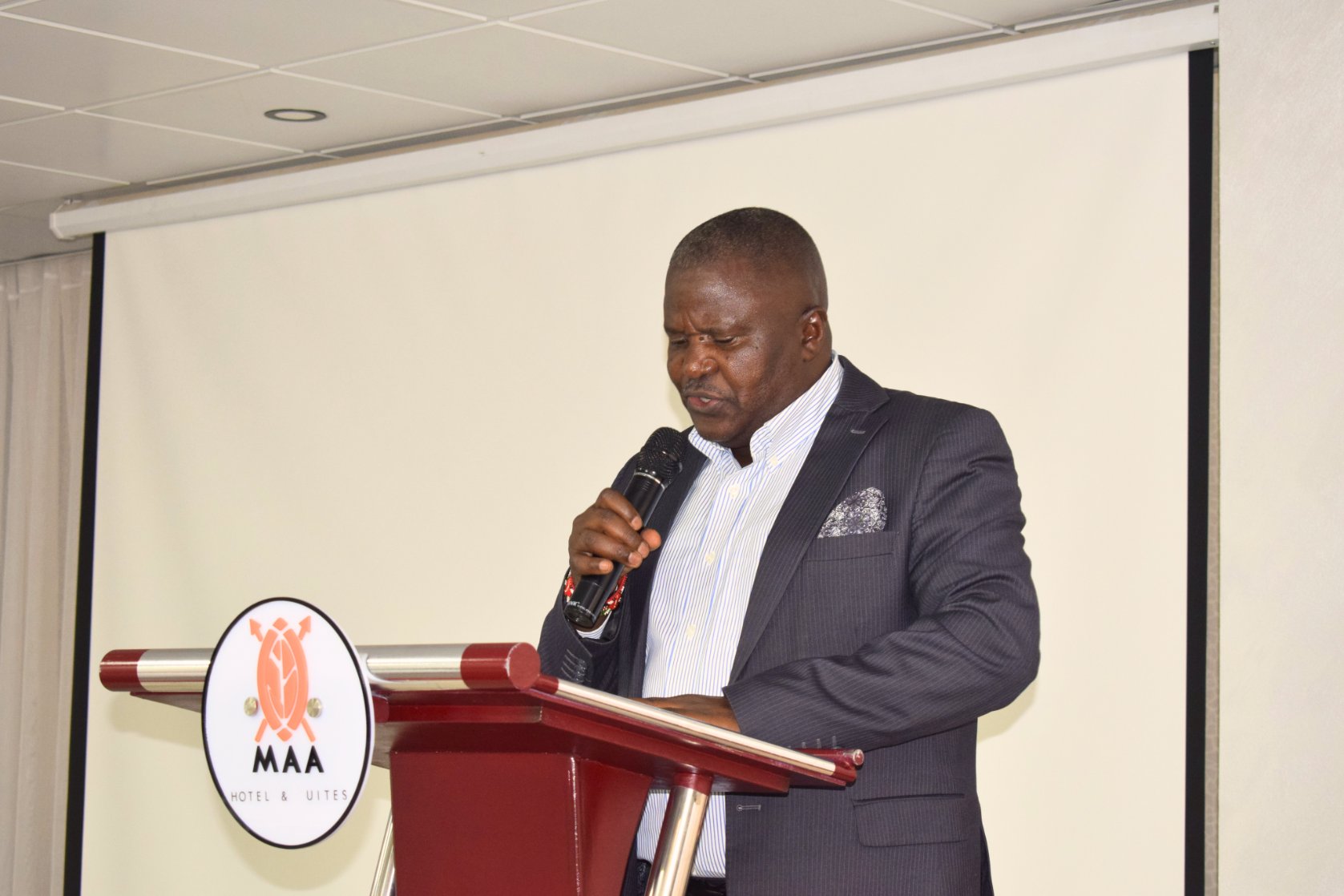
He said the engagement aimed to bring together youth, media, policymakers, and government institutions to foster open discussions on taxation and rebuild public trust.
“For a long time, taxpayers have felt that their contributions do not translate into services. This has created a trust gap that we must urgently address,” he said.
Nyangweso stressed that taxation must be accompanied by visible service delivery, warning that policies that burden small and medium enterprises could slow economic growth.
“If we do not expand the tax base sustainably and support businesses, we will continue relying on debt, which is not a long-term solution,” he added.
He also highlighted the need to better manage public expenditure, noting that a large portion of revenue is used for recurrent costs, leaving limited funds for development.
“When most of our revenue goes to consumption rather than development, we limit our ability to create jobs and grow the economy,” he said.
KRA Pushes for Fairness and Public Engagement
The Kenya Revenue Authority (KRA) outlined ongoing reforms aimed at building a fair, transparent, and sustainable tax system. Speaking through Deputy Commissioner for Corporate Tax Policy Division FCPA Maurice Oray, who read a speech on behalf of the Board Chairman, Hon. Ndiritu Muriithi, the Authority emphasized that taxation plays a central role in shaping Kenya’s socio-economic future.
“Taxation is about people, their aspirations, their opportunities, and the future we are building together as a country,” Oray noted.
KRA highlighted that the adoption of the National Tax Policy and the Medium-Term Revenue Strategy for 2024/25 to 2026/27 is part of efforts to modernize the tax system and align it with a growing digital economy.
The Authority also emphasized the need to ensure fairness across all sectors while encouraging innovation and economic growth.
“These reforms are designed to create a level playing field where both traditional and digital businesses can operate under fair and equitable conditions,” Oray added.
KRA further stressed the importance of public participation and continued engagement with citizens, especially young people, in shaping tax policies and strengthening voluntary compliance.
Youth at The Center of Kenya’s Fiscal Future
The engagement highlighted a shared understanding that young people are not only taxpayers but also key drivers of Kenya’s economic future.
Stakeholders agreed that improving communication, expanding participation, and ensuring fair and transparent policies will be critical in restoring trust and building a more inclusive tax system.