

|
Getting your Trinity Audio player ready...
|
By Arasha Soila
Nairobi, Kenya: Africa loses an estimated $50–$89 billion annually to illicit financial flows, according to a recent report by the Coalition for Dialogue on Africa (CoDA). The report, themed “Five Years of Common African Position on Asset Recovery (CAPAR)” takes stock of the continent’s efforts to establish systems for repatriating financial and non‑financial resources lost through illicit channels since the African Union adopted CAPAR in 2020.
The report shows that the continent still lacks an effective coordination mechanism for coherent and coordinated action against the scourge of illicit financial flows. While the AU has put in place frameworks to tackle IFFs, the analysis concludes that Africa does not yet have a functional architecture for joint recovery, highlighting a gap between political affirmations and the institutional reality needed to reclaim billions in lost assets.
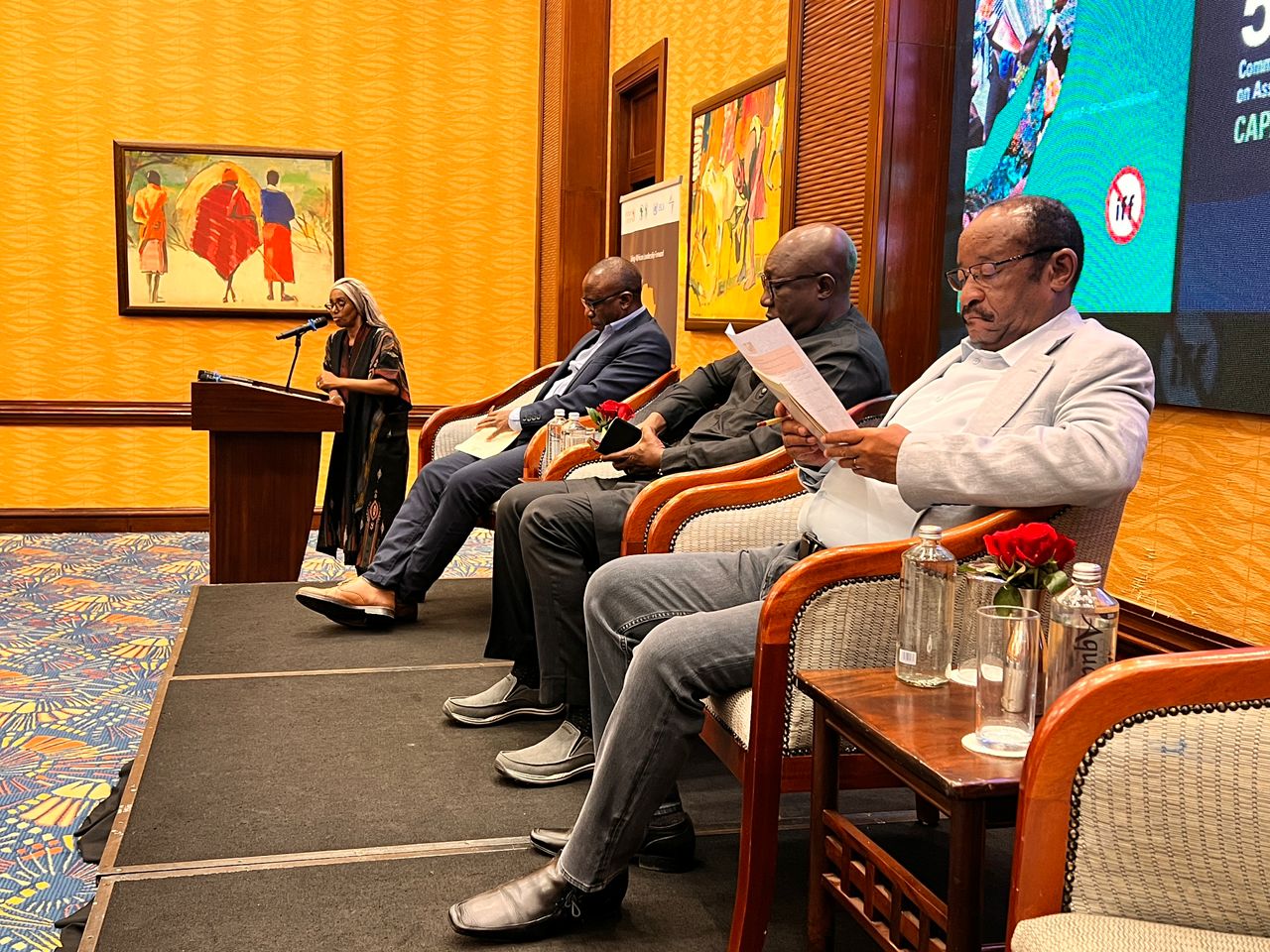
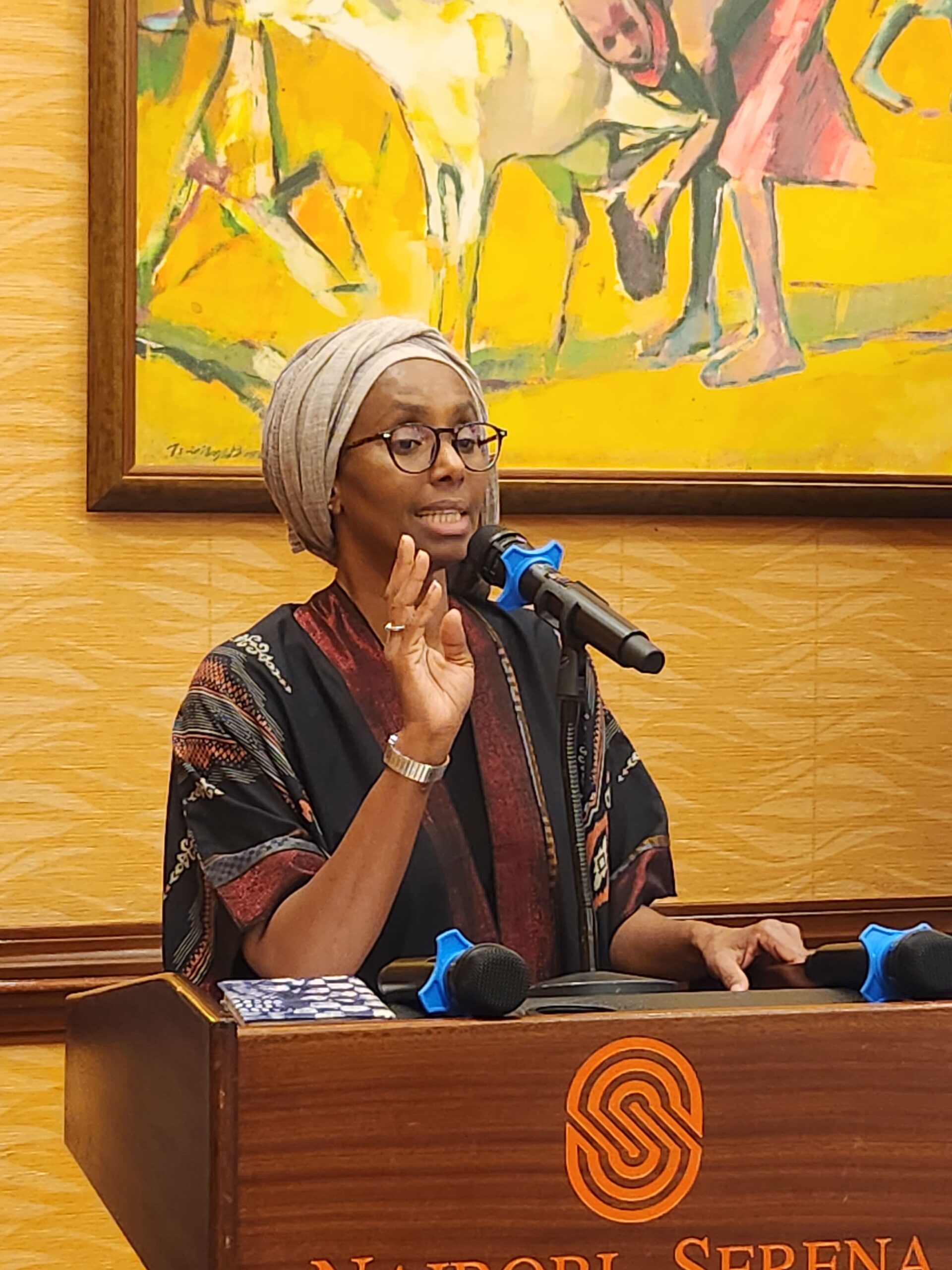
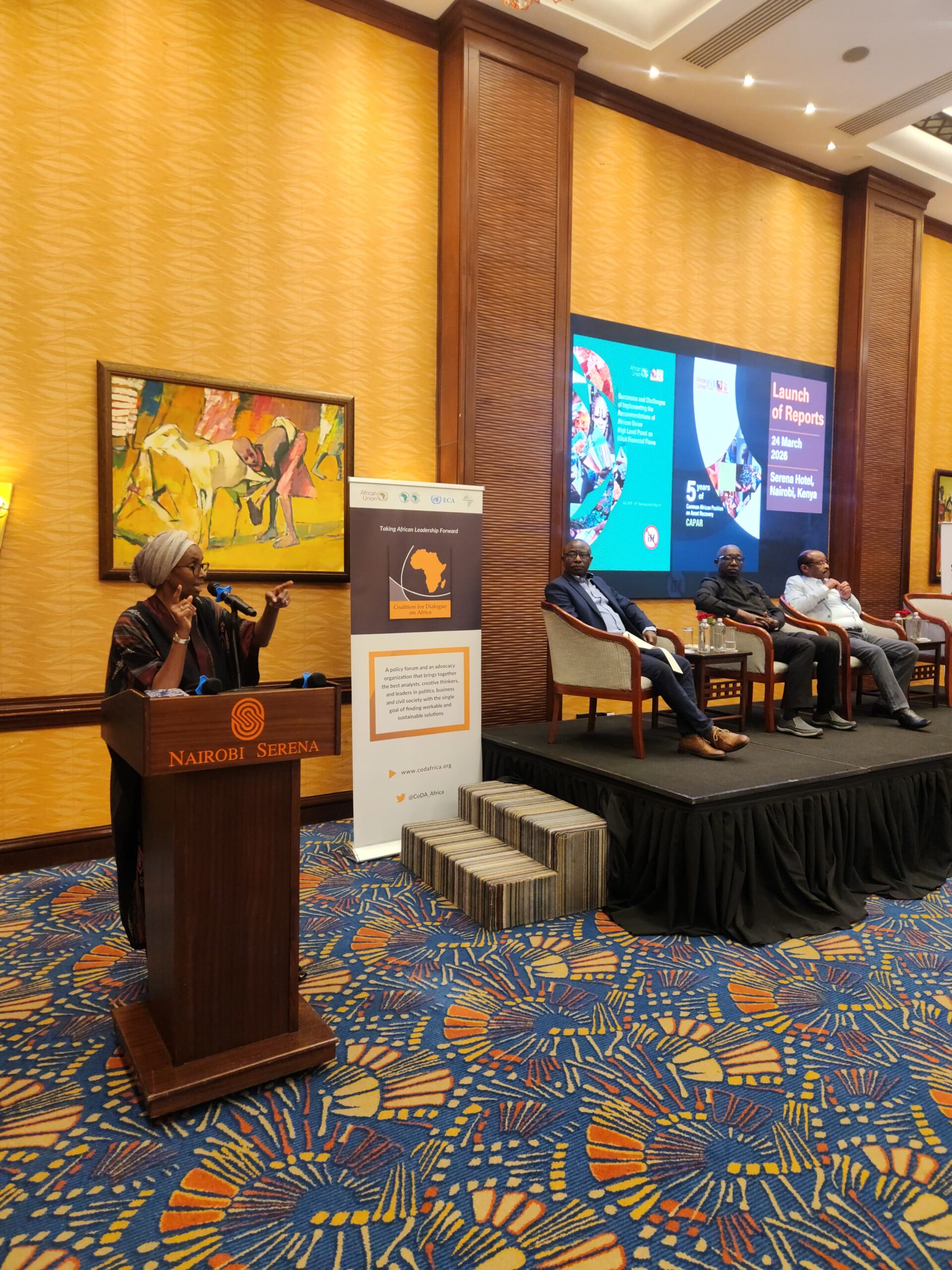
Speaking during the launch of the report, Souad Aden‑Osman, Executive Director of the Coalition for Dialogue on Africa which hosts the AU High‑Level Panel on Illicit Financial Flows Secretariat said it is time for Africa to reflect on how far it has come and to chart a clear future path in the fight against IFFs.
“Creating effective coordination at national as well as continental levels should be the primary focus of policymakers,” she asserted.
 The AU HLP–IFF Secretariat notes that efforts to set up a functional platform bringing together countries, institutions and stakeholders have largely fallen short.
The report identifies several technical and political reasons for this failure, including a lack of institutional commitment, an absence of a shared continental vision, limited capacity and underfunded institutions at the national level.
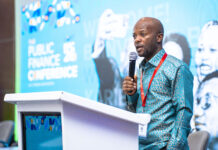
Prof. Florens Luoga, a senior advisor to the Secretariat, described the current state of affairs as fragmented, non‑inclusive, interest‑based, and unsustainable. He said these disjointed coordinating structures are a major hindrance to the continent’s aspirations.
Luoga warned that the lack of transparency and common continental standards has left African nations vulnerable to predatory economic deals. “Without a robust framework, investors often come in and make propositions which, if you do not have a mechanism for transparency, you’ll accept unconscionable terms,” he said.
The Professor stressed that critical financial decisions must be guided by established principles, rather than being left solely to the discretion of leaders. This framework allows the public to hold leadership accountable based on set rules, not on personal preferences.
 Furthermore, the Professor observed that Africa possesses a highly valuable resource in its young population, which should be developed.
“For example the Queens largest diamond came from East Africa and not Europe” said Prof. Florens
Adding “The youths are being used for purposes of extraction from cheap labour”
The report acknowledges that AU Member States have made some progress on the institutional front, with many establishing financial intelligence units, anti‑corruption agencies, and beneficial ownership registries. However, these gains are undermined by a lack of synergy.
Without effective coordination, these individual units cannot be deployed optimally to combat the evolving landscape of illicit financial flows. National interests, foreign policy preferences, and economic considerations often complicate collective recovery efforts, leaving African nations at a jurisprudential disadvantage when navigating a biased global system.
“We need partnerships not just across our continent but beyond Africa,” said Dr. Redge Nkosi, Executive Director of FirstSource Money. “At the country level, we need partnerships between the state, government, and private institutions involved in fighting IFFs. At the continental level, we don’t have the right partnerships.”
To bridge these gaps and improve the recovery of lost assets, the report issues an urgent call for the African Union to move beyond speeches and political statements and establish a functional review mechanism.
This proposed system is designed to transform the continental framework into a practical tool for monitoring progress and ensuring accountability among Member States. A central pillar of the new architecture is a continental peer review system.
Under this system, AU Member States would be required to formally report on their progress and the specific steps they have taken to set up effective asset recovery regimes within their borders. The move aims to replace optimistic political affirmations with a structured, transparent process for tracking how illicitly lost assets are identified, traced, and repatriated.
The report further stresses that while CAPAR sets the tone for continental collaboration, the real work of recovery rests on national‑level alignment. It recommends that African nations urgently adapt their national laws, institutions, and enforcement mechanisms to match the Common African Position.
“Africa we have resources yet Africa is the net creditor to the world” noted Getachew Teklemarian, Snr. Program Officer at CODA/AU HLP-IFFs
By strengthening local structures, the continent can move toward actionable results and ensure that national recovery efforts are robust enough to match the increasingly complex and changing landscape of illicit financial flows.
The recommendations also highlight the need for strengthened partnerships and deep continental collaboration to close loopholes in regulatory systems that currently undermine African efforts.
Ultimately, the report frames these reforms as a vital economic imperative, the successful recovery of lost assets could cover up to 40% of the continent’s annual $180–$220 billion infrastructure financing needs.
Without resetting this institutional architecture to prevent illicit flows and improve recovery, the report warns, global development pacts will fail to deliver meaningful progress for Africa.








[…] Note Photos Media Links Amwik Talkafrica Facebook Twitter […]
Comments are closed.