|
Getting your Trinity Audio player ready...
|
By Elizabeth Angira
Kisii, Kenya: Kenya’s livestock industry is poised for greater efficiency and global competitiveness with the proposed Animal Identification and Traceability (ANITRAC) Bill 2026. This draft legislation, currently undergoing public participation, aims to implement a modern system for the identification, registration, and traceability of animals.
The primary goals of the ANITRAC Bill are to enhance disease control and surveillance and to facilitate access for livestock farmers to lucrative regional and international markets.
Speaking at a stakeholder forum in Kisii, which drew participants from Kisii, Nyamira, Migori, and Homa Bay counties, Dr. William Akwimbi, Senior Deputy Director for Livestock Policy, Research and Regulations at the State Department for Livestock Development, highlighted that the Bill signifies a crucial move from outdated methods.
“This bill is about moving with the times,” Akwimbi said.
He noted that the proposed law updates the old Branding Act, which relied heavily on traditional hot-iron branding. The new ANITRAC system leverages technological advancements by introducing electronic identification tools capable of real-time animal tracking and storing essential data, such as feeding history and health records.
“We want farmers to benefit from technologies that not only help them manage their livestock better but also enable them to meet international market requirements” he said.
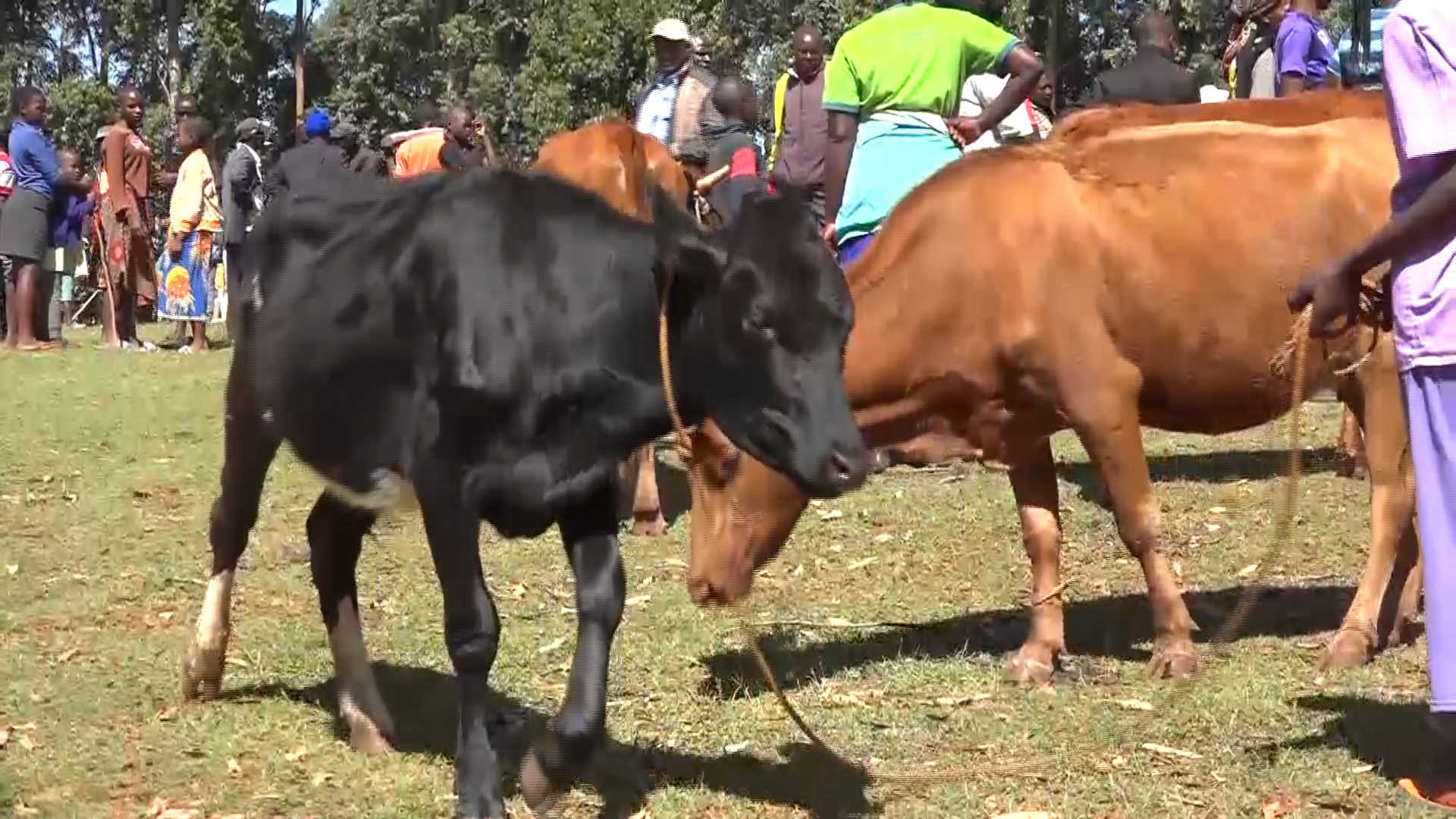
Under the proposed framework, all livestock farmers will be required to register themselves and their animals. Each animal will be fitted with identification devices that carry detailed information, allowing authorities and farmers to trace the animal’s journey from birth to market.
This traceability, Akwimbi explained, is a key requirement in high-value export markets, particularly in Europe and the Middle East. Without it, Kenyan livestock products risk being locked out of these lucrative opportunities.
Beyond market access, the system is expected to significantly improve disease control. By capturing and storing animal health data, authorities will be better equipped to monitor outbreaks, manage vaccinations, and curb the spread of transboundary animal diseases that have long affected the sector.
Livestock theft, a persistent challenge for many farmers, is also expected to reduce as animals become easier to track and identify.
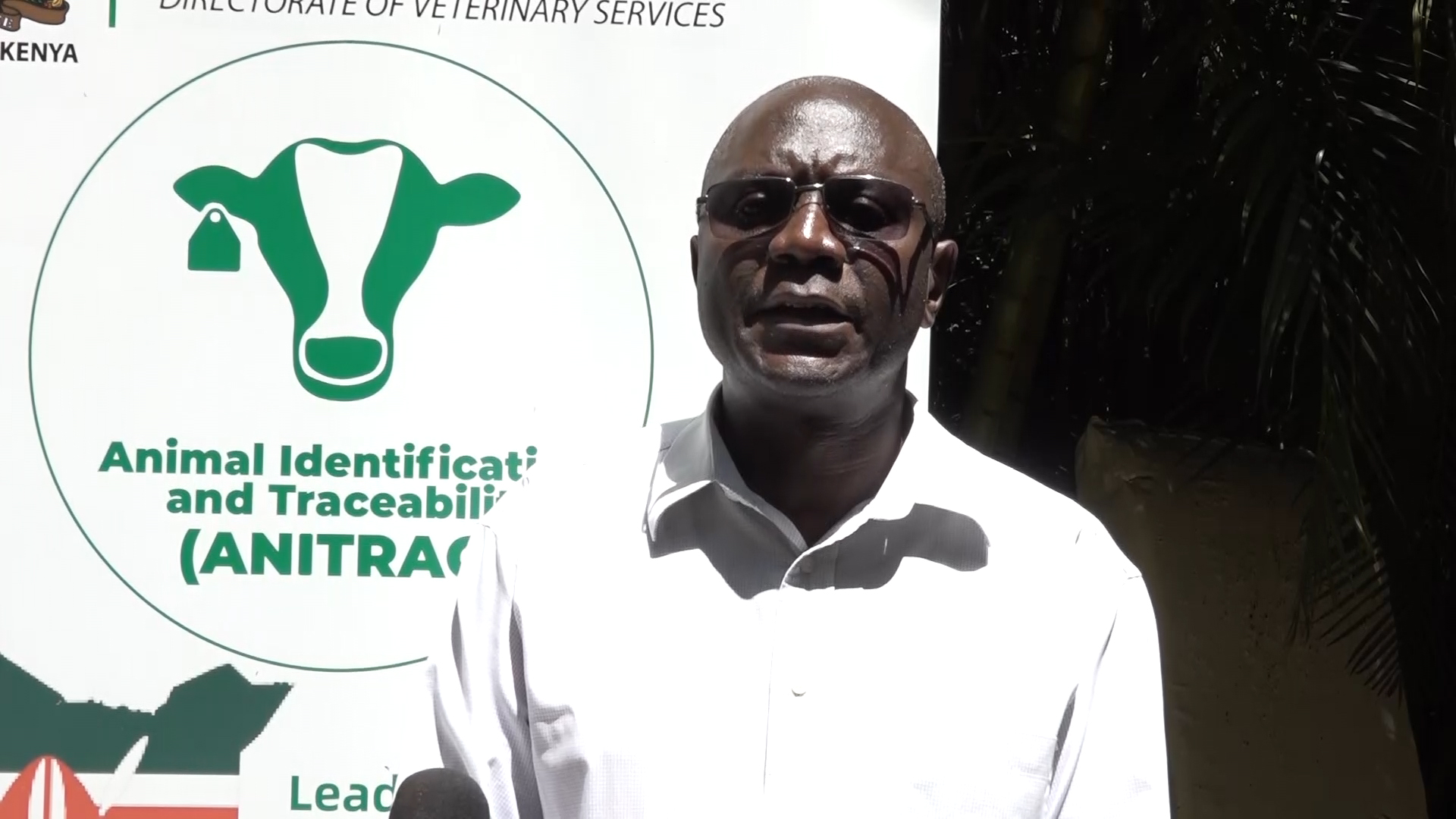
Director of Veterinary Services Dr. Allan Kimutai said the ANITRAC system is already operational, with successful pilot programs conducted in seven government farms, including Kabete, Machakos, Naivasha, Oyani, Maseno, and Wajir.
“We have developed a web-based platform supported by a mobile application, with a central server hosted at the Directorate of Veterinary Services in Kabete,” Kimutai said.
Following the pilot phase, the government is now preparing to roll out the system in six counties – Garissa, Siaya, Kiambu, Taita Taveta, and Kitui – before scaling up to cover the entire country.
The rollout will begin with cattle, before expanding in phases to include sheep, goats, donkeys, camels, poultry, pigs, and even pets.

Kimutai explained that the system would rely on Radio Frequency Identification (RFID) technology, where animals are fitted with two ear tags: a visible tag and a tamper-resistant microchip. The devices will be linked to transponders capable of geolocation and real-time tracking.
Importantly, the government plans to provide the identification devices free of charge to farmers during the initial rollout phase, as part of a five-year program aimed at achieving nationwide coverage.
Once fully implemented, the ANITRAC system is expected to transform Kenya’s livestock value chain enhancing food safety, boosting farmer incomes, improving disease response, and restoring confidence in Kenyan livestock products in both local and international markets.