

|
Getting your Trinity Audio player ready...
|
By Melisa Mong’ina
Nairobi, Kenya: Kenya has taken a significant step in the education sector, with the national rollout of the Values-based Education (VbE) Programme. Launched by the Kenya Institute of Curriculum Development (KICD) in partnership with Mizizi Elimu Afrika, the program aims to improve Competency-Based Education by not only teaching learners academic skills but also important life values.
Speaking during the launch, Prof. Charles Ong’ondo, Chief Executive Officer at KICD, stated that the pilot study of VbE was carried out in 19 counties, emphasizing that values are not only enshrined in the 2010 Kenyan Constitution, but are also a key pillar of the curriculum reform mission.
“The study involved 79 schools and cumulatively over 3,000 learners. In education, our goal is to produce professionals and experts, but if values are missed, then we are not doing justice to our country,” said Prof. Ong’ondo.
He noted that the findings showed that schools have integrated the values into their everyday learning practices and the positive results indicate the success of the national rollout.
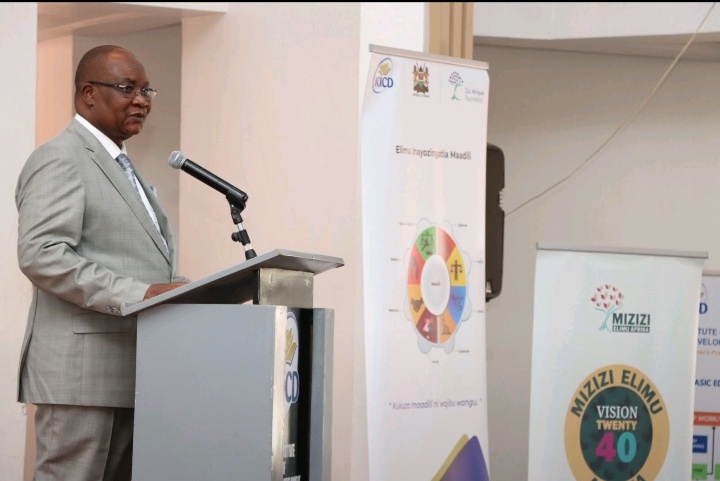
Prof. Ong’ondo further highlighted the importance of values in education, stating that it will enable learners to face real-life ethical challenges. He said VbE aims to raise a generation that upholds integrity and honesty, especially in their professional lives.
“We must not let our children go in that direction,” he urged. “There are things at our age we have not achieved, but we must try to get our children to achieve them because sometimes, whether you like it or not, circumstances around may force you to go against the values.”
Dr. Maurice Mutisya, Deputy Executive Director of Research at Mizizi Elimu Afrika, commended KICD for their efforts in advancing the initiative, noting that collaboration is crucial in achieving quality learning outcomes.
“You have demonstrated what collaboration means, not only in delivering quality education to our children, but also in growing innovations that can support the growth of our learners and our education system,” said Dr. Mutisya.
He further pointed out the importance of connecting academic knowledge with character development, stressing that learners should demonstrate positive values both within and outside the school environment.
“Finding solutions on how we can support learners, nurture these values, and grow their skills is central not only to achieving the development of this country, but also for the global connection that citizens need,” he said.
Dr. Mutisya underscored that the success of the curriculum mostly depends on what happens in classrooms. “Teachers are key to the delivery and growth of the curriculum and nurturing of values.”
Parents and communities were also acknowledged for the role they play at home in supporting their children. He explained that what learners experience at home and in their communities must align with what is taught in schools to strengthen the curriculum’s goals.
Fredrick Haga, Director of Special Needs Education at the Ministry of Education, who represented the Principal Secretary for Basic Education Prof. Julius Bitok, underscored the importance of the VbE rollout, terming it a significant milestone in the education sector.
“This is a giant step for this country,” he said. “Today, we are here to witness the breathing of life into one of the positions of the curriculum that we are now implementing in CBE.”
He reassured that the Ministry of Education is fully committed to delivering quality education to enable learners to address societal challenges.
“I hope that in our lifetime, we will be able to see the difference that the introduction of values-based education has in this country,” he added.
Haga called for a collaborative approach among all stakeholders, stressing that everyone has a role to play in ensuring that VbE succeeds.
He concluded by commending KICD for ensuring inclusivity of learners living with disabilities during the pilot programme, noting that the values of education are meant for everyone.
“KICD ensured that the population was fully involved and integrated in the pilot study. An inclusive, consultative, and participatory approach will definitely leave no child behind,” said Haga.
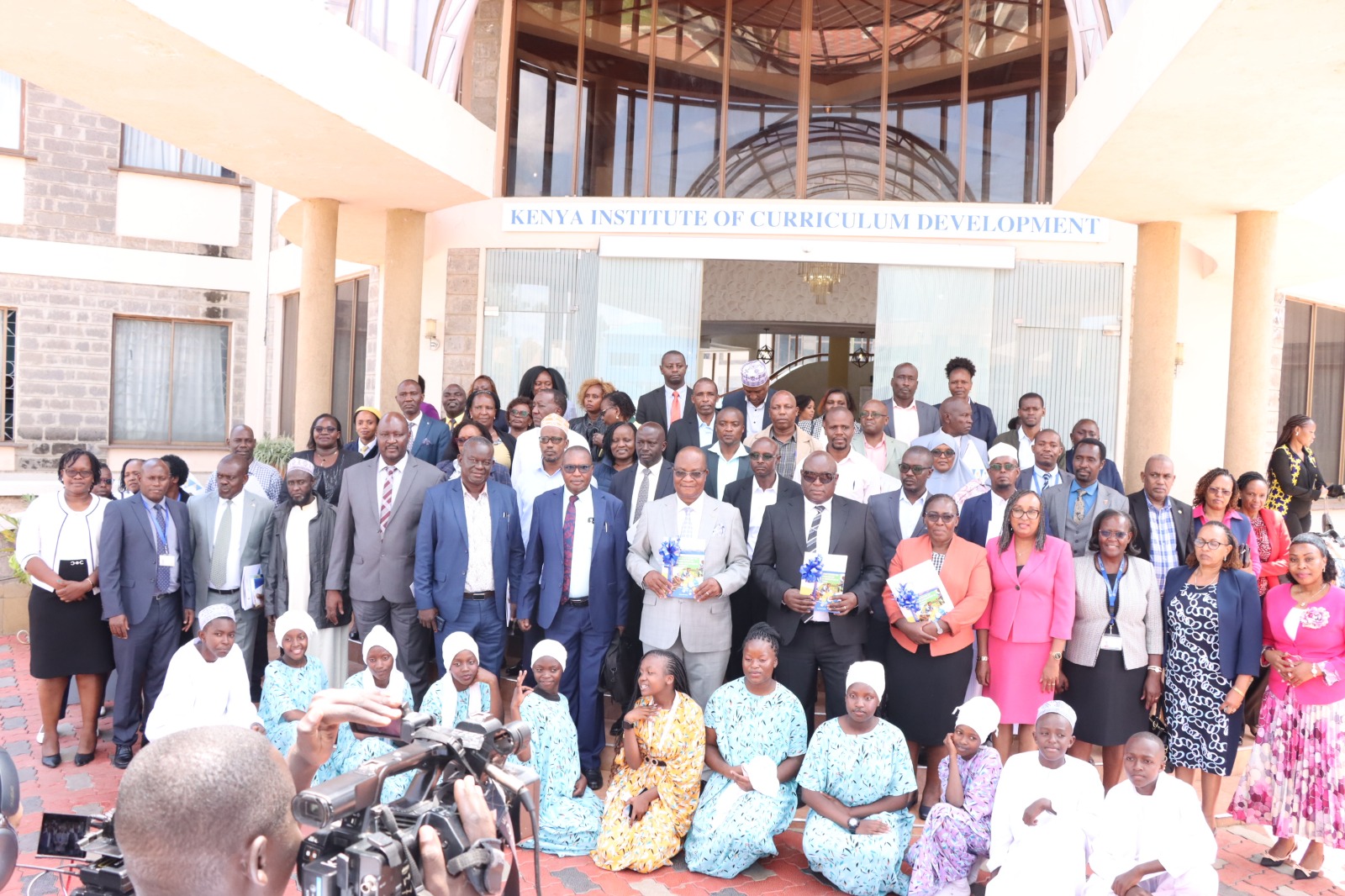
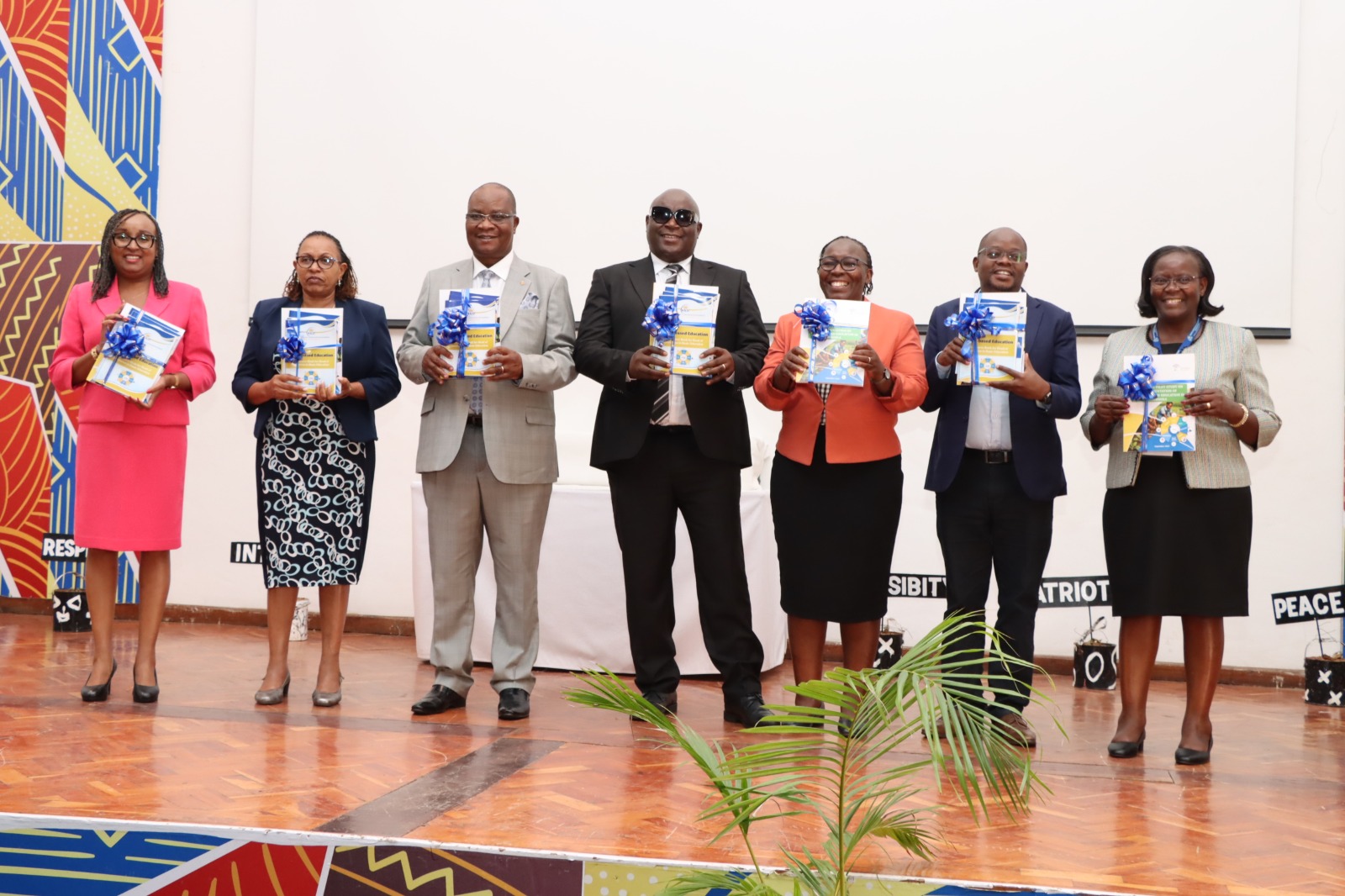
The Values-based Education (VbE) Programme is set to transform Kenya’s Competency-Based Education by making values like integrity, respect, honesty, and responsibility core to learning, not just an add-on.
With nationwide rollout and active involvement from KICD, Mizizi Elimu Afrika, the Ministry of Education, teachers, parents, and communities, the initiative aims to prepare learners for real-life challenges while ensuring that no child is left behind.