|
Getting your Trinity Audio player ready...
|
By Aggrey Omboki
Nairobi, Kenya: Kenya has renewed its call for snakebite envenoming to be treated as a major public health emergency, urging stronger national and global action to address its rising burden.
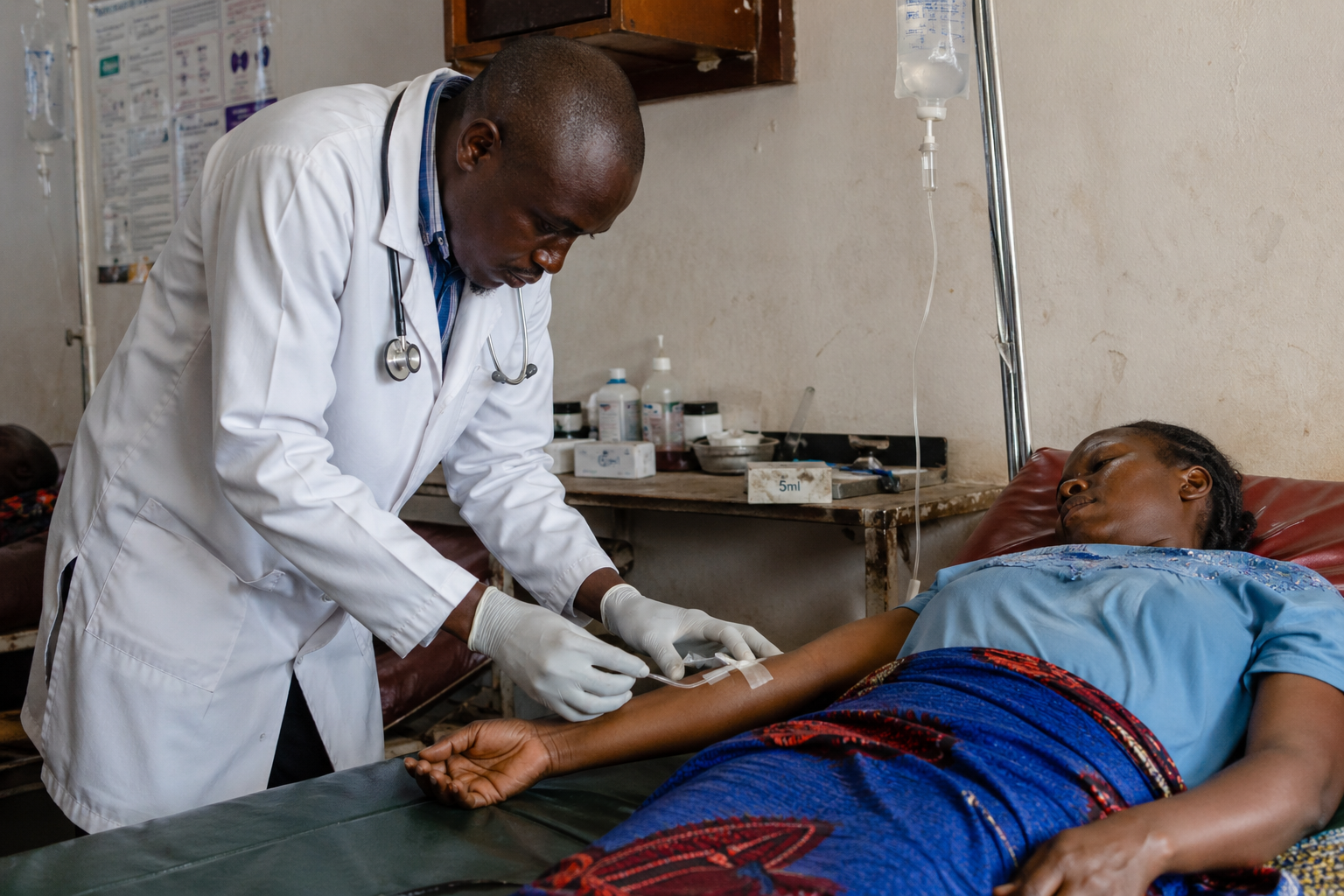
Significantly, scaling up treatment coverage in the country’s arid and semi-arid areas is critical, as these regions bear the highest incidence of snakebites yet have the least access to timely, effective care.
Expanding antivenom and health services here could drastically reduce deaths and long-term disabilities. This urgency is further underscored by the fact that snakebite is classified as one of Kenya’s neglected tropical diseases (NTDs), which is a designation that highlights its disproportionate impact on vulnerable, rural populations who have long been overlooked in health prioritization.
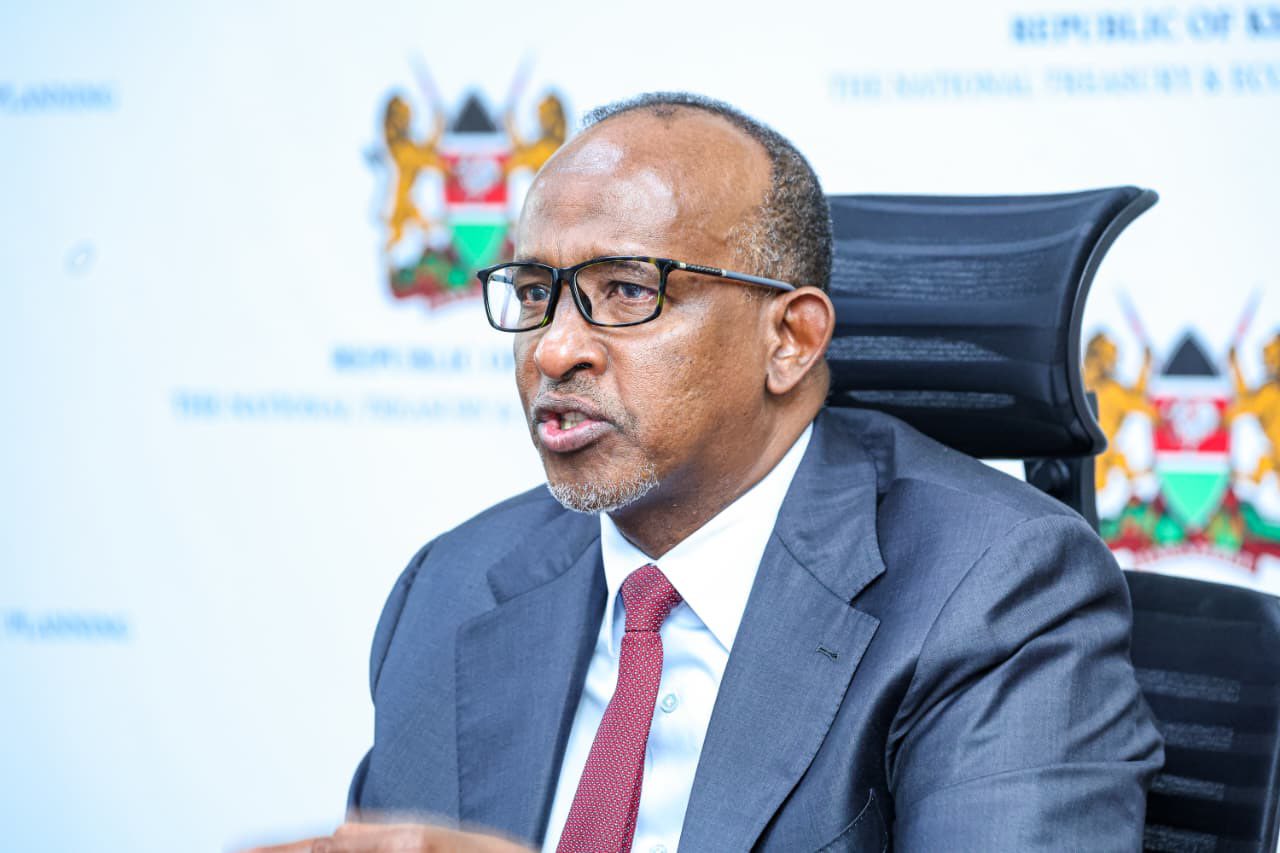
Health Cabinet Secretary Aden Duale said the country records over 19,000 cases annually, with more than 1,000 deaths and many survivors left with long-term disability. He spoke during a bilateral meeting with Global Snakebite Taskforce Co-Chair Elhadj As Sy on the sidelines of the World Health Summit Regional Meeting 2026.
Duale said the country had adopted a comprehensive approach to managing the challenge of snakebite treatment.
“Kenya’s response is anchored in a system-wide approach, integrating snakebite care into Universal Health Coverage, strengthening early detection and referral at community level, improving surveillance within the national health information system, and applying hotspot mapping to better target high-risk areas,” said the CS Health.
He further confirmed that the country is also investing in domestic capacity.
“The Kenya Institute of Primate Research is advancing local antivenom production tailored to region-specific snake species, while plans are underway to establish a National Antivenom Quality Control Laboratory to strengthen safety, effectiveness, and regulatory oversight” said Duale.
At the regional and global level, Kenya continues to play an active advocacy and convening role. This includes co-hosting a side event at the 78th World Health Assembly and initiating Africa’s first Health Ministers’ dialogue on snakebite, while working with partners such as the Africa Centres for Disease Control and Prevention, the African Leaders Malaria Alliance, and the African Union Development Agency to strengthen coordination, accountability, and financing mechanisms.
Kenya has also backed the consolidation phase of the Global Snakebite Taskforce, emphasising the need for a nationally grounded, results-driven approach.
Focus is now on upcoming milestones, including elevating snakebite as a standalone agenda item at the WHO Africa Regional Committee session in August 2026 and integrating it into the Africa CDC neglected tropical diseases framework at the Conference on Public Health in Africa later in the year.
The meeting concluded with a call for a more unified and action-oriented global response that delivers measurable impact for affected communities.
The Cabinet Secretary was accompanied by Principal Secretary for Public Health and Professional Standards Mary Muthoni and Director-General for Health Patrick Amoth, among other senior officials.