|
Getting your Trinity Audio player ready...
|
By Melisa Mong’ina
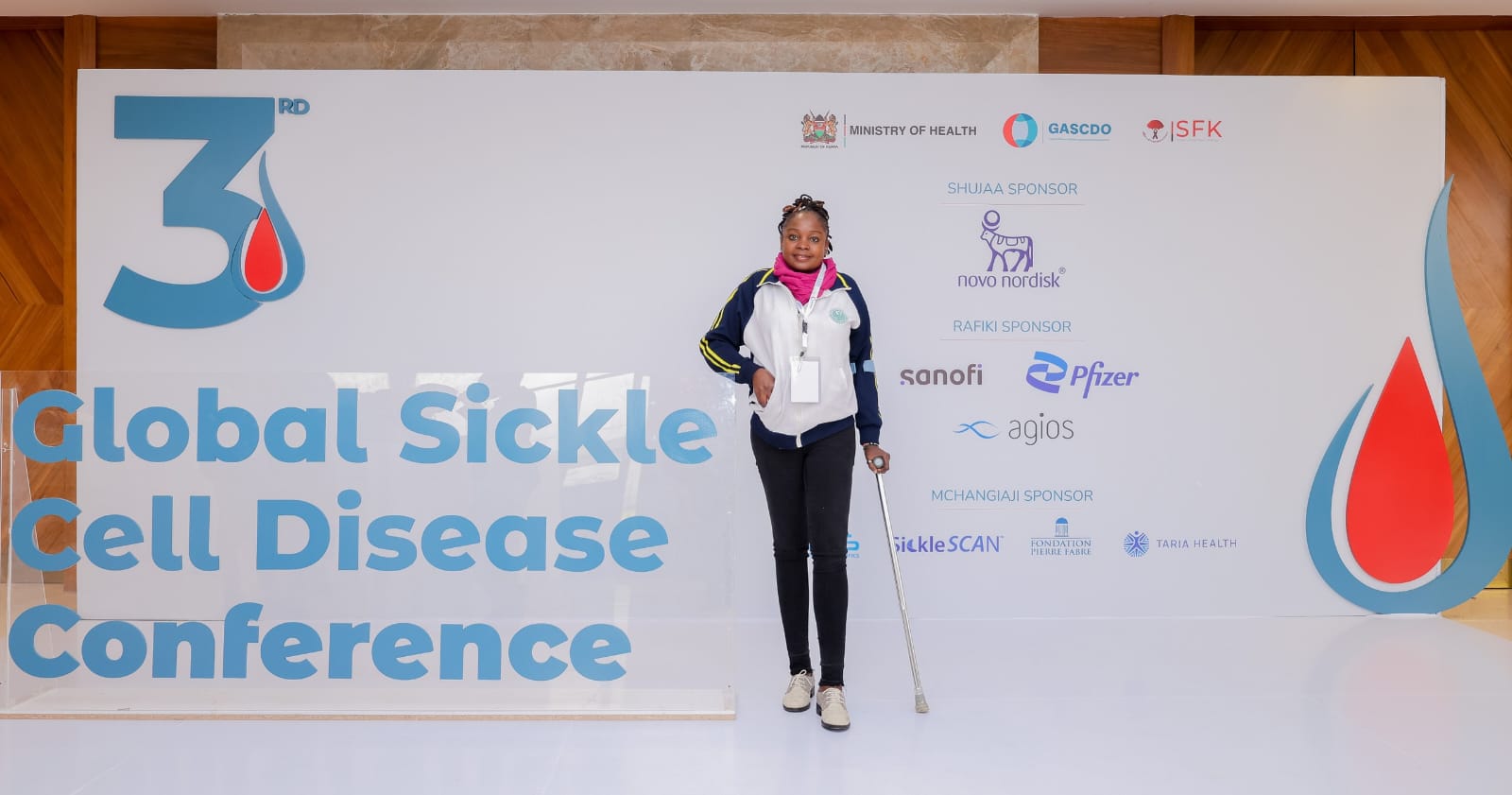
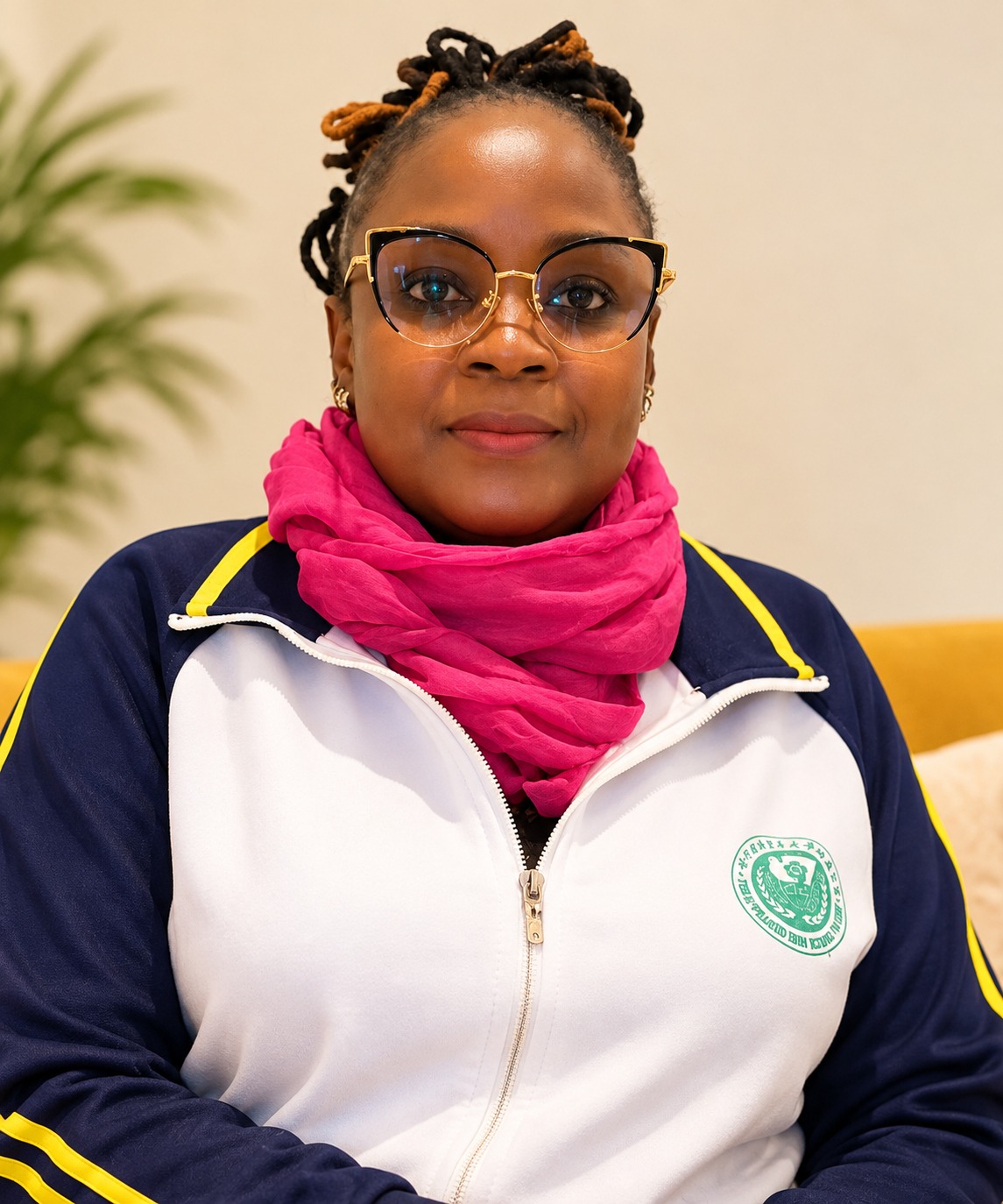
Nairobi, Kenya: When Jackline Oyamo looks at her four-year-old daughter running and talking, she sees more than the child she once feared she might never live to raise.
Living with sickle cell disease, Oyamo grew up hearing that pregnancy could cost her life. The fear stayed with her for years, even as she thought about relationships and having a child of her own.
Despite the fears, she decided to become a mother because she genuinely wanted a child.
“It was a risk because even the doctor told me that I had risked my life by getting pregnant and that if I wanted to get pregnant again, I should go with my partner so we could plan for it,” Oyamo says.
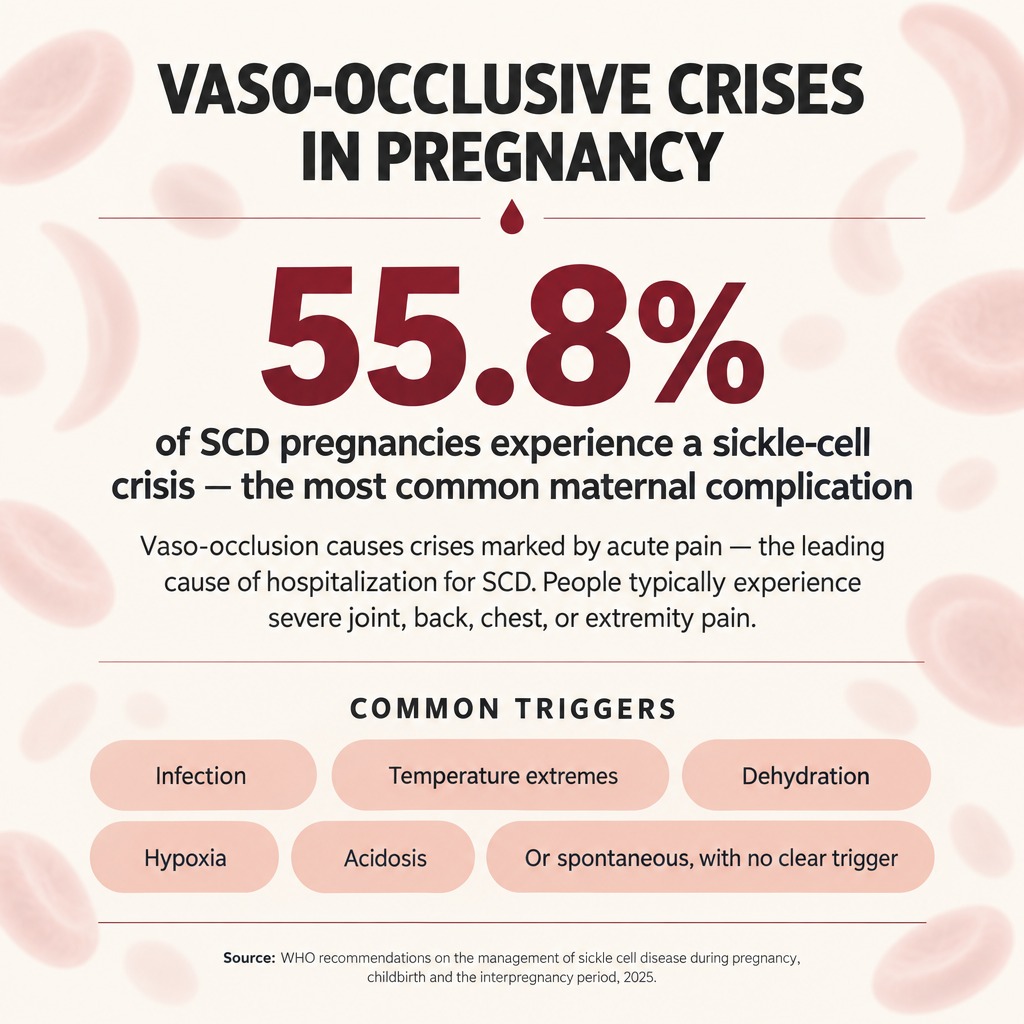
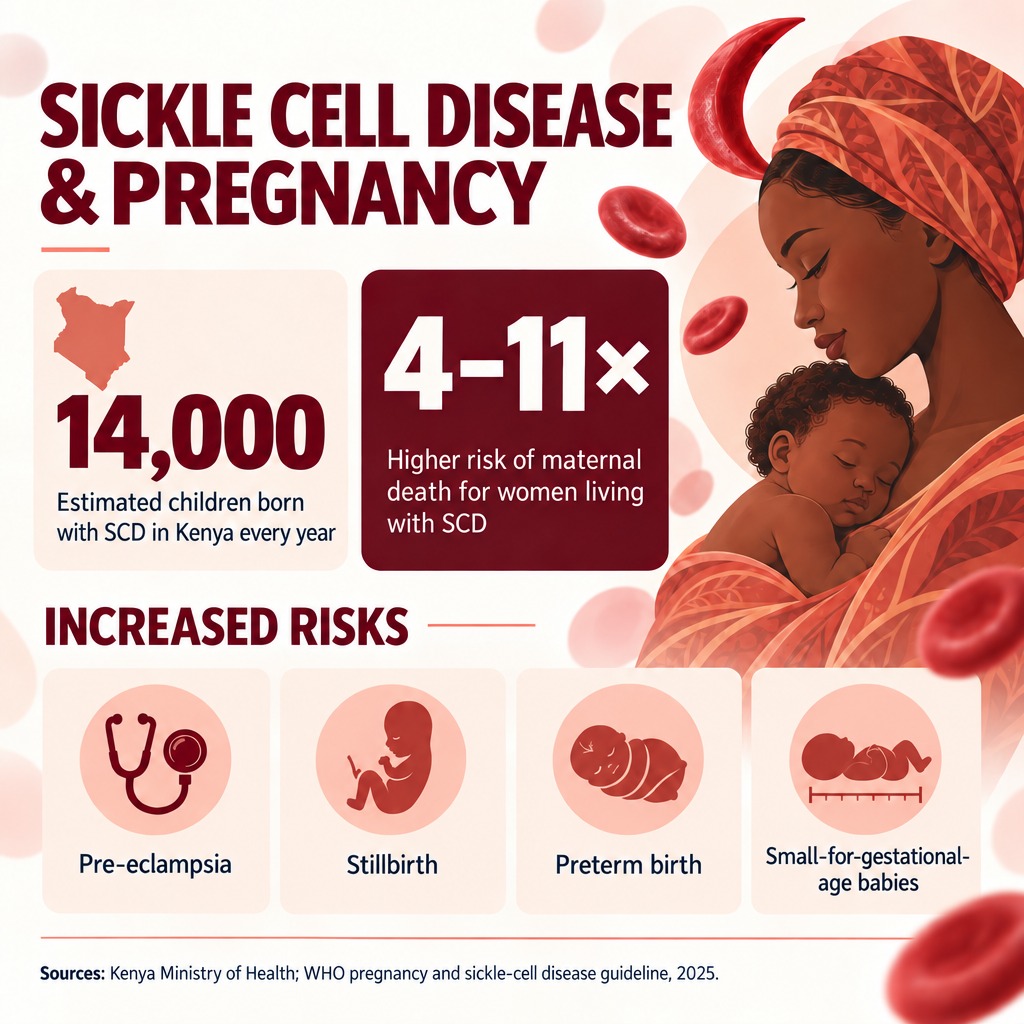
Her fears reflected the real risks associated with pregnancy for women living with sickle cell disease. According to the World Health Organization’s 2025 guideline on managing the condition during pregnancy, women with SCD face a 4 to 11 times higher likelihood of maternal death than women without the condition. Sickle-cell crises are also identified as the most common maternal complication during pregnancy.
At around three months, Oyamo developed acute chest syndrome, causing severe pain and making it difficult for her to sleep. She was hospitalised for a month before returning home. But after two weeks, she fell ill again and was rushed to the hospital.
“I didn’t want to go to the hospital, but my mum forced me to do so,” she recalls. “A friend of my mum who was a matron at the hospital told me that if I wanted to leave with the baby, I had to stay there until I gave birth. It was a very hard decision, but I later agreed.”
At 28 weeks, she was informed that the baby’s heartbeat was very fast, and she underwent an emergency Caesarean section. She gave birth to a baby girl with genotype AS, meaning she carries the sickle cell trait but does not have sickle cell disease.
But the challenges did not end there.
Her baby developed severe pneumonia and experienced delayed developmental milestones. Oyamo, however, continued caring for her daughter and consistently took her to therapy.
“The baby’s journey has also not been easy, but now she’s fine, and I thank God my daughter started to reach her milestones. She’s now running around and talking,” she says.
Facing Stigma Around Motherhood
Oyamo also experienced stigma and discouragement from people in her community during her pregnancy. Some told her she would not return from hospital after giving birth.
When her daughter experienced delayed developmental milestones, community members again made negative comments, telling her the child would not be able to walk.
“Most of the people in my community believed that I was going to die,” she recalls. “So, for me, it was just a miracle coming from the hospital alive with my daughter.”
Balancing Sickle Cell, Motherhood and Work
Managing sickle cell while being a mother, she says, is a major challenge. After giving birth, Oyamo found work as a community health promoter in Kibera.
Although the job provides only a stipend, she says it has been meaningful because it allows her to contribute to her daughter’s needs, including diapers and education.
“The work is not demanding, and it gave me strength because at least I was getting money to buy diapers for my daughter,” she shares.
During sickle cell crises, she has to manage both her own pain while still fulfilling her responsibilities as a mother. Fortunately, she says many of her crises happen at night when her daughter is fast asleep.
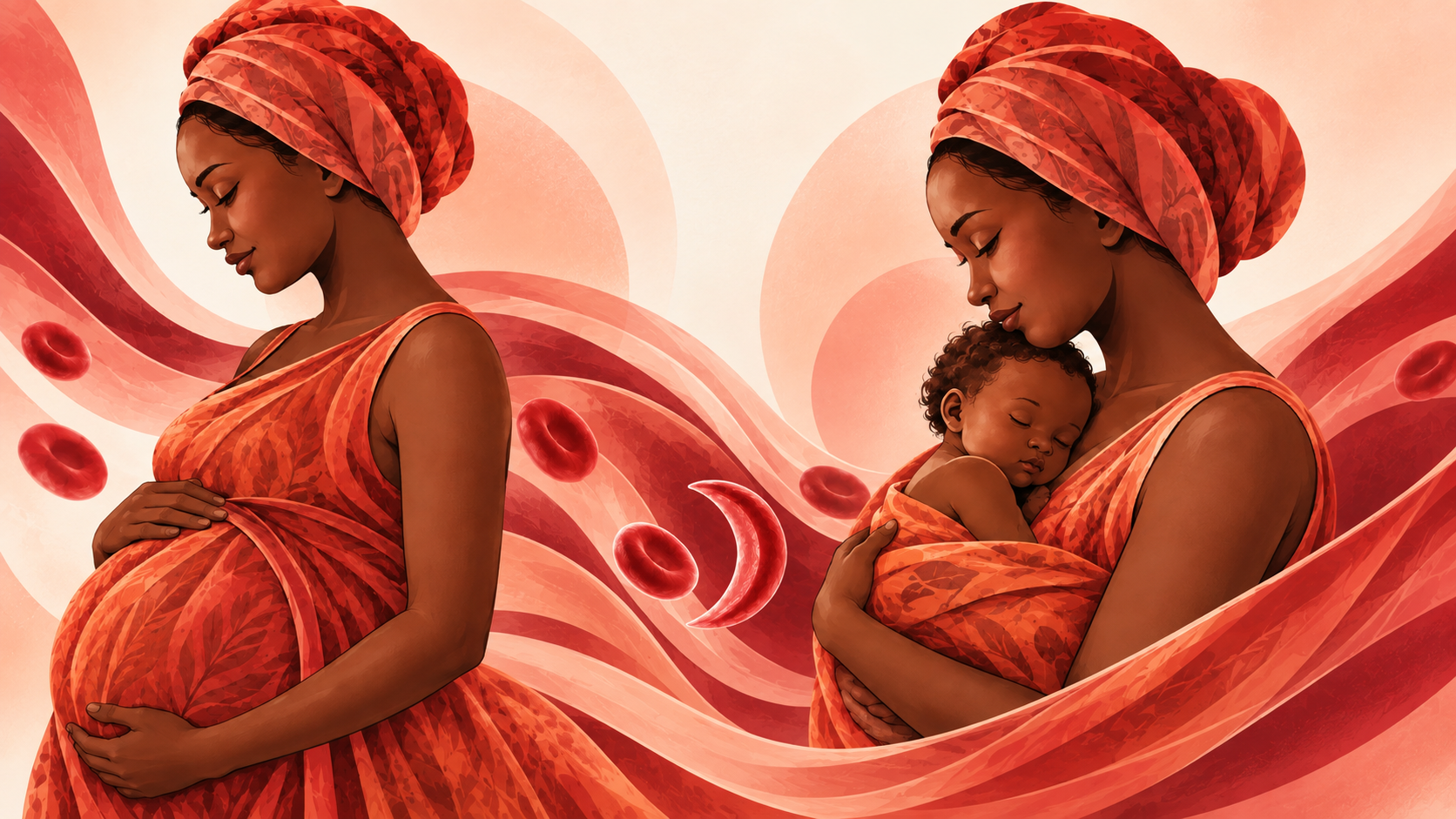
Becoming a mother has also changed how Oyamo manages money. Her daughter’s needs now come first as she has become a source of strength during difficult moments.
“When I’m in a crisis, I normally tell God, ‘please don’t take me. My daughter is too young and needs my support.’ I normally feel happy when she calls me mum, and it motivates me to keep on fighting,” she says.
Having gone through a difficult pregnancy herself, Oyamo now cautions other women living with sickle cell who are considering motherhood not to approach pregnancy as she did, advising them to plan their pregnancies carefully with their doctors and seek medical care early.
A Different Path to Motherhood
For Judy Malila, living with sickle cell disease and working as a businesswoman selling mtumba at Toi Market in Kibera, motherhood came unexpectedly.
She was 29 when she discovered she was pregnant with her first child in 2010. Her periods were irregular, and she only realised she was pregnant when she went to hospital during a sickle cell crisis.
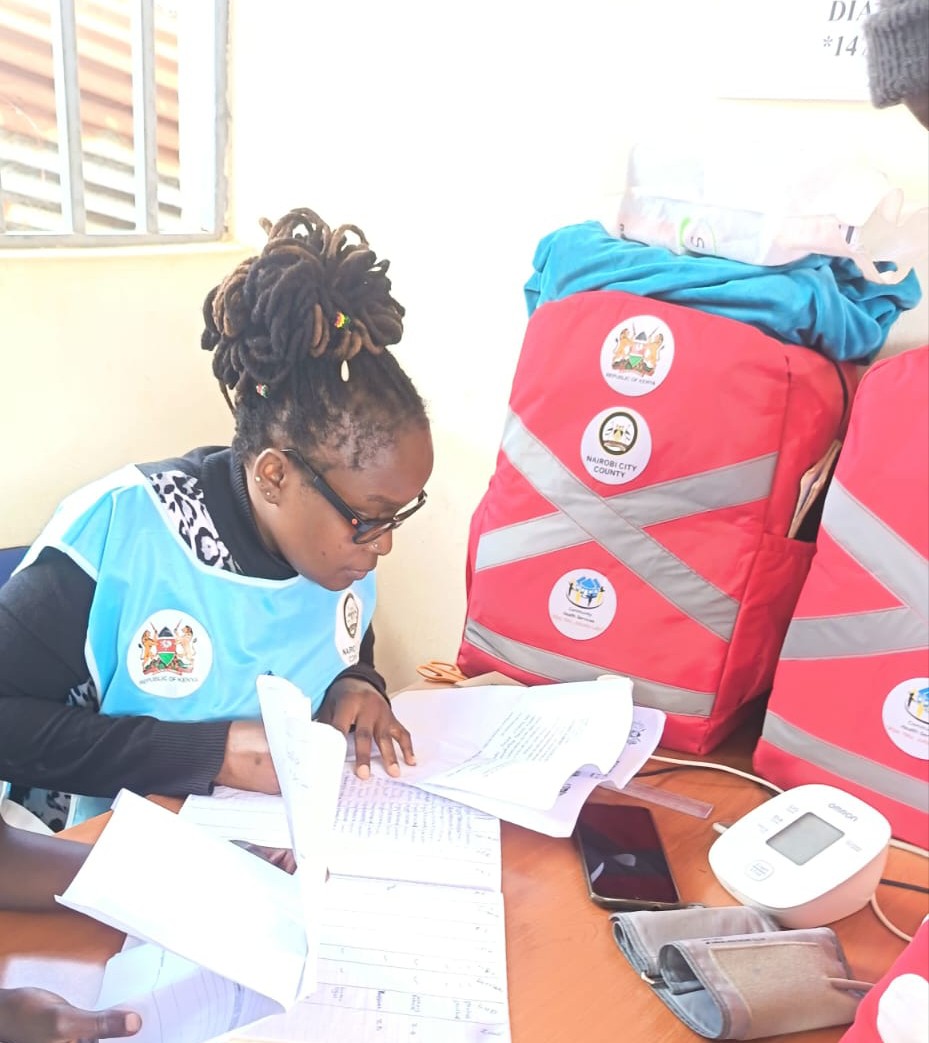
Malila was three months pregnant at the time and was admitted to the hospital for about a week, where she received a blood transfusion and was put on drip. After recovery she went back to her normal routine as a saleswoman. The same thing happened again at six months.
“I was working at my mother’s stall at the time,” she recalls. “When they discovered I’m pregnant, they gave me more time in the morning due to morning sickness.”
Her most difficult experience came during labour. On December 26, her water broke and she was rushed to the hospital at around 9pm and gave birth around 11pm the following day.
During the prolonged labour, she developed a sickle cell crisis, experiencing severe pain throughout her body and becoming weak.
“Trying to manage the crisis and labour at the same time was really painful and they couldn’t give me strong painkillers because it could have stopped the labour,” says Malila.
An electrophoresis test later showed that her son didn’t have the condition but was a carrier (AS), having inherited the A gene from the father and the S gene from the mother.
When her first son was four years old, Malila had a second child, who was delivered through Caesarean section after her cervix failed to dilate.
Throughout both pregnancies and motherhood, she says support from her husband, mother-in-law, siblings and mother has been important.
“With sickle cell, one just needs to have a supportive environment because even your thinking becomes positive,” she adds.
Despite the challenges she faced during both pregnancies, she says motherhood also changed how she viewed herself and what she believed she could do.
“Having my sons has taught me a lot of things, including resilience, strength, and courage. There is nothing I cannot do for my boys,” says Malila.
Oyamo and Malila are among women navigating pregnancy and motherhood while living with the condition. In Kenya, Ministry of Health figures estimate that roughly 14,000 children are born with sickle cell disease every year, highlighting the number of families affected by the condition.
A High-Risk Pregnancy, But Not Impossible
Pregnancy for women living with sickle cell disease is considered high-risk and requires closer monitoring, says Dr. Moses Apella, clinician in charge of the sickle cell clinic at Baraka Health Net in Mathare.
He explains that pregnancy can increase the risk of complications such as pain crises and low haemoglobin levels, making care from different specialists, including haematologists and gynaecologists important, especially for women who cannot easily access or afford such services.
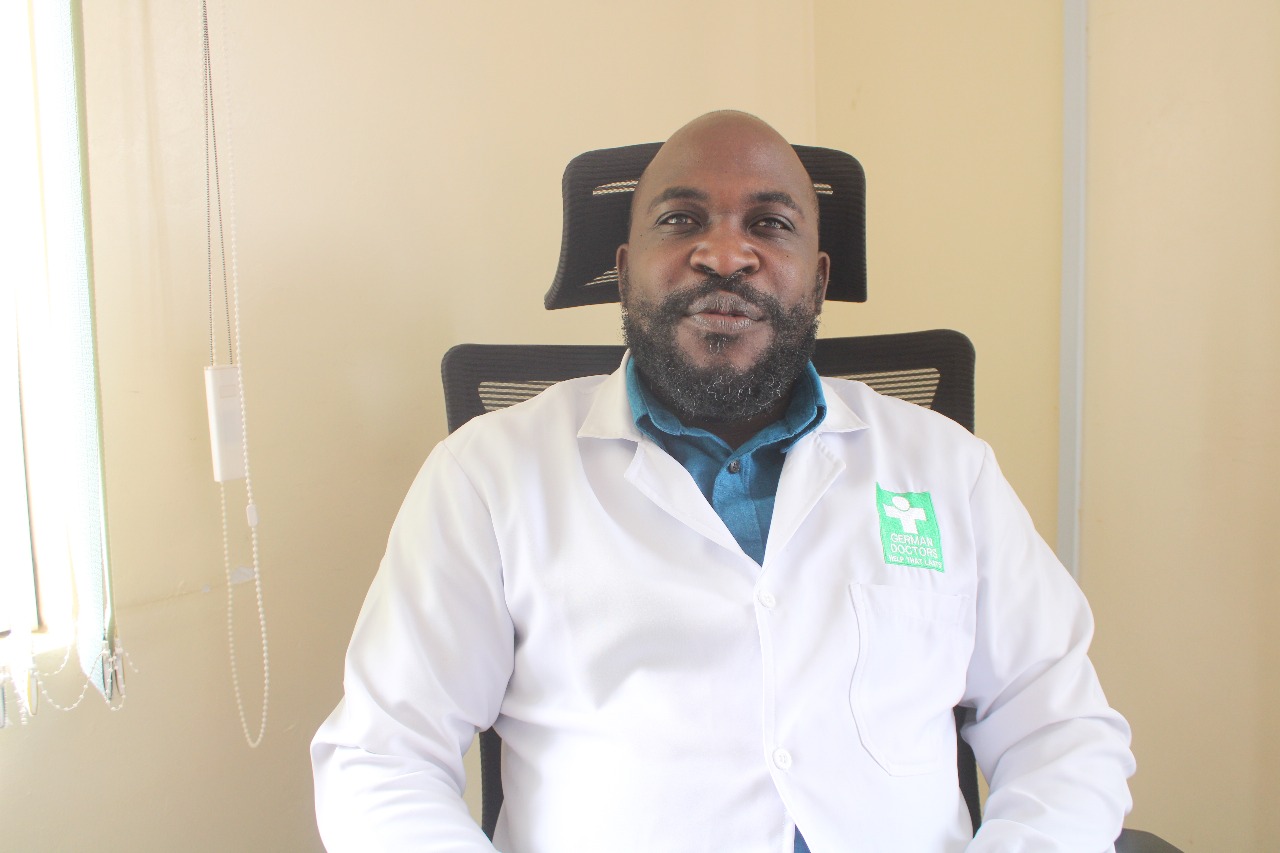
However, Dr. Apella says having sickle cell does not mean that a woman cannot have a successful pregnancy.
“In fact, in my facility, I have more than 10 women who are living with sickle cell and delivered safely,” he says, stressing that a successful pregnancy and delivery depend on appropriate interventions from the onset.
He challenges the misconception that women living with sickle cell will die during childbirth, saying individual deaths should be investigated rather than attributed to the condition.
Dr. Apella also challenges the belief that these women will automatically have children with the same condition.
“A child’s genotype depends on the genotype of both parents,” he says, explaining that when a mother has sickle cell disease (HbSS) and the father has HbAA, their children would inherit HbAS, meaning they would carry the sickle cell trait rather than have sickle cell disease.
The WHO guideline also notes that infants born to women living with sickle cell disease face increased risks of premature birth and low birth weight
Dr. Apella underscores that a baby born at 28 weeks, as in Oyamo’s case, is considered premature and can face complications because its organs, including the lungs, are not yet fully mature.
These can include infections, breathing difficulties, and low body temperature, while some may experience developmental delays.
“The complications that an infant suffers don’t have anything related to sickle cell. That is anything related to premature delivery,” he stresses.
He concludes that irregular menstruation among women with sickle cell disease can make pregnancy difficult to recognise early, stressing the need for more awareness about pregnancy planning, medication, and early antenatal care at the community levels.
For Oyamo and Malila, motherhood has come with challenges, but sickle cell disease has not stopped them from raising their children and building their lives.
Their experiences show the importance of planned pregnancies, appropriate medical care and support for women living with sickle cell disease who choose motherhood.