|
Getting your Trinity Audio player ready...
|
By Liz Anyango
Nairobi Kenya: As countries strengthen preparedness against Ebola and other emerging health threats, health leaders have warned that public trust, transparent communication and community involvement are essential to containing outbreaks.
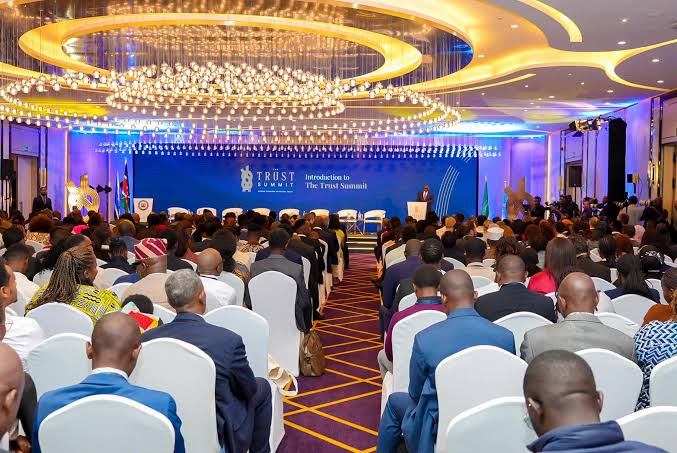
Speaking on Day Two of the Trust Summit in Nairobi, government officials and global health experts said investments in laboratories, healthcare workers and emergency response systems would have limited impact if communities did not trust the institutions responsible for protecting their health.
They called for stronger collaboration between governments, international health agencies and local communities, emphasising that trust must be built before a crisis strikes.
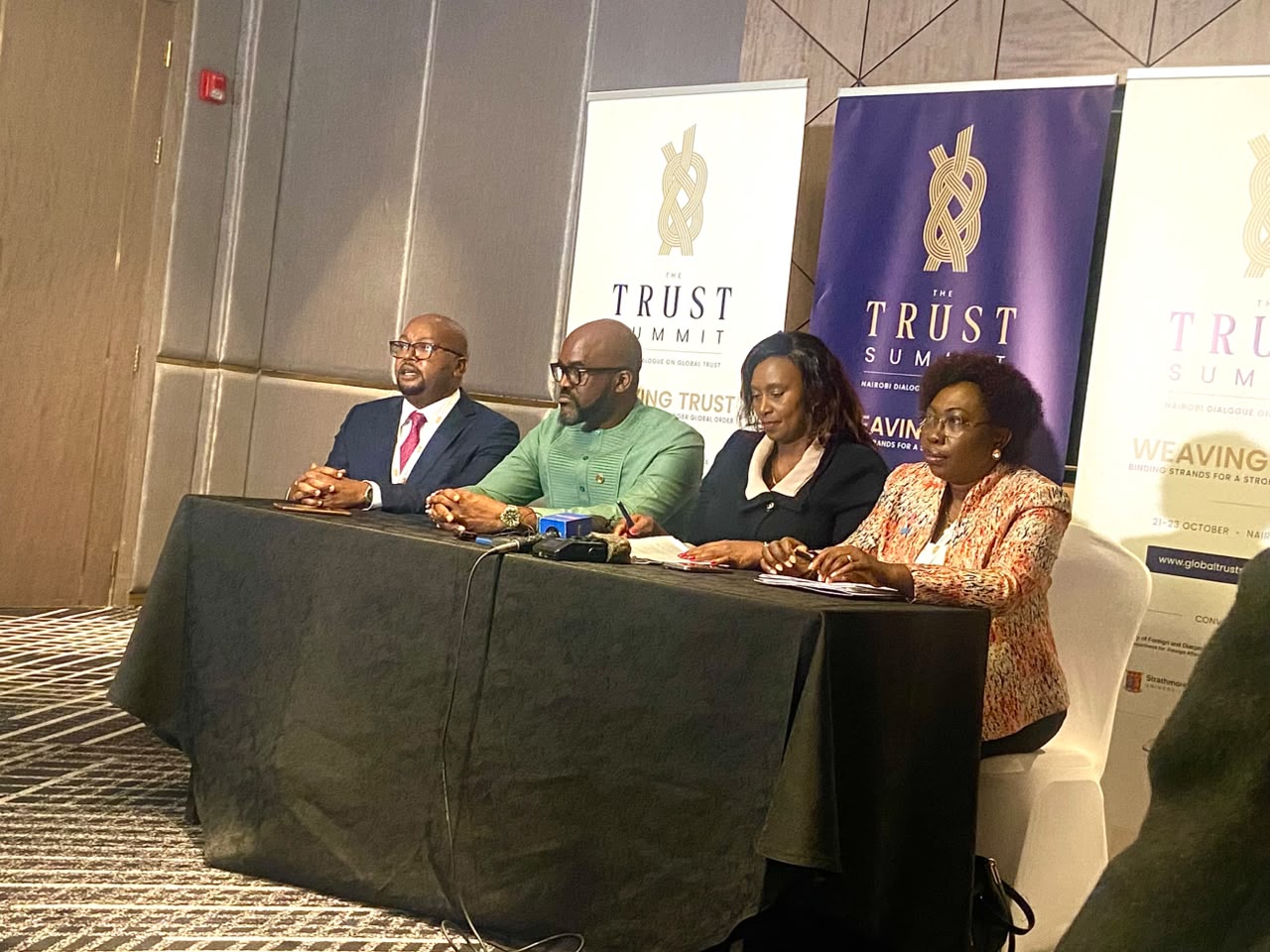
Mary Muthoni Muriuki, Principal Secretary in the State Department for Public Health and Professional Standards, said timely access to accurate information was critical to preventing confusion and misinformation during public health emergencies.
“People can handle difficult news, but they cannot accept being kept in the dark,” she said, stressing the need for authorities to explain public health measures, including quarantine and isolation, and clarify the difference between an imported Ebola case and an outbreak.
The PS said Kenya had trained more than 5,000 healthcare workers, strengthened laboratory capacity and improved disease surveillance and emergency response coordination as part of its preparedness efforts.
She added that authorities must communicate openly while protecting patients’ privacy, warning that stigma could discourage people from seeking treatment or cooperating with health officials.
Muriuki also called on international partners to support countries that promptly report public health threats rather than impose measures that could discourage transparency. She said the Ministry of Health was committed to providing regular, verified updates and sharing findings from its after-action review.
Community Trust at the Centre of Outbreak Response
Prof. Yap Boum II, Head of the Emergency Preparedness and Response Division at the Africa Centres for Disease Control and Prevention (Africa CDC), said fragmented responses and poor information-sharing could undermine efforts to contain outbreaks, particularly those crossing national borders.
He said no country could independently access all the information and resources needed to manage a regional health emergency, making cooperation and coordinated action essential.
Drawing lessons from eastern Democratic Republic of Congo, Boum said resistance to public health interventions could stem from years of institutional disappointment and authorities’ failure to listen to local concerns.
He urged health agencies to work with communities rather than impose interventions on them, calling for village chiefs, women, young people and other local leaders to be involved in disease surveillance, contact tracing and emergency planning.
According to Boum, effective outbreak response requires more than containing a disease. It also depends on building lasting relationships between communities, governments and health institutions.
WHO Warns Against Weakening Global Cooperation
Dr. Neema Rusibamayila Kimambo, Acting World Health Organization representative to Kenya, said public trust influenced whether people sought medical care, accepted vaccines and followed public health guidance.
She warned that misinformation, geopolitical tensions and economic uncertainty were putting pressure on international cooperation at a time when disease threats increasingly required countries to work together.
Kimambo said health institutions needed to communicate clearly about scientific evidence, including what was known, what remained uncertain and why guidance might change as new evidence emerged.
She added that outbreaks, climate-related emergencies and other emerging health threats could not be effectively managed by countries acting in isolation.
Kenya-US Health Partnership Shifts Towards National Ownership
Susan M. Burns, Chargé d’Affaires at the United States Embassy in Kenya, said trust had underpinned decades of bilateral health cooperation as the two countries moved towards a model placing greater responsibility for health programmes on national governments.
She said Kenya was the first country to sign a bilateral health agreement under the new approach, which aims to strengthen national ownership, leadership and long-term financing.
Under the five-year framework outlined by Burns, the United States will provide USD 1.6 billion alongside USD 850 million in Kenyan investment.
The agreement is built around shared benchmarks, co-investment, predictable financing and joint monitoring, with both governments expected to account for their commitments and measure progress against agreed results.
Burns said the transition must not disrupt essential health services, emphasising that patients should not bear the cost of changes in funding arrangements or programme delivery.
Private Sector Support for Public Hospitals
Abbas Gullet, Chairperson of the Kenyatta National Hospital Board, highlighted the role of accountability and transparent financial systems in building partnerships between public hospitals and private-sector organisations.
He said he had mobilised more than Sh500 million from private-sector partners towards refurbishing hospital wards, supported by arrangements that allow partners to directly undertake procurement, contracting and payments for the projects.
Such arrangements, he said, help demonstrate that contributions are being used for their intended purposes and strengthen confidence in public institutions.
Gullet also called on African countries to reduce long-term dependence on external assistance by strengthening institutions and mobilising domestic resources.
The discussions at the Trust Summit underscored a common message: effective public health security depends not only on funding, scientific expertise and emergency infrastructure, but also on public confidence.
As countries prepare for Ebola and other emerging health threats, transparent communication, accountable institutions and meaningful community participation remain central to building resilient health systems.