|
Getting your Trinity Audio player ready...
|
By Lenah Bosibori
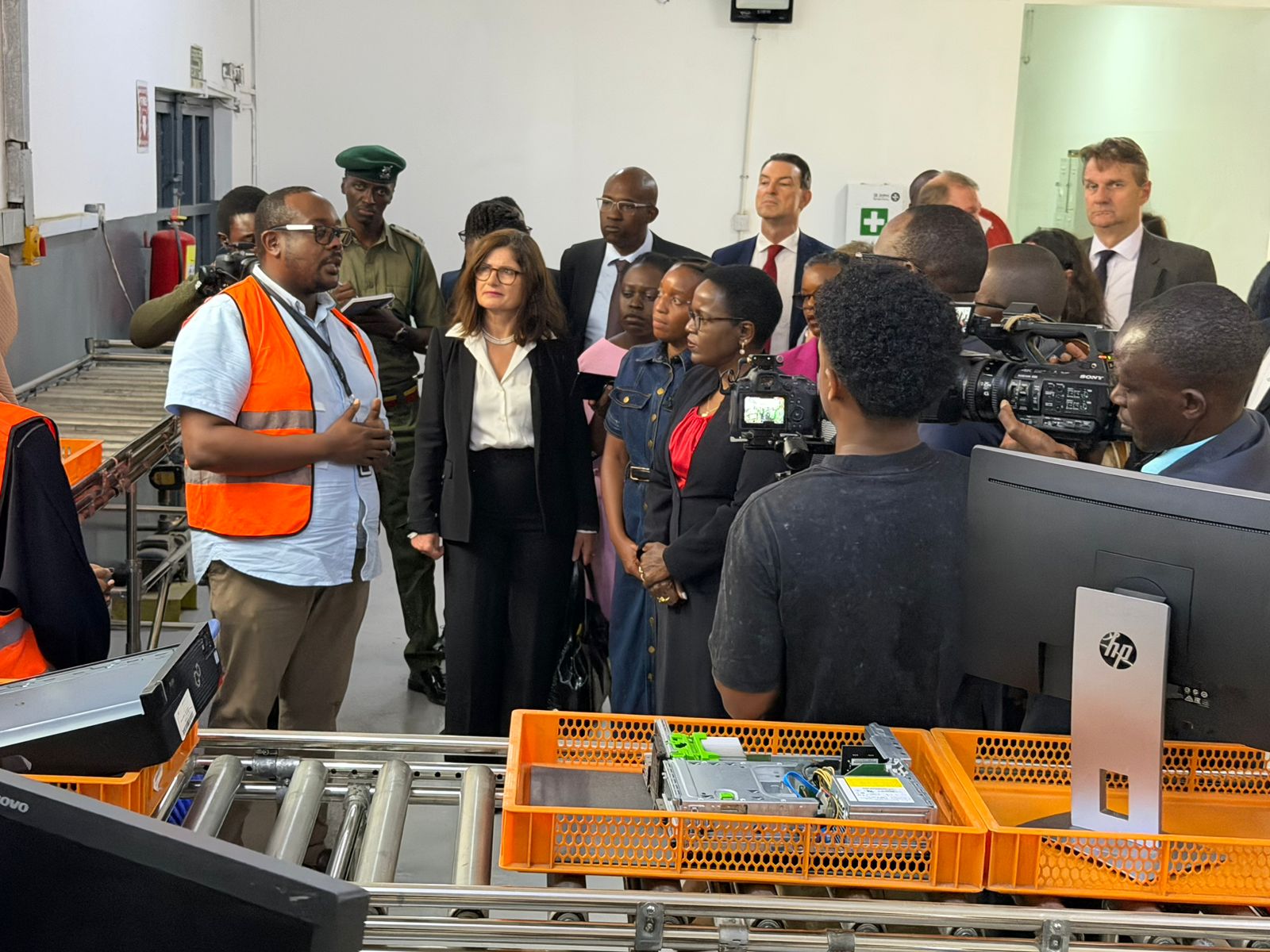
Nairobi, Kenya: In a major push to refurbish electronic devices and expand digital access, Close the Gap Kenya has launched a new IT Asset Management and Disposition (ITAM) and refurbishment facility in Syokimau, positioning the capital as a regional hub for upcycling and redistributing ICT equipment.
The facility is expected to supply affordable, high-quality refurbished devices to small businesses, start-ups, educational institutions, and social impact organizations, while strengthening Kenya’s circular economy.
Speaking during the launch, Olivier Vanden Eynde, Founder and CEO of Close the Gap, said the organization was established over two decades ago to bridge the digital divide.
“The idea was to make technology more accessible to people who lack access due to financial, geographic, or usability barriers,” he said.
Adding “Our goal is to collect devices from companies, refurbish them, and give them a second life making them accessible to entrepreneurs, schools, and organizations that need affordable technology.”
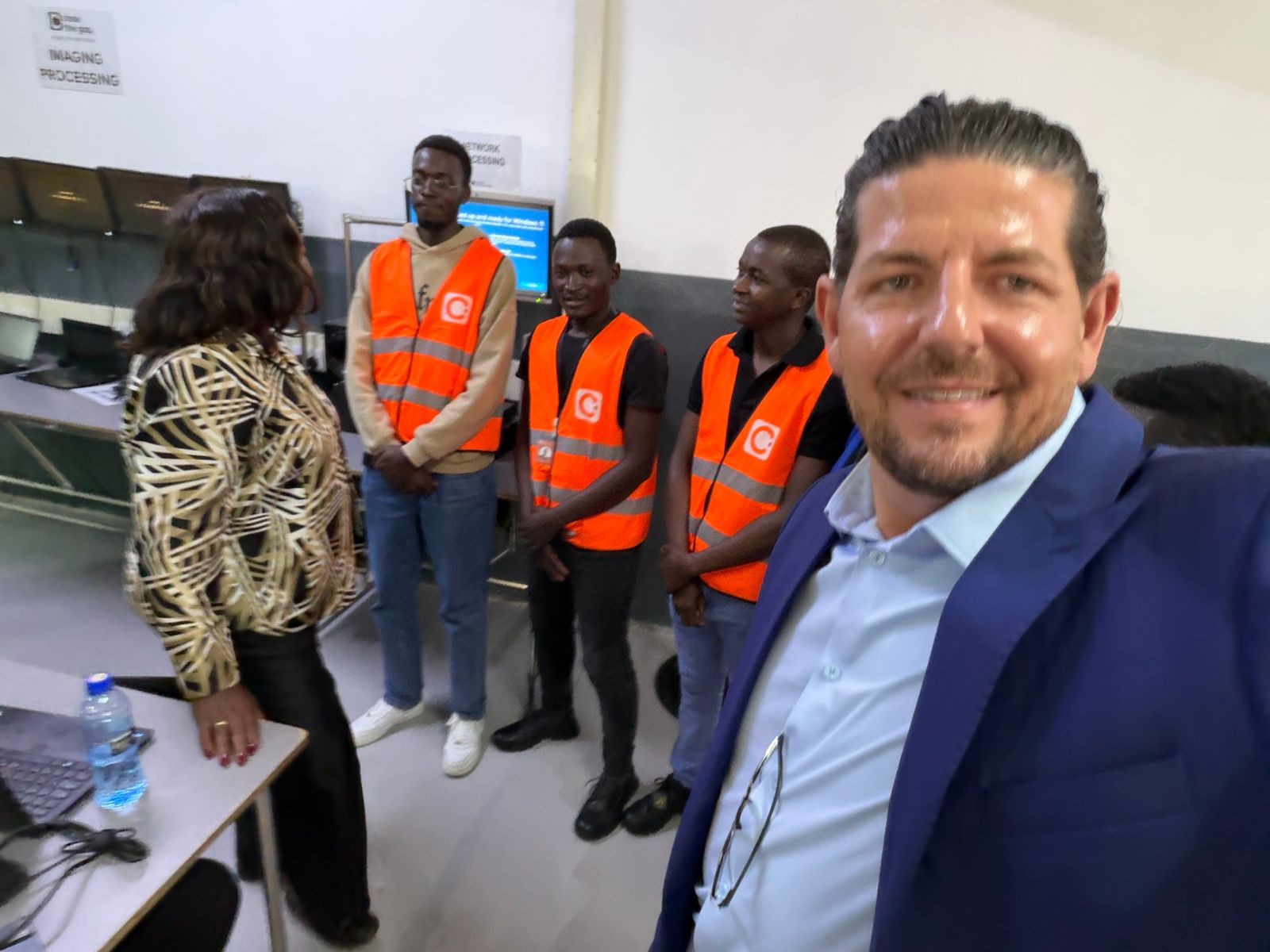
He noted that many young Kenyans have innovative ideas shaped by lived experiences but lack access to essential resources such as workspace, tools, mentorship, and funding.
“That’s where we come in. Our hub provides office space, a supportive environment, access to technology, and even seed funding ranging from $10,000 to $50,000 for promising startups,” he added.
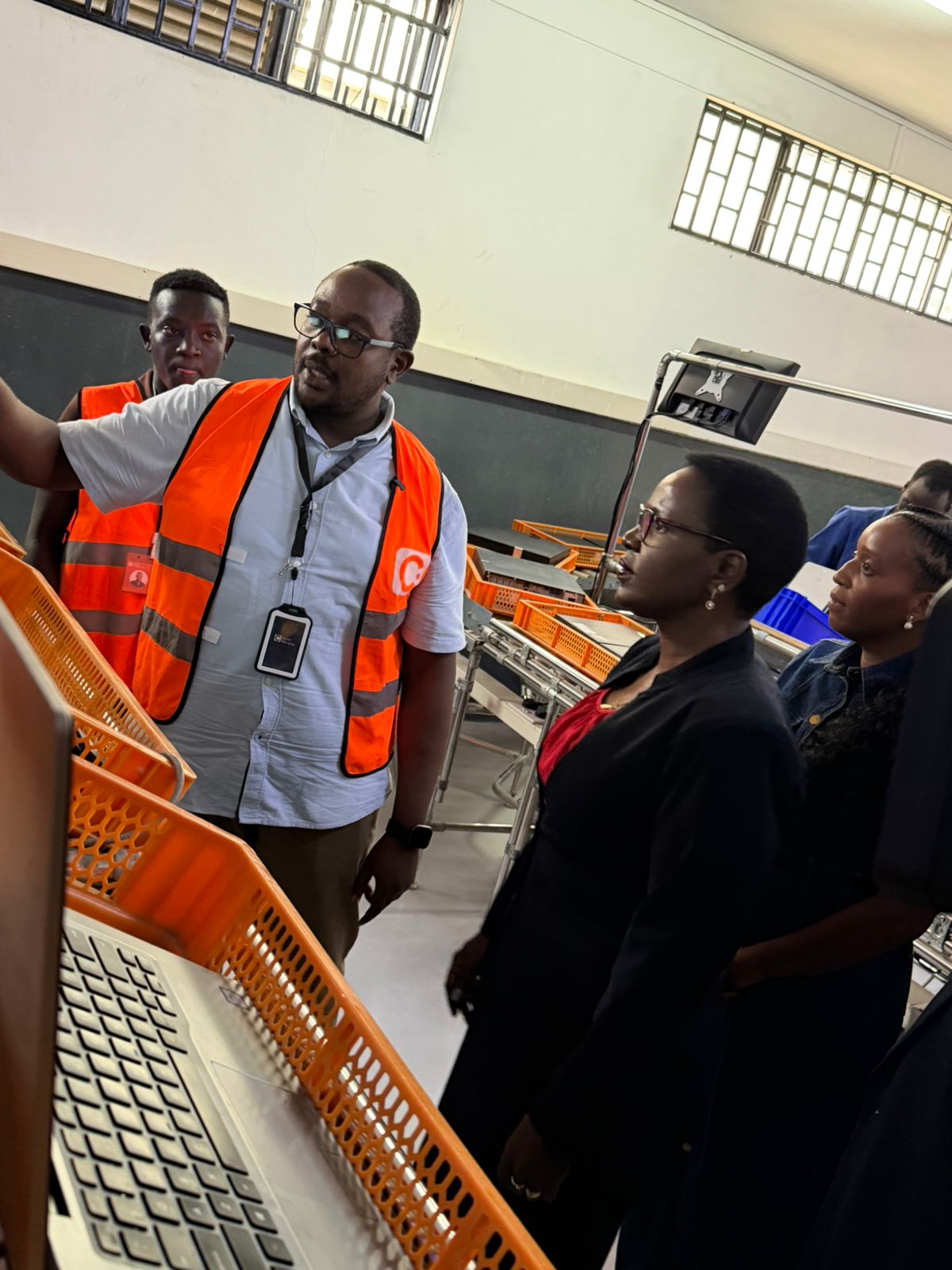
The 2,000-square-metre Nairobi facility employs 25 young Kenyans trained in computer upcycling, data erasure, and refurbishment. It currently processes up to 40,000 devices annually, with the potential to scale up to 200,000—significantly expanding the organization’s capacity beyond its Mombasa plant in Jomvu.
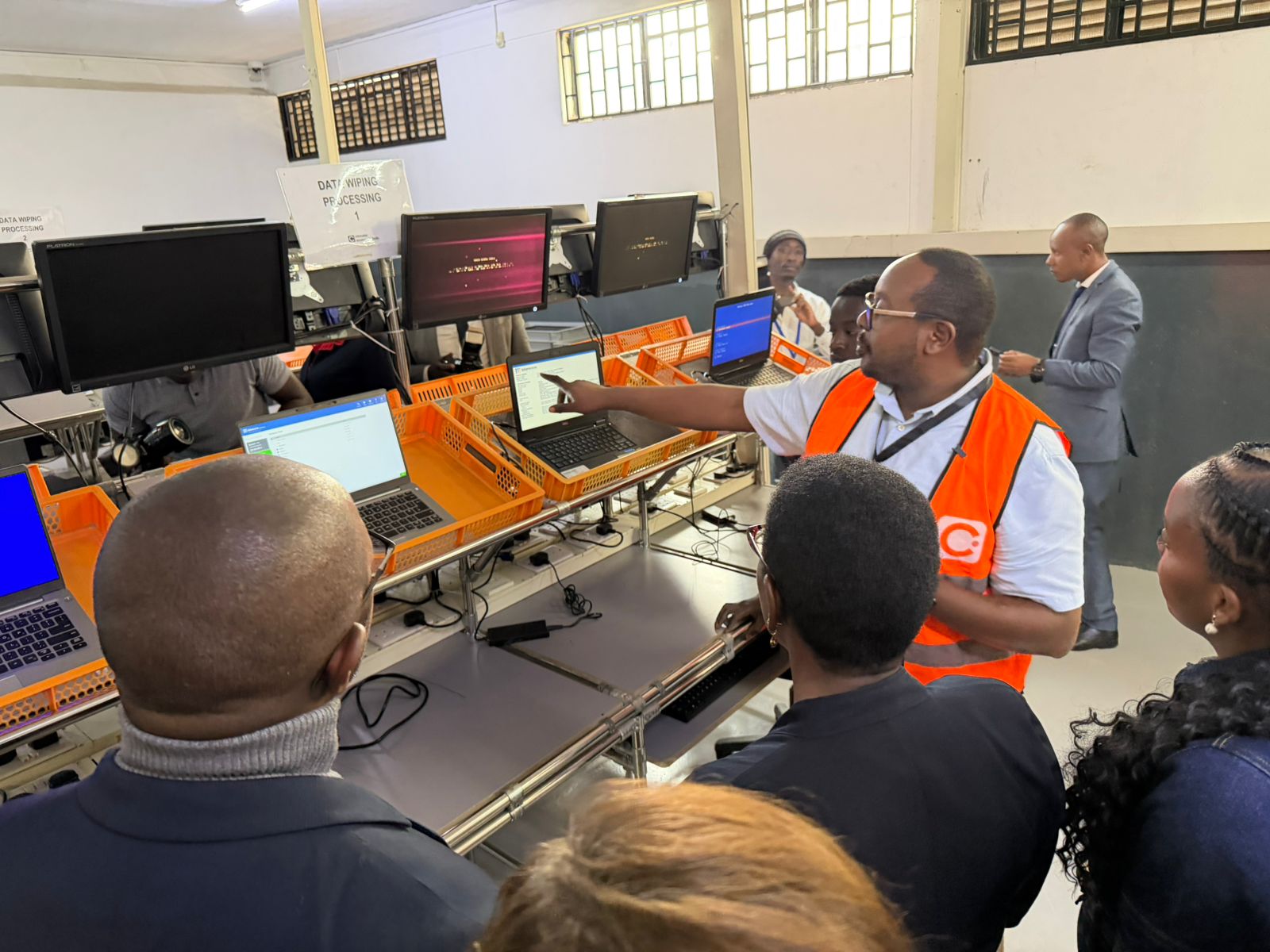
Close the Gap focuses on extending the lifespan of functional devices through refurbishment and reuse rather than recycling. Devices are sourced through donations or purchased at fair market value from companies upgrading their IT systems. Each device undergoes secure data erasure before being refurbished for resale or donation.
“Our focus is on working devices, we are an upcycling organization, not a waste management company,” said Eynde.
Refurbished devices are sold at highly affordable prices, with some laptops retailing from as low as KSh 9,000, widening access to technology for underserved communities.
The Nairobi hub will also provide end-of-life device management services to corporates and public institutions, including secure data destruction, refurbishment, and sustainable disposal pathways. Devices that cannot be reused will be handled by licensed e-waste recyclers such as the WEEE Centre and EnviroSource Kenya.
 The initiative aligns with Kenya’s Vision 2030 by supporting digital transformation through increased access to devices and infrastructure, while also advancing the Bottom-Up Economic Transformation Agenda through inclusive growth.
Globally, Close the Gap operates within the Circular IT Group ecosystem, processing over one million devices annually across Europe. In Africa, the organization has refurbished more than two million devices and reached over six million users through partnerships with governments, schools, and non-profits.
Beyond device access, the organization is investing in digital skills development. In Kenya, Close the Gap has partnered with Borstal Boys Institution and Shimo La Tewa Women’s Prison through its “Adopt a Class” initiative, equipping in-prison learning centres with digital tools and training.
Through the programme, hundreds of inmates have gained digital skills, with some successfully transitioning into employment after release. One beneficiary, Maureen Irene Omollo, secured a job as a computer teacher after completing the training while in prison.
“Many people think those who are incarcerated are not worthy of returning to society. I have been able to show that there is life after prison,” she said.
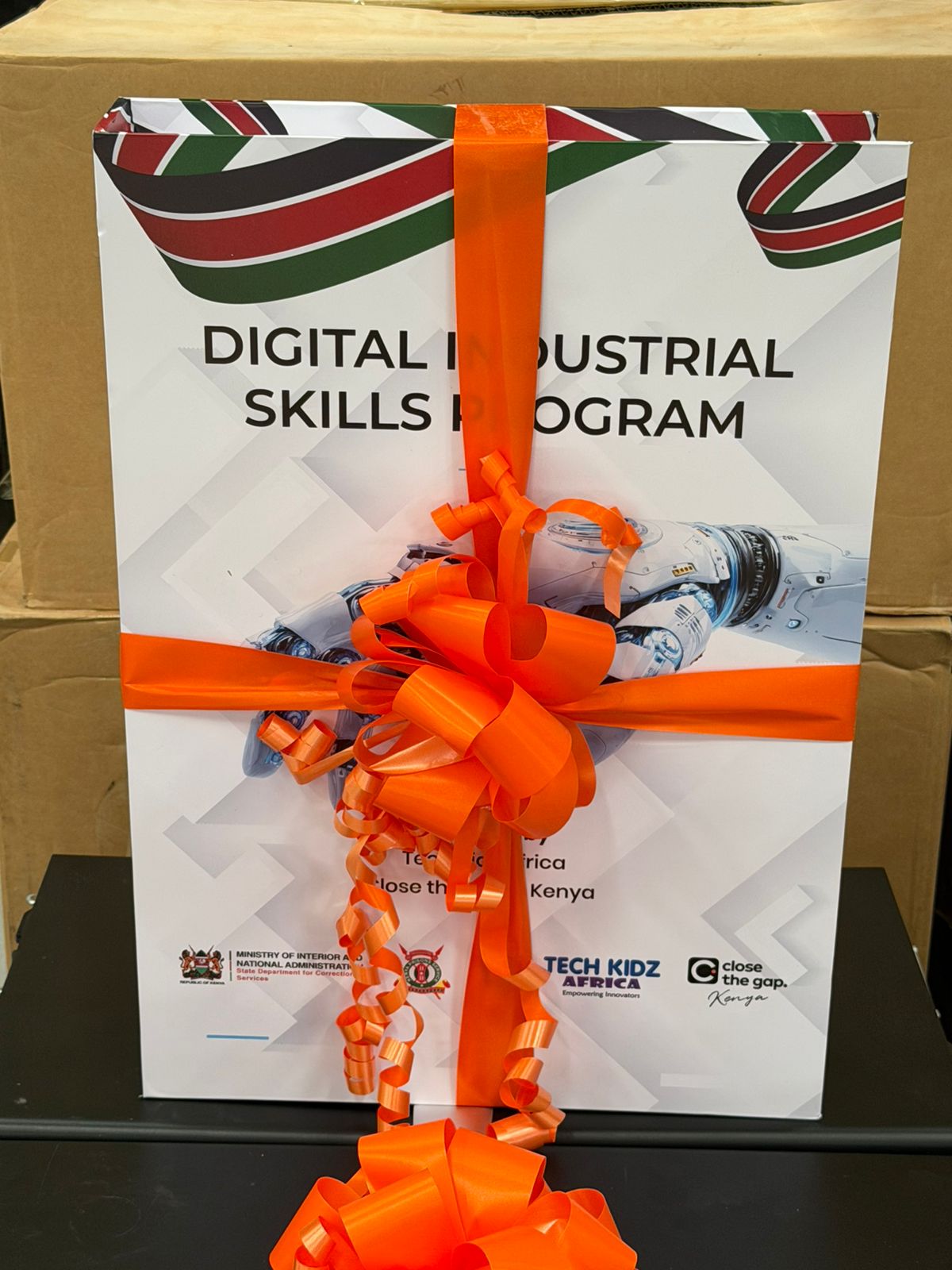
At the launch, the organization announced plans to establish digital hubs in 14 prisons across the country in partnership with Techkidz Africa, in collaboration with the State Department for Correctional Services led by Dr. Salome Beacco, Principal Secretary.
 Paul Akwabi, Executive Director of Techkidz Africa, said the organization complements Close the Gap’s work by addressing digital literacy gaps. “As Close the Gap focuses on bridging the device gap, Techkidz Africa is working to close the digital literacy gap,” he said.
“We donate and sell computers while building the capacity of teachers to integrate ICT into learning. We have been working with two prisons and plan to expand to 13 more institutions. Ultimately, we aim to equip people with digital skills to compete globally.”
Wariara Waireri, Africa Partnerships and Ecosystems Lead at HP Inc., said Kenya has made significant investments in digital learning infrastructure, but much of it remains underutilized.
“More than a decade ago, under former President Mwai Kibaki’s administration, the government launched the Digital Literacy Programme in public primary schools. Today, about 1.2 million devices have been distributed across more than 33,000 public schools. However, less than 10 percent are in active use,” she said.
“This means only about 100,000 devices are currently in the hands of learners, while the rest remains underutilized infrastructure.”
 She attributed the gap to challenges such as inadequate teacher training, limited technical support, and insufficient resources to integrate technology effectively into learning.
The launch brought together global and regional partners, including Deloitte East Africa, Puratos Kenya, Air France–KLM East Africa, SGA Security, and the Raspberry Pi Foundation, with additional support from companies such as Shell and Nestlé.
European diplomats, including Belgian Ambassador Peter Maddens, Dutch Ambassador Henk-Jan Bakker, and EU Ambassador Henriette Geiger, also attended, highlighting the strong international collaboration behind the initiative.
With its Nairobi expansion, Close the Gap is positioning itself as a key player in advancing digital inclusion, reducing e-waste, and supporting sustainable development in Kenya and beyond.