|
Getting your Trinity Audio player ready...
|
Mary Mwendwa
Nairobi, Kenya: With five negotiating days left before the World Health Assembly, Kenyan and African advocates warn that a diluted PABS Annex is worse than no deal at all.
African civil society leaders on Thursday warned that the continent must not sign any Pathogen Access and Benefit-Sharing (PABS) Annex to the WHO Pandemic Agreement unless it guarantees legally binding benefit-sharing, cautioning that a weak deal would formalise the inequities exposed by COVID-19 for a generation.
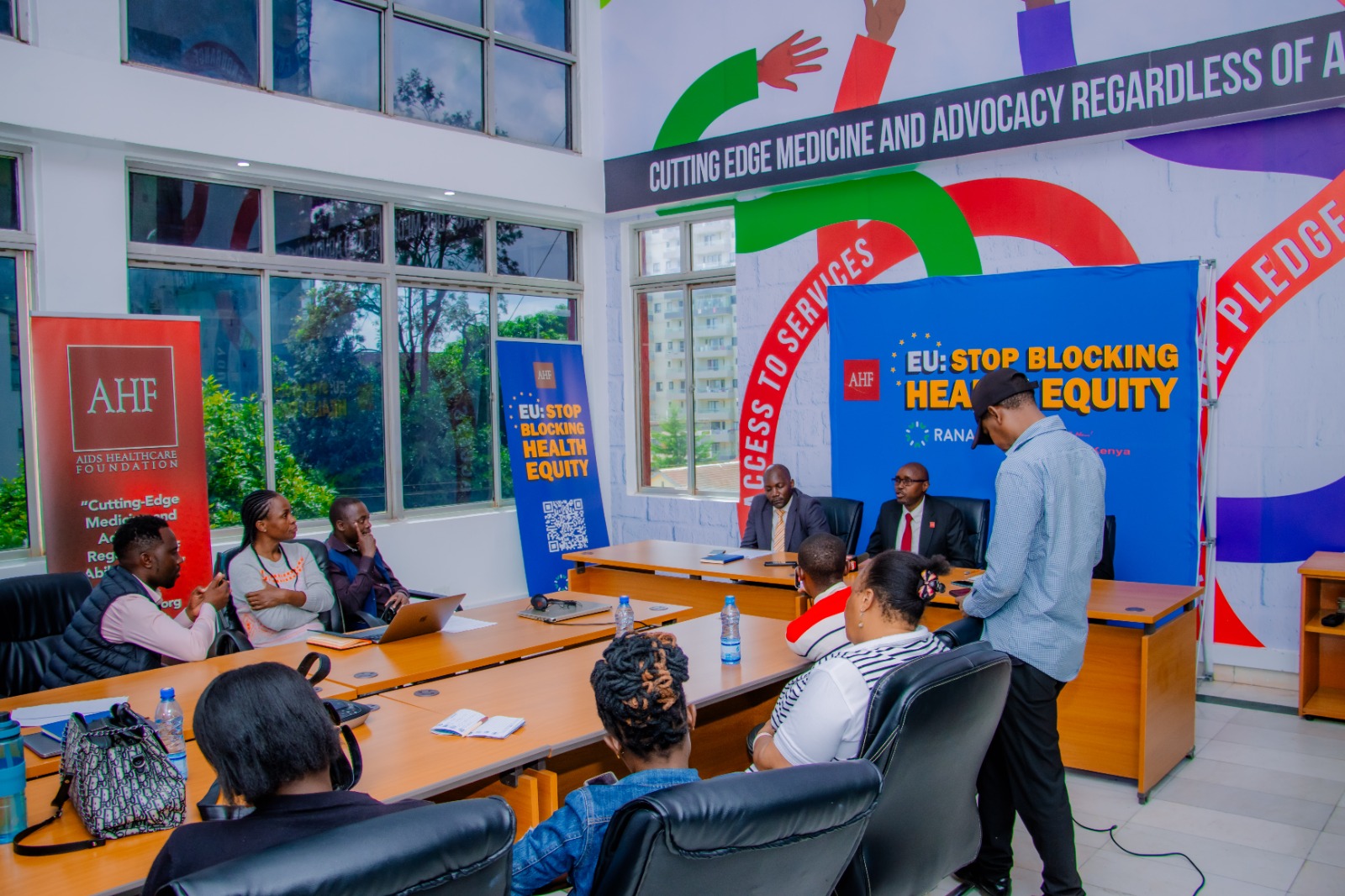
Speaking at a press conference in Nairobi, three days before WHO Member States reconvene in Geneva for the resumed sixth meeting of the Intergovernmental Working Group on April 27, Aggrey Aluso, Executive Director of the Resilience Action Network Africa (RANA); Dr Samuel Kinyanjui, AHF Kenya Country Director; Dan Owala of the People’s Health Movement Kenya; and Willis Omondi of the Mind To Heart Community-Based Organisation urged African governments to harden their negotiating posture in the final five-day window before the 79th World Health Assembly in May.
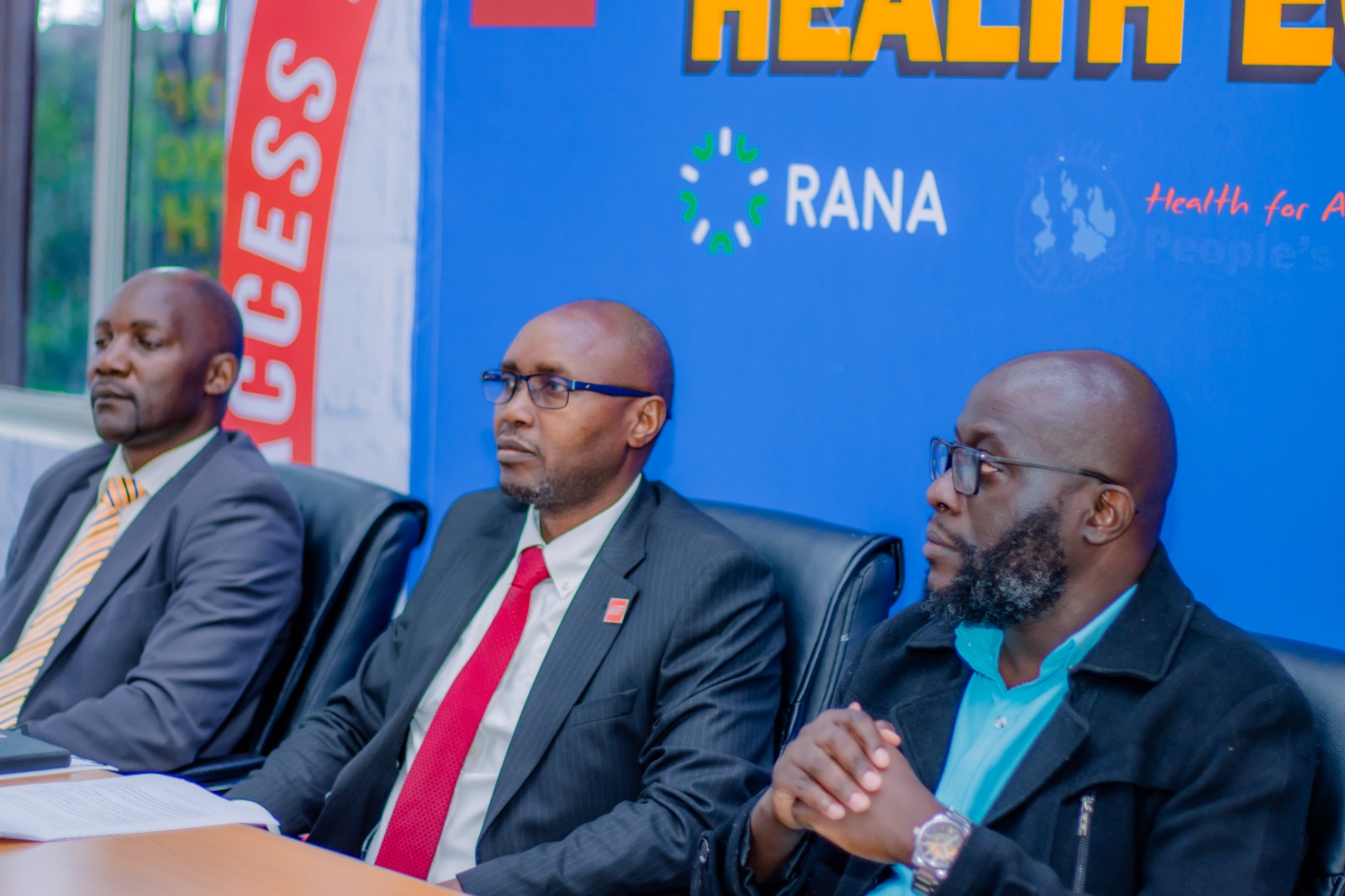
“Most diseases with pandemic potential—Ebola, Marburg, Lassa fever, mpox—are endemic in Africa, not in Europe or the United States. Yet Europe and the U.S. hold stockpiles of mpox vaccines. Africa does not. Where did they get the genetic sequencing data? From Africa. Free of charge,” Aluso said. “This is not a negotiation about charity. It is about one of the most strategic resources in 21st-century public health. A good agreement is possible and we have all the right propositions on the table. All actors have to act in good faith.”
Adopted in May 2025, the WHO Pandemic Agreement cannot be opened for signature until the PABS Annex is finalised. The Annex governs how pathogen samples and genetic sequence data—the raw material for vaccines, diagnostics, and therapeutics—are shared and how the resulting benefits flow back to countries that provide them. According to BMJ Global Health, Africa, home to 17% of the world’s population, received less than 3% of COVID-19 vaccines, even as African scientists rapidly identified and shared genomic data on the Beta and Omicron variants.
“When developing countries share their pathogens, they deserve binding, enforceable benefit-sharing in return, not hollow promises,” Dr Kinyanjui said. “The Pandemic Agreement cannot be ratified without the PABS Annex, and the Annex must not be approved without binding equity provisions. Delay is denial.”
The last round of talks, which ended in Geneva on March 28, concluded without agreement. Africa’s 47-member regional bloc, led by South Africa and Namibia, rejected a Bureau draft circulated on March 9, arguing it had been issued without adequate consultation and failed to advance core equity provisions. Member States agreed to reconvene from April 27 to May 1 to bridge what WHO Director-General Dr Tedros Adhanom Ghebreyesus described as differences that “go to the heart of equity, access, sovereignty and global solidarity.”
According to Health Policy Watch, roughly 100 low- and middle-income countries continue to press for mandatory benefit-sharing, while high-income nations, particularly within the European Union, favour flexible, voluntary commitments. Aluso said Africa was bringing more to the table than its leaders appeared to recognise. “Africa carries 25% of the global disease burden with 17% of the world’s population, and we manufacture less than 1% of our own vaccines.
That is not a humanitarian equation—it is a negotiating position,” he said. “Europe has clear red lines. Germany has said publicly it will not sign an agreement with enforceable provisions. Have you heard a red line from an African state? I have not. That silence is its own answer.”
“The last pandemic was not a failure of science—it was a failure of solidarity,” said Dan Owala, National Coordinator of the People’s Health Movement Kenya. “If the PABS Annex is stripped of binding contracts and traceable obligations, we will have rebuilt the same architecture that failed our people the first time. Solidarity written in pencil is not solidarity at all.”
Of particular concern to speakers was an informal “hybrid” proposal quietly circulating among delegations. Under the model, an “open” route would permit access to pathogen materials and sequence data without user registration, contracts, or benefit-sharing, running alongside a “closed” route with full obligations. AHF’s Advocacy Two-Pager, released on April 15, warns that in practice, companies and researchers would overwhelmingly gravitate to the unregulated open route, “hollowing out the PABS architecture entirely.”
Kenya has been doing its part. The country is one of eight African states to have achieved WHO Maturity Level 3 for medicines regulation, and the Ministry of Health’s Local Manufacturing Strategy 2025–2030 commits to producing half the country’s essential medicines domestically. Whether that ambition is rewarded or undermined, Dr Kinyanjui said, “now depends on what happens in Geneva.”
Aluso offered a blunter assessment. “The ACT-Accelerator needed US$38 billion and spent most of its life with a funding gap of more than half. Pledges do not pay for vaccines. Promises do not reach clinics,” he said. “If what emerges next week reinstates ‘mutually agreed terms’ and ‘resources permitting’—the same language that failed us during COVID—then we should wait for another round. A bad agreement is worse than no agreement. It legitimises the status quo for a generation.