|
Getting your Trinity Audio player ready...
|
By Victoria Fakiya
Lagos, Nigeria: Ghana is switching things up in a big way. Instead of fining telcos for poor service, Communications Minister Samuel Nartey George has told operators to fix the problem directly.
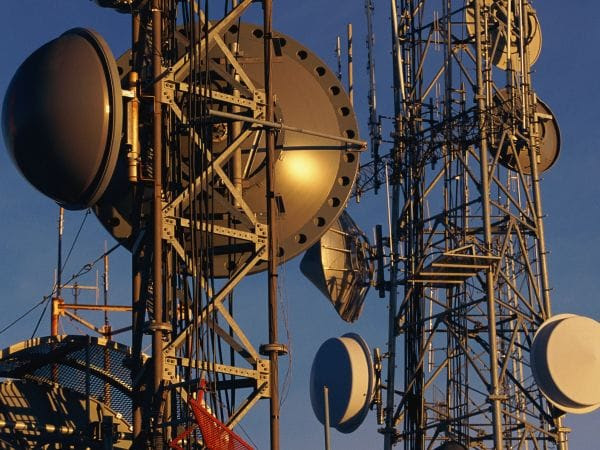
Following recent quality of service breaches, MTN Ghana and Telecel Ghana have been ordered to build a combined 1,150 new cell sites in 2026. The announcement came on April 12 during the launch of the One Million Coders Programme, with MTN committing to 800 sites at most and Telecel taking on 350.
It’s a clear shift in how the sector is being regulated. Previously, the National Communications Authority would fine operators for missing service benchmarks and keep the money. Now, that approach is being flipped.
Instead of paying penalties, telcos are being pushed to invest directly in infrastructure, including towers, antennas, and network upgrades that people can actually feel in their day-to-day usage.
On top of that, the acceptable service breach threshold has been tightened from 3% to just 1%, raising the pressure to deliver.
And honestly, the numbers show why this change was needed. Over the last decade, MTN Ghana averaged just over 200 new sites per year, and things got worse recently: only 30 sites in 2024 and 50 in 2025.
For a country still dealing with connectivity gaps, especially outside major cities, that pace simply wasn’t cutting it.
Now, with an 800-site commitment in a single year, the expectation is that network quality should improve noticeably if the rollout actually happens.
This didn’t come out of nowhere. Complaints about dropped calls, slow Internet, and patchy coverage have been building for years.
While the regulator had been issuing fines, critics, including the minister himself, argued that it didn’t really solve the problem. Samuel Nartey George had already hinted earlier in 2026 that forcing infrastructure investment would be more effective.
So when the latest round of breaches triggered fines, he stepped in and redirected the entire approach.
Zooming out, Ghana is tapping into a bigger debate across Africa: do fines actually improve telecom services, or just punish operators financially? Other countries have leaned heavily on penalties, like Nigeria’s massive fine against MTN Nigeria in 2015.
But Ghana is trying something more practical, tying penalties directly to infrastructure. The real test now is simple: will these towers actually get built by year-end, or will this become another promise that fades quietly?
This article was published earlier on Techpoint Africa