
|
Getting your Trinity Audio player ready...
|
By Mercy Kachenge
Nairobi, Kenya: For years, Kenya’s maternal health story has followed a familiar script: a woman dies because she could not reach a hospital in time either due bad roads, no transport or no money for a ride at 2 a.m.
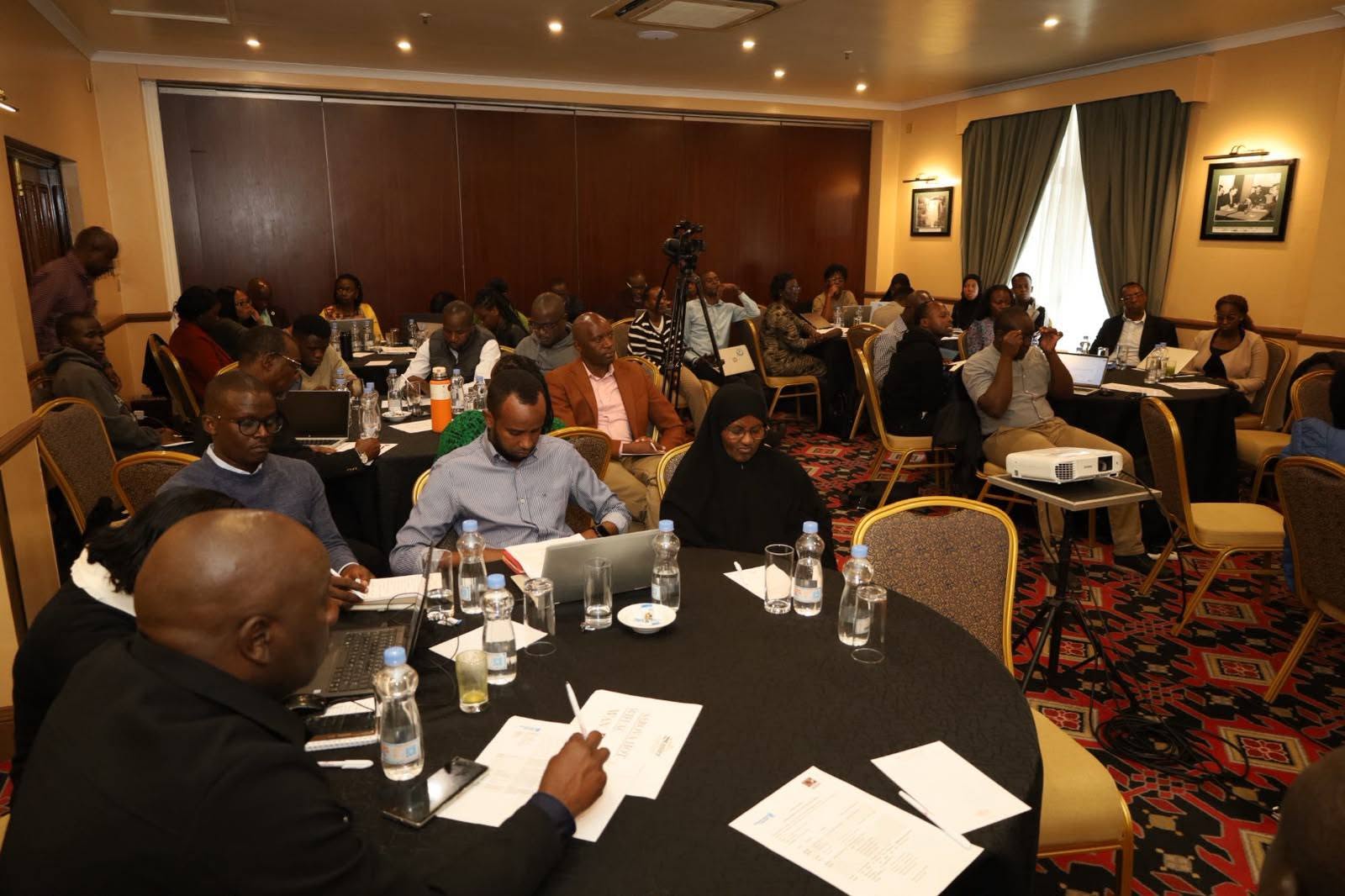
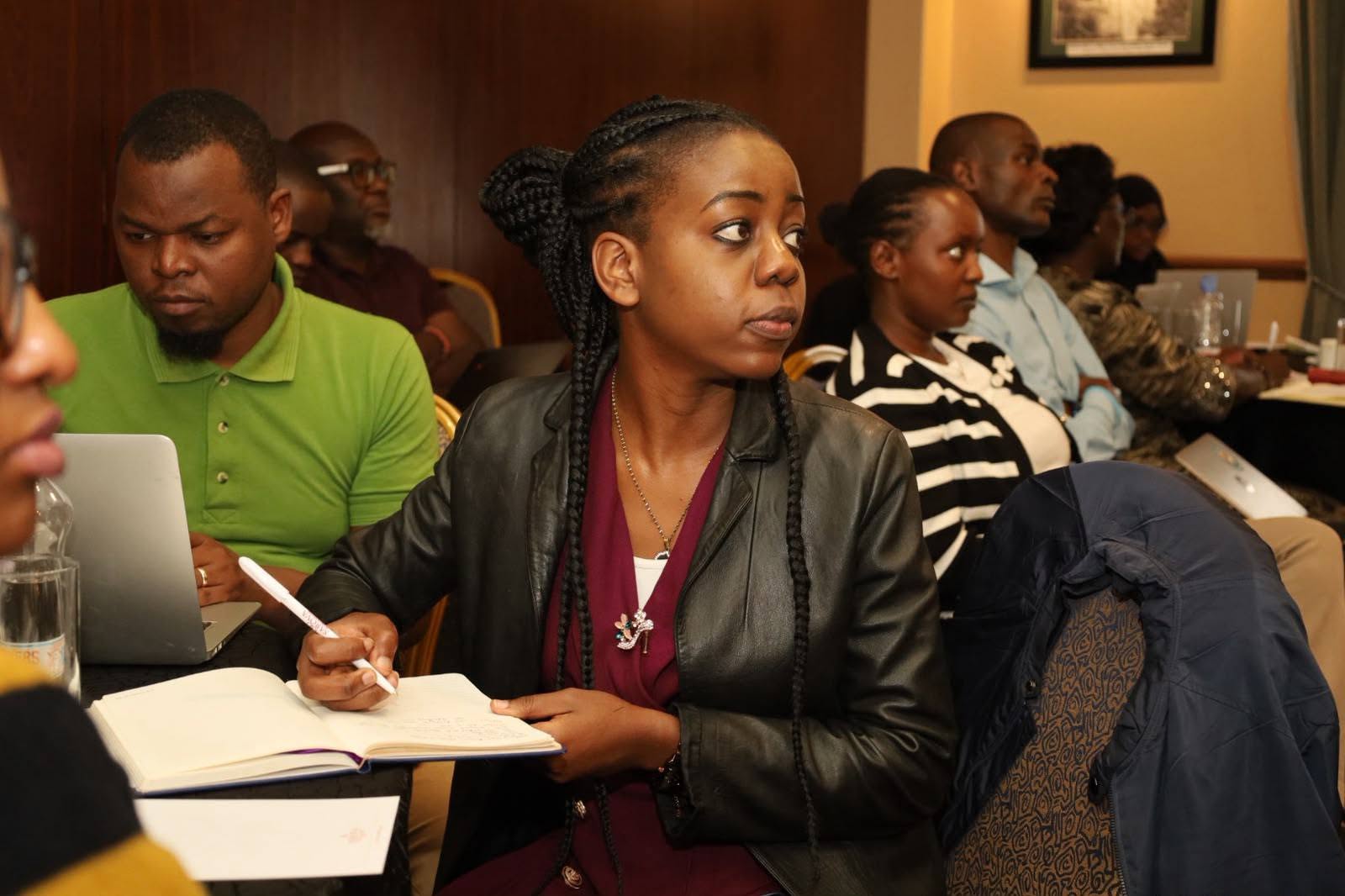
It is a true story, and it is still being told. But at a roundtable of the country’s senior editors this week, a different, more uncomfortable number took center stage, one that says the danger often doesn’t end when a mother reaches the clinic door. In many cases, that is where it begins.
Presenting data from the Kenya Health Information System (KHIS) and the 2023/24 Quality of Care Survey, Polycarp Oyoo, Program Advisor for Maternal, Newborn and Child Health (MNH) at the International Centre for Reproductive Health (ICRH) Kenya, told editors that Kenya loses 15 mothers, 92 newborns and records 96 stillbirths every single day, deaths his data shows are overwhelmingly preventable.
The Delay Nobody Talks About
Public health researchers use a “three delays” framework to explain why women die in childbirth: the delay in deciding to seek care, the delay in reaching a facility, and the delay in receiving care once there.
Oyoo’s data reframes which delay now does the most damage. Delay 1 (deciding to seek care) accounts for roughly 30% of the problem; Delay 2 (reaching a facility) for about 25%. But Delay 2 on care received once a woman is already inside a health facility now accounts for 45%, making it the single largest driver of maternal deaths in Kenya.
The numbers behind that finding are stark. Only 37% of facilities offering delivery services meet all Basic Emergency Obstetric and Newborn Care standards. Just 46% of Level 4 and Level 5 hospitals have all nine signal functions required for comprehensive emergency care.
Nearly half of facilities recently ran out of magnesium sulphate, benzyl penicillin or oxytocin which are three basic lifesaving commodities. Only 12 of Kenya’s 47 counties meet the recommended medical staffing ratio, and just a third to two-fifths of health workers correctly diagnosed and managed conditions like severe dehydration, postpartum hemorrhage or birth asphyxia. Skilled birth attendance, meanwhile, has slipped from 79 percent in 2021 to 70% in 2024.
“Most maternal deaths trace back to gaps in the quality of care inside facilities not access alone,” Oyoo’s presentation stressed the need to reframe years of public messaging urging women simply to “deliver in hospital.” Without urgent action, it warned, Kenya stands to lose a further 1,500 mothers and 9,200 newborns in the next 100 days.
What is actually killing them
Oyoo broke the 45% into specific causes. On the maternal side, obstetric haemorrhage led, followed by a large share logged simply as not specified , a data-quality problem in itself, then hypertensive disorders of pregnancy (pre-eclampsia and eclampsia), complications of labor, and complications of the puerperium.
On the newborn side, respiratory disorders specific to the neonatal period towered above every other cause in his six-month analysis, followed by disorders related to gestational age or fetal growth (prematurity, low birth weight), and infections, the kind timely postnatal care is designed to catch.
 Reading against the facility gaps already cited, the picture closes a loop: the commodities and skills known to prevent the leading killers are precisely what Oyoo’s survey found most often missing.
Oyoo laid out a five-stage continuum already known to work including family planning, quality antenatal care, skilled birth attendance, comprehensive postnatal care, and immediate newborn care arguing that the strongest stories connect a known cause to a specific solution then a responsible actor to a measurable result.”
That sits inside the Ministry of Health’s Every Woman Every Newborn Everywhere (EWENE) Acceleration Plan 2026–2028, which targets cutting the maternal mortality ratio from 355 to ≤140 and oxytocin stockouts from 40% to zero by 2028, a benchmark that speaks directly to the commodity gaps behind Delay 3.
Nested inside it is a nearer-term test: the 100-Day Rapid Results Initiative, launched in May 2026 across 26 high-burden counties, targeting a 15% reduction in facility maternal and newborn deaths by July 2026. Its window has now closed, meaning the obvious follow-up story (“did it work?”) isn’t hypothetical. It’s overdue.
Oyoo pushed editors past mortality ratios to what a death does to a family. A mother’s loss radiates into lost household income, social disruption, and educational setbacks, often daughters pulled from school to take over caregiving.
 A newborn’s death carries its own toll: wasted parental investment, a stigma that denies mothers space to grieve, pressure to conceive again immediately, and a risk of postnatal depression that itself endangers future pregnancies.
Which story dies? Which story lives?
Oyoo’s most pointed appeal to the room was structural: a reminder of who inside a newsroom decides what airs. “Maternal mortality is not just a health statistic, it is a metric of governance, accountability, and social justice,” his presentation argued.
“When editors give prime broadcast time and front-page coverage to health system gaps, county governors allocate funds, stockouts are resolved, and lives are saved” said Oyoo.
Adding “Sustained coverage shifts maternal health from ‘quiet tragedy’ to high-level political urgency.”
He closed with a four-point roadmap for the Guild: Investigate facility delays, drug stockouts and equipment shortages; Humanize the statistics through the stories of adolescent girls, rural mothers and community health workers; Audit the 47 counties’ health budget allocations for maternal and newborn care and Measure impact through evaluating whether news coverage itself drove policy change.
The Guild’s Challenge
Linda Bach from the Kenya Editors Guild, told editors maternal and child health “is not only a health issue. It is a public-interest and accountability issue… behind every statistic is a woman, a child, a family and a community.” Her sharpest line challenged newsrooms to move past the news cycle: “We need to ask: What happened after the announcement?
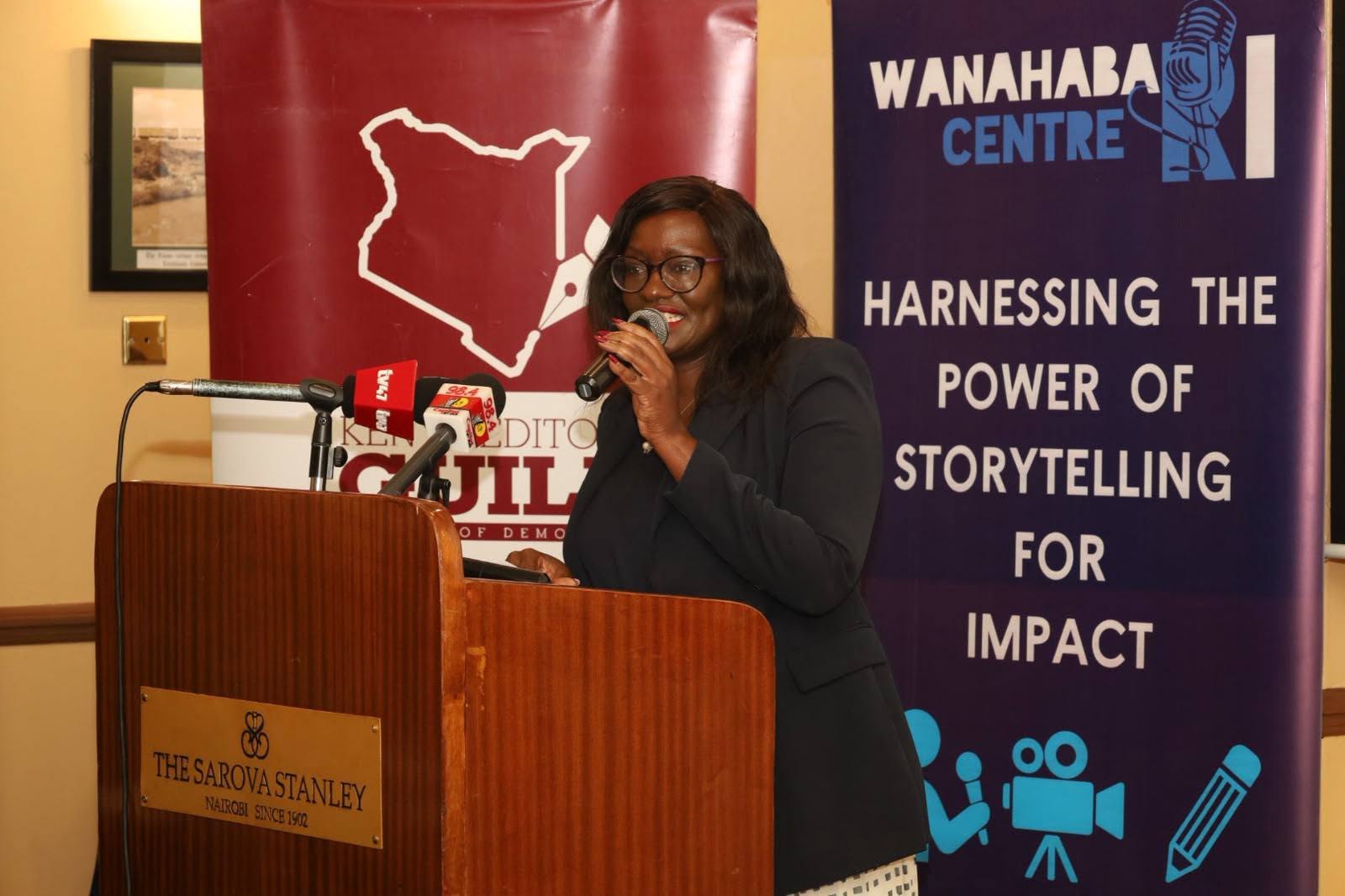
Were commitments implemented? What are women and families experiencing? What is working, and can it be replicated?” She pushed for county-level reporting; national figures can hide significant differences and closed by asking the room to leave “with specific editorial commitments,” not just conversation.
Wanahabari’s Training and Development Director, Irene Choge, framed the week in three lines: “There is a problem… we are presenting the data, we are bringing forward the voices.” That “all of us should care,” because “we have mothers. We have daughters. We have sisters.” And that “storytelling is part of the solution” approached “from the perspective of the newsroom, not from the perspective of promoting their organizations.”
Her call is to tell the stories of what isn’t working, but also what is; ask the difficult questions; hold people to account. “Because you set the agenda.”
Winnie Kamau, the Managing Editor at Talk Africa, reaffirmed the publication’s commitment to reporting on maternal and child health outcomes, emphasizing the vital role of data from KHIS and EWENE.. “We are dedicated to reporting on maternal health at Talk Africa, and having access to real-time data through the Kenya Health Information System (KHIS) EWENE is invaluable,” she noted.
Kenyan coverage of maternal health has traditionally focused on Delays 1 and 2, the mother who couldn’t afford transport, the clinic too far away. Oyoo’s data suggests the more urgent, more answerable story sits inside the facility itself, empty drug shelves, missing signal functions, understaffed wards and a dated, numeric commitment, the RRI’s 15% target, that newsrooms can now actually check against outcomes.
It is, as Bach framed it, an accountability story as much as a health story: not just how many women died, but what was on the shelf, who was on shift, and which county failed to fund what it had promised.
Whether that becomes sustained, county-by-county reporting rather than one more news cycle was, by the Guild’s own admission, the real test of the morning. Oyoo left the room with less of an appeal than an assignment: investigate, humanize, audit and measure.