|
Getting your Trinity Audio player ready...
|
By Victoria Musimbi
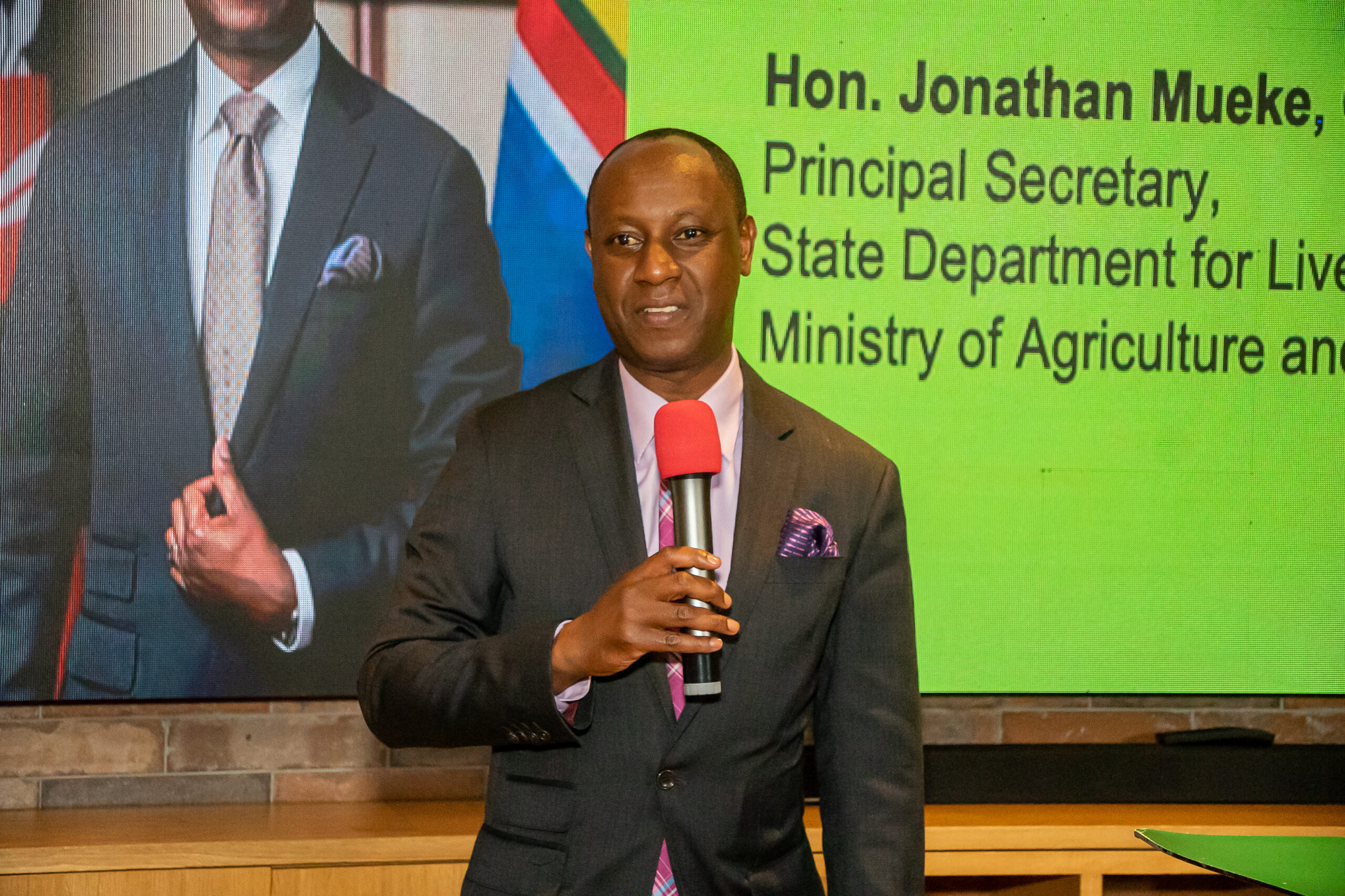
Nairobi, Kenya: The African Food Fellowship (AFF) recently convened a high-level strategic dialogue with Hon. Jonathan Mueke, Principal Secretary for the State Department for Livestock Development, bringing together food systems leaders, innovators, and policymakers to explore pathways for transforming Kenya’s livestock sector.
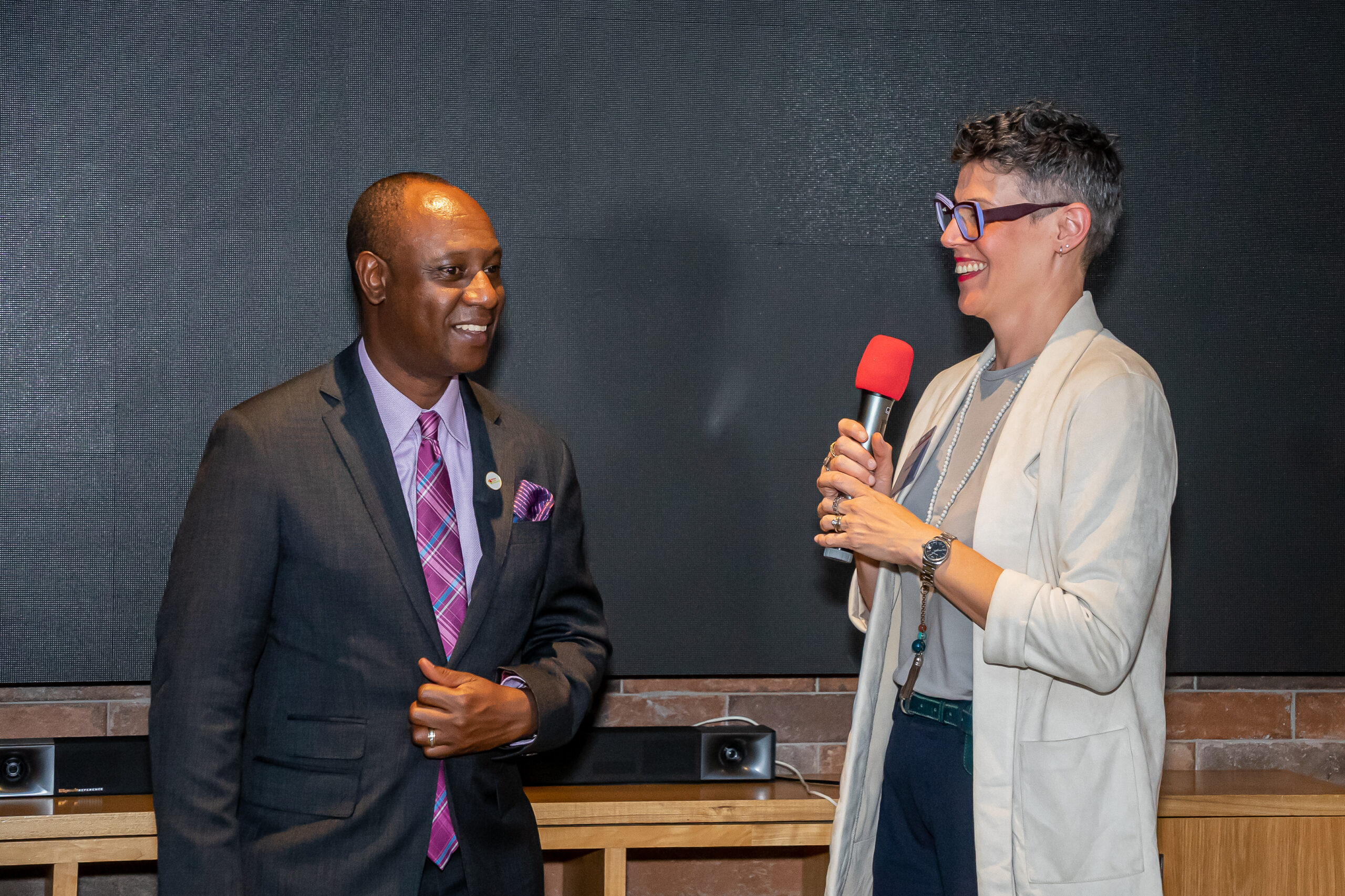
Held in Nairobi, the engagement brought together AFF fellows active across the food system to engage government leadership and help shape policy and practice. The platform enabled direct interaction between fellows and policymakers, strengthening collaboration and aligning ideas with national priorities.
The dialogue comes at a pivotal moment for Kenya. The government is currently implementing the De-Risking, Inclusion and Value Enhancement of Pastoral Economies (DRIVE) project, which aims to build climate resilience, facilitate trade, and strengthen agricultural value chains in arid and semi-arid lands (ASALs).
Additionally, 2026 has been designated the International Year of Rangelands and Pastoralists, placing renewed global attention on pastoral communities who are often marginalized despite their critical role in food systems.
Bridging Policy and Practice
Ledama Masidza, Food Systems Action Lead at the African Food Fellowship, emphasized the importance of connecting grassroots innovators with policymakers.
“Our fellows are leaders across different sectors of the food system. Creating opportunities for them to engage with influential actors like the Principal Secretary is critical for driving meaningful change,” he said.
Masidza noted that Kenya’s food systems are evolving rapidly, driven by global shifts and emerging opportunities. However, he stressed that to fully benefit—especially in the livestock sector—there is a need for stronger investment in research and data. He highlighted traceability systems and standardization as essential tools for accessing international markets, alongside grassroots innovation.
“There is an immense opportunity, particularly for young people who are already driving change. But we must match this with the right level of coordination, energy, and collaboration,” he added.
A key takeaway from the engagement was the need to break down silos and develop a shared language across the sector.
“We are not yet moving together at the required level. Strengthening collaboration across producers, researchers, markets, and policymakers is essential,” Masidza said.
He pointed to practical solutions, including improved feed systems, stronger market linkages, inclusive dialogue platforms, and strategic access to markets such as those in the Middle East.
Building a Movement of Food Systems Leaders
According to Gacoki Kipruto, Country Lead for the African Food Fellowship in Kenya, the initiative is designed to nurture leaders capable of addressing complex food systems challenges.
The fellowship operates in Kenya, Rwanda, and Zambia, bringing together individuals already working within food systems but facing barriers that require collaboration beyond their individual expertise.
“You have to be a leader actively engaged in food systems and facing a challenge that cannot be solved by your own skills alone,” Kipruto explained.
Selected fellows undergo a ten-month leadership development program before joining a growing network working to drive systemic change across Africa. The fellowship focuses on three key areas: horticulture, agri-finance, and the blue economy.
Kipruto highlighted agri-finance innovations such as index-based livestock insurance, which helps farmers manage risks during shocks like drought.
“When farmers lose livestock, it affects their ability to feed themselves and creates ripple effects across the entire food system,” she said.
Beyond technical capacity, the program emphasizes systems thinking, collaboration, and sustainability. A major barrier the fellowship addresses is fragmentation across the sector.
“People often hit a wall—they cannot access policymakers, farmer groups, or researchers. The fellowship helps bridge these gaps,” she said.
She also underscored the importance of moving innovations beyond research into practical use. “Many technologies remain at the academic level. Our role is to support their adoption on the ground.”
Kipruto cited a success story from the blue economy, where fellows helped make women in aquaculture visible to financial institutions. This led to the development of tailored insurance products by APA Insurance.
“Farmers say they cannot access funding, while banks say they cannot lend. The disconnect lies in understanding risk and behavior on both sides,” she noted.
Government’s Vision for Livestock Transformation
Principal Secretary Jonathan Mueke reaffirmed the government’s commitment to transforming livestock farming into a resilient, market-driven, and technology-enabled sector. He noted that agriculture remains central to Kenya’s Bottom-Up Economic Transformation Agenda, with livestock identified as a key driver of economic growth.
Mueke emphasized that the sector must shift from subsistence production to a system aligned with market demand—focused on quality, consistency, and sustainability.
Animal health remains a top priority. The government has rolled out a national mass vaccination program targeting diseases such as Foot and Mouth Disease (FMD) and Peste des Petits Ruminants (PPR).
“We have vaccinated over 10 million animals across 31 counties,” he said.
The program incorporates digital tools, including farmer registration systems and e-vouchers that connect farmers with veterinary services. Genetic improvement is another focus area, with the government promoting technologies such as artificial insemination and embryo transfer to boost productivity. To address feed shortages, efforts are underway to develop drought-resistant fodder varieties and establish a strategic animal feed reserve.
On market access, Mueke highlighted the importance of traceability systems, noting that global markets increasingly demand transparency. Kenya is piloting a National Animal Identification and Traceability System to improve market access and competitiveness.
“We have access to markets such as the European Union, the United Arab Emirates, and China, but we must meet their standards,” he said.
The government is also promoting farmer cooperatives to ensure a consistent supply and quality. Technology will play a central role, with plans to establish the Kenya Agricultural Data and Information Centre to support data-driven decision-making.
Shifting Toward Value Addition and Quality
Mueke noted significant growth in the dairy sector, with production rising from 4.6 billion litres in 2022 to over 5.4 billion litres. To enhance returns for farmers, the government is transitioning to quality-based pricing, where factors such as butterfat content and hygiene determine payment.
“Farmers who invest in quality must be rewarded,” he said.
He emphasized the need for Kenya to move beyond exporting raw products and instead focus on value addition through products such as cheese, butter, and yogurt.
The dialogue underscored a central message: transforming Kenya’s livestock sector will require coordinated action across all actors. From strengthening research and data systems to scaling innovation, improving market access, and fostering collaboration, stakeholders agreed that solutions already exist—but alignment remains the missing link.
Through initiatives like the African Food Fellowship, growing momentum is helping to bridge these gaps, harness collective intelligence, and build a more inclusive, resilient, and sustainable food system.