|
Getting your Trinity Audio player ready...
|
By Lenah Bosibori
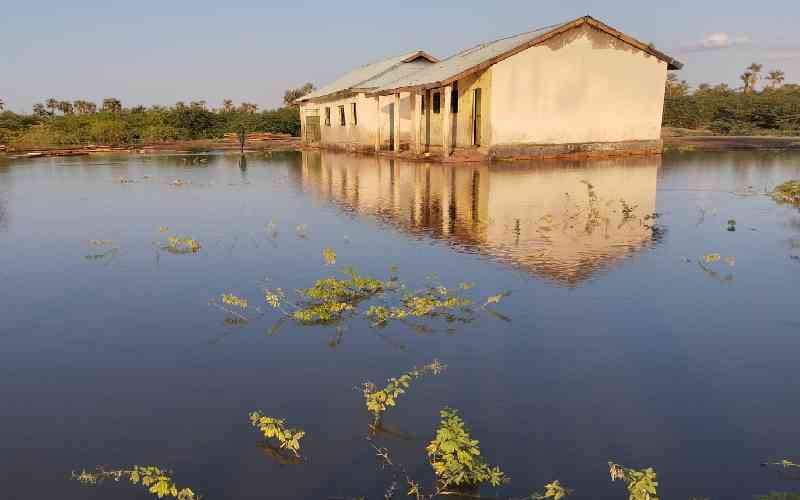
Turkana, Kenya- When weather patterns shifted and Lake Turkana began to rise, life in Nachukwu Village, a fishing community near the lake, changed dramatically as fish moved toward the Ethiopian side, where the waters are shallower.
For Francis Angole, the rising waters did not only take away his income, but strong winds also blew off the roof of his house, leaving him without shelter. At the same time, rising lake levels and recurring droughts made survival increasingly difficult for families who depended on fishing and livestock.
“The lake rose so much that the fish moved into shallow and polluted waters,” Angole said. “That is when our community lost everything, fishing grounds have been submerged by rising lake waters, livestock have died due to drought, and many families are now struggling to survive.
According to Angole, the crisis became personal. His brother-in-law, a herder, was killed during cattle raids as he tried to escape drought conditions. After the tragedy, Francis brought his sister back home so she could rebuild her life.
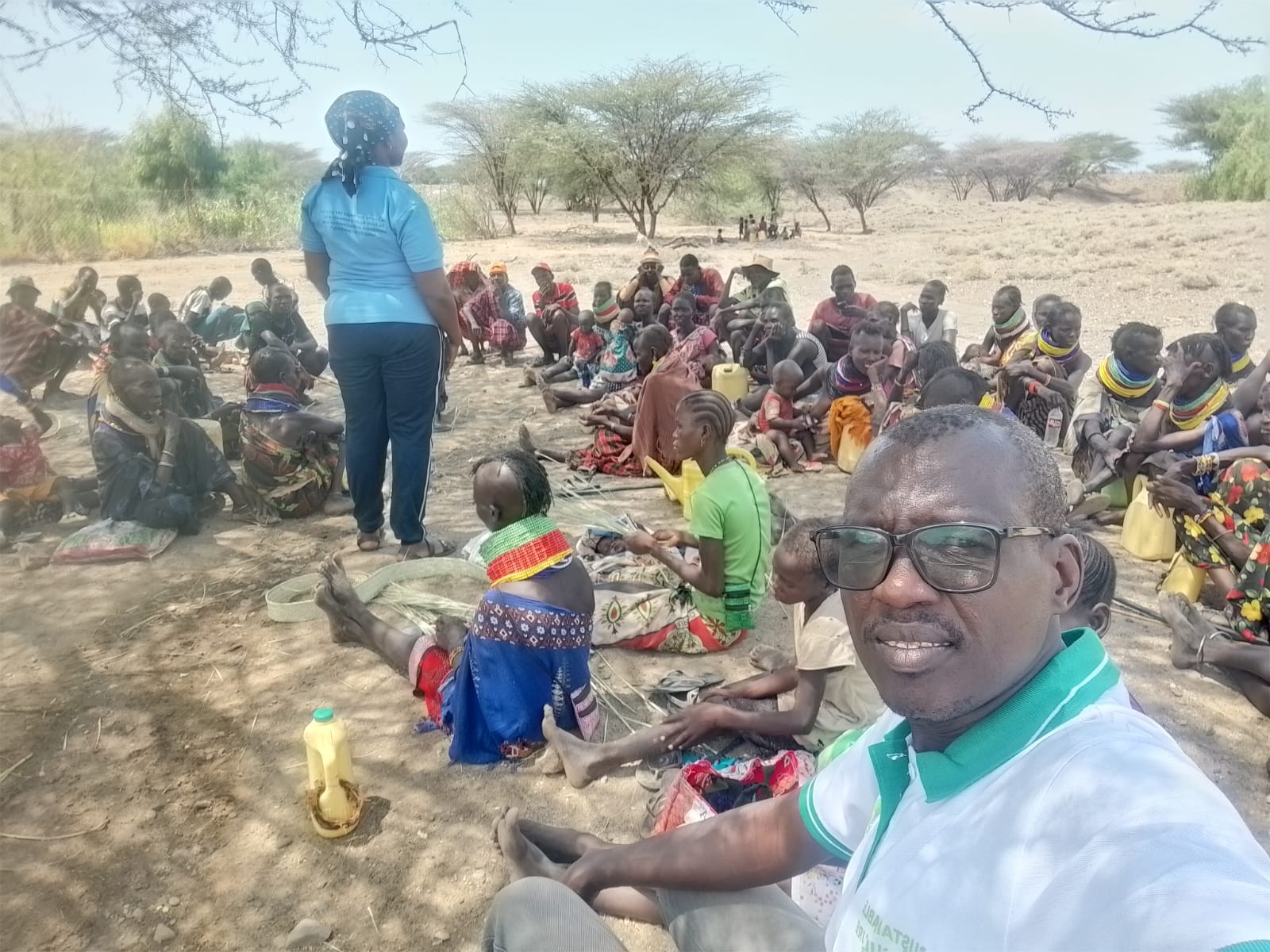
Angole, a member of the Green Turkana Initiative, says most families around the lake depended on fishing. But as the lake expanded, fishing zones disappeared, forcing communities to turn to dryland farming and other survival strategies.
“The lake has expanded by nearly one kilometre in some areas, swallowing shorelines, homes, and small businesses, ” says Angole. “Fishing boats have sunk, and entire settlements have been displaced.”
He adds that fish have moved toward the Ethiopian side of the lake, but fishermen cannot follow due to poor transport, weak communication systems, and difficult cross-border access. “People lost their livelihoods overnight,” he said. “Women who used to process fish and sell food also lost their businesses.”
Angole says the crisis has also triggered rising social and mental health challenges. “Young people have lost hope,” he said. “Some have turned to alcohol and drugs because they cannot find work or support their families.”
He recalls increasing displacement, land conflicts, and growing desperation as climate shocks become more frequent. “These experiences showed me that climate change is not just about the environment,” he said. “It is about survival and justice for communities like ours.”
His story reflects findings from a new study by the African Population and Health Research Center (APHRC), which shows that climate change is worsening hunger, poverty, and mental health challenges across Kenya’s drylands.
The findings are part of the Visibilize for Climate Action project, which studied the impacts of climate change on nutrition and mental health in Turkana, Samburu, and Laikipia counties.
Climate Shocks Becoming the New Normal
According to Esther Anono, a Research officer at APHRC, the project sought to understand how communities are experiencing climate shocks and how they are coping. “We wanted to understand how communities are living with climate impacts and what they are currently doing to adapt,” she said.
 Researchers carried out surveys in Turkana North and parts of Turkana Central, Samburu East, and Laikipia West.
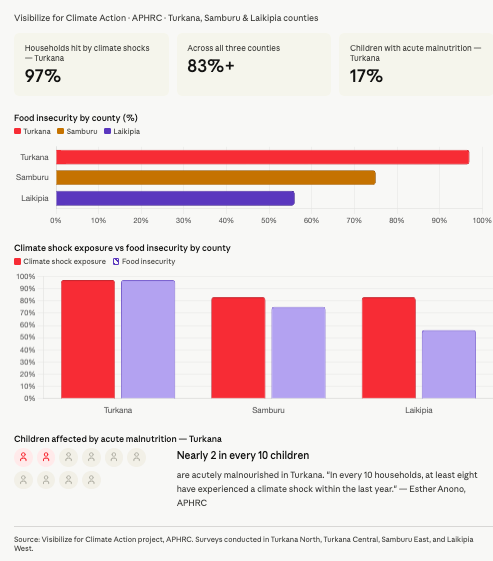
The study found that droughts and failed rains have become a constant reality. More than 97% of households in Turkana reported experiencing at least one major climate shock in the past year, while across the three counties, over 83% of households were affected.
“In simple terms, in every 10 households, at least eight have experienced a climate shock within the last year,” Anono explained.
The impacts have been severe for pastoralist and farming communities who depend on livestock and rain-fed agriculture. In Turkana and Samburu, repeated droughts have killed livestock and reduced access to pasture and water. In Laikipia, changing rainfall patterns have disrupted crop farming and mixed farming systems.
Nearly 97% of households in Turkana were food insecure. The figure stood at about 75% in Samburu and 56% in Laikipia.
Families are now adopting painful coping strategies. “In Laikipia, many households reported skipping at least one meal a day, while in Turkana some families survive on one meal or sometimes no meal at all,” Anono said.
Children are among the hardest hit. Acute malnutrition in Turkana reached 17%, meaning nearly two in every ten children are affected.
Mental Health Crisis Growing Quietly
The research also revealed a growing mental health crisis linked to climate stress. Using mental health screening tools, researchers found that more than 20% of people across the three counties showed signs of anxiety, depression, or post-traumatic stress disorder.
“When people repeatedly lose livestock, crops, and livelihoods without time to recover, the psychological stress becomes overwhelming,” Anono said.
Communities reported insomnia, anxiety, suicidal thoughts, family conflict, and disputes over scarce water and pasture. “Climate change is not only affecting livelihoods and nutrition,” she added. “It is also affecting mental wellbeing and social stability.”
According to Anono, in Laikipia, households are setting up kitchen gardens, harvesting rainwater and using irrigation to continue farming during dry periods. Those in Samburu are shifting toward drought-resistant livestock such as camels and hardy goat breeds.
In Turkana, families are diversifying into beadwork, basket weaving, casual labour, and small-scale farming.
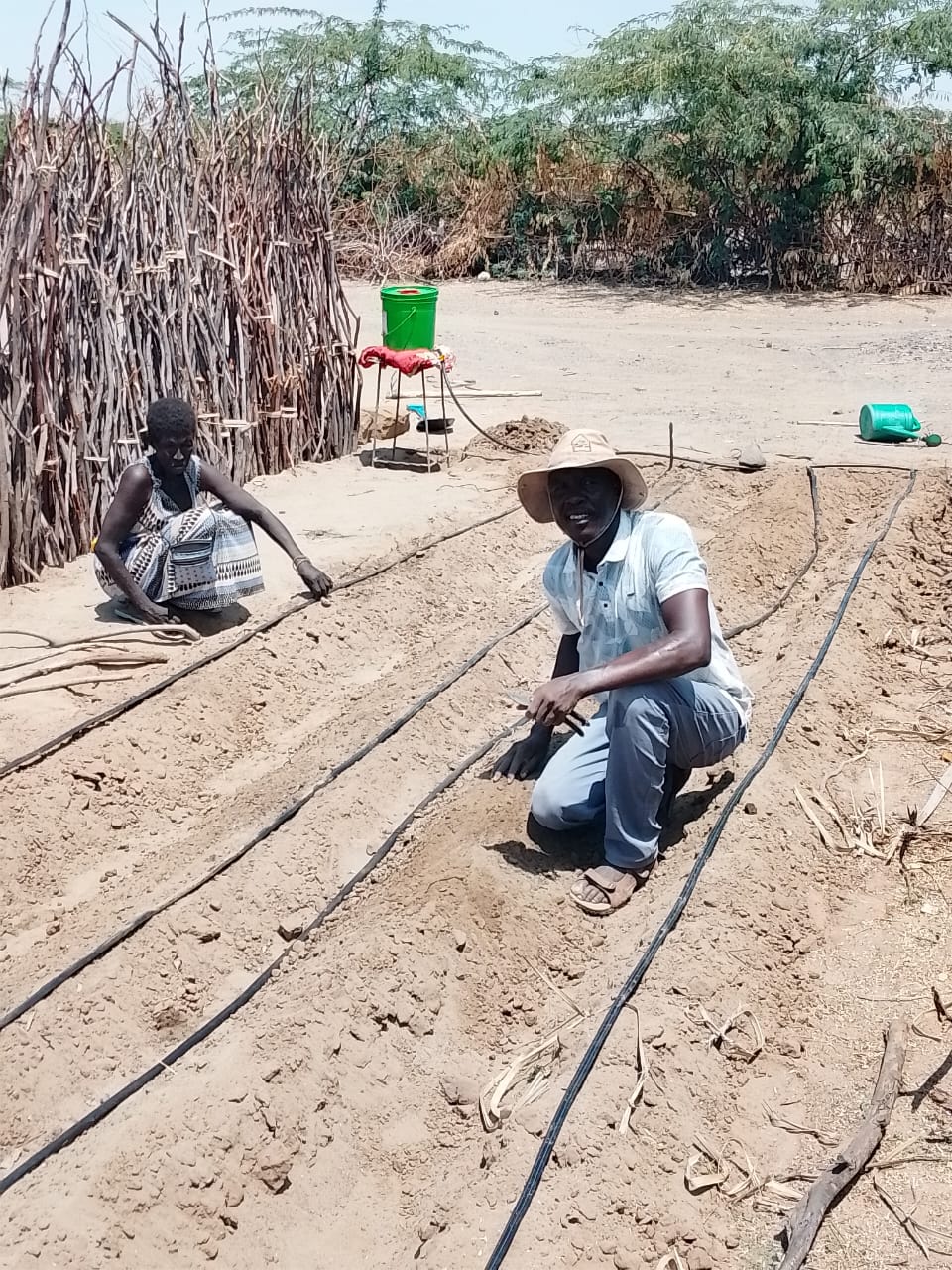
Angole says his community, through the Green Turkana Initiative supported by APHRC, has introduced climate-smart farming using a low-cost irrigation method called the Family Drip System.
The system pumps underground water into elevated tanks and distributes it through drip irrigation, allowing households to grow crops with very little water.
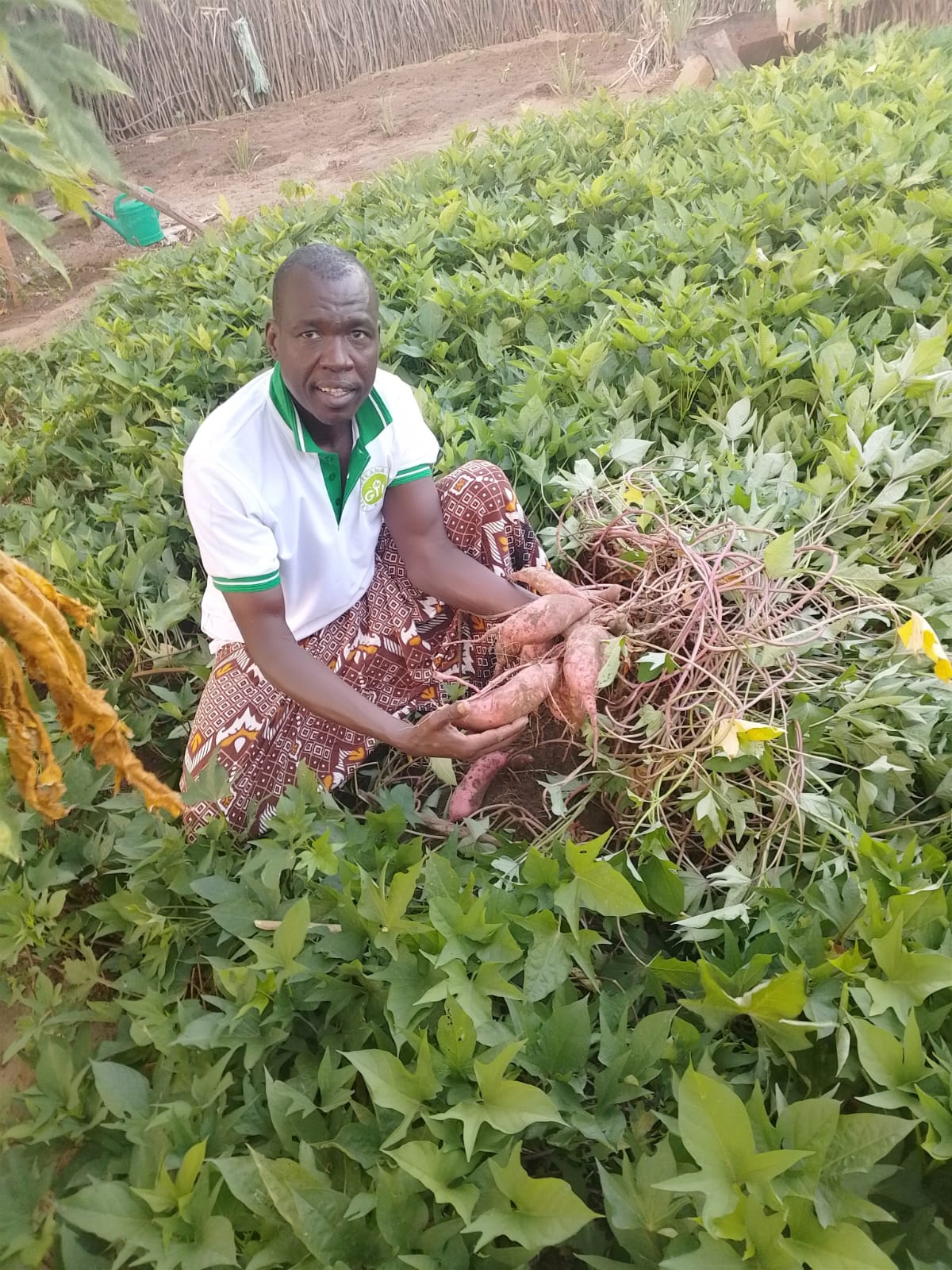
“We grow vegetables like amaranth, kunde, dodo, murere, cowpeas, watermelon, and orange-fleshed sweet potatoes,” he said. “It has helped improve food security for many families.”
The project also promotes organic farming using locally produced manure instead of chemical fertilizers.
However, researchers warn that these coping strategies are no longer enough. “Many households eventually run out of food reserves and depend on markets, food aid, neighbors, or credit from local shops,” Anono said.
Poor infrastructure, especially bad roads in Turkana and Samburu, continues to limit access to markets, healthcare, and relief services.
Researchers also warn that indigenous wild foods, once a key survival buffer during droughts, are disappearing due to environmental degradation.
“Wild foods have always acted as survival buffers during drought periods, but communities told us many of these species are now disappearing,” Anono said.
Science, Policy and the Future
Dr. Elizabeth Kimani Wambui Murage, Senior Research Scientist at APHRC and lead of the Visibilize for Climate Action project, said the initiative combines scientific research, community engagement, and policy advocacy to understand climate-related health impacts.
She said researchers are analyzing 30 years of climate and health data to assess how human-induced climate change has contributed to food insecurity, malnutrition, and mental health challenges.
The project also uses digital storytelling, oral histories, and participatory methods to capture lived experiences in communities’ own voices. Scientists are further modelling future climate scenarios to predict conditions by 2050 if no action is taken.
“We are trying to understand what the future will look like if current trends continue,” Dr. Murage said.
The initiative is also supporting agroecology and agroforestry policies aimed at improving food security and environmental resilience.
Working with partners such as the World Agroforestry Centre and PELUM Kenya, the programme is helping communities integrate drought-resistant crops, livestock systems, and food trees into farming.
The consortium brings together climate scientists, health experts, social scientists, media, grassroots organizations, women’s groups, and youth networks.
“Climate change is already here with us,” Dr. Murage said. “The question now is how we help communities adapt, recover, and build resilience for the future.”
Researchers are now calling for urgent investment in water harvesting, irrigation, drought-resilient livelihoods, biodiversity restoration, mental health services, and stronger social protection systems.