|
Getting your Trinity Audio player ready...
|
By Shaban Makokha
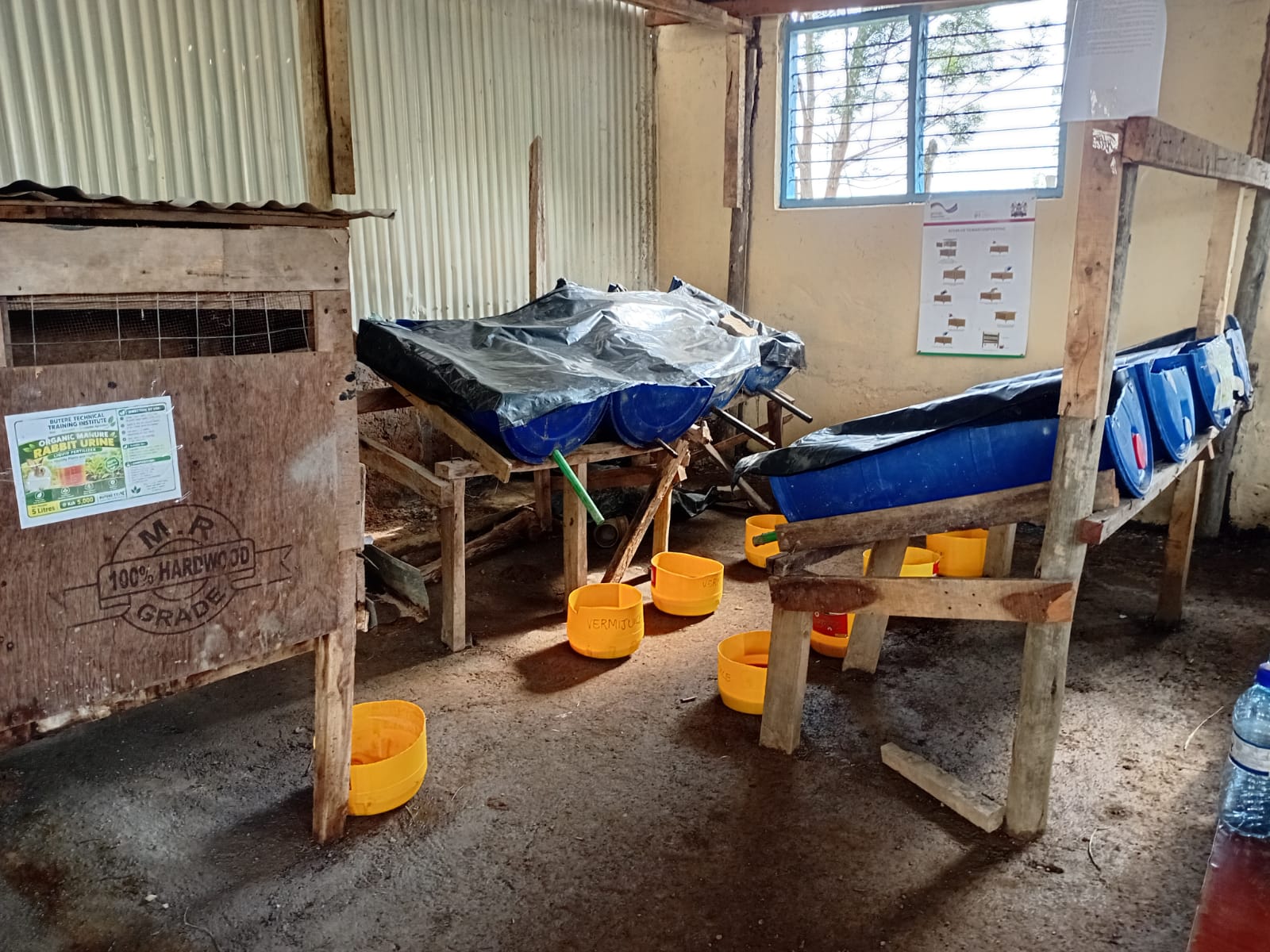
Kakamega-What many dismiss as waste, Pamela Mwale sees as opportunity. At Butere Technical Training Institute (TTI), where she is principal, thousands of tiny red wiggler worms are turning leftover food into a nutrient-rich liquid fertiliser called vermijuice, which sells for KSh 1,500 per litre.
The worms feed on kitchen leftovers from students and discarded cabbages and kales from the institute’s farm. Farmers across Kenya are struggling with high input costs, declining soil fertility and unpredictable weather, and Mwale believes part of the answer lies in what they already throw away.
“I only feed them cabbages and kitchen remains from the students. They are highly nutritious and help the worms multiply and produce more juice,” she says. The worms digest the decomposing matter, producing nutrient-rich castings and a liquid that can be harvested as an organic soil supplement.
Mwale began the vermicomposting project about a year ago, hoping to help farmers cut their reliance on inorganic fertilisers. The early months involved a lot of trial and error, and the returns barely justified the effort.
Today the institute harvests at least half a litre of vermijuice daily, worth about kSh750 at current prices. “When they are well fed, they produce five litres per day, and one litre costs Sh1,500,” Mwale says. At that peak, daily sales could reach KSh7,500.
The project has also solved a long-standing problem. Disposing of kitchen leftovers used to be difficult, and rotting food caused unpleasant smells. The worms now consume it.
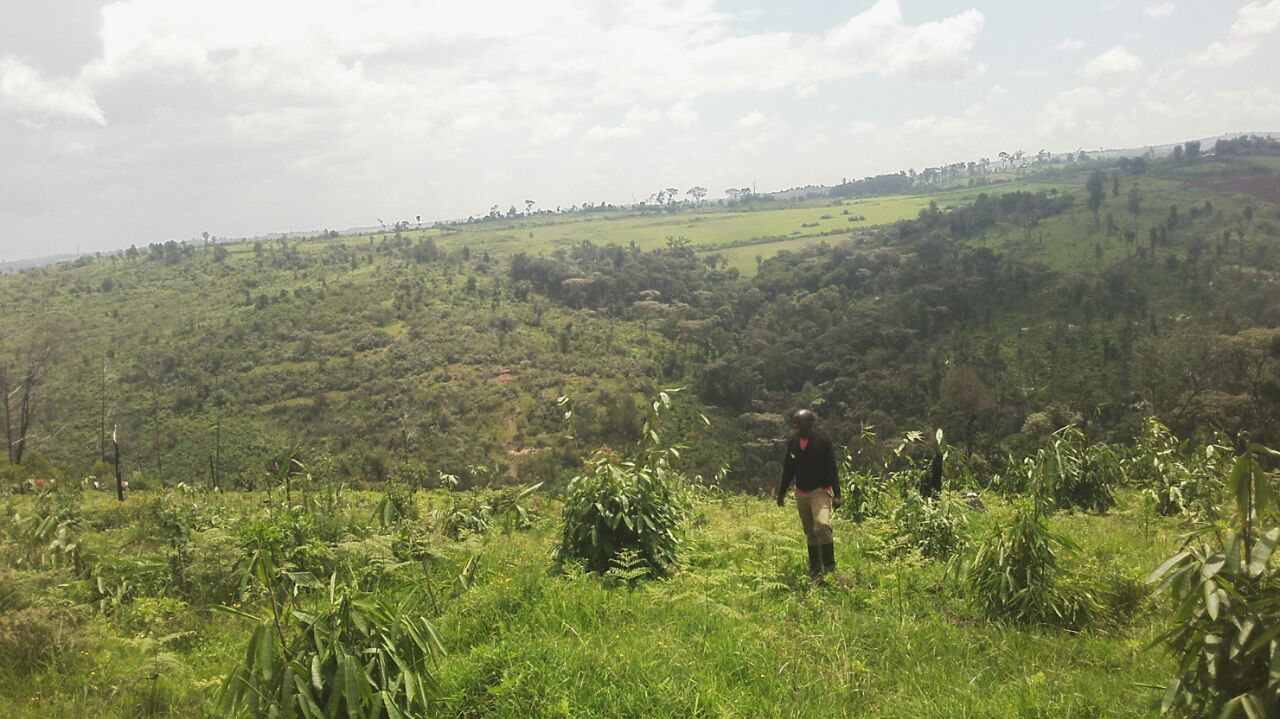
Mwale says the bigger payoff is underground. Earlier soil tests showed the school farm was highly acidic. Since the institute introduced vermicompost and its liquid supplement, she says, the pH has moved towards neutral.
She says tests by the Kenya Agricultural and Livestock Research Organisation (KALRO) in Kakamega found beneficial microorganisms, better aeration, improved soil structure and greater water-holding capacity. She estimates that crop yields have doubled.

Mwale argues that heavy and poorly managed use of synthetic fertilisers can contribute to soil acidity and harm beneficial organisms. She urges farmers to adopt organic alternatives such as animal manure, plant residues and vermicompost to rebuild soil health and lower costs.
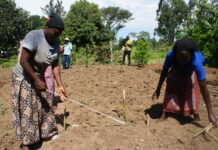
The facility also doubles as a teaching centre where students learn organic fertiliser production, environmental conservation and entrepreneurship. Trainees work alongside their trainers, and the institute has opened its doors to neighbouring farmers, training them and following up with some to help them start similar projects.
The worms are not working alone. The institute also keeps rabbits. “I also rear rabbits for their urine, which farmers use as fertiliser and insecticide,” Mwale says. The approach shows how one activity’s waste can feed another.
Mwale also has a message for young people. She wants them to stop seeing technical and vocational training as a second choice and to view it as a route to self-reliance. Butere TTI has more than 3,000 students, and she says that with formal jobs scarce, technical skills let graduates create their own work.
“The vermicomposting project is perhaps the clearest illustration that students can embrace,” she says.
For Mwale, success will be measured not only in litres sold but in the farmers who restore their soils and the young people who become entrepreneurs.