|
Getting your Trinity Audio player ready...
|
By David Njagi
Nairobi-The Agroecology Fund has grown its financial muscle in the last few years, even with global aid in retreat. But food lobbyists are calling for increased financial contributions to the Fund to accelerate the promotion of healthy diets and food sovereignty.
The Fund is anchored on the support of about 53 donors and has been operational for about 14 years. It pools funds and then deploys those funds to support groups promoting agroecology all over the world, according to John Wilson, an advisory board member to the Agroecology Fund.
The activities could be establishing community seed banks, promoting market channels that ensure healthy foods reach consumers, and even building networks and collaborations with regional, continental and global policy groups on agroecology.
“The Agroecology Fund has doubled its contributions in the last two to three years. Its indicative that people recognize the fact that food systems around the world are not healthy and they are saying we have to do something about it,” said Wilson, during the first East Africa indigenous seeds conference.
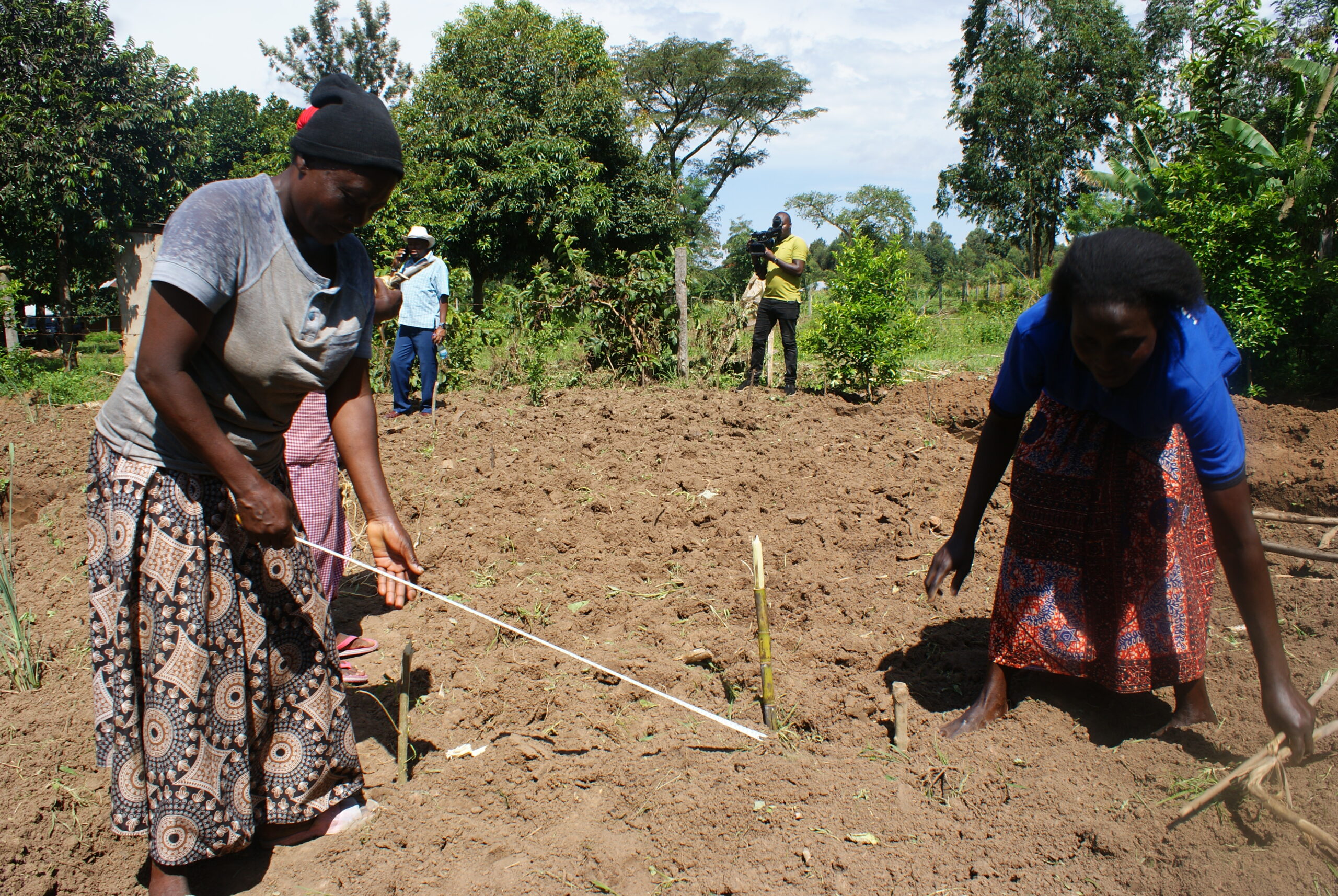
Various farmer groups shared experiences at the conference on how the Fund had supported them to keep indigenous food systems productive despite policy backlashes that sought to sideline agroecology for commercial-driven agriculture.
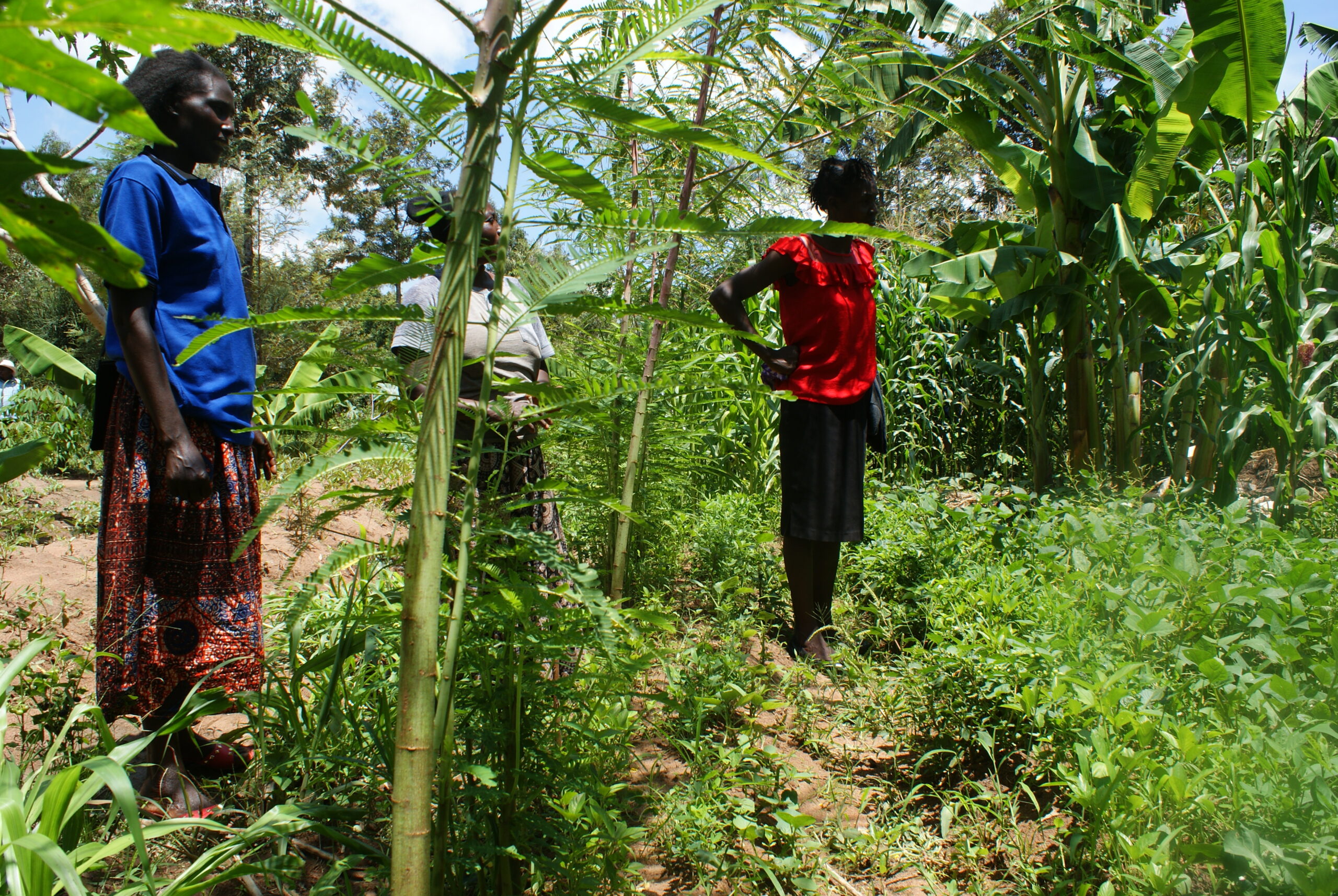
For instance, 80% of the seeds that East African farmers have been planting in their fields for generations have been from farmer-managed seed systems. But there has been sustained efforts by governments to privatize them because they are not documented, according to Daniel Wanjama, the director of the Seeds Savers Network, Kenya.
Instead, policies lean towards favouring imported commercial seeds, pushing the import bill on farmers who are required to purchase seeds for planting every season. It is a cost most cannot afford. But support from the Agroecology Fund can help farmers build resilience against forces undermining their food sovereignty.
“We used to make our own seeds. But progressively we are importing more and more. If nothing is done, eventually we shall be importing 100%. That means if anything happens to the people who are selling these seeds, it means we won’t survive, we won’t have anything to eat,” said Wanjama.
The challenge facing the Agroecology Fund, however, is ensuring supported activities remain sustainable, especially those on education, learning and capacity building, where Wilson said the Fund needs more support to raise resources for advocacy work.
Injecting money into agroecology could define the development narrative in the next few decades as donors are increasingly realizing that industrial agriculture has failed on its promise of feeding the world healthy food, according to Katrin Voss, the director of the Rosa Luxemburg Foundation, East Africa office.
The Rosa Luxemburg Foundation funds programs on political discussions on the concept of food sovereignty and its direct link to the defense of land rights. The capacity building, for instance, attempts to unpack industrial agriculture as a false narrative. It also supports farmer groups to create broad networks for indigenous food systems knowledge exchange and sharing.
“We are all longing for tasty and healthy food, and this only comes from a natural way and from indigenous foods. I think there will be a change by donors by emphasizing more on this natural way of producing food and not the industrial way,” said Voss.
Since its establishment, the Agroecology Fund has deployed about $52 million in financial support to about 933 awardees in about 107 countries globally.