|
Getting your Trinity Audio player ready...
|
By Victoria Musimbi
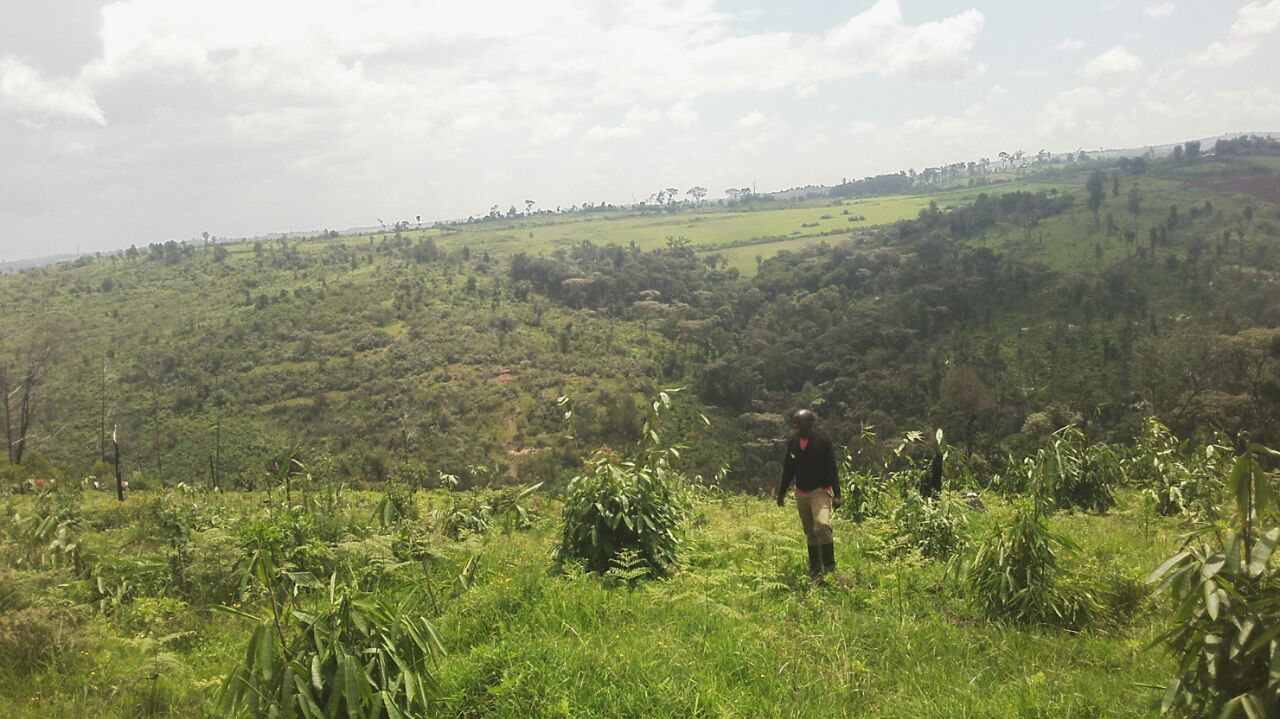
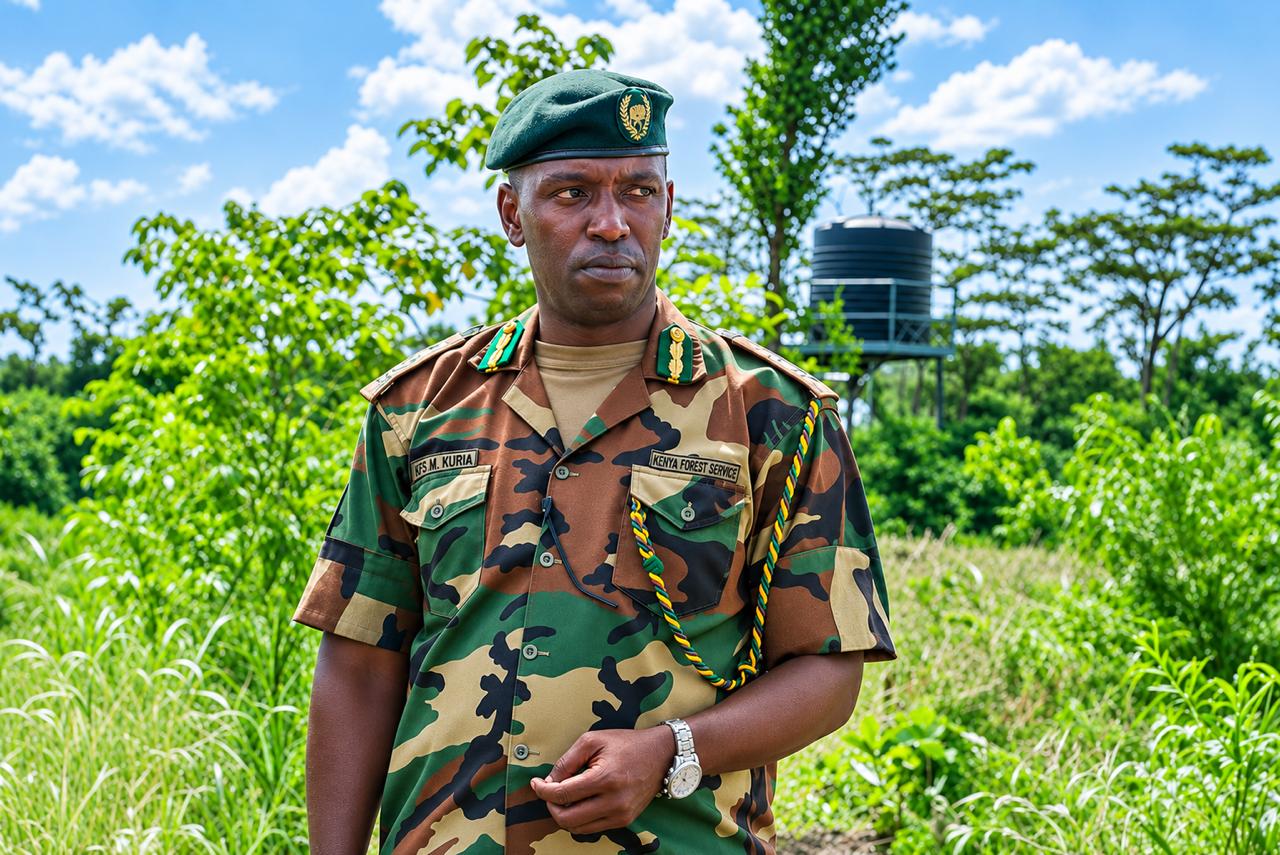
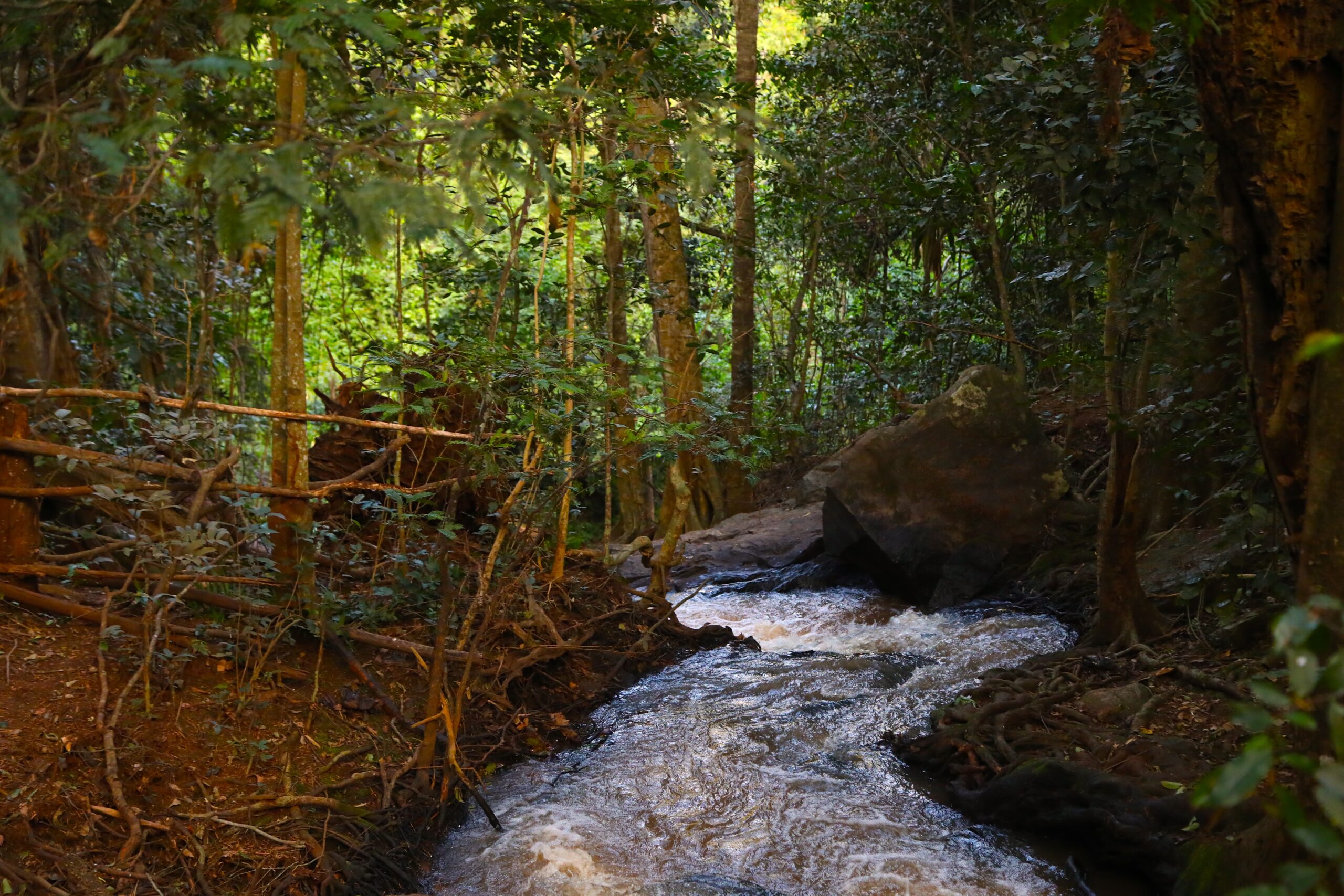
Nairobi, Kenya: Indigenous tree planting is helping restore the ecological health of Nairobi’s Karura Forest, where decades of dominance by exotic species have affected biodiversity and the regeneration of native vegetation.
Large sections of the forest were dominated by eucalyptus and cypress, planted during the colonial period for commercial timber and fuelwood. Their spread reduced habitats and food sources for wildlife, highlighting the need to restore indigenous species.
In response, Landscape Alliance is working with Friends of Karura Forest and the Kenya Forest Service to improve access to quality indigenous seeds and seedlings. The restoration efforts were showcased during a site visit organised as part of the First Eastern Africa Indigenous Seed Conference in Nairobi.
Prasad Hendre, a Tree Scientist at Landscape Alliance, said successful forest restoration depended on access to high-quality, genetically diverse seeds and selecting tree species suited to specific ecological conditions.
He observed that many tree-planting programmes failed because they lacked scientific guidance, used unsuitable species and relied on poor-quality seeds.
“The whole model is diversity-driven replanting and diversity-driven seed supply. We do not follow the model of providing one clone and asking them to plant it wherever possible,” he said.
Hendre explained that diverse landscapes were more resilient to climate variability than those dominated by a single tree species.
“The landscape becomes more resilient and sustainable when it is diverse. It has the capacity to absorb climate vagaries, including excess rainfall and changes in temperature,” he said.
He cited Ethiopia, where the organisation has supported the production of quality seeds from more than 30 tree species over the past 15 years. The approach is also being implemented in Kenya, Rwanda, Uganda and Burkina Faso.
Beyond conservation, Hendre said improved propagation and grafting technologies could make indigenous fruit trees more attractive to farmers by reducing the time some species take to produce economically useful yields from 20 to 50 years to between five and seven years.
“We are investing in technologies to hasten plant breeding, genetic improvement and vegetative propagation, eventually benefiting communities and farmers,” he said.
While scientific research helps identify suitable species and improve seed quality, ensuring a reliable supply of planting materials is equally important for restoration efforts at Karura.
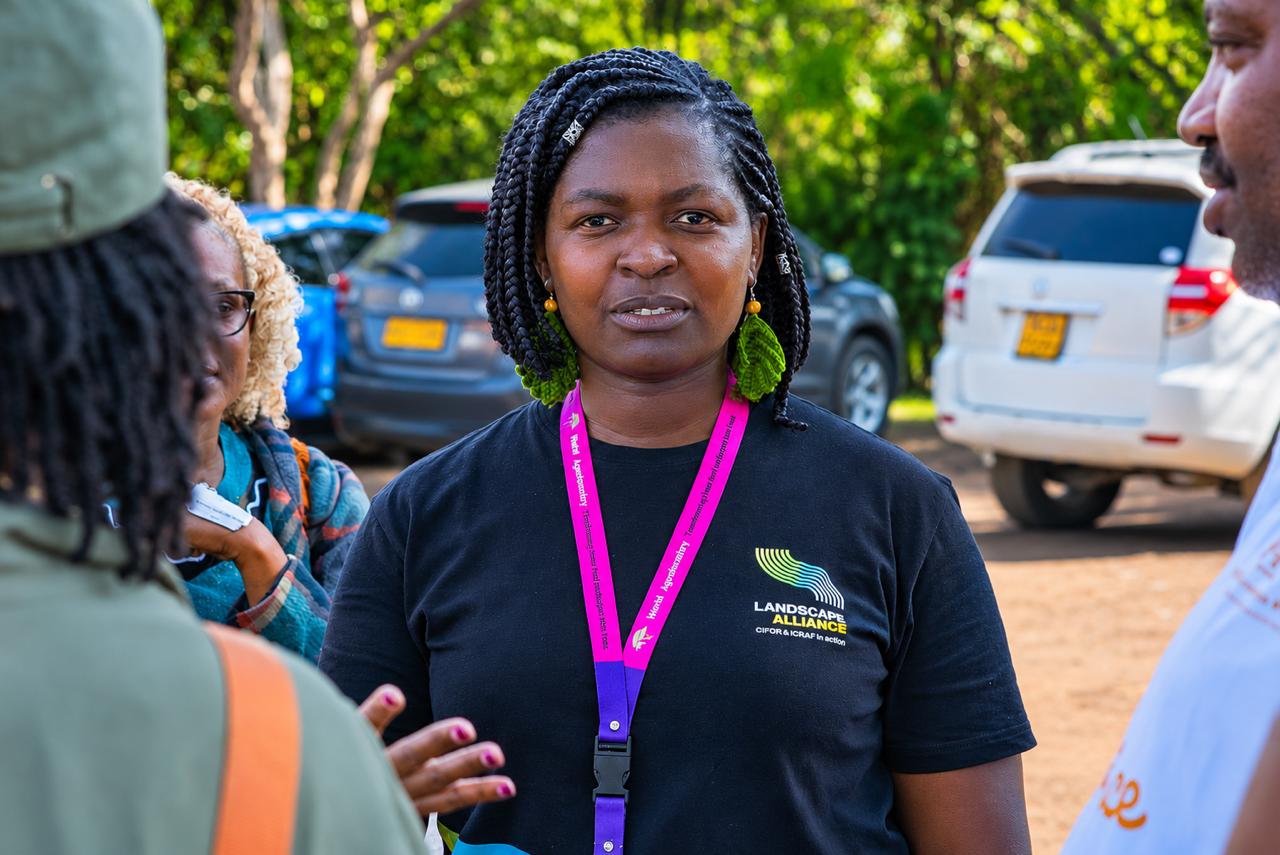
Sylvia Buleti, an Agroforestry Scientist at Landscape Alliance, said the organisation was working with Friends of Karura Forest and the Kenya Forest Service to establish a Multi-Species Breeding Seed Orchard at the forest through the Right Tree, Right Place – Seed Project.
“Quality tree seed is one of the biggest challenges when it comes to establishing successful tree growing. The quality of the seed is directly linked to its source. If the source is of poor quality, then eventually the seed you get from there is also going to be of poor quality,” she said.
Supported by the International Climate Initiative of the German Federal Government, the project is implemented in partnership with Botanic Gardens Conservation International and Unique Land Use.
The seed orchard will bring together selected parent trees from different indigenous species to provide a reliable source of quality seeds while maintaining genetic and species diversity.
The initiative is also expanding the Karura indigenous tree nursery, with the aim of doubling its seedling production capacity. Improvements to irrigation and other facilities are expected to support the production of healthy seedlings.
Buleti said the project was also strengthening nursery infrastructure to improve seedling production and management.
“To raise high-quality seedlings, you need water. We have supported Friends of Karura to improve their irrigation system, as well as provide a nursery shed and storage facilities for potting materials, soil and manure,” she said.
The project is also supporting skills development and improvements in nursery management to ensure the availability of suitable planting materials for restoration.
Beyond seed production, Buleti said replacing exotic trees with indigenous species was important for restoring the forest’s ecological balance.
She noted that indigenous trees provide habitats and food for birds, insects and other organisms, while supporting the ecological functions of the forest.
These interventions are intended to rebuild the forest’s biodiversity, an objective that goes beyond simply increasing the number of trees.
Peter Fundi, Ecosystem and Biodiversity Coordinator at Friends of Karura Forest, said restoring Karura required rebuilding an ecosystem that supports indigenous wildlife, strengthens ecological functions and benefits people.
“Restoring Karura Forest is about more than increasing tree cover. It is about rebuilding a healthy, diverse ecosystem that supports indigenous wildlife, strengthens ecological functions and benefits people,” he said.
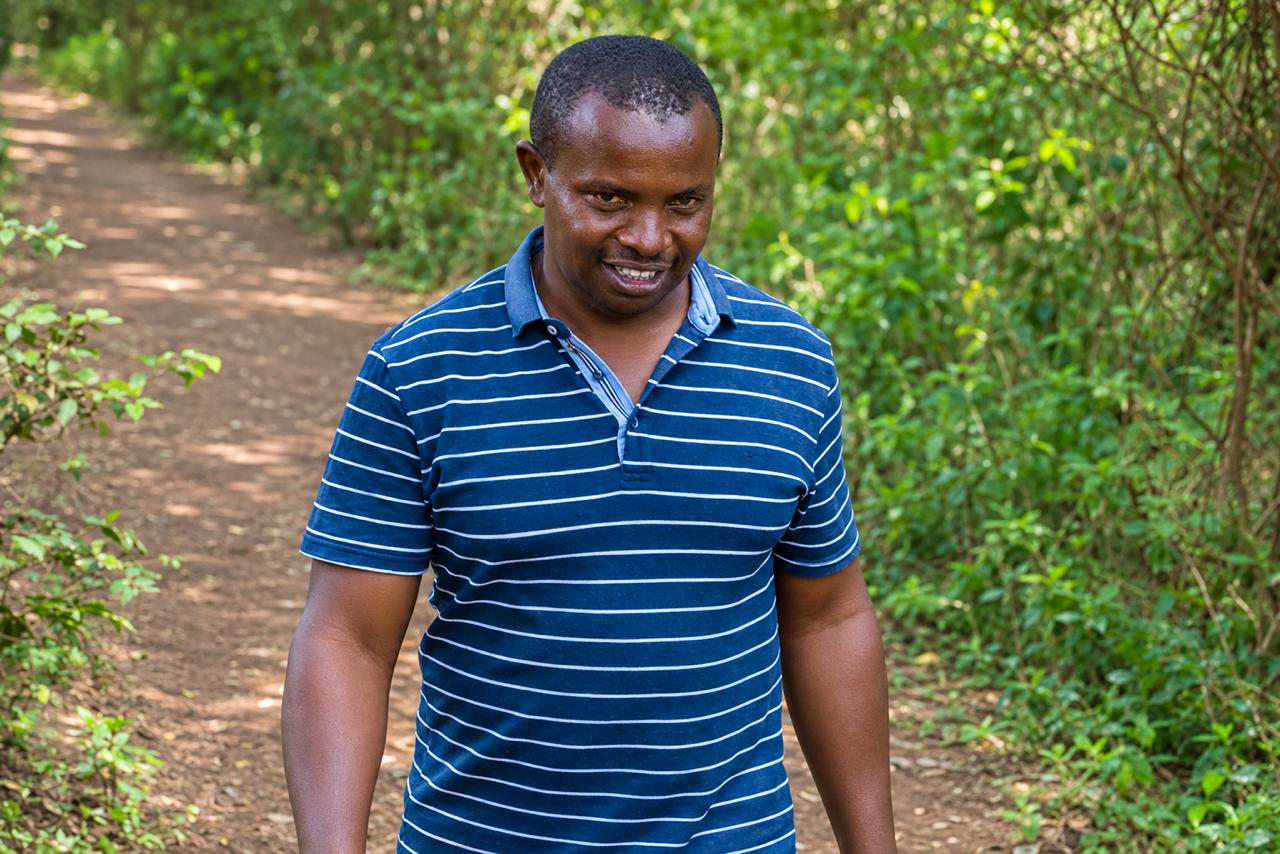
Fundi said long-term restoration also required commitment to restoring native species, managing invasive vegetation and creating public awareness about the importance of biodiversity in urban forests.
Achieving these restoration goals also requires long-term forest management and the involvement of surrounding communities.
Edward Munene, Senior Conservator at the Kenya Forest Service, said the priority was to establish a resilient forest ecosystem through the promotion of diverse indigenous tree species.
“Our priority is to restore a resilient forest ecosystem that supports biodiversity and sustains the many benefits people and nature depend on. This means promoting a diversity of indigenous tree species that will strengthen the forest’s ability to support life for generations to come,” he said.
Munene emphasised that surrounding communities also had an important role in protecting the forest, noting that their indigenous knowledge and traditional practices complement scientific approaches to conservation.
Adding “Local communities bring valuable indigenous knowledge and traditional practices that complement scientific approaches to conservation. By working alongside communities and supporting their existing conservation efforts, forest managers can strengthen local stewardship and build a shared commitment to protecting the forest for future generations.”