|
Getting your Trinity Audio player ready...
|
By Jackson Okata
Nairobi, Kenya: Stakeholders in farmer-managed systems across Africa meeting in Nairobi are pushing for strict legislation to protect indigenous seeds and safeguard traditional farming knowledge.
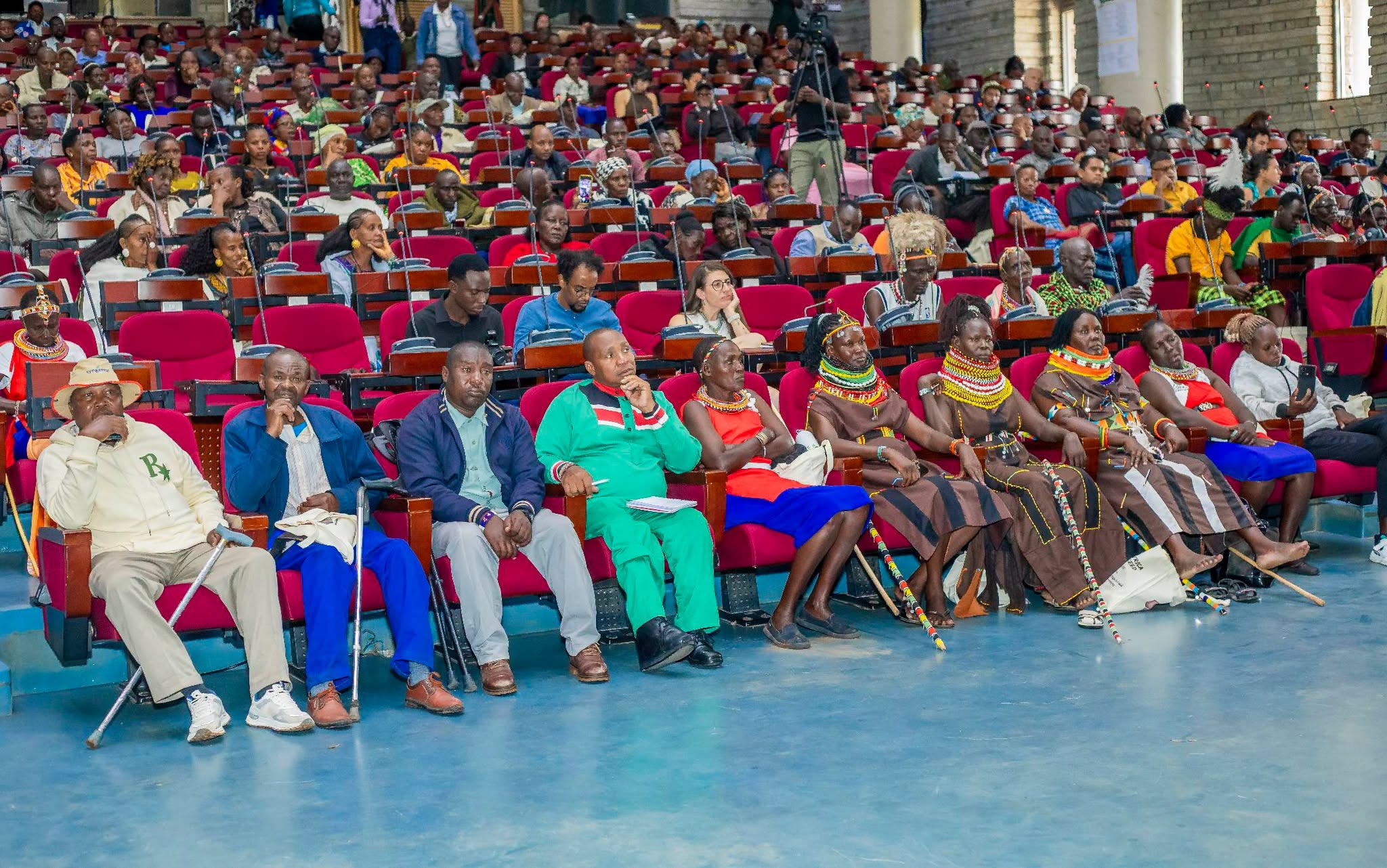
At the 1st Eastern Africa Indigenous Seeds Conference, farmers, researchers, policymakers, and civil society organisations from across Eastern Africa are calling for greater recognition and protection of farmer-managed seed systems against agricultural practices they say threaten traditional farming systems and biodiversity.
The four-day Conference, convened by Seed Savers Network, runs from November 17th to 20th, 2026, under the theme “Realising the Right to Food through Seed Sovereignty.”
The conference seeks to strengthen farmer-managed seed systems, promote agricultural biodiversity and advance farmers’ rights to save, exchange, use and improve indigenous seeds.
Speaking at the opening of the conference, Seed Savers Network Director Dr. Daniel Wanjama warned that the lack of farmer-managed system-friendly laws not only exposes the farmer but also puts nations at risk of hunger.
“When we have 80% of food consumed being produced by millions of smallholder farmers, we cannot afford to have laws and policies that fail to protect such a critical group of people within the food value chain,” said Wanjama.
Wanjama cited Kenya, where he said a lack of farmer-managed system policies has seen the country lose 30% of its indigenous seed and plant varieties in the past 20 years.
Beatrice Wangui, a smallholder farmer and indigenous seed custodian, said protecting traditional seed varieties was essential to preserving Africa’s agricultural heritage and ensuring farmers retained control over what they grow.
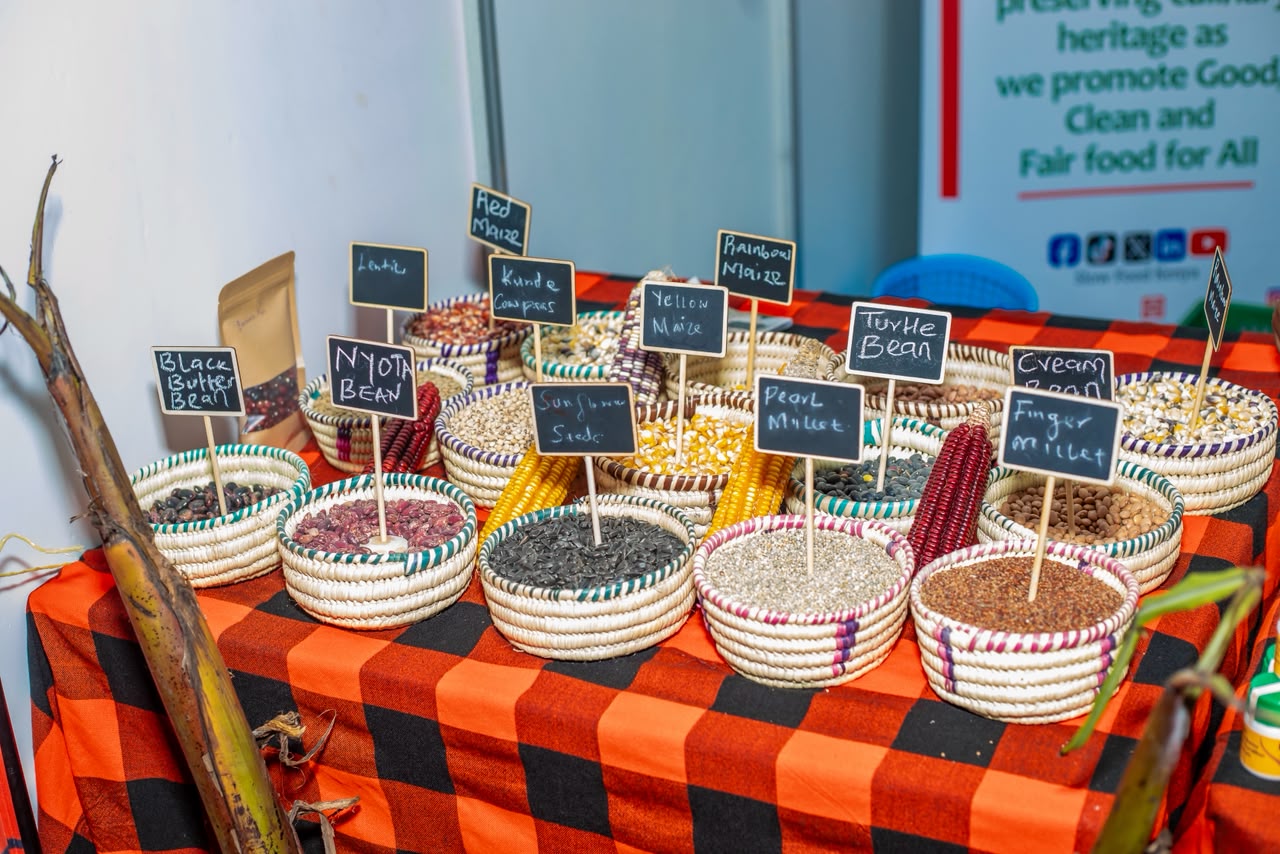
She noted that indigenous seeds, passed down through generations, were adapted to local environmental conditions and offered farmers an important alternative as climate change increasingly disrupted agricultural production.
“These seeds are part of our heritage. Our parents and grandparents preserved them, not because they had no alternatives, but because they understood their value. Today, we are being pushed towards commercial seeds, yet we must not lose the freedom to save, replant and share the seeds that have sustained our communities for generations,” she said.
Katrin Voss-Rosa, Director of Luxemburg Foundation East Africa, argued that industrial agriculture was not benefiting the smallholder farmer.
She called on the donor community to shift focus from industrial food production funding and instead channel it to organic farming, which she says produces healthier food.
Van-Rosa warned that over-reliance on seeds susceptible to pest attacks and on fertilisers that affect soil health was not helping Africa’s food situation.
“We cannot be food secure and sovereign when we keep the indigenous farmer out of the equation,’’ she said.
The conference comes at a critical time, as the East African Legislative Assembly is expected to debate the East African Community Seed and Plant Varieties Bill, 2025, which seeks to harmonise seed registration, certification, marketing, and plant breeders’ rights across the region.
However, farmer organisations and civil society groups have raised concerns that the proposed regional legislation could undermine farmer-managed seed systems if it fails to recognise indigenous varieties and traditional seed-sharing practices adequately.
EALA MP David Ole Sankok said the regional legislature was committed to passing the proposed Bill to protect local seed varieties.
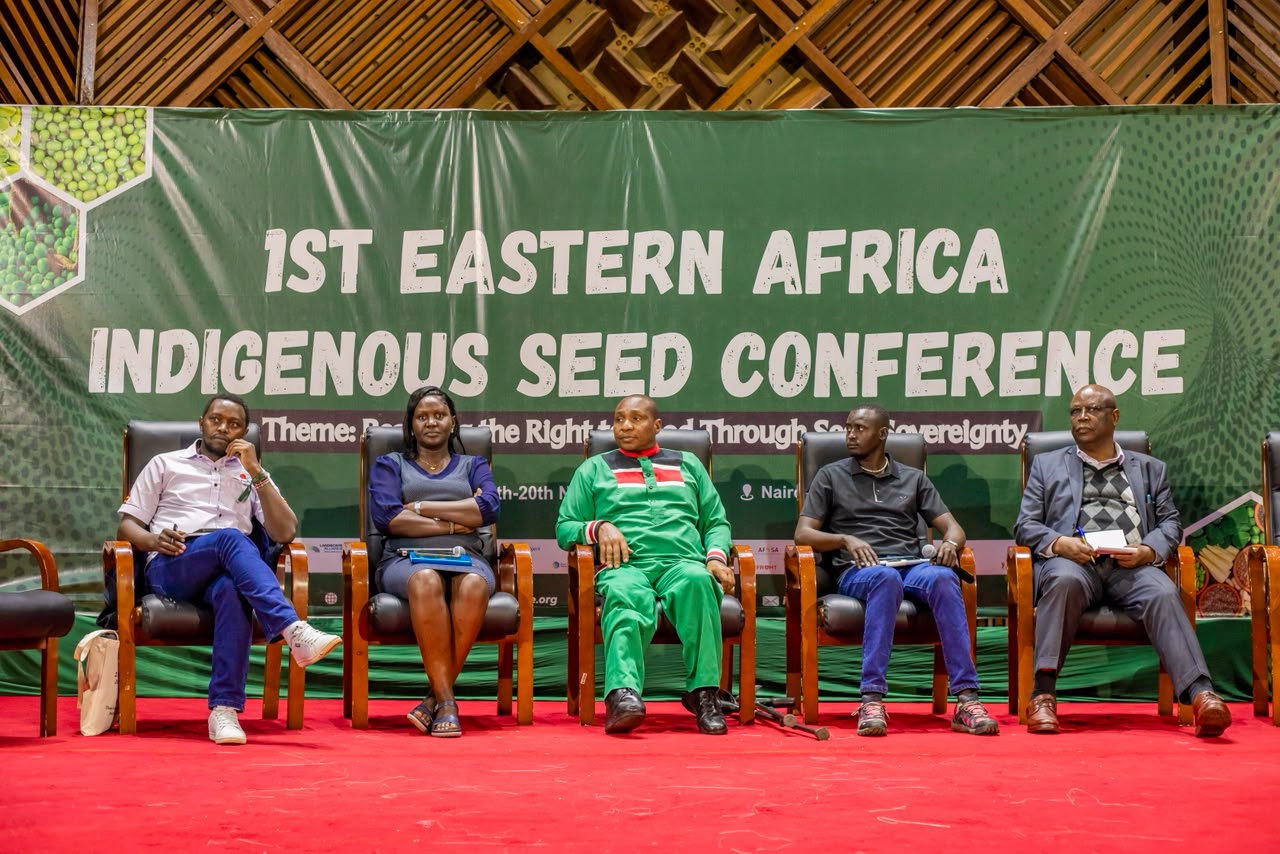
He warned that East Africa cannot afford to continue relying on exotic seeds, which he says has turned Africa into a net importer of food.
“We have four seed companies controlling almost 50% of the global seed market. This exposes the continent to the threat of biological warfare’’ said Sankok.
The conference is also expected to discuss the role of community seed banks in ensuring access to locally adapted varieties, preserving indigenous knowledge and helping communities recover from climate-related shocks.
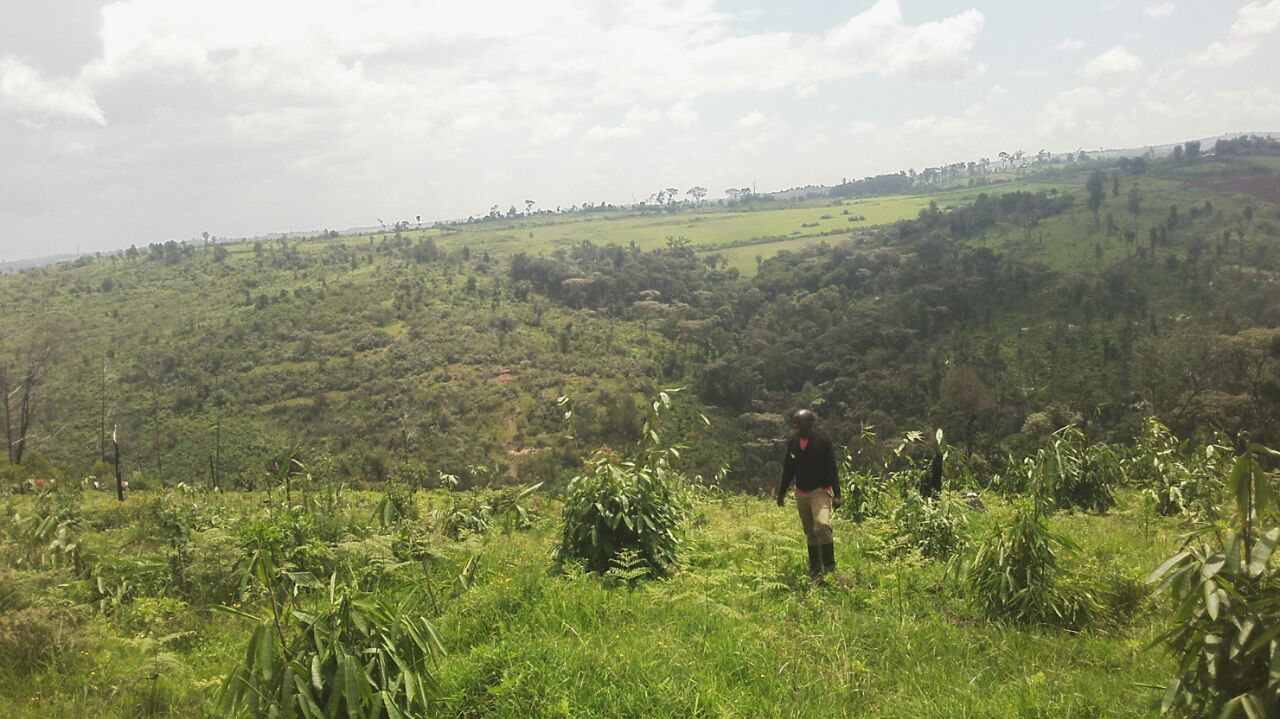
Beyond food security, the conference will explore the conservation of indigenous livestock breeds, tree seeds and underutilised crops as important components of agricultural biodiversity.
Another expected outcome of the conference will be the establishment of a regional community of practice bringing together farmers, researchers, seed custodians, civil society organisations and policymakers to share evidence, strengthen partnerships and coordinate action beyond the conference.
According to the organisers, the initiative will provide a sustained platform for regional collaboration and ensure that the concerns and experiences of farming communities inform future agricultural policies.