By Victoria Musimbi
Nairobi, Kenya: A collaborative initiative at Kianda 42 Level 4 Sub-County Hospital in Kibra is bridging critical healthcare gaps by bringing essential sickle cell screening, medication, and routine care directly to local families.
Living with sickle cell disease since birth, 45-year-old Judy Malela, a mother of two sons aged 17 and 12 finds managing her health significantly more manageable thanks to this local facility.
How Local Healthcare Access Supports Judy
Because her condition requires continuous family support, especially during severe health flare-ups when self-care becomes impossible, having treatment options nearby makes a vital difference.
“My journey has been tiresome. Having a good support system, especially family members who understand your condition, makes it easier. During cold weather, we fall sick very often and sometimes spend a lot of time in hospital. There are times when you are so sick that you cannot even walk or go to the toilet. You need someone to support you throughout the journey,” she says.
The impact has extended to her livelihood. Judy lost her job after falling ill and missing work for two consecutive weeks. Her employer told her she could no longer continue working because of her frequent illness and the medical expenses involved.
She is calling for better medical coverage under the Social Health Authority (SHA), saying limits on covered hospital visits make it difficult for people with the condition to seek care whenever they need it.
Access has become easier since she began visiting Kianda 42 Level 4 Sub-County Hospital three months ago. The facility is within walking distance of her home, allowing her to obtain the medication she needs without travelling far.
“I am proud to say my age because I know I have come from far. I have two boys, and I am a mother. I have been coming here for the past three months, and it has benefited me because the hospital is near my home. I can get the medication I need here,” she says.
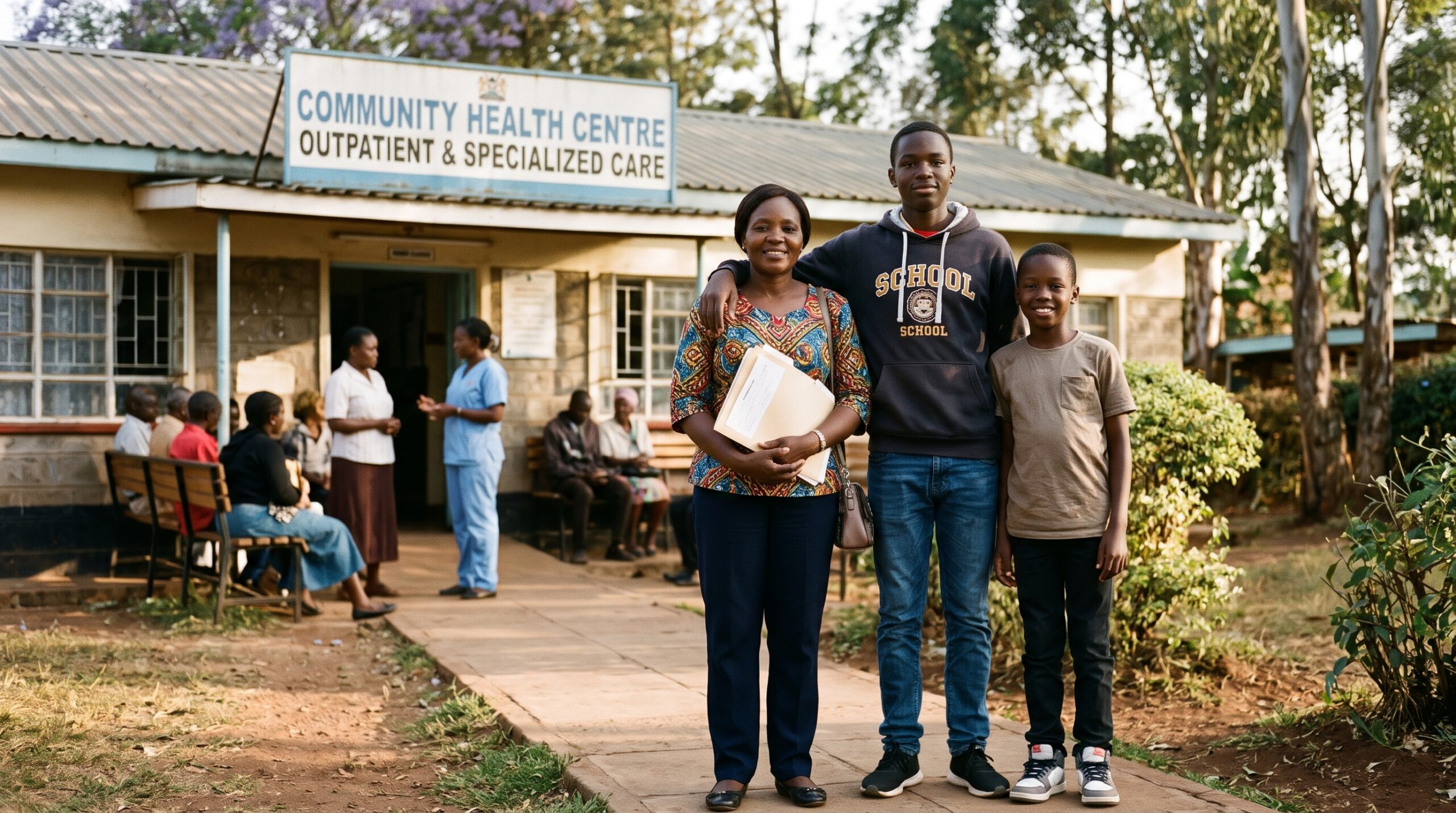
She has also taken her children to the facility for counselling and testing.
“I brought my children here, and they were counselled. I feel that now I know their status,” she says.
She says her two boys are carriers and wants to challenge misconceptions that people with the condition cannot have children. She urges employers and society not to deny them opportunities because they sometimes become unwell.
“We are human beings like everyone else. I ask society to give us opportunities and support us when we are unwell. When we recover, we can come back healthier and stronger than before,” she says, encouraging families to know their status.
Community Health Promoters Strengthen Follow-Up Care
Terry Ann Odindo, a Community Health Promoter (CHP) based at the facility, identifies people with sickle cell disease in the community and refers them for screening and treatment. She also follows up with patients, reminding them about clinic appointments, medication and the importance of a balanced diet.
“My work as a Community Health Promoter is to link the community and this facility, especially the sickle cell clients. We identify people living with sickle cell disease in the community and refer them to the facility for screening and treatment. After treatment, we follow up with them and remind them of the importance of coming to the facility and maintaining a balanced diet as they take their medication,” says Odindo.
She encourages caregivers to join support groups, particularly in Kibra, where some families face financial and other pressures while caring for children with the condition.
“Kianda, in Kibra, is a community where people are vulnerable, and some caregivers strain a lot while caring for their children. We encourage them to join support groups so that they can have something to support themselves with,” she says.
Odindo urges parents and extended family members to undergo screening to understand their genotypes and the possibility of passing the condition to their children.
“Having a child with sickle cell disease is not a death sentence. We encourage the mother, father and extended family to come forward for screening so that they can know their genotypes,” she says.
She says stigma can leave mothers raising affected children alone, as some fathers deny the condition exists in their families and blame the women.
“We tell them that sickle cell disease comes from both parents. The mother and father have to contribute, which is why both need to come forward for screening,” Odindo says.
Growing Patient Numbers Point To Increased Access
Since opening on August 4, the sickle cell clinic at Kianda 42 Level 4 Sub-County Hospital has experienced a steady surge in patient visits, according to facility manager Hezron Kailanya.
“We are beginning to see progress because the numbers are growing. During the first month after the launch, we attended to 41 patients, whom we call warriors. In the second month, the number increased to 54, and in our third month, we attended to 77 warriors,” he says.
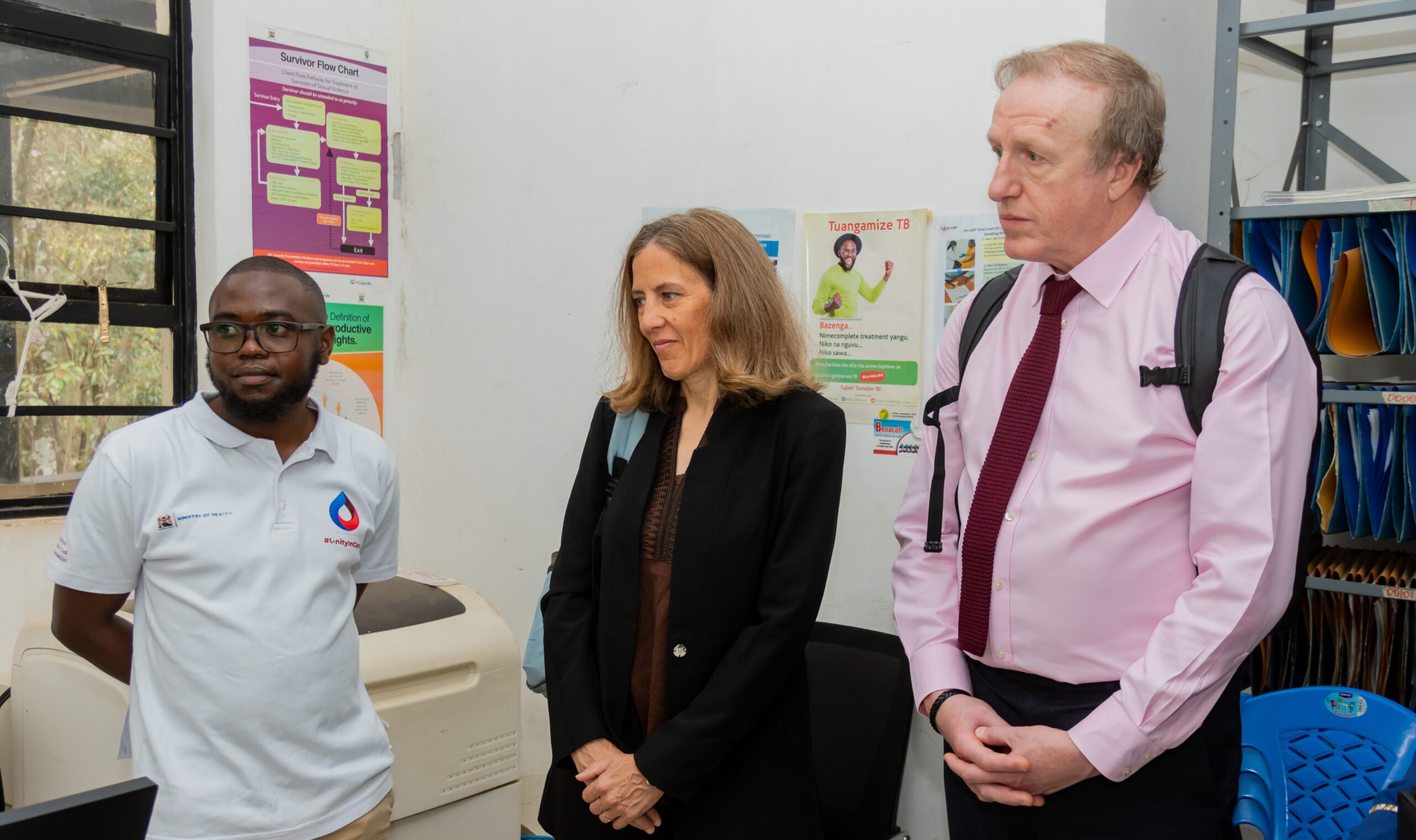
The facility has introduced screening to identify people who carry the sickle cell gene and those who may have the disease. The SickleSCAN rapid test uses a small blood sample collected through a finger prick, with results available within five minutes. Those who test positive in the initial screening are referred for confirmatory testing before being linked to the clinic for follow-up care.
Kailanya says the facility also conducted screening during the previous week, with those who tested positive referred for further testing. The clinic runs every Tuesday.
The hospital is also receiving patients from neighbouring counties, including Kajiado, widening access beyond Kibra. Patients can access screening, treatment and medication through the Social Health Authority (SHA).
“We can register you at the facility and help you access screening, other services and medication through SHA,” he says, adding that people who are not registered can be assisted if they have a national identity card or ID number and a Safaricom phone number.
The increase in attendance has, however, created a need for more health workers. Kailanya says the facility has discussed staffing requirements with the county government and is expecting additional doctors, technicians and laboratory technologists to support service delivery.
Ministry Calls For Early Screening And Diagnosis
Partnerships that bring screening closer to communities are important for identifying people with sickle cell disease early and linking them to care, says the Ministry of Health.
Dr. Maureen Kaunda, from the Ministry’s Division of Cancer Prevention and Non-Communicable Diseases, says early diagnosis helps patients receive care before complications develop.
“Early detection, diagnosis and management mean children can receive care before the disease progresses to severe stages,” she says.
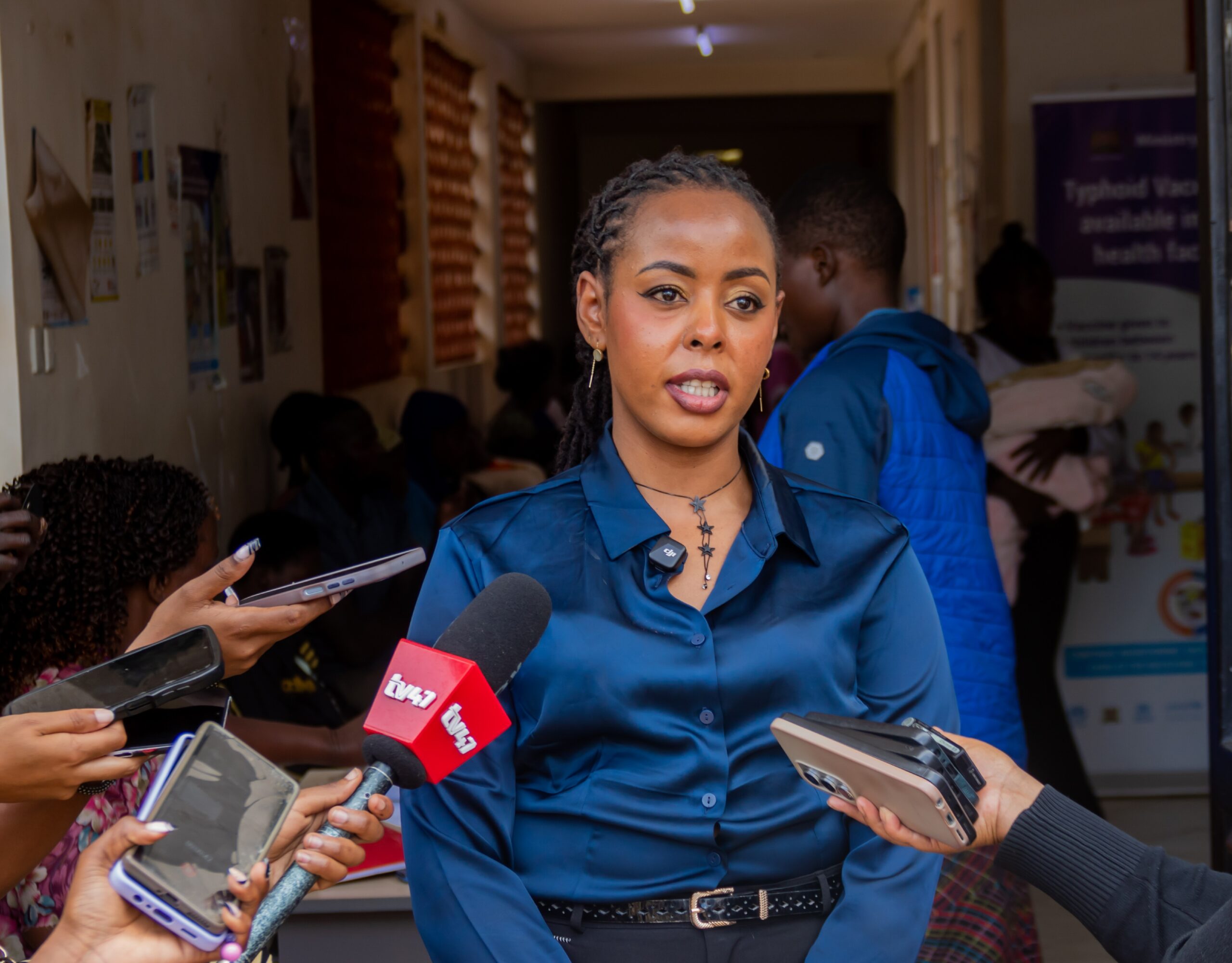
Dr. Kaunda says Kenya has 17 counties with a high burden of the disease, mainly in the Coast, Western and Nyanza regions. They include Mombasa, Kwale, Kilifi, Taita Taveta, Busia, Bungoma, Kakamega, Kisumu, Homa Bay and Siaya.
She notes that the disease is also associated with areas experiencing high malaria prevalence, making targeted screening and public awareness important. She says partnerships that extend testing into communities can improve early identification and access to appropriate services. Such efforts can help reduce delays in diagnosis and ensure patients are linked to care before serious complications arise.
Foundation Works To Address Stigma And Expand Services
The Children Sickle Cell Foundation was established more than 20 years ago after a member experienced the challenges of raising a child with the condition and recognised the need to support other affected families.
Geoffrey Shimanyula, the foundation’s chairman, says the organisation was formed to respond to the difficulties families faced.
“One of the reasons the Children Sickle Cell Foundation was established was that one of us had a warrior. The challenges they went through made them realise that there was something they could do about this. That is how the Children Sickle Cell Foundation started,” he says.
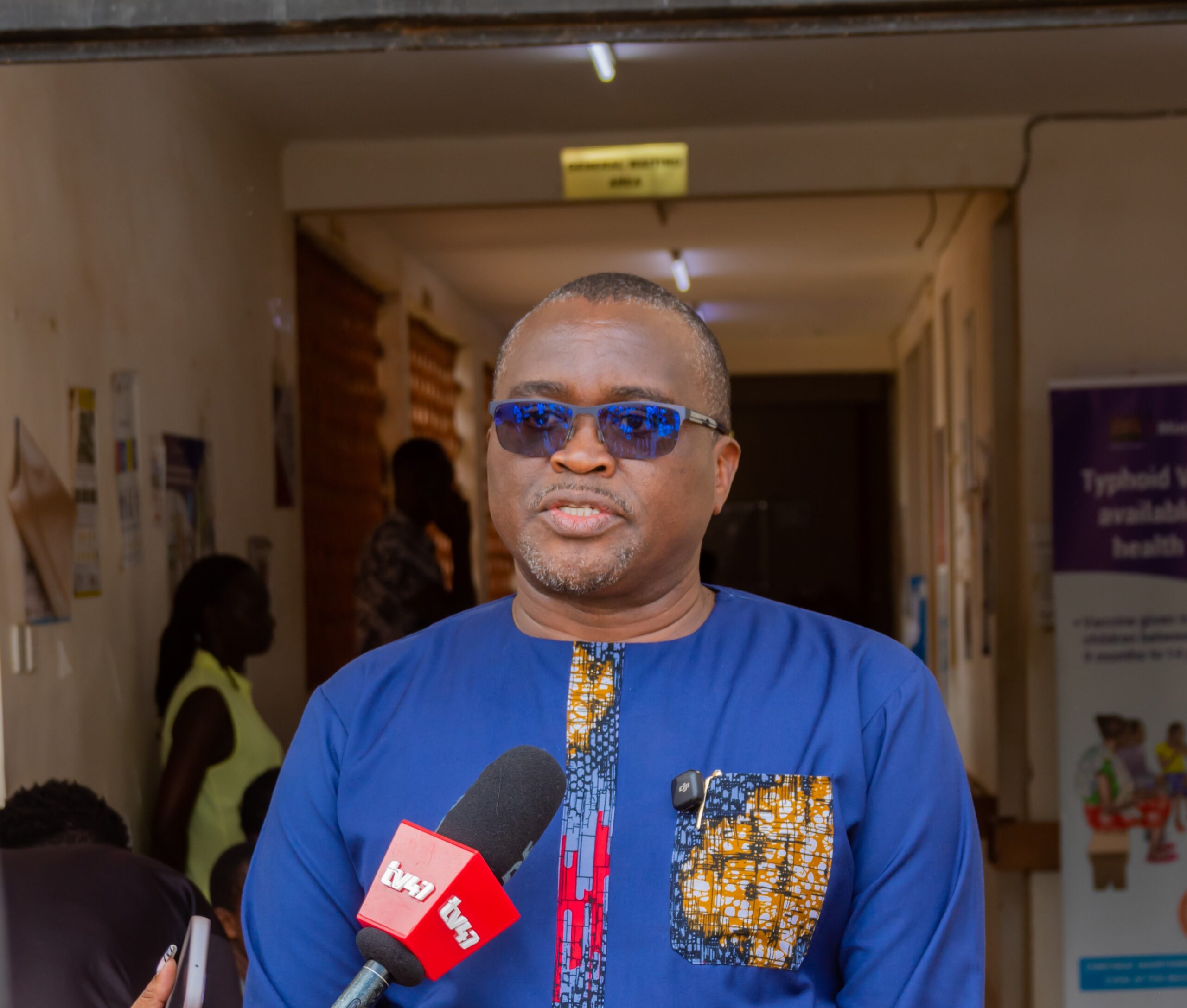
Shimanyula says negative perceptions have caused deep pain for families. He recalls a relative whose mother-in-law rejected her and her children because they had sickle cell disease.
“As I said earlier, sickle cell disease has been viewed very negatively. Someone has just mentioned a woman who lost her children. What she may not know is that the woman was my relative. Her mother-in-law refused to accept her and her children because the children had sickle cell disease. It pained me deeply because the mother-in-law had been my Class One teacher. I tried talking to her, but she chased me away, saying, ‘I don’t want people who have been bewitched in my home,’” he says.
The foundation works with healthcare facilities to improve access to screening and treatment. Its partnership with Kianda Hospital began three months ago. Shimanyula says it has brought services closer to families and increased clinic attendance.
“I am glad that the partnership we established with Kianda Level Four Hospital three months ago has borne great fruits. As we talk to the leadership team here, they are saying that the number of patients has been growing month on month, and that the patients are very happy that now the facility is a walking distance away from their homes,” he says.
It hopes to attract sponsors to establish similar services in Western Kenya and the Coast, where the disease is prevalent. Shimanyula also welcomes the inclusion of sickle cell care under SHA, saying families previously struggled to pay out of pocket for medicines needed regularly.
Through its partnership with OraSure Technologies, the foundation hopes to expand access to screening and testing kits so more families can establish their status early and seek appropriate care.
Orasure Seeks To Expand Access To Rapid Testing
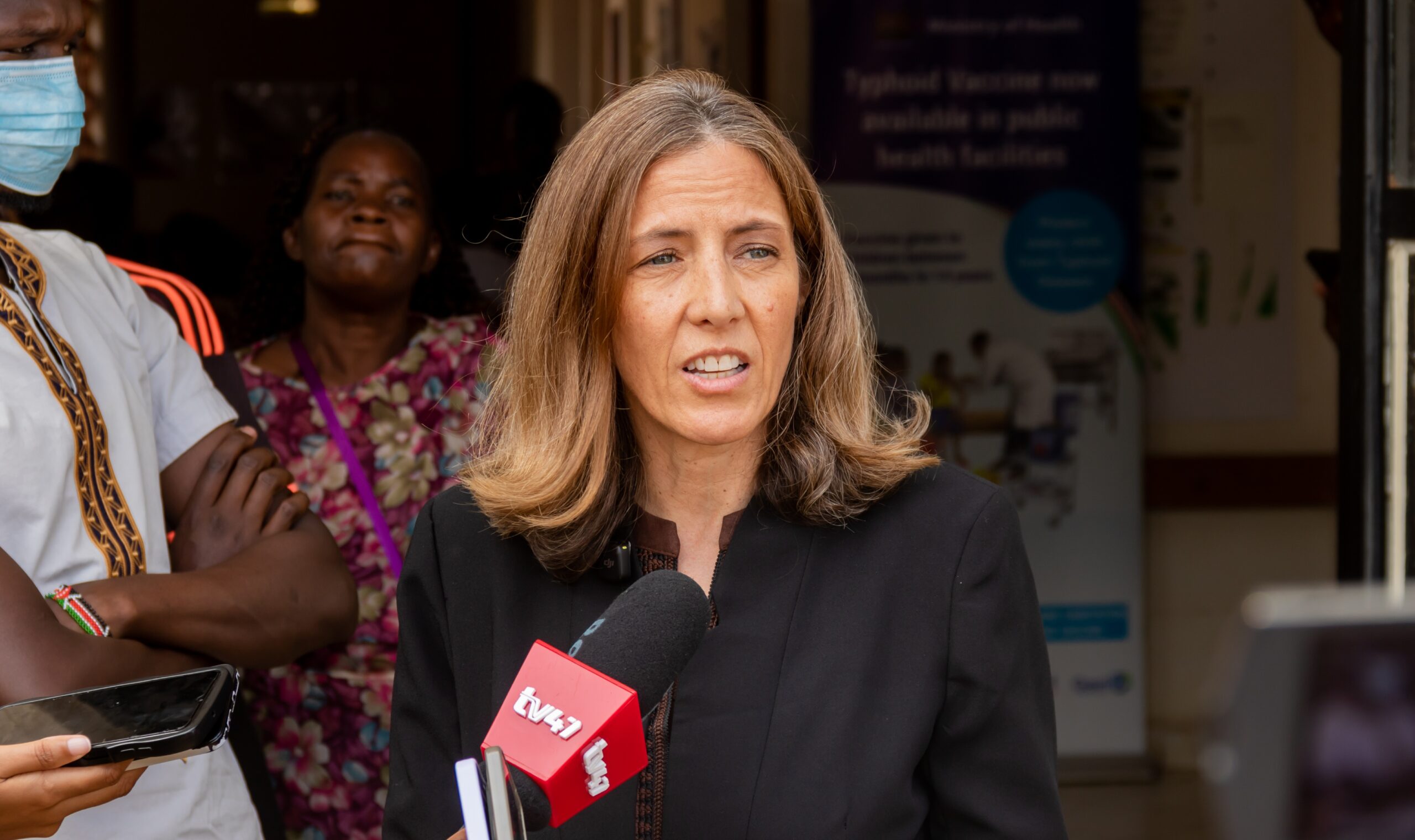
Carrie Eglinton Manner, President and CEO of OraSure Technologies, says the company is working with local partners to expand access to affordable and rapid testing in Kenya.
During her visit to Kianda Hospital, she said bringing the SickleSCAN rapid diagnostic test to Nairobi was part of efforts to raise awareness, identify people who may have the condition and connect them to treatment.
“Our goal is to increase access to affordable, rapid testing in communities, raise awareness of sickle cell disease and connect patients to treatment and care,” she says.
Manner describes SickleSCAN as a highly sensitive and specific test for first-line screening. People who receive a positive result can be referred for further testing and linked to appropriate care.
OraSure has been working with the SickleSCAN rapid test in Kenya for more than a year and plans to extend its reach to more patients, families and caregivers.
Manner says she was encouraged by healthcare providers and partners working to improve awareness, education and access to services in local communities.
“I am inspired by the awareness being raised in the community, the education being provided and the progress being made in improving health outcomes. What we are seeing here feels like a model for the world, not just for Nairobi, Kenya or East Africa,” she says.
She thanked the hospital and its partners for welcoming the OraSure team and reaffirmed the company’s commitment to supporting this work in Kenya.
“We are committed to standing together and continuing to make progress in supporting the incredible work being done,” she says.