|
Getting your Trinity Audio player ready...
|
By Shaban Makokha
Kakamega-For years, the bodaboda industry has battled a deeply entrenched reputation for criminal gangs, reckless riding, political violence, and lawlessness.
Yet the sector provides livelihoods for millions of young people and is a critical part of Kenya’s transport network. The stigma has undermined the dignity of genuine operators and overshadowed their contribution to household incomes, jobs and local economies. During election periods, politicians have repeatedly been accused of using riders as hired crowds, transport fleets and, in some cases, perpetrators of violence.
In Kakamega County, riders are determined to turn the page. By forming Community-Based Organisations (CBOs), they hope to transform a loosely organised trade into a structured, professional and economically empowered industry. The structures are meant to give riders a collective voice, strengthen accountability, improve welfare and open access to government empowerment programmes. They also aim to position riders as responsible citizens and partners in community policing.
County bodaboda chairman Idd Wanakaya says the industry has suffered unfair treatment despite supporting thousands of families. He regrets that riders are often judged collectively by the misconduct of a few.
“It was difficult for this industry to be identified as a professional career that is offering jobs to millions of youth across the country. No leader wanted to move close to us unless for wrong reasons. But today, we are getting celebrated,” said Wanakaya.
He says the sector now attracts university graduates, teachers and other formally employed people who ride for extra income.
“But that narrative is changing. We have teachers who join us after classes, we have graduates who are earning from this sector and many other professionals who ride the motorcycles for their survival,” he added.
A health official’s push
Leading the effort is Kakamega County Health Chief Officer David Alila, who says he was moved by the hardships riders face, including insecurity, exploitation, road accidents, lack of social protection and limited economic opportunities.
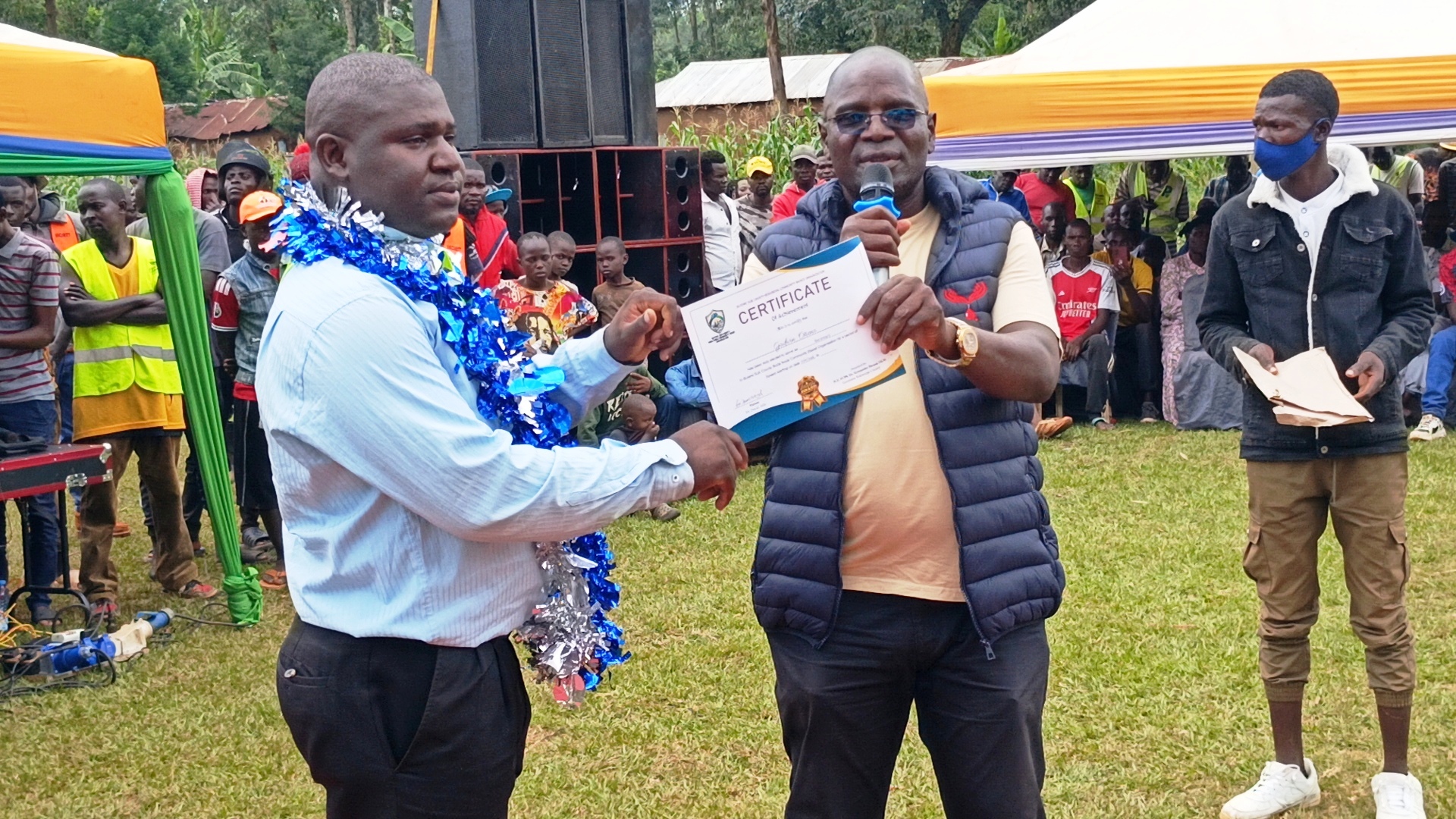
“I found bodaboda riders facing lots of challenges in their life. I have bought so many coffins for bodaboda riders who get lynched. I have footed several hospital bills after they are attacked and injured,” said Alila during the launch of the Butere Sub-County Bodaboda CBO in Sabatia. “I decided to bring them together and initiate an empowerment plan that could sustain their livelihood.”
Through the CBOs, riders will be encouraged to save, register for health insurance, access government programmes and comply with road safety rules. The structures should also strengthen discipline by making members easier to identify, establishing leadership accountability and helping to isolate those involved in crime.
Alila has pledged to facilitate CBOs in all 12 sub-counties, creating a network of riders with recognised leaders who can engage government and development partners. The organisations will also help riders protect their daily earnings and build financial discipline.
“Above all, through such organised operations, the sector aims to enhance safety, professionalism, and economic opportunities for riders. We shall be planning for consultative meetings of bodaboda County Coordinators to strengthen coordination and develop practical strategies for the sector,” he said.
With the 2027 General Election approaching, Alila cautioned riders against being exploited by politicians, urging them to reject recruitment into violence, public disorder or criminal activity. He wants them to work with security agencies and community leaders to identify rogue elements and protect the industry’s reputation.
He also called on security agencies to prioritise riders’ safety and challenged county leaders to stand with them when their lives are threatened, even suggesting a countywide strike if attacks continue.
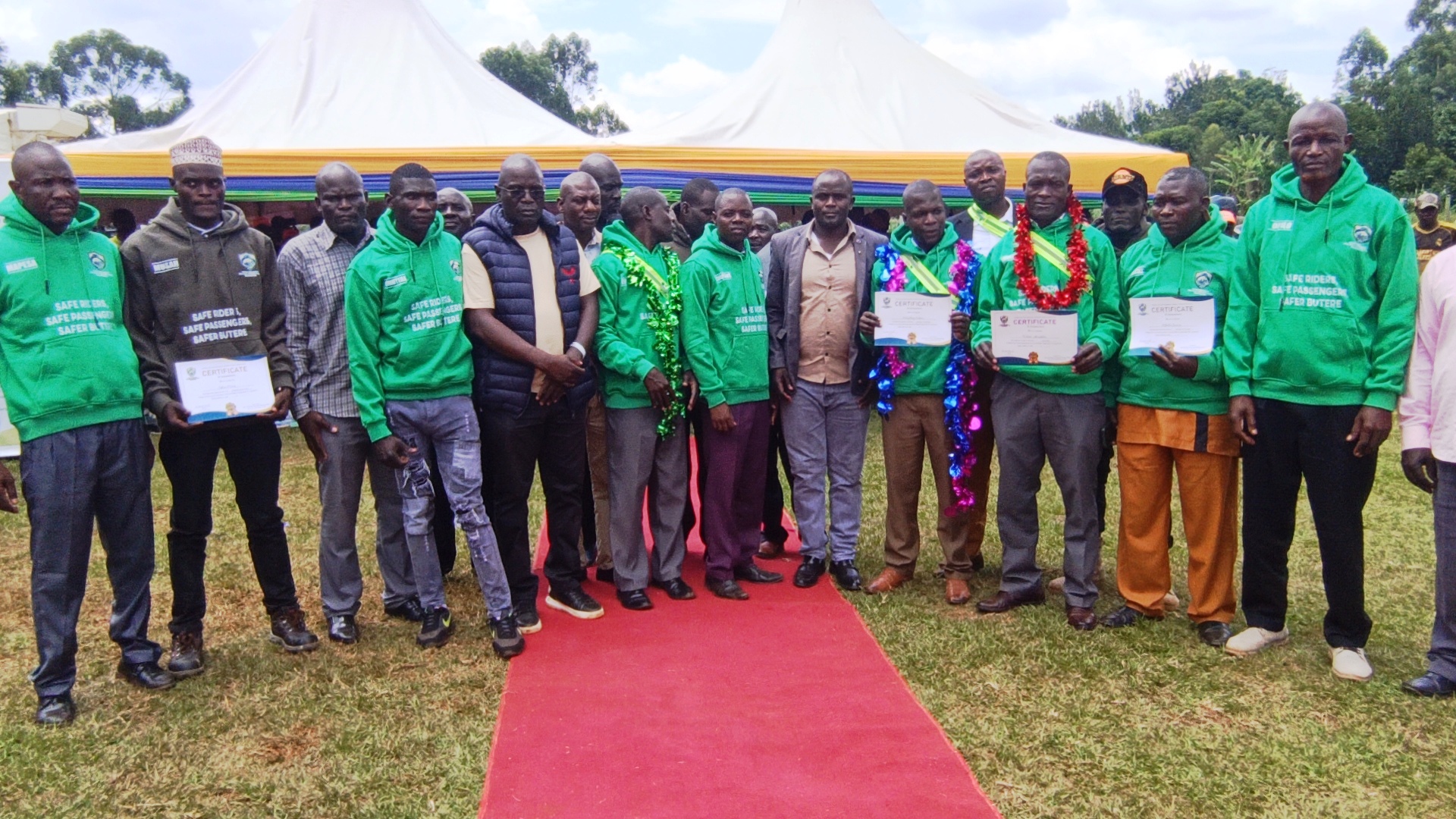
The Butere CBO’s launch marks a milestone in the county’s efforts to formalise the sector. Paston Mjumbe Amulabu was elected chairperson, deputised by Humphrey Sakwa. Godwin Otieno is secretary and Samson Indeche is assistant secretary. Suleiman Ominde is treasurer, Idris Nasab is organising secretary, Vincent Omutere is youth leader, and Charles Amaya is in charge of security. They will serve a five-year term.
Amulabu says the CBO is a chance for riders to reclaim their dignity and show that motorcycle transport is a legitimate profession.
“We are well schooled with families. This job is like any other because it puts food on our tables, educates our children and sustains our livelihoods,” he said.
The Butere operators have also declared support for Governor Fernandes Barasa in the 2027 election, crediting him with recognising their contribution and improving the sector.
For an industry long plagued by insecurity, poor working conditions, limited credit and weak social protection, organisation could be a turning point. Beyond the motorcycles, daily fares and crowded stages, riders are seeking dignity, economic security and recognition. As Kakamega moves to establish CBOs across its 12 sub-counties, the goal is to turn a fragmented and often misunderstood workforce into a disciplined, organised community of professionals.