|
Getting your Trinity Audio player ready...
|
By Lenah Bosibori
Nairobi, Kenya: As Kenya marks Intersex Awareness Day on 26th October, advocates say legal recognition has yet to translate fully into protection in hospitals, classrooms and public offices. The country has made progress in recognizing intersex children and providing for their birth registration. Yet many families still face discrimination, costly medical care and difficulties obtaining official documents.
For Peter Maingi, these challenges became personal when his second child was born 16 years ago. He had expected to take home a baby boy, but doctors noticed sex characteristics that required further examination.
“My child had what doctors call ambiguous genitalia,” he recalls. The birth began a long journey through medical consultations, uncertainty, and stigma.
Maingi and his wife sought medical help to understand their child’s needs. He says doctors initially told them the child had an undescended testicle, and the child later underwent surgery. Further tests revealed a 46, XX chromosome pattern, typically associated with females, despite physical characteristics the family had understood to be male.
The years of searching for answers took a financial and emotional toll. “I used to think I was a very courageous man,” Maingi says. “But this almost brought me to my death.” Through hospital contacts and intersex rights advocates, he eventually found support and began helping other families.
Today, Maingi embraces the name “intersex father,” through which he has become known in Kenya. He encourages families to protect their children rather than give in to stigma. “I never chose this, but I believe this is a journey I was meant to take,” he says. “Intersex people need protection, love and support.”
Understanding Intersex Variations and Confronting Stigma
Veronica Mwangi, an advocate and public policy expert, explains that intersex people are born with sex characteristics that do not fit typical expectations of male or female bodies. These variations can involve anatomy, hormones, or chromosomes, as reflected in Kenya’s Children Act, 2022. Not every intersex person has genital differences visible at birth. Some variations become apparent during childhood, puberty or later in life.
Brenda Imali, a healthcare professional, psychologist and medical social worker, says families need reliable information rather than blame. She rejects claims that intersex variations are a curse or evidence that a family has been bewitched. She says research continues into the causes of different variations.
“I know people are still doing research, and we might not have a pointer to say this is the reason why we are having an intersex child,” she says.
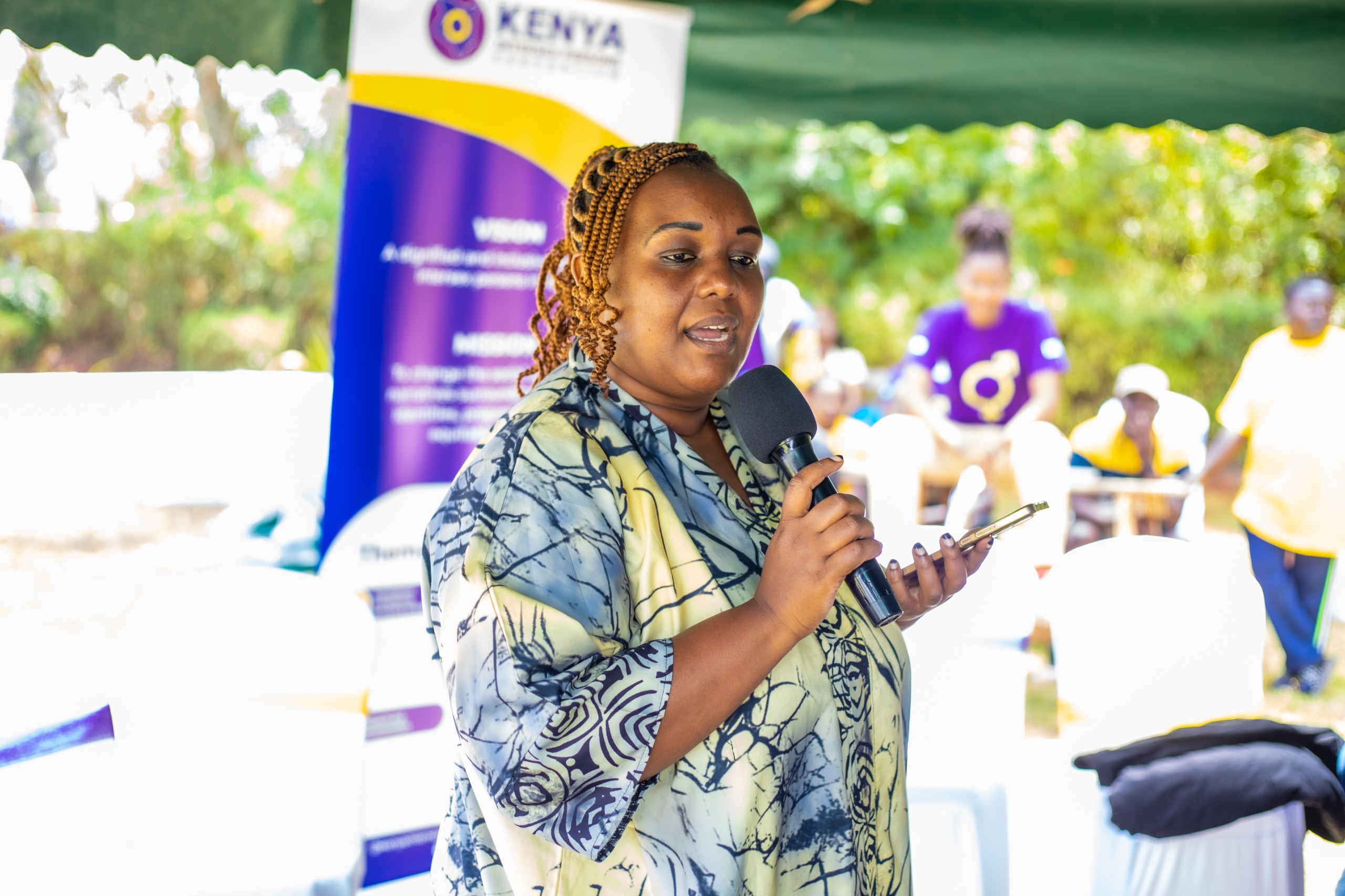
Imali describes about 47 intersex variations, with the number approaching 50, and stresses that people’s characteristics and healthcare needs differ. A single explanation cannot capture everyone’s experience. “You cannot just say that we can talk about intersex in one sentence,” she says. “We talk about intersex individually.”
For Maingi, a lack of understanding has sometimes exposed his family to cruelty. “I remember someone telling my wife that the best thing was to kill our child so that we could live comfortably,” he says. “I told my wife that, over my dead body, I would not allow anyone to harm our child.” The experience strengthened his determination to protect his child and support parents facing similar hostility.
He says some families are forced to move after neighbours learn that their child is intersex. Those living in rented homes may leave familiar surroundings and begin again elsewhere. At school, puberty can bring further difficulties when a learner’s physical development does not match other people’s expectations. Maingi says this can expose children to discrimination and make everyday matters, including uniforms and toilet access, distressing.
Speaking in an interview in Nairobi to mark Intersex Awareness Day, Maingi said he knew of more than 10 cases in which intersex learners had been denied admission or forced to change schools because of their physical characteristics.
Within his own family, he has also faced difficult questions from his child. He recalls the child asking why their body differed from that of a younger brother. Such conversations underline the need for accurate, age-appropriate information and support for both children and parents.
Medical care adds another burden, with families paying for tests, consultations and specialist services. Maingi says finding professionals who understand intersex variations can be difficult. He also highlights the need for respectful sexual and reproductive healthcare, including appropriate menstrual products and accurate health information. His child is now 16, and he wants the child to participate meaningfully in decisions about their body and future.
Turning Legal Recognition into Access to Services
Kenya’s Children Act, 2022 provides an important foundation for protecting intersex children. Section 21 guarantees their right to dignity, appropriate medical treatment, special care, education and training, and consideration in social protection services.
Section 7 also requires measures to ensure their correct documentation and registration at birth. Advocates say the challenge is ensuring these protections are consistently applied.
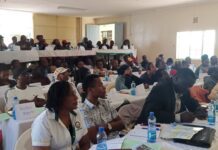
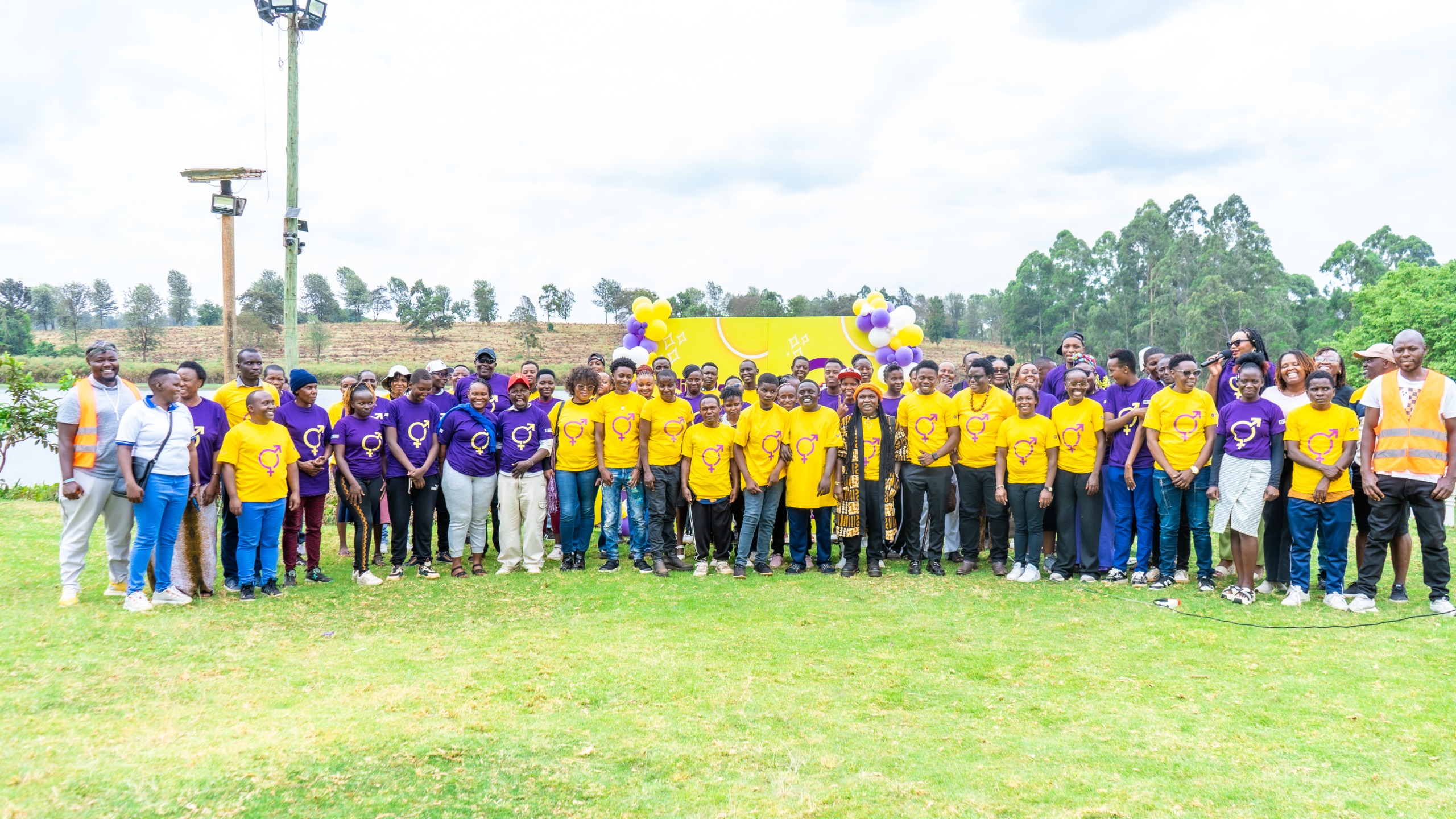
Speaking at an Intersex Awareness Day event organized by Jinsiangu and the Kenya Intersex Persons Consortium, Mwangi said the theme, “Bodies Beyond Expectations,” called for acceptance and respect.
She described recognition in birth registration as an important step forward. “This means now in Kenya we have an intersex marker in our birth registration and also in the relevant documentation,” she says. However, she cautions that recognition alone does not remove the barriers people encounter when seeking services.
Mwangi says some public officials still cite a lack of policies or legal guidance when approached for assistance. “Most of the time when you go to some of these ministries and departments, the majority of the people will tell you, ‘I am unable to assist because I don’t have a policy, I don’t have a law,” she says.
Her concern is the gap between existing protections and the procedures institutions use to deliver them. She wants government agencies to develop clear guidance so that access does not depend on an individual official’s understanding.
Kenya’s 2019 Population and Housing Census recorded 1,524 intersex people. Mwangi says greater awareness and recognition can help the country better understand this population and plan appropriate services. Maingi’s experience, however, points to continuing uncertainty over passports and other official documents. He says staff changes and inconsistent procedures can leave people unsure whether earlier decisions will be honored.
She believes early awareness can help learners understand bodily differences and reduce stigma. She also says the Ministry of Education has engaged stakeholders on supporting learners facing difficulties linked to their physical characteristics or documentation.
According to Mwangi, some learners have received help with school placement, while school heads have been sensitized to support them. However, challenges continue as learners move to senior secondary school and university.
“Changing names or updating official records can create further obstacles,” she adds. “I call upon the Ministry of Education and the Teachers Service Commission to develop clear policies that guide teachers and protect intersex learners from discrimination.”
Mwangi also warns that digital government systems can exclude people when their records do not accommodate intersex sex markers. She wants government databases to reflect legal recognition rather than create new barriers.
“This includes ensuring that the Social Health Authority (SHA) system accommodates intersex people seeking medical services,” she reiterates. “A person’s sex marker or documentation should not prevent access to care.”
To address these wider gaps, Mwangi is urging the government to advance the proposed Intersex Persons Bill, which she says was developed through consultations with stakeholders across the country. The proposal seeks to address barriers in healthcare, education, employment and social inclusion.
A specific law, she argues, would clarify government agencies’ responsibilities and provide a stronger basis for policies and resource allocation. The aim is to ensure that people can exercise their rights without repeatedly having to negotiate institutional barriers.
Alongside legal protection, Imali says intersex people and their families need sustained emotional and psychosocial support. She helps individuals understand information received during hospital visits, supports them through consultations and admissions, and connects them with appropriate services.
“I run support groups for parents, intersex individuals and people experiencing mental health challenges, she says. “These groups offer space to share experiences, receive encouragement and seek referrals.”
Connecting parents with others facing similar experiences can reduce isolation, Imali says. It also gives them opportunities to learn how to support their children. “Mental Health is a journey that you don’t even know the end of,” she says. “It needs a lot of encouragement.”
Imali also works with healthcare professionals to improve their understanding of intersex people’s needs. During sensitization sessions, intersex individuals can share their experiences and explain how they wish to be treated.
Healthcare workers are reminded of their professional ethics and responsibilities. The approach brings the voices of people receiving care into discussions about how services should be delivered.
A central concern is what some advocates call intersex genital mutilation (IGM). The term describes medically unnecessary procedures that alter an intersex person’s sex characteristics without their informed consent, particularly during childhood.
Imali says parents can feel pressure to make their child’s body conform to conventional expectations of male or female anatomy. She believes better information for families and healthcare workers is essential to protecting children from unnecessary interventions.
“When medical decisions are being considered, I urge parents and guardians to involve professionals from different fields. Depending on the individual’s needs, these may include endocrinologists, gynaecologists, urologists, psychiatrists, psychologists and social workers,” she adds.
Their combined input can help families consider physical health, psychological wellbeing and social circumstances. She stresses that care should respond to each person’s needs while respecting their dignity and participation in decisions.
For Maingi, the goal is for his child and other intersex learners to grow up accepted, protected and able to pursue an education without fear. His experience shows why recognition in birth records, while important, is not enough.
Families also need reliable information, affordable healthcare and schools that respond to discrimination. Advocates say Kenya’s next test is whether its institutions can make those protections part of everyday life.