|
Getting your Trinity Audio player ready...
|
By Melisa Mong’ina
Nairobi, Kenya: Community-based organisations in Nairobi are supporting children, adolescent girls and young people facing challenges ranging from food insecurity and school exclusion to teenage pregnancies and mental health struggles.
Working in different communities, the organisations provide feeding programmes, sexual and reproductive health services and psychosocial support to address needs they have identified on the ground. However, limited funding and staffing remain challenges as they work to meet the needs of the communities they serve.
From a Classroom Feeding Effort to Community Support
In Korogocho, Shaber Slums Dream Team began providing support to schoolchildren after its founder, George Arwa, who is also a teacher, repeatedly encountered pupils sleeping in class early in the morning because they had not eaten at their homes.
“When I used to ask the kids why they were sleeping in class, the answer they used to give me was that the last meal they had was the previous day during lunchtime at school,” recalled Arwa.
He initially began buying porridge for the children, but as their numbers grew, he sought support from friends, leading to the establishment of the community-based organisation.
The organisation later identified children around the Dandora dumpsite who were not attending school. They were able to rescue 50 children, of which 30 received school uniforms and were still attending school.
“Out of the 30, we have also managed to enroll 10 of them into the Information Technology training where we train them on how to make robots and do coding. We are also paying full school fees for five of them ensuring that they’re not being sent back home,” he added.
The Shaber Slums Dream Team also works to reunite children rescued from the dumpsite with their families. Arwa said some children go to the dumpsite in search of food, while their families are also struggling to meet basic needs.
Beyond education support, the organisation runs a holiday feeding programme that combines meals with mentorship, technology training and talent identification. Arwa noted that the holiday feeding programme keeps the children busy and prevents them from going back to the streets.
“We also realized that these parents can’t get food for their children and therefore, we decided to empower them. We are planning an initiative called EcoCraft which would train parents working at the dumpsite to turn waste materials into products they could sell,” shared Arwa.
Supporting Girls’ Sexual and Reproductive Health Rights
In Githurai, Generation Guiders is addressing another set of challenges affecting adolescent girls and young women, including teenage pregnancies, limited access to accurate sexual and reproductive health rights information and difficulties obtaining sanitary pads.
According to Erick Omondi, Founder and Executive Director of the organisation, the group was established after members observed high numbers of teenage pregnancies in their community.
“We observed that most of the young girls sit for national examinations while in hospital giving birth raising concerns about how early pregnancy can interrupt their education,” he recalled.
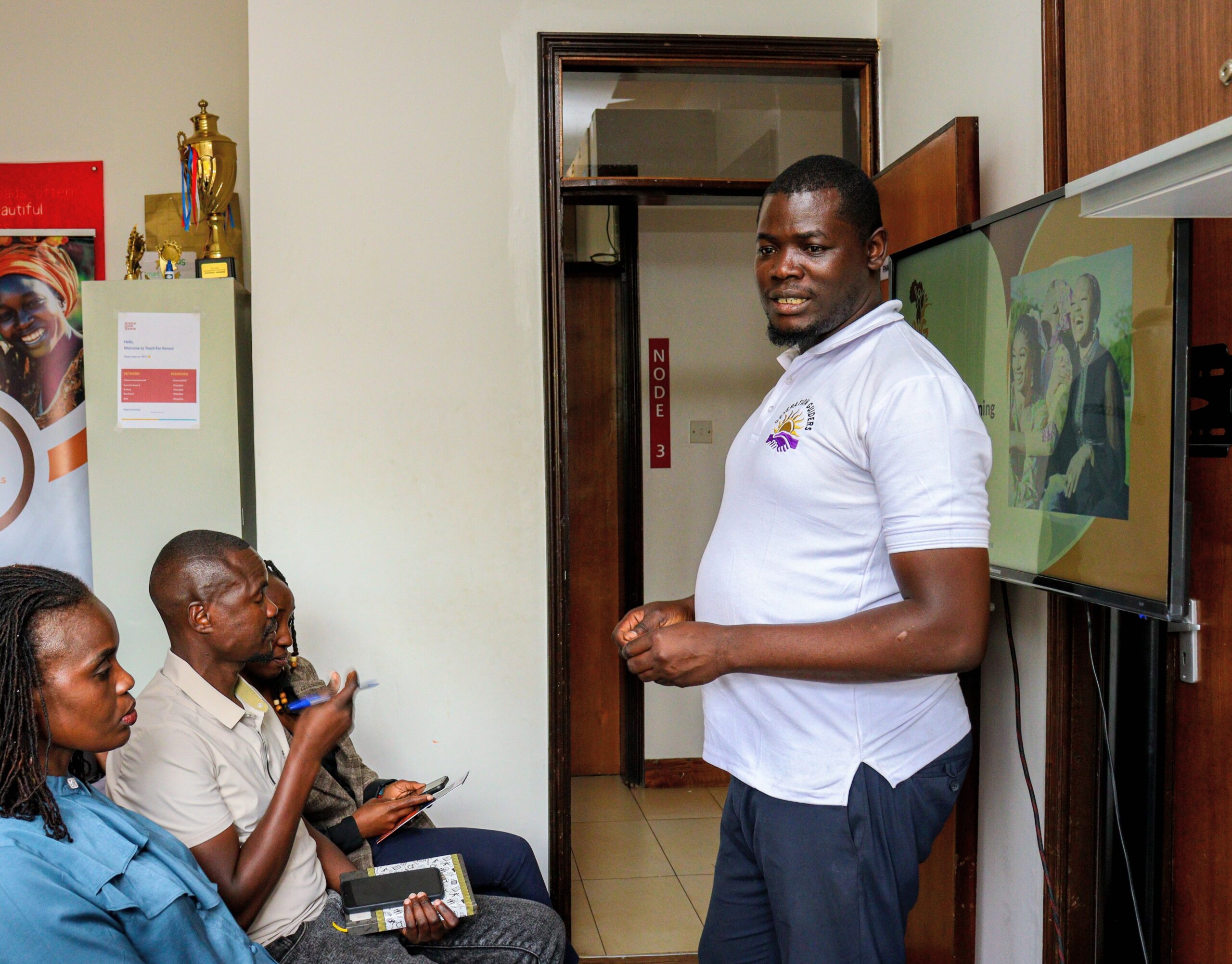
The organisation also identified online misinformation about sexual and reproductive health rights as a challenge for young people seeking information. He further noted that there were also concerns about the high number of young girls affected by HIV and AIDS.
“As an organisation, we needed to find the best way to empower and equip these young people to know their HIV status and create HIV and AIDS awareness within the community,” added Omondi.
Generation Guiders reports that it distributes sanitary pads to 1,200 girls every month. Through a partner, Omondi said they also provide sexual and reproductive health rights services to more than 600 girls monthly in Githurai.
Turning Personal Experience into Youth Mental Health Support
Building Empowerment and Development (BEMAD) is working to promote youth mental health through psychosocial support, awareness and referrals.
Kyule Ezekiel, Executive Director and Founder of BEMAD said the organisation emerged from his personal experience of emotional distress while caring for the dad, who had stage-four cancer, and supporting his mother through the difficult period.
While studying at Mount Kenya University, he found relief through conversations with friends who listened to his experiences and shared their own struggles.
“They gave me the chance to come and share my story with them,” he recalled. “After I finished talking, another person started talking and everyone opened up. That made me feel I was not the only one facing difficult moments.”
The meetings eventually developed into a peer support group.
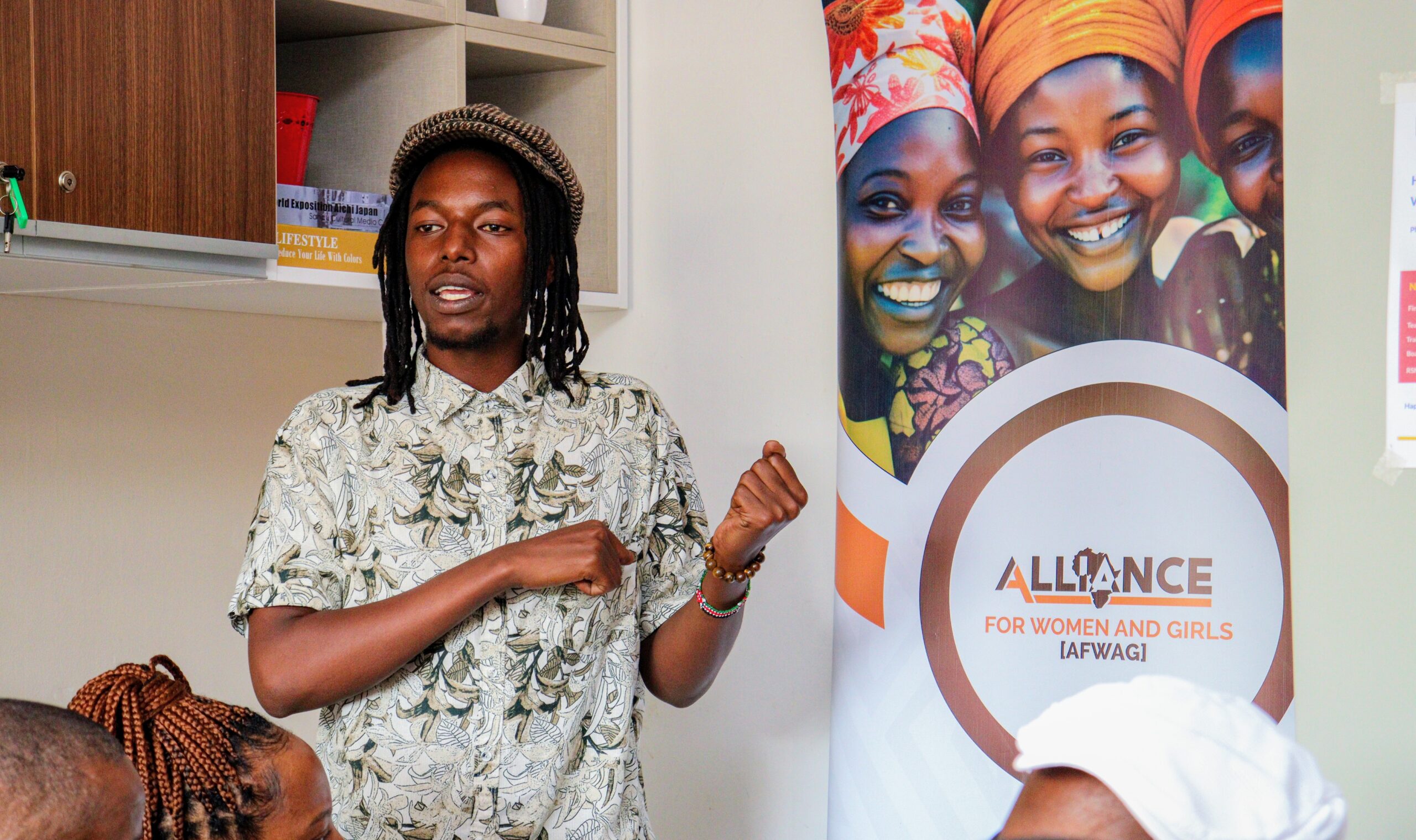
After graduating in 2025, the group expanded its work into the community in Ziwani, Nairobi. Its activities now include mental health awareness and advocacy, psychosocial support and efforts to reduce stigma.
BEMAD has also identified challenges among grassroots groups that lack formal registration and organisational systems.
“We took up the mantle to try to explain the importance of being registered, because it builds confidence in everyone who wants to help in any way and also creates a sense of credibility, because you have that certificate,” Kyule explained.
Bringing Grassroots Organisations Together
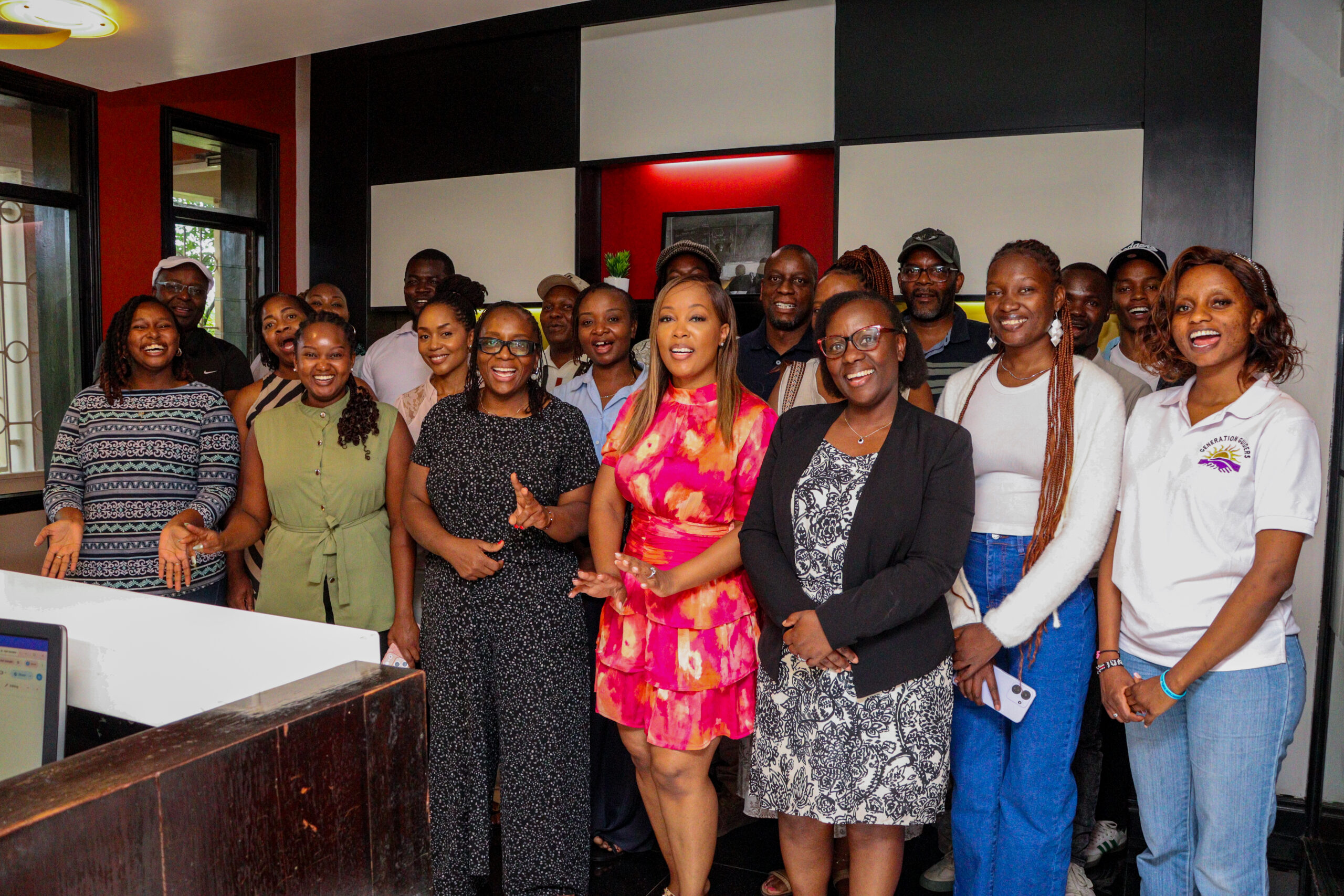
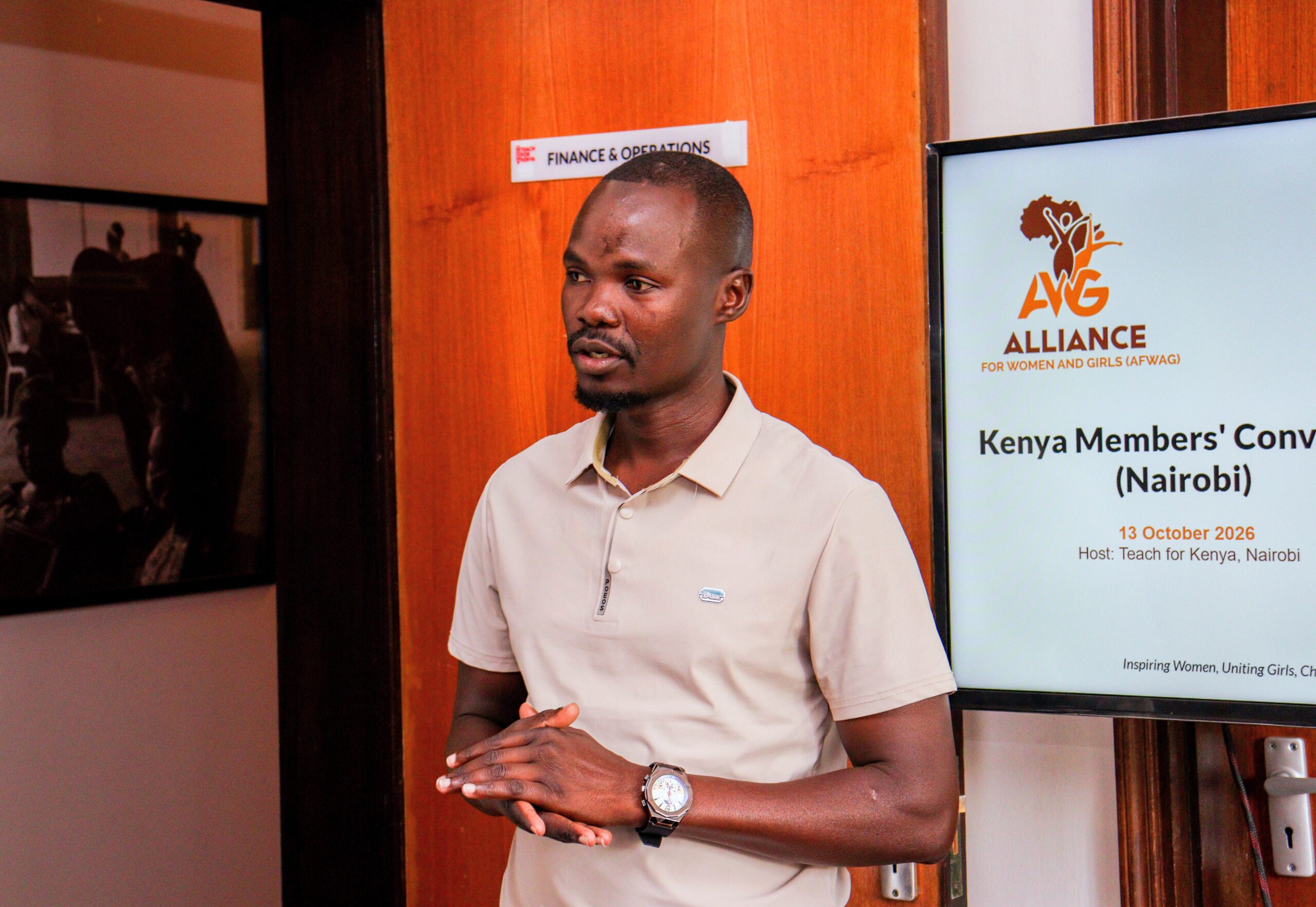
According to Salome Kangethe, Head of Network Growth, Engagement and Programs at the Alliance for Women and Girls (AFWAG) the meeting aimed to help members understand one another’s work, identify areas where they could collaborate and explain the support they need to advance their causes.
“Grassroots leaders often work in isolation with very limited resources,” Kangethe said. “They hold much of the knowledge about their communities. As the network grows, it matters that members know each other, are able to communicate and collaborate together.”
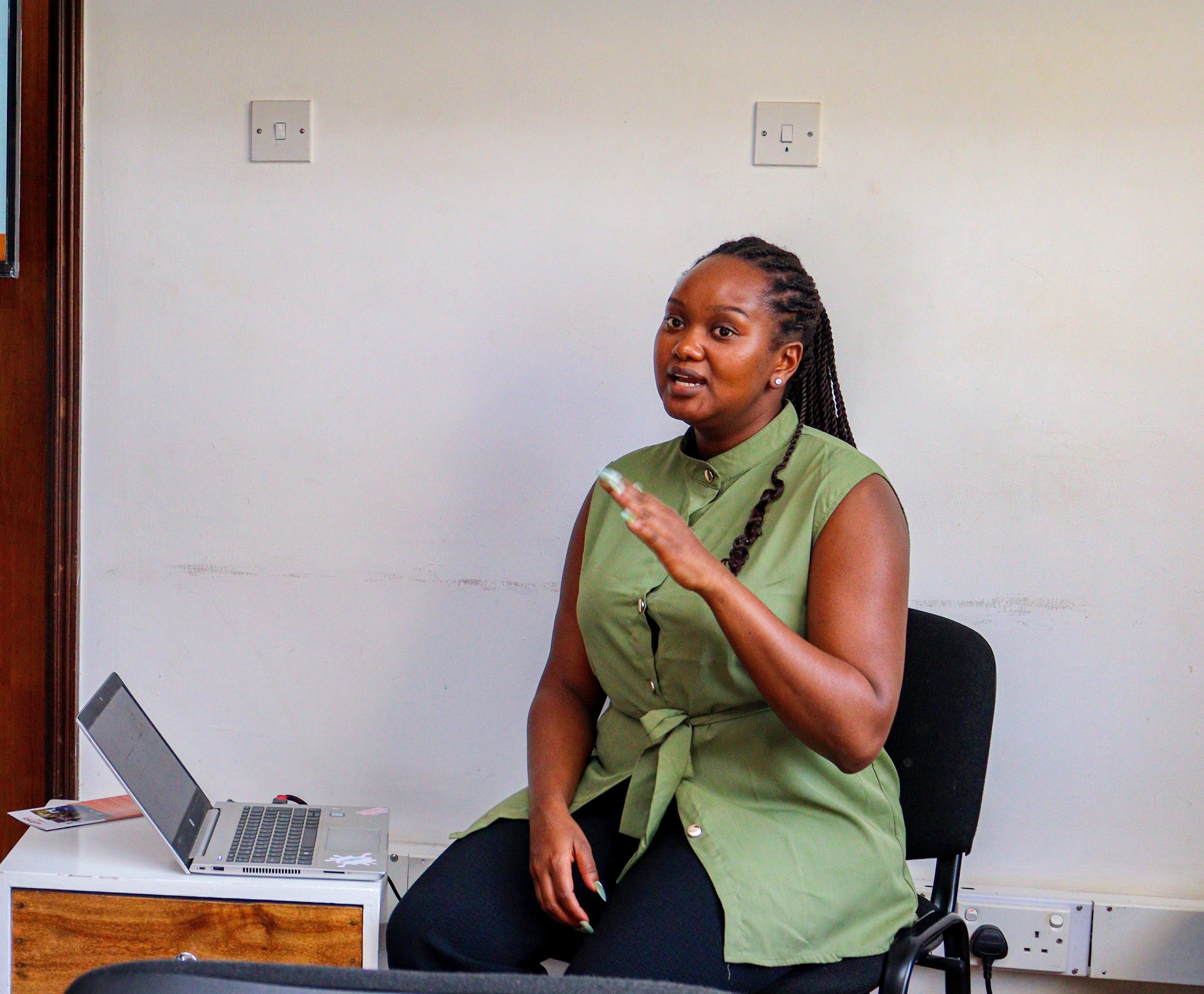
She underscored that organisations in the network work across gender equity, mental health, sexual and reproductive health rights, education, livelihoods and economic empowerment.
Despite their different areas of focus, many face similar challenges, including inadequate funding and staffing, the need for training in areas such as safeguarding, and limited opportunities to learn from other organisations or establish referral pathways.
“AFWAG responds through leadership development, peer-learning activities, webinars and visits to member organisations,” Kangethe explained.
She said the network measures progress through a monitoring and evaluation framework that tracks changes in leadership capacity, organisational systems, access to resources and connections between members. It also looks at whether organisations are collaborating, forming partnerships and applying for funding together.
“What we see is members are more connected, confident and are able to act together depending on the type of projects and the initiatives that they choose to carry out,” she added.
For Shaber Slums Dream Team, Generation Guiders and BEMAD, stronger organisational systems and connections with other groups could help sustain their community work. However, continuing to support children, girls and young people will also depend on their ability to access the funding, staff and partnerships their programmes need.