
|
Getting your Trinity Audio player ready...
|
By Henry Owino
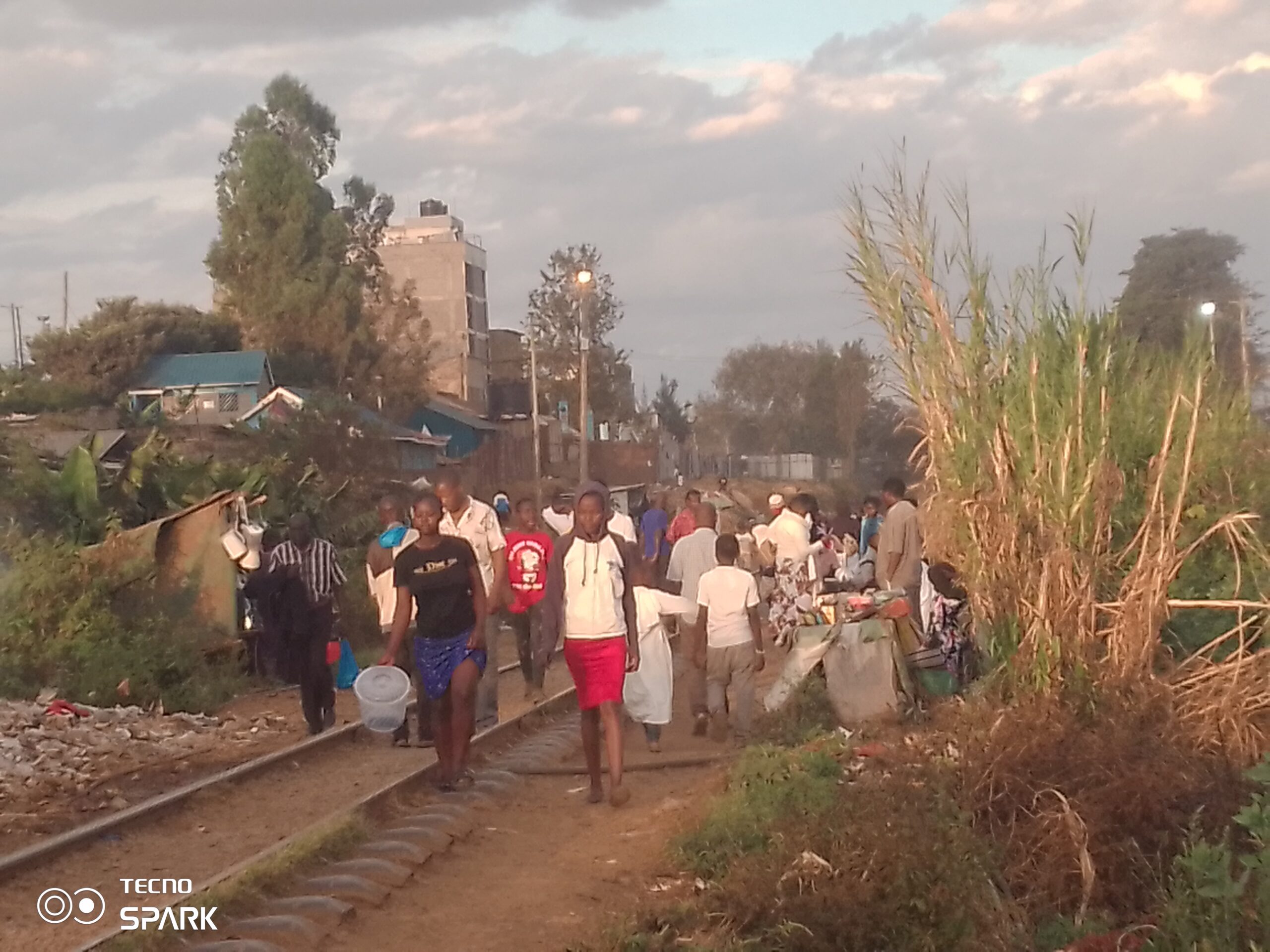
Kibera, Nairobi County: Before dawn breaks over Nairobi’s Kibera sprawling informal settlement, another quiet struggle is already unfolding behind closed doors. For some young women and girls, an unintended pregnancy is their major concern let alone income generating activity for the day.
In fact, unwanted pregnancy can trigger a desperate search for answers. In a place where poverty, stigma, fear, misinformation and limited access to reproductive healthcare collide, worst is expected.
For instance, in Kibera’s Gatwekera village, many women and girls with unwanted pregnancies may delay seeking help, others turn to unregulated or unsafe sources, exposing themselves to potentially serious reproductive health consequences owing to stigmatization and discrimination.
Talk Africa’s Investigative Science Journalist, Henry Owino, found that behind the statistics lies hidden realities behind the crisis. Failing health systems, social pressure and difficult choices demanding closer scrutiny.
Driven by partner pressure, fear of rejection and limited contraceptive knowledge, some young women and girls engage in unprotected sex to please their partners, exposing themselves to unintended pregnancies despite having no intention of conceiving.

Lack of family planning education and myths behind modern contraception, put off many women thereby ending up expectant. Unfortunately, in Kibera informal settlements, an unintended pregnancy can quickly become more than a personal crisis.
It can mean fear of being thrown out of school, rejection by parents, abandonment by a partner, loss of income generating activity or facing the crushing weight of community stigma.
Rising Rates of Unintended Pregnancies
Ian Raggot, a community health promoter (CHP) in Kibera, attributes unintended pregnancies partly to misinformation, myths and limited knowledge of reproductive health and contraception among women.

Myths and misconceptions fuel unintended pregnancies, as some couples engage in unprotected sex based on mutual trust and assumptions about physical appearance rather than health status. Condom use is further discouraged by certain religious beliefs.
For example, some men wrongly believe that women’s use of hormonal contraceptives causes erectile dysfunction and reduces male libido, misconceptions that can discourage contraceptive use.
“Women also fear that contraceptives cause cervical cancer, weight gain, migraines and infertility. Some girls, particularly those engaged in commercial sex, fear that pregnancy could drive them out of the market,” Raggot said.
Raggot blames misinformation, religious beliefs, cultural norms, education levels and social status for contraceptive misconceptions, adding that condom use also depends on availability, accessibility and affordability.
Reasons Behind Termination of Unintended Pregnancies
According to Florence Mwaluda, a senior nurse at Tabitha Maternity Home, CFK Africa, in Kibera, not all pregnancies are planned; some are unintended due to miscalculations in menstrual cycle tracking.

Adding that unintended pregnancies may be as result of contraceptives failure, sexuality educational gaps, and social or economic pressures. Forced sex through treats such as rape or defilement.
“Unintended pregnancies can cause severe emotional distress. Some women who are unable to terminate them may experience lasting psychological trauma, even after giving birth,” Mwaluda explained.
“Rather than forcing women to carry a pregnancy that constantly reminds them of a traumatic experience, they should be allowed to consider termination at an early stage,” she emphasized.
Mwaluda cites other reasons for pregnancy termination, including serious maternal health conditions, the need for emergency treatment, ectopic pregnancy and complications that threaten the mother’s life. She also notes that maternal age and certain illnesses or environmental exposures may increase the risk of miscarriage (spontaneous abortion).
Stella Mwendwa, Head of Nurses at Tabitha Maternity Home, CFK Africa, in Kibera, explains that pregnancy occurs when a sperm fertilizes an egg, but not every sexual encounter results in pregnancy.
Mwendwa explained: “Most pregnancies result from consensual sexual relationships. However, in cases of rape or defilement, survivors should have access to appropriate reproductive healthcare, including legally permitted pregnancy termination, to help prevent further trauma.”
Mwendwa attributes the high number of unintended pregnancies to limited access to reproductive health services and reliable information. She says Tabitha Maternity Clinic provides free family planning services and information to address these gaps.
“We found that adolescents and young people avoid reproductive healthcare services due to stigma and fear of being seen by adults, relatives or parents,” she observed.
“We established a first-of-its-kind youth-friendly centre where young people can access physical, mental, sexual and reproductive health services in a comfortable and confidential environment,” Mwendwa said.
Performing Unsafe Abortion
Sophia Nyaboke (not her real name), a traditional birth attendant (TBA) in Kibera who says she has helped women terminate pregnancies, claims unintended pregnancies and unsafe abortions have long been a concern in the informal settlement.
She says she has been providing such services to young women and girls for nearly 20 years, reflecting the persistent demand she encounters.
Nyaboke says she inherited her abortion-related practice from her late mother, who was also a traditional birth attendant. Now considering retirement, she plans to pass the practice on to her daughter.
Nyaboke identifies September to January as peak months for abortion requests in Nairobi, claiming she receives at least seven clients daily. She says women travel to her residence from informal settlements including Kawangware, Mathare, Korogocho and Dandora.
She describes the practice as a lucrative, untaxed business, attributing its demand to her experience and clients’ trust in her confidentiality rather than low prices. She claims none of her clients has died, although she acknowledges that complications sometimes occur.
“I have helped women and girls terminate unwanted pregnancies since 2005, following my mother’s death. I worked under her, developed an interest in the practice and honed my skills through experience over the years,” Nyaboke said.
“I know the Kenyan government restricts abortion, particularly for traditional birth attendants like me. So, I take precautions when dealing with clients, screening them carefully unless they come through people I know and trust,” Nyaboke said.
Nyaboke charges between KSh 2,000 and KSh 5,000, depending on the pregnancy’s duration and the client’s age. She says she turns away clients whose reasons she considers insufficient or whose cases pose a risk of complications.
Nyaboke says she declines some cases in good faith to reduce the risk of complications, deaths, worsening health conditions and potential legal consequences, particularly when she considers the reasons for termination insufficient.
She also claims to provide post-abortion care to girls who attempt to terminate pregnancies themselves and seek her help when severe pain overwhelms them.
Gaps in Reproductive Healthcare Services
Lilian Ogos, an Amref community health promoter (CHP) in Kibera’s Lindi estate, says limited access to contraception and comprehensive sexuality education leaves many girls vulnerable to unintended pregnancies.
She notes that some young people become sexually active without adequate knowledge of reproductive health, often turning to emergency contraceptive pills after unprotected sex.
“Abortion is permitted under specific legal conditions, yet some girls misuse emergency contraceptive pills in an attempt to end pregnancies. When these pills fail to prevent pregnancy, some later resort to unsafe abortion,” Ogos said.

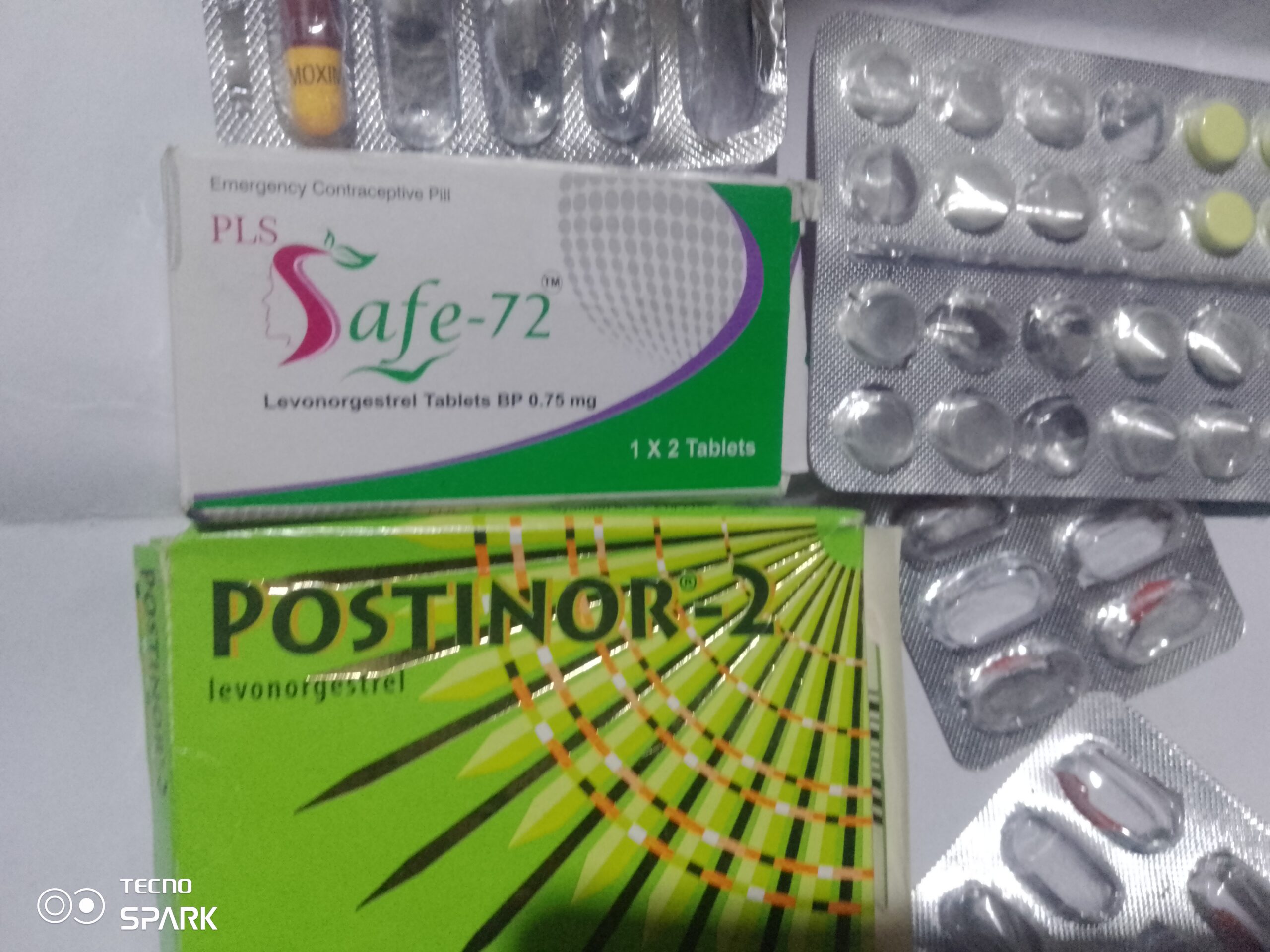
Regardless of whether sex is protected, some women misuse emergency contraceptive pills to prevent unintended pregnancy. Others seek pills such as Postinor-2 too late, unaware that their effectiveness depends on how soon they are taken after sex. These pills are intended for emergency contraception, not routine family planning, and do not terminate an established pregnancy.
“Emergency contraceptive pills such as Postinor-2 work best when taken as soon as possible after unprotected sex, ideally within 72 hours. They are intended for emergency use, not as a substitute for regular family planning methods,” Ogos cautioned.
She adds that social and religious stigma, coupled with misconceptions about Kenya’s abortion laws, drive some women to conceal pregnancies and avoid seeking timely medical care.
Ogos estimates that up to 80 percent of Kibera residents are unaware of the legal provisions governing abortion, although this figure requires independent verification.
Restrictive Legal Framework and Societal Stigma
Beatrice Adhiambo, 23, a resident of Kibera’s Kisumu Ndogo estate, says some young women turn to clandestine abortion providers because they fear exposure and value secrecy, privacy and confidentiality.
“I terminated my first pregnancy in 2021, when I was 18, after my boyfriend refused to take responsibility. I felt I had no other option, so I ended the pregnancy and our relationship,” Adhiambo revealed.
Adhiambo attributes the turn to clandestine abortion providers to the high cost of clinical services, limited access and fear of judgment from healthcare workers. She says these barriers push some residents towards unregulated providers.

She warns that some girls including herself had to resort to dangerous methods, including unregulated pills, herbal concoctions, household chemicals such as bleach, or physical self-harm, all of which can cause severe injury or death.
“Societal myths and misinformation about modern contraceptives discourage many women from using them. As a result, some prefer male condoms, yet their consistent and correct use often depends on male partners, leaving women with limited control over protection,” Adhiambo laments.
However, condoms can fail if they are damaged, used incorrectly or slip off during sexual intercourse. Although no contraceptive method is completely effective, correct and consistent condom use significantly reduces the risk of unintended pregnancy and sexually transmitted infections. Pregnancy can occur when sperm fertilizes an egg.
“Misinformation about contraceptives has discouraged some women from using them. Female condoms are also expensive and difficult to access, forcing many to rely on male condoms. However, male condoms are increasingly scarce and in high demand, compelling some couples to apply lubricants and reuse them, putting themselves at risk of condom failure,” Adhiambo explains.
“Condoms previously distributed free of charge through USAID-supported programmes are no longer readily available at public health facilities and community social amenities. Currently, a pack of quality condoms sells for between KSh 300 and KSh 700, putting them beyond the reach of many residents,” reveals John Musau, a chemist.
However, Musau admits that emergency contraceptive pills are in high demand at his chemist, making them a booming business. He adds that some residents reuse condoms, applying body lotions or cooking oils as lubricants. Such practices can cause condoms to slip off or break during sexual intercourse, increasing the risk of unintended pregnancy and sexually transmitted infections.
Kenya’s Penal Code and the Legal Status of Abortion
According to Allan Maleche, Executive Director of the Kenya Legal and Ethical Issues Network on HIV and AIDS (KELIN) and an Advocate of the High Court of Kenya, abortion is restricted under Kenyan law but is permitted in specific circumstances.
Under Article 26(4) of the Constitution, abortion may be allowed when, in the opinion of a trained health professional, emergency treatment is needed, the life or health of the pregnant woman is in danger, or another written law permits it.
Maleche maintains that abortion is legally permitted in Kenya under specific circumstances outlined in the Constitution, including when a trained health professional determines that emergency treatment is necessary or that the life or health of the pregnant woman is in danger.
However, he cautions against interpreting these provisions as permitting abortion without regard to the legal conditions set out in Article 26(4).
“Article 43(1)(a) guarantees every person the right to the highest attainable standard of health, including reproductive healthcare, while Article 43(2) provides that no person shall be denied emergency medical treatment. These constitutional protections underscore the importance of ensuring access to reproductive healthcare and emergency treatment,” Maleche affirms.
On the other hand, Melinda Mugambi, a programme officer at KELIN and an Advocate of the High Court of Kenya, explains that under the Constitution of Kenya, 2010, abortion is not permitted solely on demand.
Article 26(4) allows termination of pregnancy under specified circumstances, including when a trained health professional determines that emergency treatment is necessary or that the life or health of the pregnant woman is in danger.
“Regrettably, termination of pregnancy is often narrowly interpreted through the lens of emergency treatment, focusing on physical or mental health conditions while overlooking other dimensions of a person’s overall well-being,” Mugambi observes.
Mugambi draws on the World Health Organization’s definition of health as “a state of complete physical, mental and social well-being and not merely the absence of disease or infirmity.” She argues that this broader understanding of health should inform the interpretation of reproductive healthcare needs, including decisions concerning pregnancy termination.
The World Health Organization (WHO) defines health holistically, encompassing physical, mental and social well-being rather than merely the absence of illness. This perspective underscores the importance of considering the broader dimensions of well-being when addressing reproductive healthcare needs.
In Kenya, abortion is constitutionally restricted but permitted under specific circumstances. Article 26(4) of the Constitution of Kenya, 2010, provides that abortion is not permitted unless, in the opinion of a trained health professional, there is need for emergency treatment, the life or health of the pregnant woman is in danger, or another written law permits it.

Meanwhile, Sections 158, 159 and 160 of the Penal Code criminalize specified acts relating to procuring a miscarriage and related conduct, subject to the constitutional framework and applicable legal interpretations.
The Penal Code remains part of Kenya’s legal framework, with Sections 158, 159 and 160 criminalizing specified acts relating to procuring a miscarriage and associated conduct. However, these provisions must be read alongside Article 26(4) of the Constitution, which permits abortion under specified circumstances.
Mugambi points to Articles 2(5) and 2(6) of the Constitution of Kenya, 2010, as important to understanding the relationship between domestic law and international legal obligations. Article 2(5) provides that the general rules of international law form part of Kenyan law, while Article 2(6) states that treaties or conventions ratified by Kenya form part of Kenyan law.
She argues that these constitutional provisions are central to the wider legal debate surrounding access to safe abortion, particularly how international human rights obligations should be interpreted alongside Kenya’s domestic laws.
The Penal Code, which is part of Kenya’s domestic law and not international law, has been used by law enforcement agencies to arrest women and girls, as well as trained healthcare professionals, in connection with abortion-related offences. Kenyan courts have also handled cases involving charges brought under these provisions.
This situation raises critical questions about the interaction between domestic legislation, constitutional protections and applicable international legal principles in the interpretation and enforcement of abortion-related laws.
Parliament has the authority to review and amend existing legislation to clarify the legal framework, address ambiguities and ensure that the law reflects the needs and rights of Kenyans.