|
Getting your Trinity Audio player ready...
|
By Alex Odongo
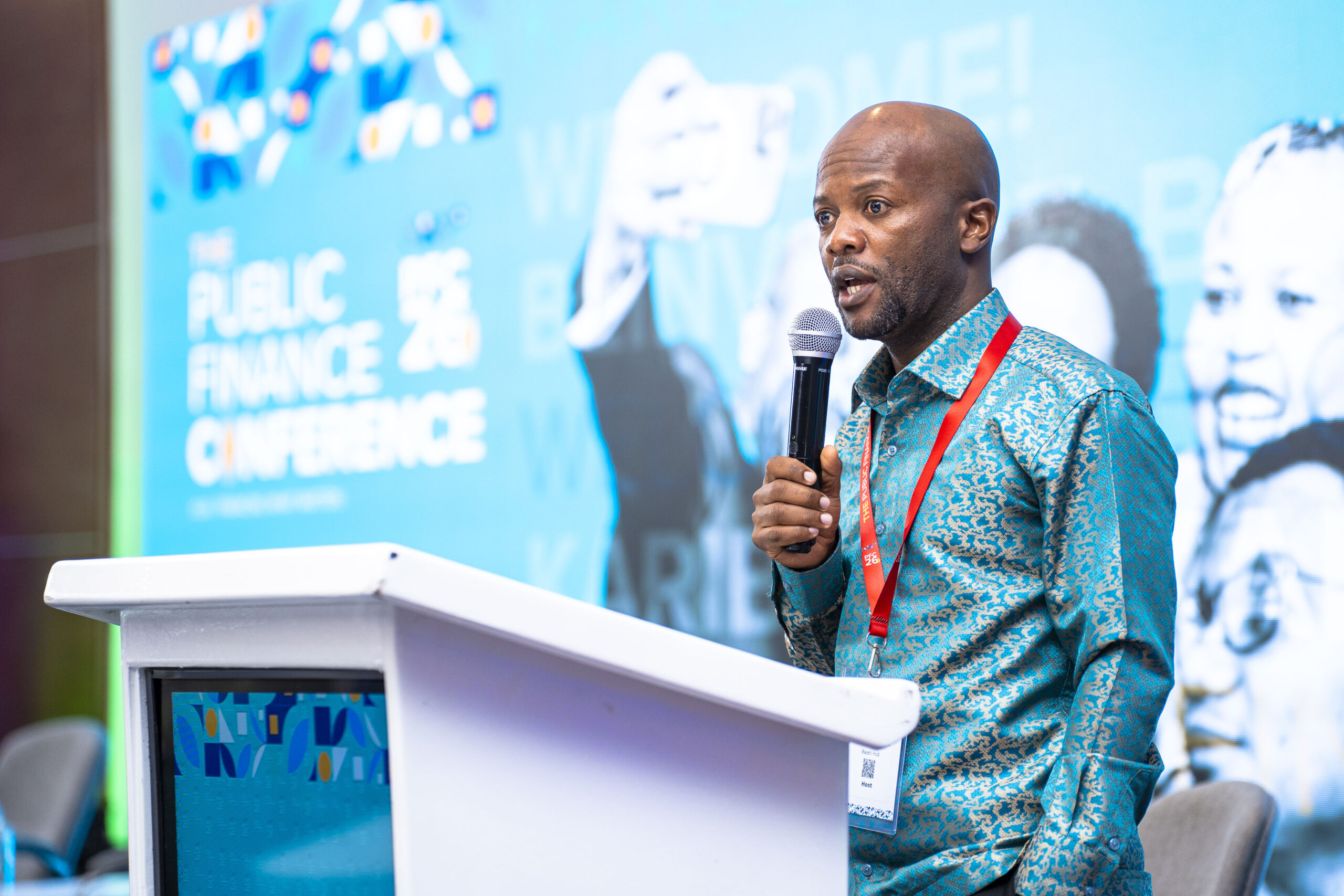
Kenya faces growing pressure to finance essential public services as debt servicing consumes about 28 per cent of the national budget, significantly reducing resources available for development and social programs. This challenge was at the centre of discussions during the Public Finance Conference 2026 in Nairobi, where participants raised concerns about the sustainability of public spending and the effectiveness of existing budgeting processes.
Participants noted that public participation in budget-making remains weak despite legal provisions requiring citizen involvement. While citizens regularly submit proposals during budget and policy consultations, many of these recommendations rarely influence final decisions. According to conference participants, this is largely due to weak follow-up mechanisms, limited access to information, and a lack of feedback from public institutions on how public views are considered.
The conference also highlighted the continued exclusion of persons with disabilities, women, young people, and children from decisions concerning public resources. Participants argued that these groups often face barriers to meaningful engagement in budgeting processes, resulting in unequal representation of their needs and priorities.
Another concern was the sustainability of citizen engagement initiatives at the county level. While counties such as West Pokot have used targeted invitations and ward development funds to strengthen public participation, delegates questioned whether such gains can be maintained when political leadership changes.
Discussions further identified challenges related to shrinking public resources, declining donor support, debt pressures, and uncertainty surrounding county funding. Participants warned that these constraints could undermine service delivery unless financing systems become more efficient and predictable.
To address these challenges, participants called for stronger accountability and transparency in public finance management. They recommended that national and county governments provide clear explanations of which public submissions are adopted or rejected and explain the reasons behind such decisions. Government officials argued that systematic feedback on how public input influences laws and policies would help rebuild public trust in public institutions.

The conference also proposed greater inclusion of marginalized groups in budgeting and planning processes. Delegates pointed to efforts by budget champions in counties such as Kitui, where advocacy has helped secure funding commitments and policy reforms that better address the needs of persons with disabilities.
Participants further recommended more sustained engagement between citizens and government institutions to ensure that public participation goes beyond consultation and contributes to actual decision-making. They emphasized the need for stronger institutions, predictable county funding, and improved oversight of public spending.
Technology was presented as another potential solution. Digital platforms and artificial intelligence could expand opportunities for citizen participation, provided they are affordable, accessible, supported by adequate digital skills, and backed by reliable information. However, participants cautioned that technology alone cannot improve participation unless citizens’ views reach decision-makers and influence policy outcomes.
The conference, organized by Bajeti Hub under the theme Financing What Matters, brought together representatives from government, civil society, the private sector, and development partners to examine how Kenya can sustain public services amid fiscal constraints.
Discussions focused on debt pressures, zero-based budgeting, county financing, and the role of private investment in supporting development. Participants agreed that public finance should ultimately be measured by its impact on people’s lives through improved services, job creation, and reduced inequalities.
In conclusion, delegates agreed that Kenya’s biggest challenge is ensuring limited public resources deliver tangible results for citizens. They maintained that stronger oversight, inclusive budgeting, meaningful public participation, and greater transparency are essential if public finance is to support equitable development and restore public confidence in government decision-making.
Alex Odongo is a Freelance Journalist, Budget champion, and Media Trainer.