|
Getting your Trinity Audio player ready...
|
By Melisa Mong’ina
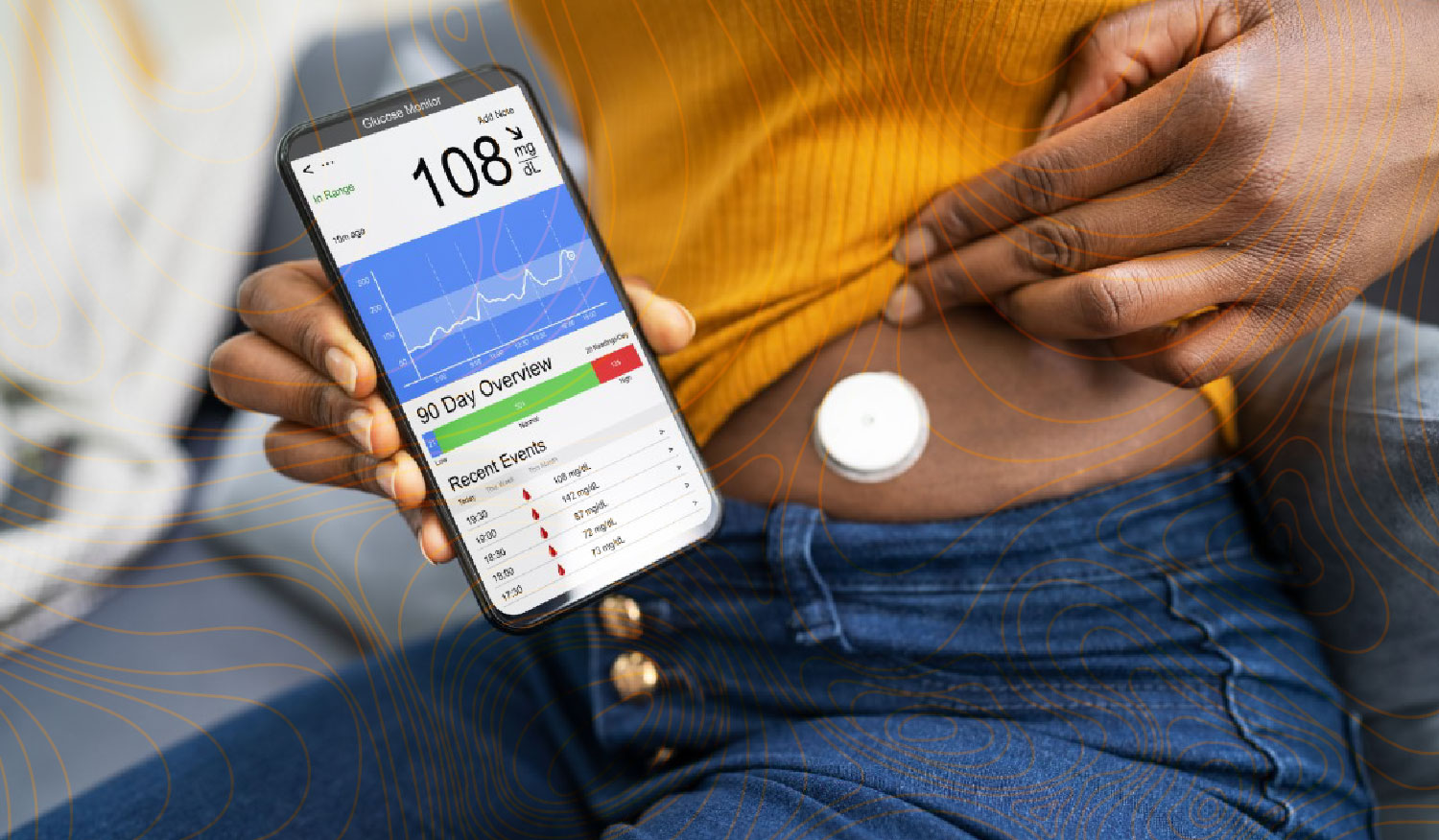
Nairobi, Kenya: For patients living with diabetes, a small sensor attached to the body can generate a continuous stream of information of what is happening inside the body, from glucose levels and trends to changes associated with food, exercise, stress, and hormonal cycles.
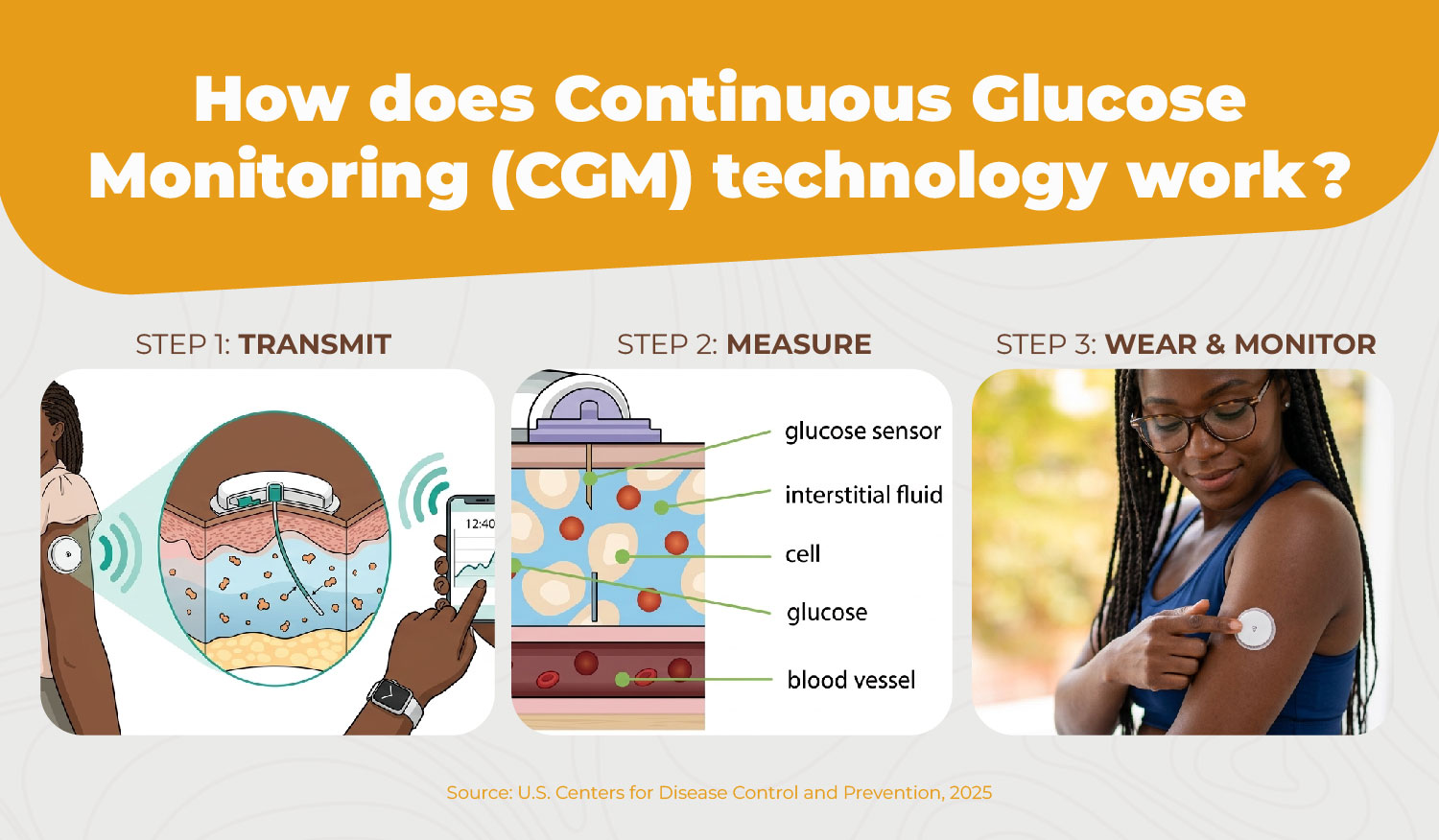
Unlike a glucometer, which provides a snapshot from a drop of blood drawn from pricking a finger, continuous glucose monitoring (CGM) technology uses a small sensor attached to the stomach or arm to measure glucose levels in interstitial fluid – the fluid between cells – and sends readings, trends, and alerts to a reader or app.
In Kenya, some women living with diabetes use CGM technology to make daily decisions about food, insulin, and exercise. But while the devices promise better diabetes management and fewer sore fingers, they also raise questions about affordability, access, and who controls the personal health data they collect.
When 42-year-old Naomi was diagnosed with type I diabetes at the age of 24, she never imagined that managing the condition would become a part of her daily life. For years, she lived in denial, abandoning insulin for a while before eventually accepting her condition.
“I started taking the tablet my dad used to take and stopped using insulin,” she says. “The journey has not been easy and having been diagnosed when I was very young, I felt like it took a part of my youth.”
Before switching to a continuous glucose monitor (CGM), Naomi pricked her fingers for the glucometer test several times a day. While those tests gave her individual readings, they could not provide a continuous picture of how her glucose levels had changed between tests.
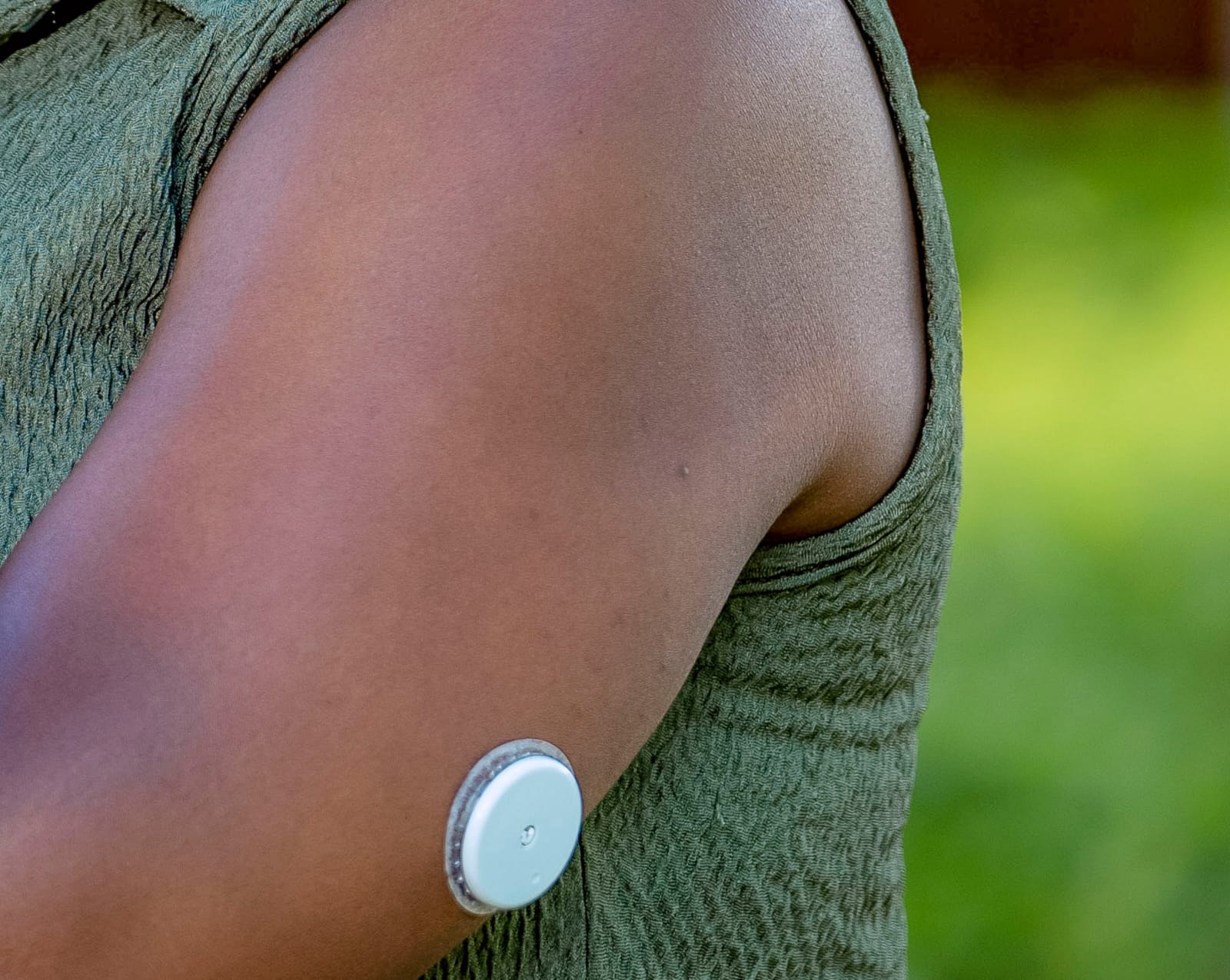
At first, she was hesitant about using the CGM, but after a hypoglycaemic episode while alone at home, she decided to follow her doctor’s advice. Hypoglycaemia, or low blood sugar, can cause symptoms such as shaking, sweating, dizziness and confusion, and, in severe cases, can be life-threatening.
With time Naomi learnt to understand her glucose patterns and the factors affecting them.
“I really struggled adjusting to the technology, but I also got to understand some of the triggers that I didn’t know before,” she recalls.
She can now gauge how well she is managing her blood sugar between clinic visits.
“It gives you an average of your HbA1c, so even before you do the test, you’re already at peace,” she says.
Although CGMs don’t directly measure HbA1c – a lab test measuring average blood glucose over the previous two to three months – they provide an estimate of average glucose levels, known as a Glucose Management Indicator (GMI), helping patients see patterns and make adjustments that contribute to better blood glucose control.
Dr. Rosslyn Ngugi, a consultant endocrinologist and diabetologist, managing patients with type I, type II, and gestational diabetes at the Kenyatta University Teaching, Referral & Research Hospital and the AAR Hospital, in Nairobi, recommends monitoring four to six times a day, for people with type I diabetes. During pregnancy, women with diabetes may need to check before meals and one to two hours after eating.
However, glucose monitoring is a challenge for many patients who use a glucometer, which involves pricking your finger to get a drop of blood to put on a disposable strip placed in the glucometer to measure blood sugar.
Apart from causing pain and finger soreness, Dr. Ngugi points out that cost and availability of test strips hinder frequent monitoring of the condition, leading to poor control and long-term complications affecting the kidneys, nerves, eyes and heart.
“Finger-pricks only give you one snapshot in time. We miss what happens overnight, between meals, or during exercise,” says Dr. Ngugi.
Continuous glucose monitors, on the other hand, provide continuous readings and show whether glucose levels are rising, falling or remaining stable, while alerts can warn users of dangerous highs or lows, allowing patients and clinicians to respond to patterns rather than isolated readings.
Why Continuous Monitoring Matters for Women
For women with diabetes, hormonal fluctuations associated with menstruation, pregnancy and menopause can present additional challenges.
A 2023 study found glucose variations across menstrual cycle phases, with the highest levels during the luteal phase and the lowest levels during the late follicular phase.
 Lindah Kavulani, who was diagnosed with type I diabetes in 2023, says her CGM has helped her understand how hormonal changes during the menstrual cycle affect glucose levels.
“For women, what is really not talked about is how the cycle’s hormones can affect your sugars. So it really helps in terms of management and planning around your day,” she explains.
Kavulani initially believed that carefully monitoring her blood sugar and following her doctor’s instructions would eventually cure her.
“I thought the more I recorded, it meant I would heal,” she recalls. “After some time, it just hit me that this is a chronic condition and I’m going to live with it for the rest of my life.”
For Naomi, the device was particularly useful during a pregnancy doctors classified as high-risk. It helped her monitor glucose levels more closely and make adjustments to her diet and insulin.
Research shows that continuous glucose monitoring can improve glucose control for pregnant women with type I diabetes. The CONCEPTT randomised trial published in the Lancet in 2017 found that pregnant women using CGMs spent more time within their target glucose range and had lower HbA1c levels than those using conventional blood-glucose monitoring.
The study also reported fewer large-for-gestational age births, cases of neonatal hypoglycaemia and admissions to neonatal intensive care among CGM users. Recent reviews also support continuous glucose monitoring during pregnancy.
Dr. Ngugi says biological factors are compounded by social pressures.
“Women often carry the biggest burden at home. They are the primary caregivers, so they may put their own health last,” she explains.
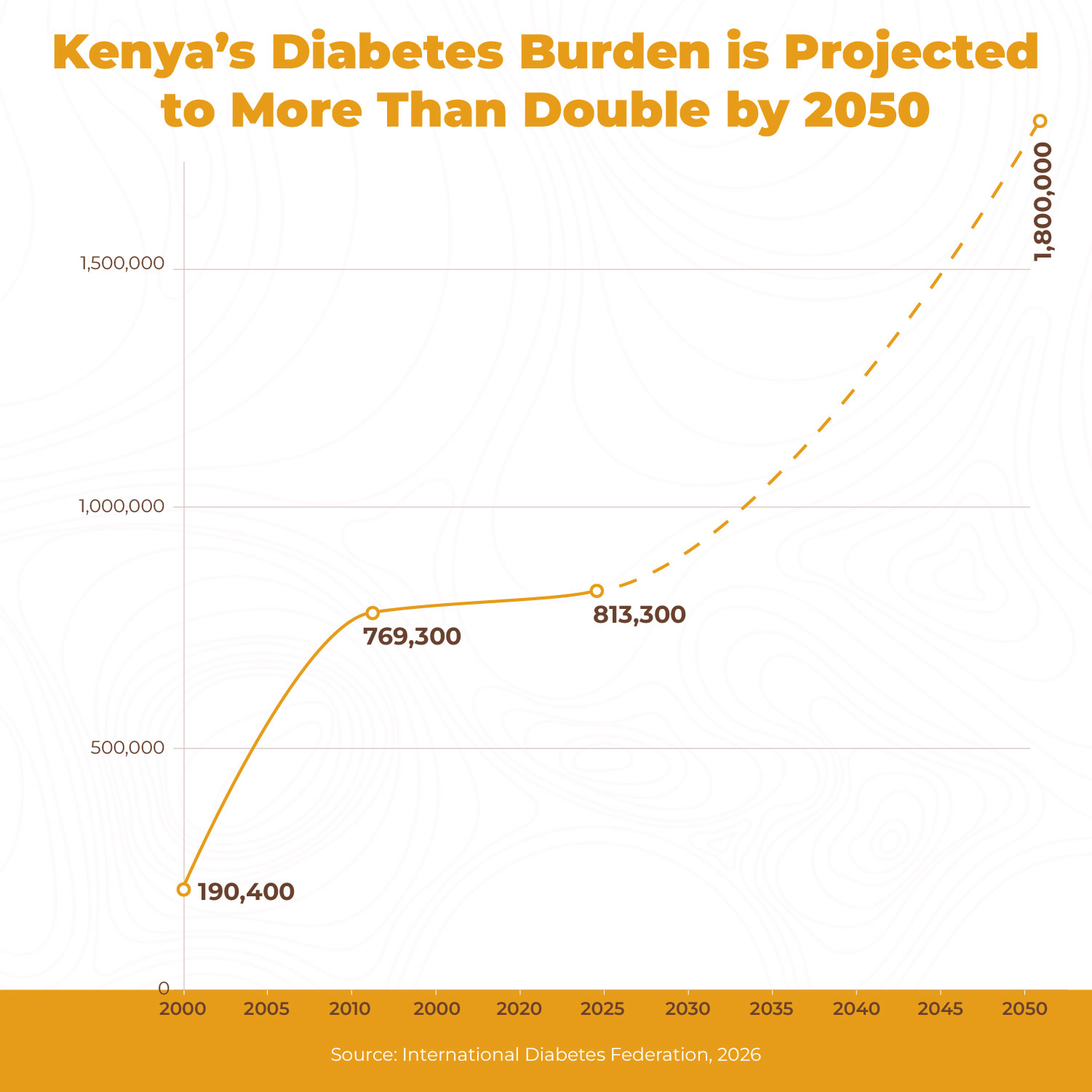
While publicly available data does not provide a breakdown of the number of women living with diabetes in Kenya, the International Diabetes Federation (IDF) estimates that about 813,300 adults aged 20–79 were living with diabetes in 2024 in Kenya.
Globally, the number of people living with diabetes increased from 200 million in 1990 to 830 million in 2022, according to the World Health Organization (WHO). During the same period, the prevalence among adults aged 18 years and older doubled from 7% to 14%.
For some of these patients, CGM technology provides support to improve glycaemic control and quality of life.
“For people on insulin, nighttime hypoglycaemia is a major fear. The CGM alarm can wake the patient or a caregiver,” Dr. Ngugi notes.
Promising Technology Still Out of Reach
Despite its benefits, CGM technology remains unaffordable for many Kenyan patients. A survey by the Foundation for Innovative New Diagnostics (FIND) found low uptake of CGMs among respondents, with just 3% reporting CGM-only use.
In another survey, respondents considered $19 (Sh2,462) per month an acceptable CGM cost, compared with a reported market price of up to $120 (Sh15,553). FIND noted that the respondents were generally wealthier than the general population, suggesting that patients nationally may have less capacity to afford CGMs.
Naomi calls for the technology to be made more affordable, saying its high cost puts it beyond the reach of many women living with diabetes.
 A 2026 review of diabetes technologies published in the Journal of Diabetes & Metabolic Disorders, drawing mostly from research in high-income countries, identified cost, limited insurance coverage, geography, digital literacy and provider-related barriers among factors affecting access to technologies including CGMs, insulin pumps and mobile health apps.
AI in Diabetes Technology
While many Kenyan patients struggle to access CGMs, diabetes technology is advancing internationally. Some newer systems are incorporating artificial intelligence (AI) to analyse glucose data, forecast changes and generate personalised information.
In Diabetes Technology & Therapeutics researchers wrote that AI-supported systems could forecast glucose trends over longer time horizons than CGM trend arrows, potentially supporting more proactive diabetes management. However, they identified concerns about inaccuracies, alarm fatigue, anxiety and the burden of constantly interpreting health data.
Another concern is whether the research supporting AI-assisted diabetes management represents different populations. A review of randomised controlled trials examining the use of AI in the management of type I diabetes found that the evidence base remains small and is concentrated in higher-income settings. Researchers called for larger, longer-term real-world studies, including in low- and middle-income countries, to support equitable implementation.
Who Controls the Data?
Beyond representation, there’s also the question of what happens to the data the CGMs generate. In Kenya, health information is treated as sensitive personal data under the Data Protection Act, requiring safeguards against unauthorised access, disclosure or misuse.
Kavulani says that family members and healthcare providers can only access glucose readings from her CGM if she grants permission.
However, guidance from the Office of the Data Protection Commissioner on the processing of health data identifies privacy risks associated with digital and cloud-based health systems, including reuse of personal data by vendors, profiling and the reduced control of data stored in cloud systems.
Kenya’s data protection framework gives people rights to be informed about how their data is used, to access their personal data, to object to processing and, in specified circumstances, to have data deleted. Transfers outside Kenya are also subject to certain conditions.
But for many diabetes patients in Kenya, data collected by CGMs is not the most immediate challenge. While diabetes technology is advancing, opening new possibilities for better and more personalised care, CGMs remain a distant prospect in a country where patients struggle to afford and access test strips for basic glucose monitoring.
This article was produced as part of the Gender+AI Reporting Fellowship, with support from the Africa Women’s Journalism Project (AWJP) in partnership with DW Akademie. The journalist used AI-assisted research tools to review and summarise relevant policy and research documents, identify patterns, surface data points for independent verification, and extract key statistics. All reporting, analysis, editorial decisions, fact-checking and final wording were done by the reporter, in line with Talk Africa’s editorial standards.