|
Getting your Trinity Audio player ready...
|
By Alex M. Odongo
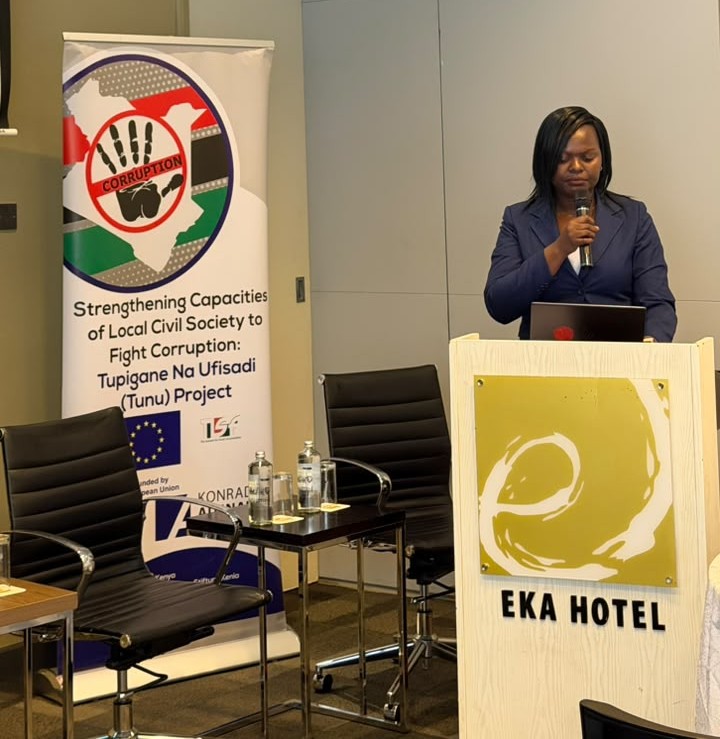
Kenya could strengthen the fight against corruption and misuse of public resources by integrating citizen-driven digital accountability tools into national and county government systems, evidence from the TUNU project shows.
The Uwajibikaji Pamoja platform and Action for Transparency (A4T) mobile application have demonstrated how technology can connect citizens, civil society organizations and accountability institutions in monitoring public services and reporting governance concerns.
Uwajibikaji Pamoja enables citizens and civil society organizations to report corruption, governance and service-delivery concerns through a website and short code, while A4T allows smartphone users to submit reports and monitor selected development projects.
Data presented by Transparency International Kenya shows that the two platforms had received 1,411 reports by September 11, 2026. Of these, 364 were classified as actionable. Fourteen public projects had also been published for tracking, demonstrating the potential of digital technology to involve citizens directly in monitoring how public money is spent.
Uwajibikaji Pamoja received 510 reports, of which 229 were actionable. Ninety-two cases had been resolved, and 137 remained ongoing. The A4T application received 901 reports, although only 135 were classified as actionable, pointing to the need for better guidance to help citizens submit useful and verifiable information.

The TUNU project worked with civil society organizations in 11 counties: Kakamega, Siaya, Kiambu, Makueni, Meru, Isiolo, Wajir, Uasin Gishu, Baringo, Kisumu and Homa Bay. Assessment workshops found that advocacy linked to reports submitted through the platforms had contributed to visible action involving hospital works, school renovation, water projects and budget allocations in Meru, Isiolo and Baringo.
The experience in Kisumu and Homa Bay also demonstrated the importance of linking citizen reporting platforms with institutions capable of taking action. Thirteen out of 21 reports assessed in the two counties were referred to the Ethics and Anti-Corruption Commission, county governments and the Commission on Administrative Justice, commonly known as the Ombudsman.
Such collaboration should now be strengthened and expanded nationally. EACC already accepts corruption reports digitally, including anonymous reports, while the Ombudsman operates an online complaints management system through which citizens can lodge and track complaints. Connecting these existing government mechanisms more closely with platforms such as Uwajibikaji Pamoja and A4T could create a stronger pathway from citizen complaint to investigation, response and resolution.
County governments could establish dedicated accountability desks to receive referrals from the platforms and publish regular updates showing whether complaints have been acknowledged, investigated or resolved. EACC and the Ombudsman could similarly designate officers to handle referrals while protecting whistleblowers and confidential information.
The media also has an important role. Journalists can analyse patterns emerging from citizen reports, investigate stalled projects and follow up cases that remain unresolved. Civil society organizations can support communities to understand the reporting tools and conduct social audits, while government institutions provide official information and take corrective action.
However, technology will only succeed if citizens trust it. The TUNU assessment identified low public awareness, fear of retaliation, weak feedback, poor internet connectivity, system downtime, and accessibility challenges for persons with disabilities as continuing barriers.
Government should therefore invest in secure anonymous reporting, automated case updates, SMS tracking, low-data and offline reporting options, accessible interfaces and WhatsApp or chatbot reporting. Public procurement and development projects should also have searchable digital records showing budgets, contractors, implementation timelines and progress.
Kenya does not lack citizens willing to demand accountability. What is needed is a reliable system that turns their information into action. By integrating tools such as Uwajibikaji Pamoja and A4T into existing accountability structures, national and county governments can make public participation more meaningful and strengthen oversight of taxpayers’ money.
Alex M. Odongo is a Freelance journalist, Budget champion and Media trainer
alexmusikoyo@gmail.com