|
Getting your Trinity Audio player ready...
|
By SHABAN MAKOKHA
Mumias, Kenya: In response to the growing crisis, the local community is shifting its approach, moving the battle against substance abuse directly into villages, schools, and street corridors.
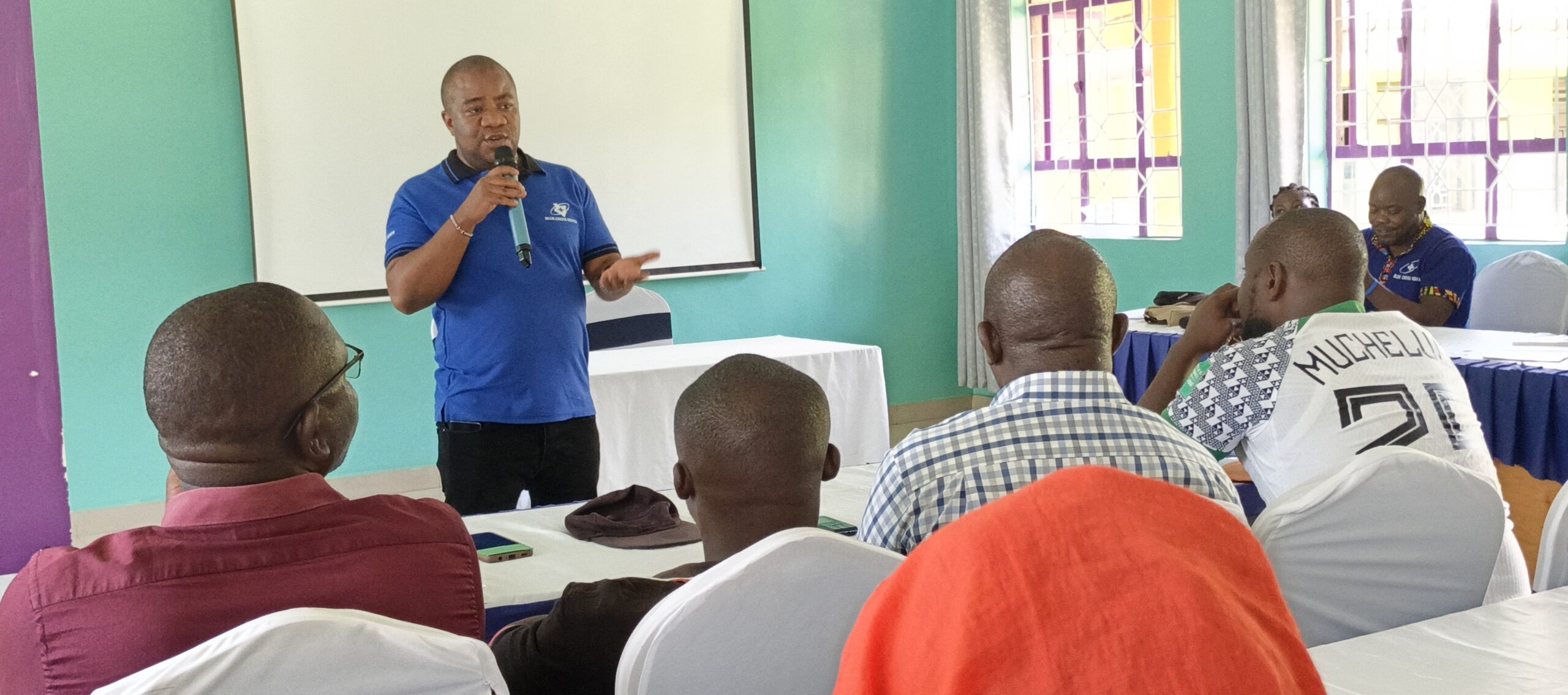
As Mumias West gears up for a major peace march on September 19, various local groups including faith leaders, youth, women, agricultural workers, business owners, civil society groups, and National Government Administration Officers have received training on Kenya’s updated alcohol policy.
Led by the BlueCross Society, this initiative aims to highlight the social toll of substance dependency while equipping citizens with legal knowledge, advocating for accountability, and encouraging active community involvement to safeguard youth.
The Project Manager Brian Maguero noted that BlueCross is carrying out this advocacy initiative across multiple regions, including Kakamega, Kiambu, Homa Bay, Kisumu, and Nairobi.
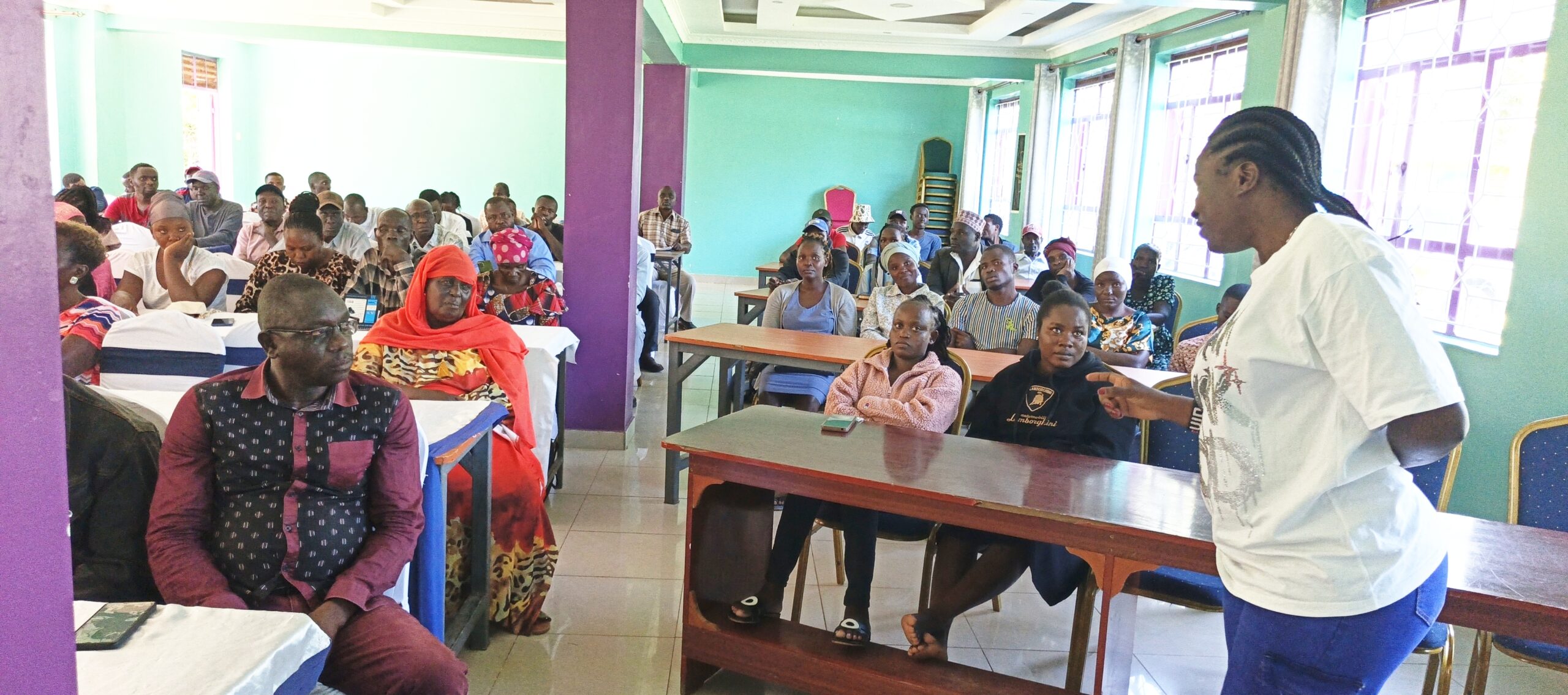 Prominent figures taking part in the awareness campaign included peace advocate and Amani Club national chairman Kennedy Kunani, Siesp Director Brenda Kusa, Women Pillar Alliance (WOPA) Director Violet Ombaka, and Keynet Director Elphas Were.
“We are also moving through schools sensitising learners using life skills to make learning institutions safe havens for children so that we can have a productive generation,” Maguero explained.
Commencing at Bomani Ground, the peace walk scheduled for September 19th will route through Mumias town to Ekero before finishing at the Mumias Cultural Centre, bringing community members and leaders together to address the escalating challenge of substance abuse.
Among those taking part in the sensitisation exercise were Amani Club national chairman and peace advocate Kennedy Kunani, Keynet Director Elphas Were, Women Pillar Alliance (WOPA) Director Violet Ombaka and Siesp Director Brenda Kusa.
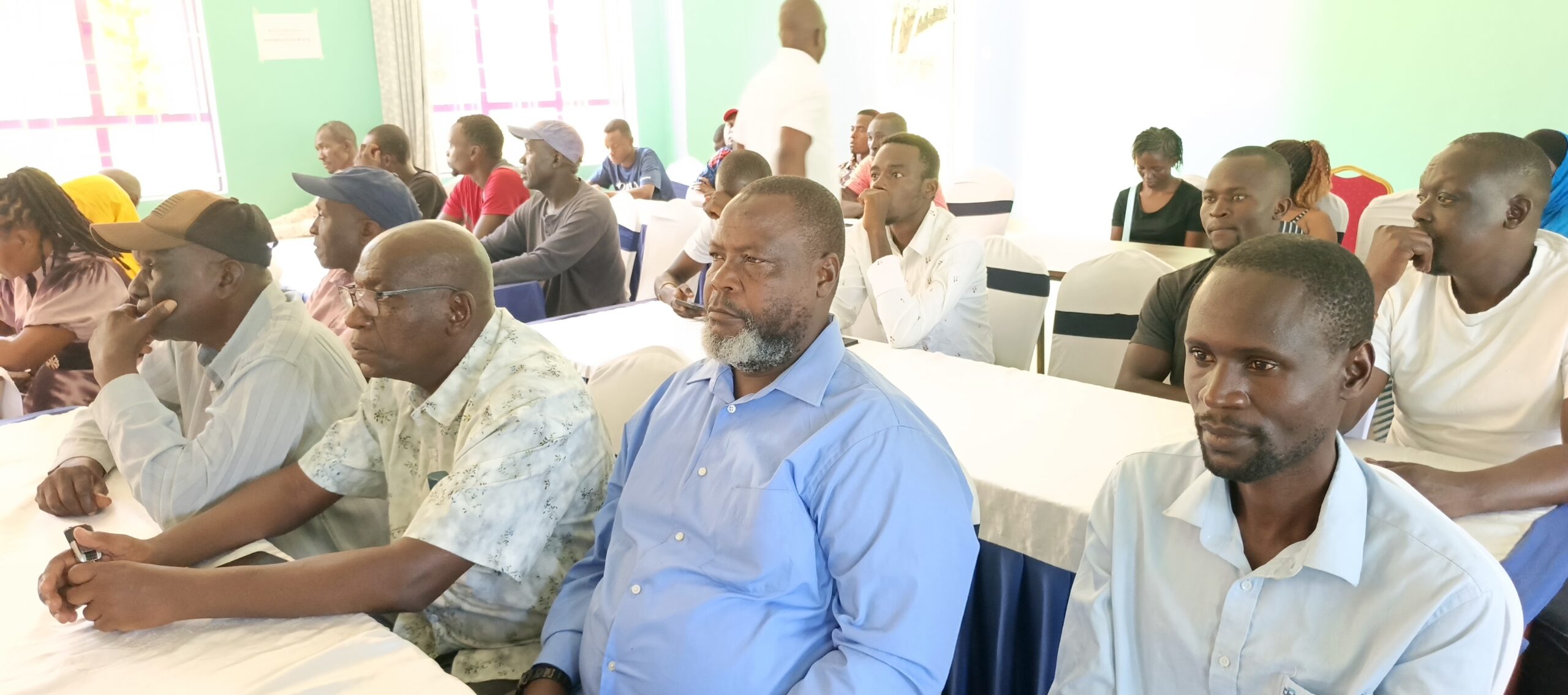 BlueCross Project Manager Brian Maguero said the organisation was implementing the awareness programme in Nairobi, Kisumu, Homa Bay, Kiambu and Kakamega.
“We are also moving through schools sensitising learners using life skills to make learning institutions safe havens for children so that we can have a productive generation,” said Maguero.
He said the campaign was also intended to help communities understand their rights and responsibilities under the new regulatory framework.
“All insurance companies will have to accept rehabilitation of alcohol and drug addicts once the new policy takes effect,” he said.
Maguero added that BlueCross was also monitoring counterfeit goods to protect consumers from unsafe products.
One of the most contentious issues raised during the meeting was the Solotium Fund, through which communities affected by alcohol-related problems are expected to benefit from revenue collected from liquor businesses.
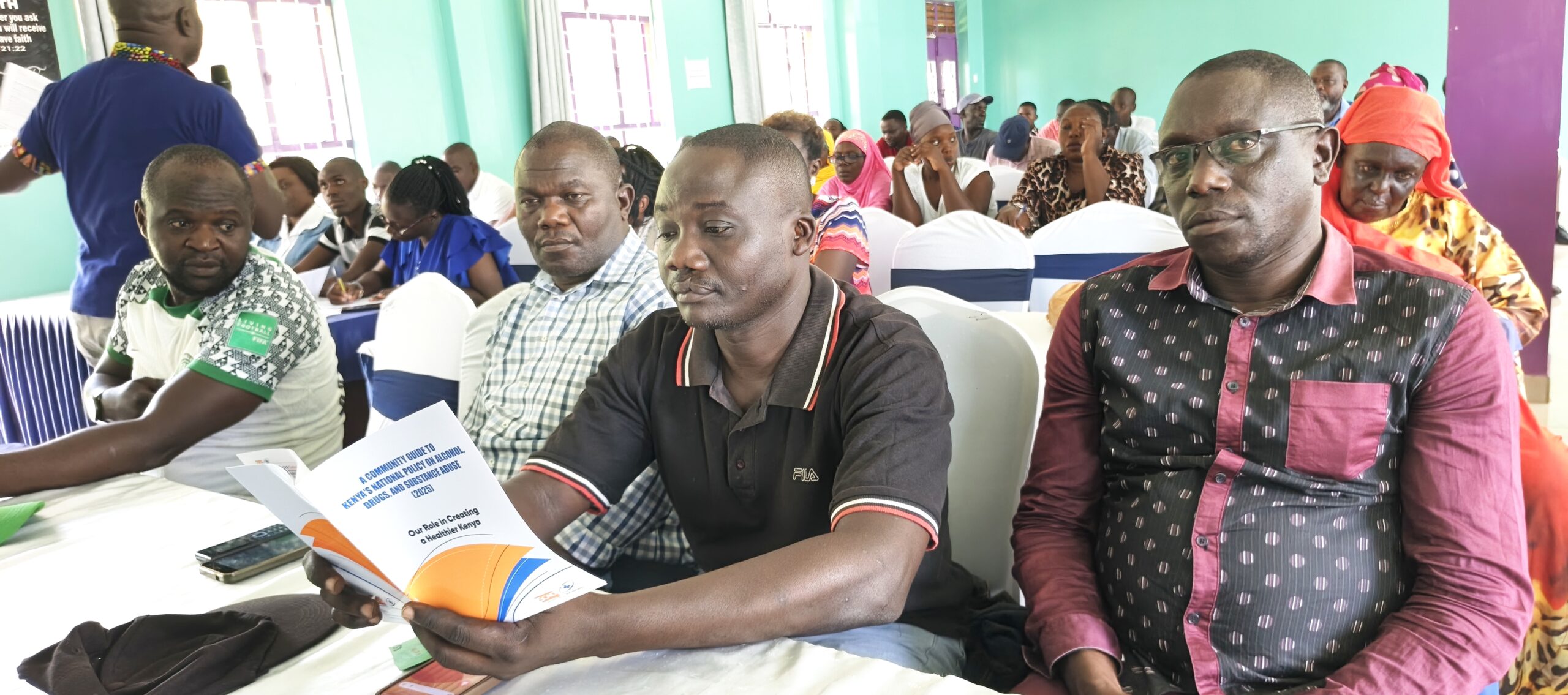 Community leaders said 15% of revenue collected by counties from liquor-related activities is supposed to be remitted to communities for capacity building and related interventions.
They warned against diverting the money to unrelated county projects.
Their argument was straightforward: if communities bear the cost of alcohol abuse through broken families, school dropouts, crime and violence, they should also benefit from resources intended to tackle those consequences.
But beyond money, participants raised questions about whether existing regulations are being enforced consistently.
They questioned implementation of provisions such as the 300-metre rule governing the location of alcohol outlets near learning institutions and other protected facilities.
There were also allegations that some police officers demand protection fees from illegal alcohol brewers, allowing illicit businesses to continue operating despite government crackdowns.
Mr. Were said the concerns could not be ignored, warning that alcohol and drugs could worsen social tensions and fuel violence.
He said a similar sensitisation exercise was conducted in Butere Sub-County last year.
“We are determined to ensure that our society is safe from the effects of alcohol and drug abuse,” said Were.
He warned that substance abuse can become particularly dangerous during periods of political and community tension.
“During skirmishes, liquor and drug consumption goes up as youth tend to polarise their brains to engage in dirty dealings,” he said.
For women and youth leaders, the crisis is increasingly visible.
Ms. Ombaka and Ms. Kusa raised concern over the growing number of young people struggling with alcohol and drug abuse, saying substance use was depriving communities of a generation that should be building families, businesses and the country’s future.
Imam and peace ambassador Abubakar Hamis said previous generations had benefited from stronger guidance and called for renewed efforts to mentor young people.
“We shall not have a society in future if the current prime generation is left unchecked,” said Sheikh Hamisi. “We must stand up and streamline the youth from alcohol and drug abuse.”
The consequences, community leaders said, extend far beyond the individual drinker or drug user.
A parent battling addiction can drain a family’s income. Children may be forced out of school. Young people lose opportunities. Crime and violence can rise, leaving families and communities to deal with the consequences.
Township Location Chief Stephen Eroba said the National Government Administration was tackling alcohol and drug abuse through the 100 Days Rapid Response Initiative, including a crackdown on illicit brews.
“As NGAO, we are fighting the spread of alcohol and drug abuse on a daily basis,” said Mr. Eroba. “Currently we are observing the 100 Days RRI to ensure an alcohol-free society.”
But residents say periodic raids will not be enough.
They want sustained action against illegal brewers, protection for whistle-blowers, transparent management of alcohol-related revenue and investigations into allegations of corruption that may allow illicit businesses to survive.
The campaigners now hope the September 19 peace walk will turn those demands into a wider community movement.
For Mumias West, the walk will therefore be about more than marching through the streets.
It will be a public declaration that fighting alcohol and drug abuse is also a fight to protect families, keep children in school, safeguard livelihoods, reduce crime and secure the future of a generation.