|
Getting your Trinity Audio player ready...
|
By Lenah Bosibori
Nairobi, Kenya: Motorcycle taxis weave through the narrow streets of Mathare on a warm Saturday morning, while roadside traders arrange their goods.
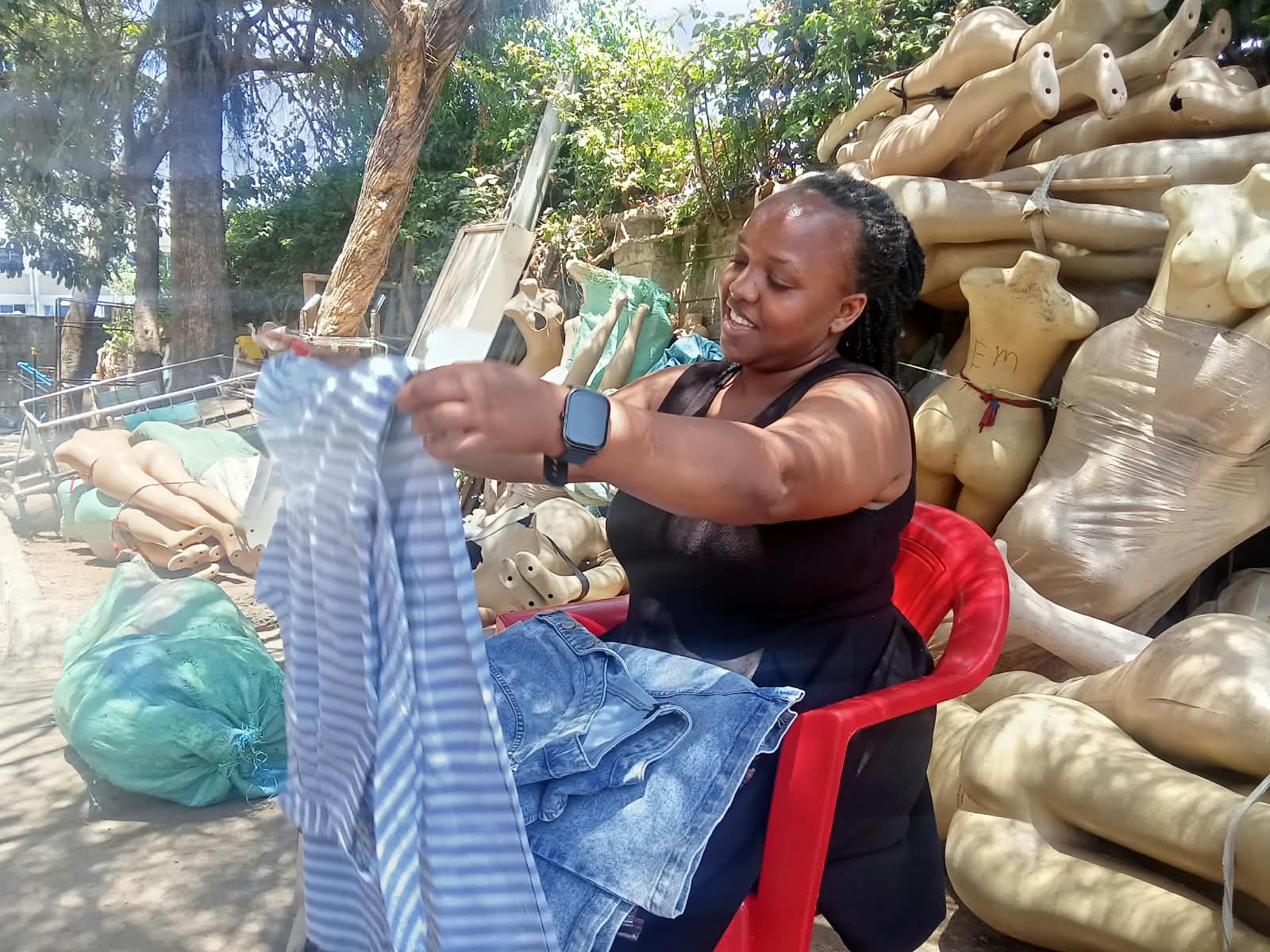
Inside Amani Housing, Jane Kanyiva sets up plastic chairs and benches to prepare for a weekly gathering of young mothers. Mathare, an informal settlement in Nairobi County, serves as the backdrop for these meetings.
They come here to talk about parenting, relationships, money, and the experience of becoming mothers while still young. Some are trying to grow small businesses. Others hope to learn new skills or resume an education interrupted by pregnancy.
Kanyiva, who founded the Young Her Initiative, understands those struggles.
She became pregnant at 15 while still in high school, with little information, she says, about contraception, safe sex or preventing an unintended pregnancy.
“When you are 15, you want to taste and explore everything,” Kanyiva says. “I got pregnant by someone who was also a child and not ready to become a father. I had to drop out of school, and my mind shifted from being a student to becoming a parent.”
Her experience reflects a broader challenge in Kenya, where adolescent pregnancy is closely linked to poverty and unequal access to sexual and reproductive health information and services.
According to the Kenya Demographic and Health Survey(KDHS) 2022, 15% of girls aged 15 to 19 have ever been pregnant. That rises to 21% among girls from the poorest households, compared with 8% among those from the wealthiest.
A 2024 qualitative study published in PLOS Global Public Health, based on research in Nairobi’s Korogocho informal settlement, also found that poverty and limited access to contraceptive information and services increased girls’ vulnerability to early and unintended pregnancy.
But pregnancy was only the beginning of Kanyiva’s difficulties.
She says neighbours whispered about her and pointed fingers. After she became pregnant a second time, the judgment intensified.
“I faced a lot of discrimination, more so when I got pregnant the second time,” she says.
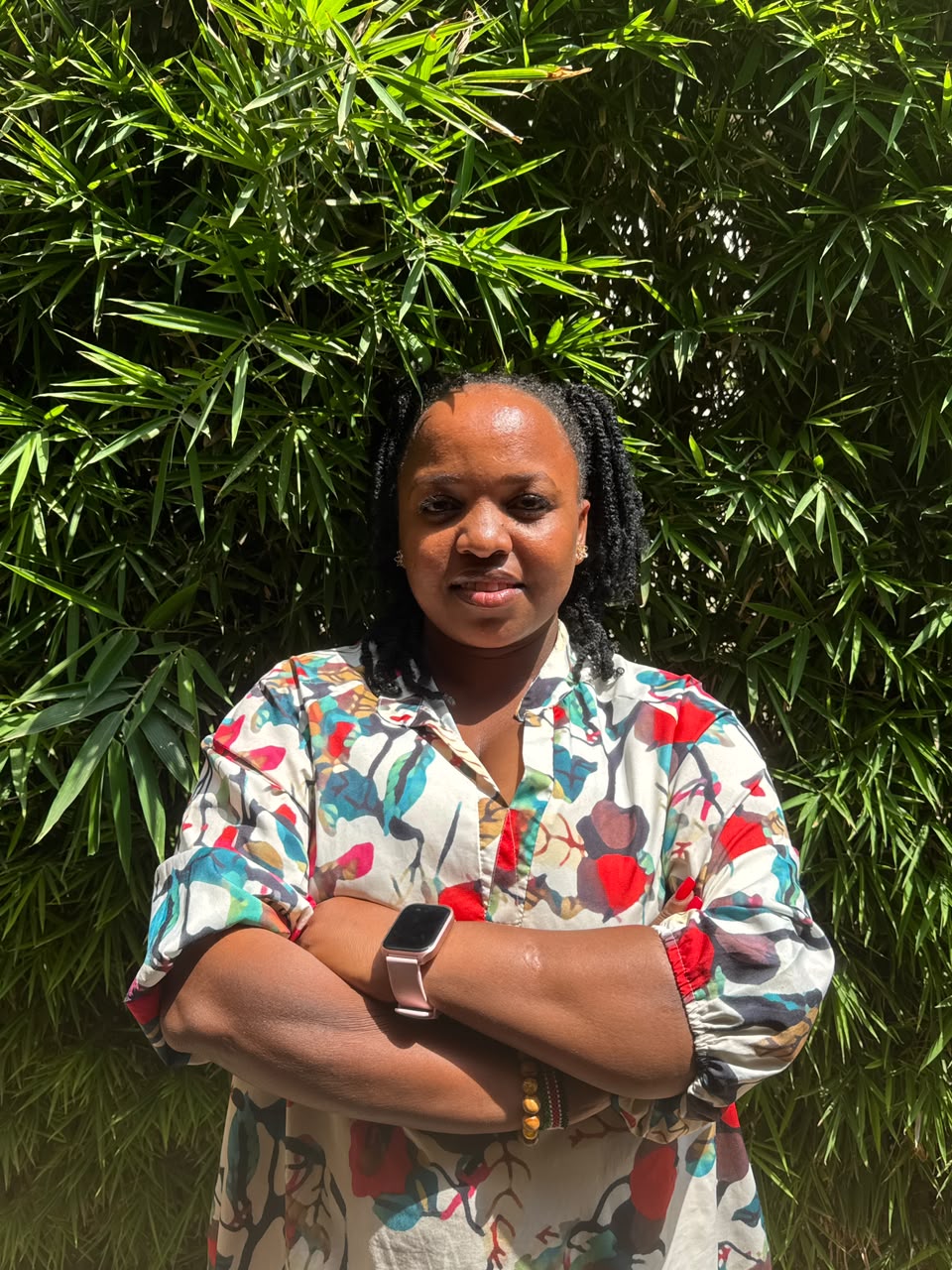 “Back then, the stigma was far worse than it is today, where information is readily available on social media and online platforms. At that time, nobody wanted to hear my side of the story, and no one guided me on what steps to take to prevent it from happening again.”
She encountered similar attitudes when seeking healthcare
“I remember going to the clinic and a nurse asked me, ‘Is this baby really yours? How old were you when you gave birth?’” Kanyiva says. “It really discouraged me and interfered with my self-esteem. I started blaming myself and regretting many things. I felt that I was someone who was not supposed to speak in front of people.”
At home, motherhood brought responsibilities she had not been prepared to carry.
She needed food, clothes and school fees for her children while still dependent on adults herself.
“One day, a neighbour kept calling me ‘Mama Junior,’ she says. “I was asking myself, ‘Who is this mother calling?’ Then she told me she had been calling me. I had been so affected that I would sometimes forget that I was already a mother to someone.”
School meetings could also reinforce her sense of isolation. When teachers asked for a child’s father after a problem at school, Kanyiva says she often stayed quiet.
Her own education eventually stopped
After her mother died, Kanyiva was left caring for her two children. Her father could not afford both her school fees and the cost of paying someone to look after them.
“I am still hopeful that I will go back to school,” she says. “I have done courses with different organizations and online. I have done project management and also worked with organizations as a community champion to empower my community.”
That experience eventually led her to launch the Young Her Initiative.
Registered three years ago and actively running this year, the group brings together 20 young mothers in Mathare for peer support, practical training and efforts to build livelihoods.
“That is why I came up with this idea,” Kanyiva says. “I know many young women are going through what I went through. I asked myself; how can I help them build their self-esteem and become empowered? I mobilized them in Mathare so that we could grow together.”
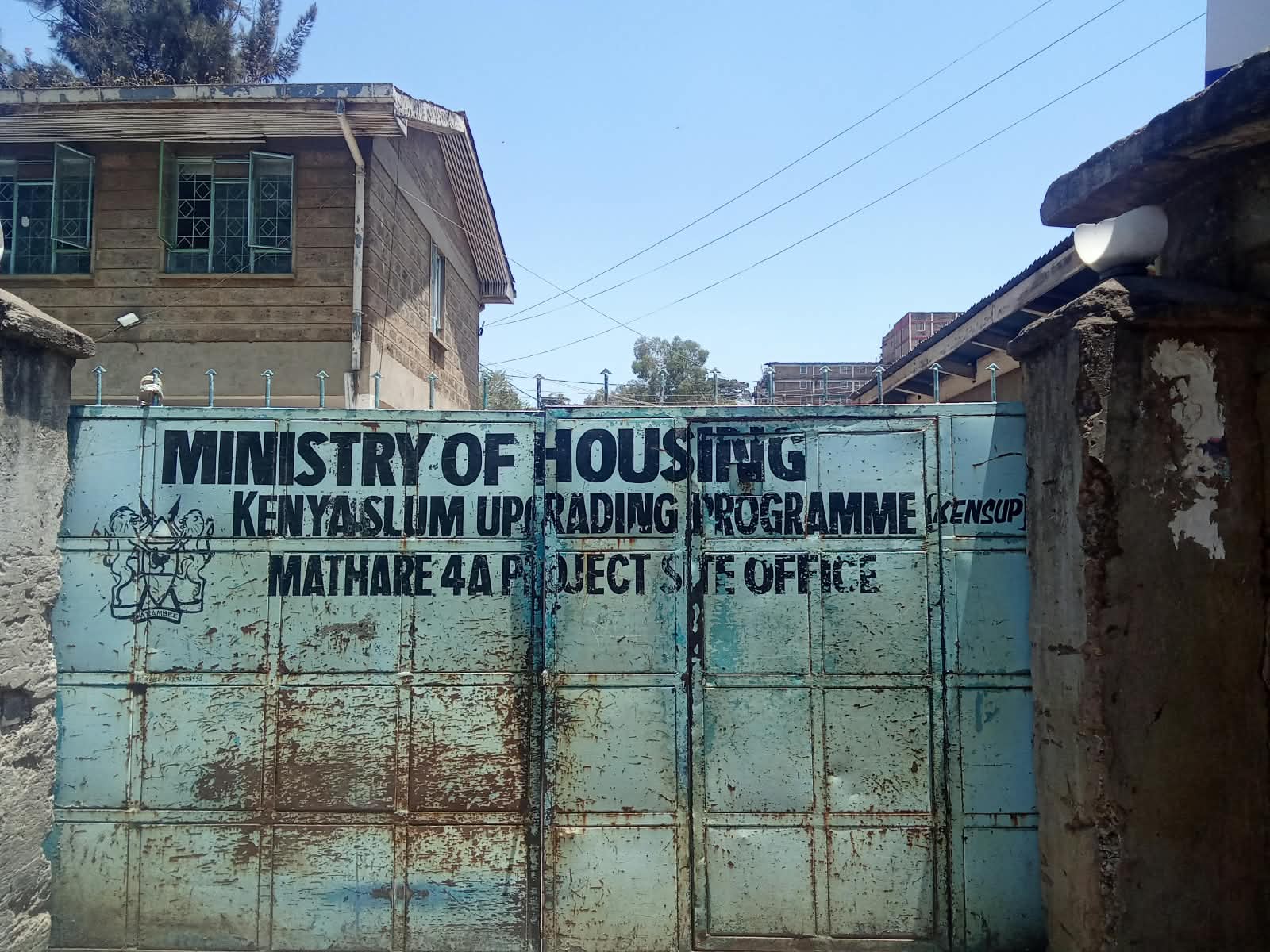
“We believe healing is a process,” she says. “Some of the girls were defiled and did not give consent. Some do not have anybody to talk to. When we share our challenges and find someone else going through the same thing, we realize we are not alone. That unity builds our self-esteem.”
Members also discuss self-care, safer sex and preventing further unintended pregnancies.
“First, we teach them how to accept themselves,” Kanyiva says. “Accept who you are and what has happened. Then ask yourself, can you pick yourself up and begin doing something that can help you and the child you are caring for?”
“Sometimes a mother puts all her mind on the baby and forgets herself entirely. We encourage them to take care of themselves, because when you are well, you can care for your child better.”
For many members, however, the most immediate problem is earning enough money to support themselves and their children.
Pamella Odoyo, 31, became a mother at 19, shortly after completing Form Four.
“When you become a parent at a young age, you stop being a child and start parenting,” she says. “That is when the brain starts working harder. I was still green. I did not know where to get money for school fees, how to parent, and how I could get food.”
Odoyo says joining the group has helped her save money and become more financially independent.
“Since I joined the group, I am not the same person,” she says. “I have grown financially, I have learnt to save, and I have been able to do something for myself. We encourage each other.”
Diana Amuga became a mother at 20 in 2021
She remembers hearing misconceptions about contraception when she was younger. “At that age, your mind is still young,” she says. “We heard many myths about family planning, and we became afraid.”
After her relationship with the baby’s father ended and he offered no support, Amuga left Nairobi for her father’s village in Homa Bay. Her baby was one month old.
“I even lacked diapers,” she says. “My father really helped me because he could buy diapers. I used to wash clothes for people, earning KSh200 just to buy potatoes and vegetables for the baby.”
More than a year later she returned to Nairobi, but financial pressure and isolation continued.
“Depression was very high because the baby’s father was not supportive,” she says. “When I joined Young Her, I started growing financially. I now get something small to help with my child’s school needs, and I plan to learn a skill so that I can build a better future.”
Lilian Akinyi was preparing for her Kenya Certificate of Secondary Education examinations when she discovered she was pregnant at 19 in 2019.
Her father supported her, but seven members of the family shared a single 10-foot-by-10-foot room.
“My father supported me a lot, but the house was too small,” Akinyi says. “After I gave birth, I could not stay in my parents’ house for one month because of traditional customs. I had to stay with a neighbour, buy my own cooking items and face a lot of discrimination.”
After returning home, she began looking for work.
Akinyi found a job at Muthurwa Market, leaving her baby at a local day care and working from 4 a.m. until 5 p.m.
She lasted one week
The physical work was demanding and, she says, the long hours without expressing breast milk caused painful health complications.
She began washing clothes for neighbours instead.
“Before Young Her, life was very hard,” Akinyi says. “Now we meet, talk and share. Sometimes you realize that your challenges are not as heavy as you thought because another person is also going through something.”
She has since started a small shoe business and moved into her own rented house with her seven-year-old son.
For women like Akinyi, finding even a small amount of capital can determine whether such businesses survive.
Young Her operates a table-banking scheme in which members contribute as little as 50 Kenyan shillings to help support one another’s businesses.
But the available pool remains small
“Most of them do not have capital,” Kanyiva says. “If someone can get KSh10,000 with a flexible repayment plan, they can boost their businesses further. We are also planning skills training, including hairdressing and braiding.”
Kanyiva is also teaching members skills she gained through She Connects, a programme organized by the Kenya ICT Action Network, or KICTANet.
Training in digital entrepreneurship, bookkeeping, financial management and online marketing has helped her show women how to reach customers beyond Mathare.
“KICTANet has empowered us so much,” she says. “We learnt how to separate personal money from business money. We are also teaching women how to market their products online, even if they are selling omena, clothes or hair styling services.”
Grace Githaiga, chief executive of KICTANet, says poor financial management can hold back women running small businesses.
“Many women’s micro-enterprises do not grow at the same pace as men’s because business income and daily household expenditures are mixed up in one basket,” Githaiga said at a She Connects forum in Nairobi.
“Our training teaches them basic skills on separating business finances from personal funds so they can plan with their profits.”
Digital trading can also help address another constraint, space.
Jane Gichure, Nairobi County’s Director of Gender and Inclusivity, says many women operating small businesses in informal settlements cannot afford conventional premises.
“Physical business spaces in areas like Mathare are scarce, and most women cannot afford the high rental costs of running a physical shop,” she says. “Expanding into digital spaces gives them the room and flexibility they need to trade and grow.”
Kanyiva now helps members market products and services through Facebook, TikTok and Instagram. “Everything is becoming digital,” she says. “We want to see an empowered Mathare, where women use digital spaces to grow their businesses and provide for their children.”
However, education experts point out that many young mothers face steep barriers when trying to return to regular classrooms, leaving adult education to bridge the gap.
Salome Terah, Nairobi County Director of Adult and Continuing Education at the Directorate of Adult Learning and Education (DALE), explains that young mothers occupy a critical space under their mandate.
“In the context of adult education, teen mothers are not just school children; they are also adult learners under our mandate,” Terah says.
She notes that although policies like the National Guidelines for School Re-Entry exist, returning to mainstream schools remains difficult because mothers are separated from their breastfeeding children and face persistent stigma from peers. As a result, many turn to adult education centres, community learning centres and vocational institutions to complete their education.
Terah adds that while the legal framework guarantees education, health rights and equal parental responsibility under the Children Act 2022, practical support is lacking.
“Neither re-entry guidelines nor adult education centres provide structured childcare. This is why dropout persists—a 16-year-old cannot sit in class with a 3-month-old baby and no daycare,” Terah explains.
She stresses that without dedicated financial resources, childcare support, and enforcement of paternal responsibility, many young mothers remain at risk of long-term economic vulnerability.
The ambitions expressed by the women are often straightforward: a stable income, schooling, a skill, adequate housing and the ability to provide for their children.
Their stories also show how early motherhood can intersect with other pre-existing barriers: interrupted schooling, poverty, inadequate sexual and reproductive health information, stigma, limited childcare and fathers who do not provide support.
For Kanyiva, addressing those barriers starts with refusing to treat motherhood as the end of a young woman’s possibilities.
Years after leaving school herself, Kanyiva still hopes to return
In a major policy shift, Kenya’s Ministry of Education released a national circular on January 29th, 2026, ordering all school heads, boards of management, and education officials to enforce the 2020 School Re-entry Guidelines.
The directive transforms the re-entry guidelines from an optional policy into an enforceable administrative requirement. Under the circular, schools must unconditionally re-enroll pregnant learners and young mothers, eliminate classroom stigma, offer remedial academic support, and track dropouts.
Additionally, the circular mandates schools to establish direct referral links with local health centers for sexual and reproductive health services as well as child protection. In a country where teenage pregnancy remains a leading cause of girls dropping out of school, the directive marks a critical step toward safeguarding the constitutional right to education for young mothers.
For now, each Saturday, she arranges the chairs in Mathare and waits for other young mothers to arrive. “I want to see a young mother who can stand up and say, ‘I am a mother of two, and I am taking care of my children,’” she says.
“I want to see young mothers empowered in every way financially, emotionally, and socially. They should go back to school if they can, learn skills, build businesses, and make sure they do not return to the situations that hurt them.”