|
Getting your Trinity Audio player ready...
|
By Shaban Makokha
Kakamega,Kenya: In Kakamega, livestock has long represented far more than simple farm animals across generations. A family cow supplies milk, a goat can cover school expenses, and a sheep serves as a vital financial reserve for unexpected medical bills or pressing expenses.
Essentially, livestock functions as a grazing bank account right outside the home for numerous rural households. However, this essential safety net is now coming under serious threat.
In parts of Kakamega, cattle thieves appear to be changing their tactics by moving away from the traditional practice of stealing live animals and instead slaughtering them before transporting the meat to suspected markets.
New Methods of Transporting Stolen Cows
The new method is presenting the police with a different and more difficult challenge: tracking stolen animals that no longer exist as identifiable livestock, but as pieces of meat destined for butcheries, hotels and food joints.
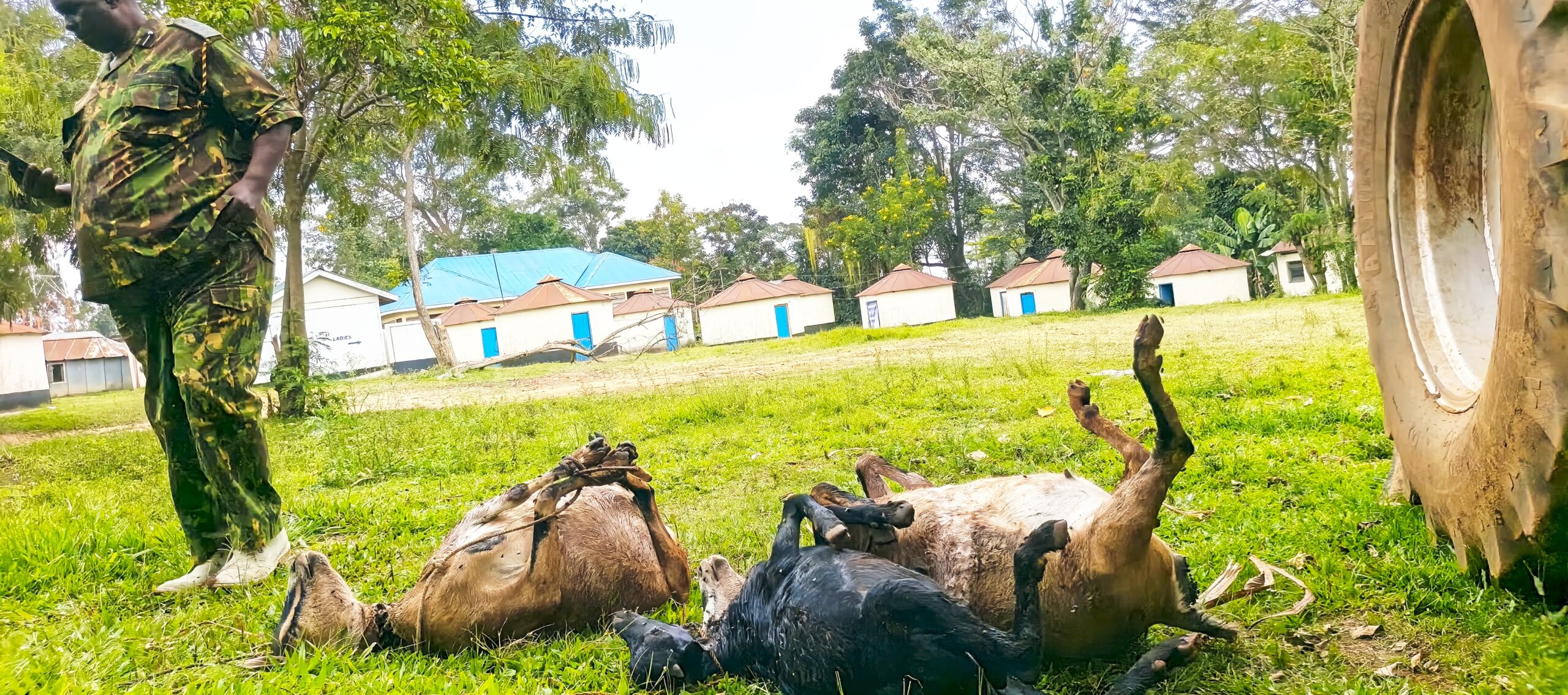
The disturbing trend came to light on Friday in Butere, where police recovered the carcasses of three goats that had reportedly been stolen from Buboko area in Marama South.
The animals had been slaughtered and their remains packed into a sack before being transported on a motorcycle.
The motorcycle was later found abandoned at Shitsitswi Market in Marama Central, raising fears that an organised network could be exploiting the demand for meat to conceal the proceeds of livestock theft.
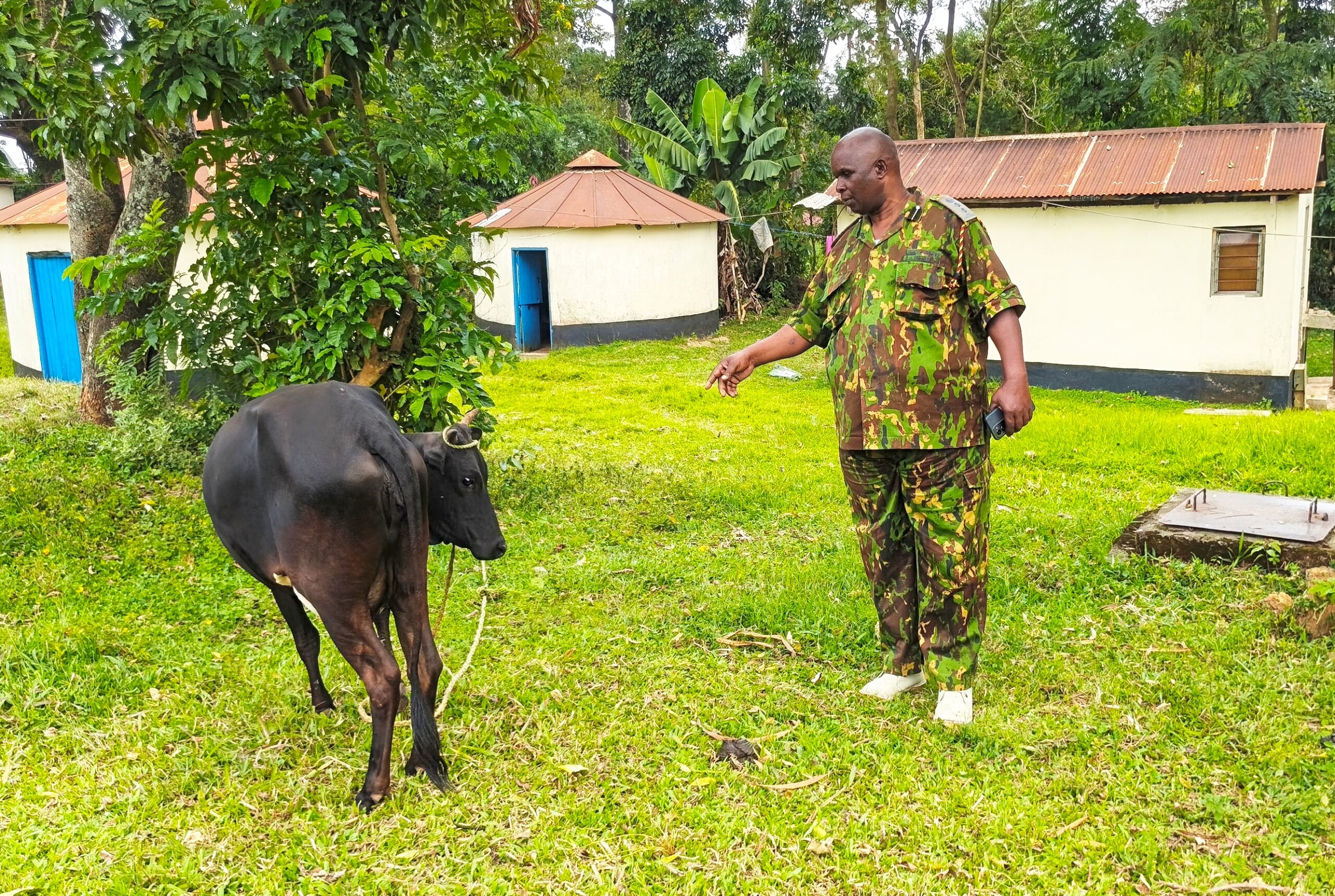
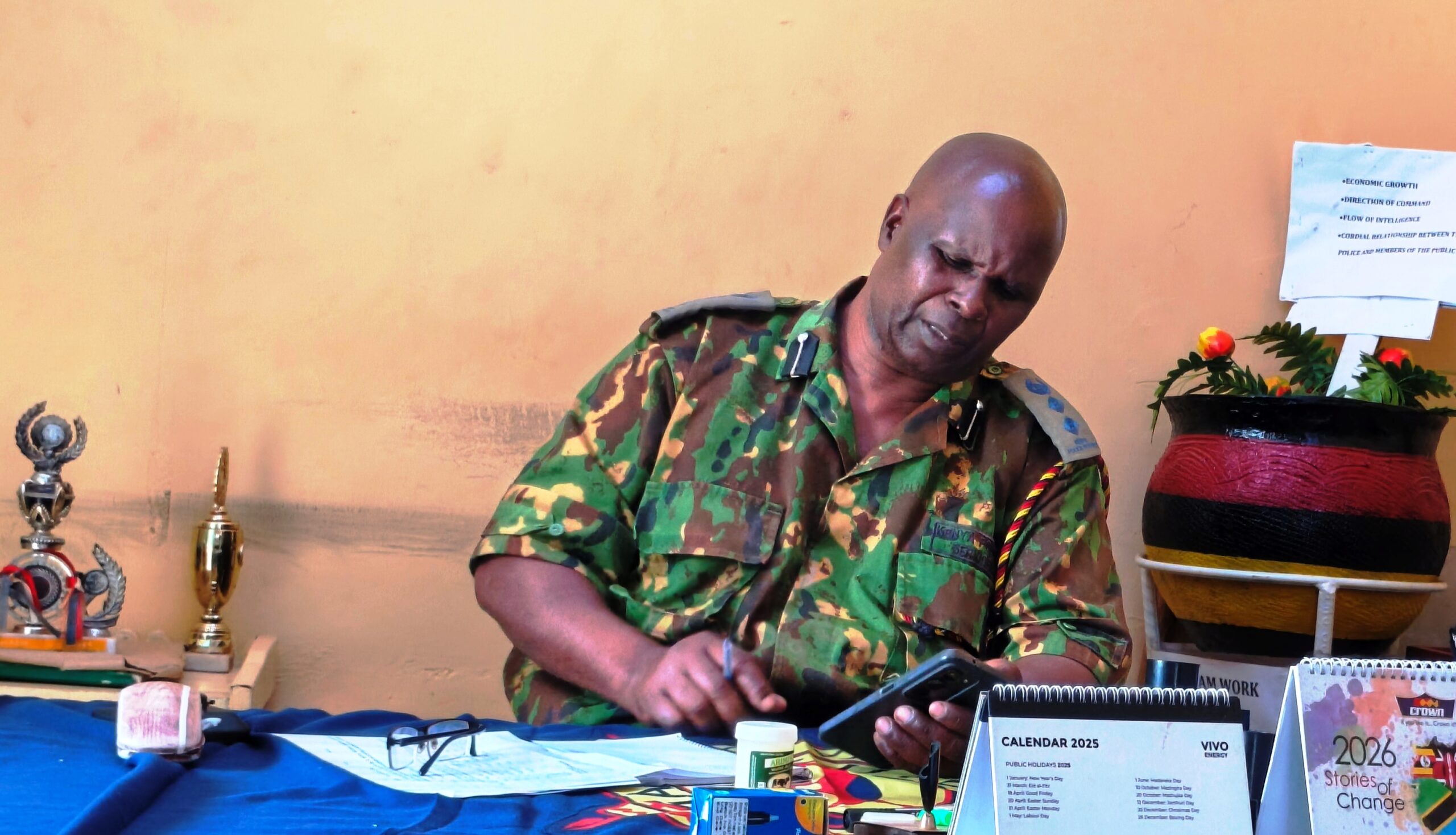
Butere Sub-County Police Commander Justus Njue said officers were alerted after Assistant Chief of Shinamwenyuli Sub-location Frida Odera received information from members of the public about the suspicious motorcycle.
“Officers rushed to the scene and recovered the said animals which had been slaughtered and stashed in a sack,” Mr. Njue said. “A motorcycle whose number plate had been removed was also recovered.”
The Police Equation
The missing number plate, police believe, may have been an attempt to make it difficult to trace the motorcycle and its occupants. But investigators are now turning to another identifier.
“We are investigating the ownership of the motorcycle. Even though the number plate was removed, we are using the frame number which we shall forward to the National Transport and Safety Authority (NTSA) for the identity of the owner,” Mr. Njue said.
The police are also investigating where the stolen animals were being taken.
According to Mr Njue, investigators suspect the meat may have been destined for Ekero Choma zone in Mumias West, an area known locally for its popular roasted goat, sheep and chicken dishes.
If confirmed, the development would point to a worrying adaptation by livestock thieves — one in which stolen animals can disappear into the food chain within hours, making recovery and identification much harder.
For a livestock farmer, the loss of an animal is not simply a theft. It is the loss of months, sometimes years, of investment.
A cow may have been bought after years of saving. A goat may have been acquired through a merry-go-round contribution. A calf may have been born and carefully raised as a future source of income.
When such an animal disappears overnight, the economic and emotional damage becomes devastating. And when thieves slaughter it, the possibility of recovery becomes almost impossible.
Unlike a stolen cow that can potentially be spotted at a market or recovered from a distant village, a slaughtered animal can be reduced to meat, packed into a sack and moved under the cover of darkness. That is what is troubling the authorities.
The Butere incident is therefore being treated not simply as another livestock theft case, but as a warning sign of a potentially changing criminal enterprise.
Uncooperative Livestock
In another incident that has shocked residents, police recovered a black lactating cow that was suspected to have been stolen and hidden in a thicket.
The animal was apparently being kept out of sight, allegedly awaiting slaughter later in the evening.
But the thieves may not have anticipated that the cow would refuse to remain silent. The cow’s cries saved its life. Its repeated sounds attracted the attention of members of the public, who raised the alarm.
Police were called and the animal was recovered.
“We believe somebody must have stolen the animal from the owner and hid it in the forest area, planning to slaughter it later in the evening,” Mr Njue said.
For its unknown owner, the recovery could mean the difference between losing a valuable source of livelihood and returning home with an animal that can continue supporting the family.
Behind the rising livestock theft, however, police say, lies a deeper and more painful problem.
The dry spell gripping parts of the region has left many households struggling. Fields that should be providing food and income are becoming increasingly difficult to work.
For families that depend almost entirely on agriculture, a prolonged dry spell means reduced harvests, shrinking incomes and fewer opportunities to earn a living.
Mr. Njue said the economic hardships were contributing to the rising level of crime.
“It is extremely dry in these areas and the dry spell is tremendously devastating. People are not able to work on their farms and there is no source of income. This is expediting crimes,” he said.
The Grim Cycle
It is a grim cycle. When farms fail, families lose income and when income disappears, desperation grows and this could expose vulnerable livestock into an increasingly attractive target.
The result is a community caught between environmental hardship and insecurity and the evolving nature of livestock theft is now forcing police to rethink their approach.
Rather than concentrating solely on recovering live animals, officers are also watching the routes used to transport meat, monitoring suspicious motorcycles and investigating possible destinations where stolen livestock could be sold for consumption.
Patrols have been intensified in an effort to disrupt the thieves before animals are slaughtered.
But policing alone may not be enough. The community is also being urged to remain vigilant and report suspicious movements, particularly motorcycles transporting sacks or unusual loads at odd hours.
For residents, the message is becoming painfully clear: livestock thieves may no longer need to move a stolen cow or goat through the village. They only need a sack to move its carcass.
The challenge facing Butere and neighbouring areas goes beyond stolen animals. It is a battle against desperation.
As the dry spell continues to squeeze farming households, opportunities for legitimate employment remain limited.
Young people without jobs face an uncertain future. Small-scale farmers struggle to survive. Families dependent on livestock watch anxiously as the value of their remaining animals rises amid worsening economic pressure. This creates fertile ground for crime.
But it also means that the long-term solution cannot rest entirely on police patrols. Communities need livelihoods, farmers need support to survive prolonged dry periods, young people need opportunities to earn legitimate incomes and livestock owners need stronger mechanisms to protect and trace their animals.
Because behind every stolen goat is a household. Behind every stolen cow is a farmer and behind every lost animal may be a child’s school fees, a family’s food, a medical bill or the last financial safety net of a struggling household.
The three goats found packed into a sack at Shitsitswi Market therefore tell a much bigger story.
And somewhere in Kakamega, a farmer may still be wondering where the animals that were supposed to carry their family through the hard times vanished.
For the police, the hunt is now no longer simply for thieves moving stolen livestock, it is also a race against time before another animal is slaughtered, packed into a sack and quietly disappears into the meat trade.