|
Getting your Trinity Audio player ready...
|
By Melisa Mong’ina
Nairobi, Kenya: Although Kenya continues to build a robust body of evidence regarding early childhood education challenges, researchers emphasize that critical disconnects persist.
Issues spanning instructional methods, teacher readiness, language policies, and educational technology integration hamper the translation of this research into improved student performance.
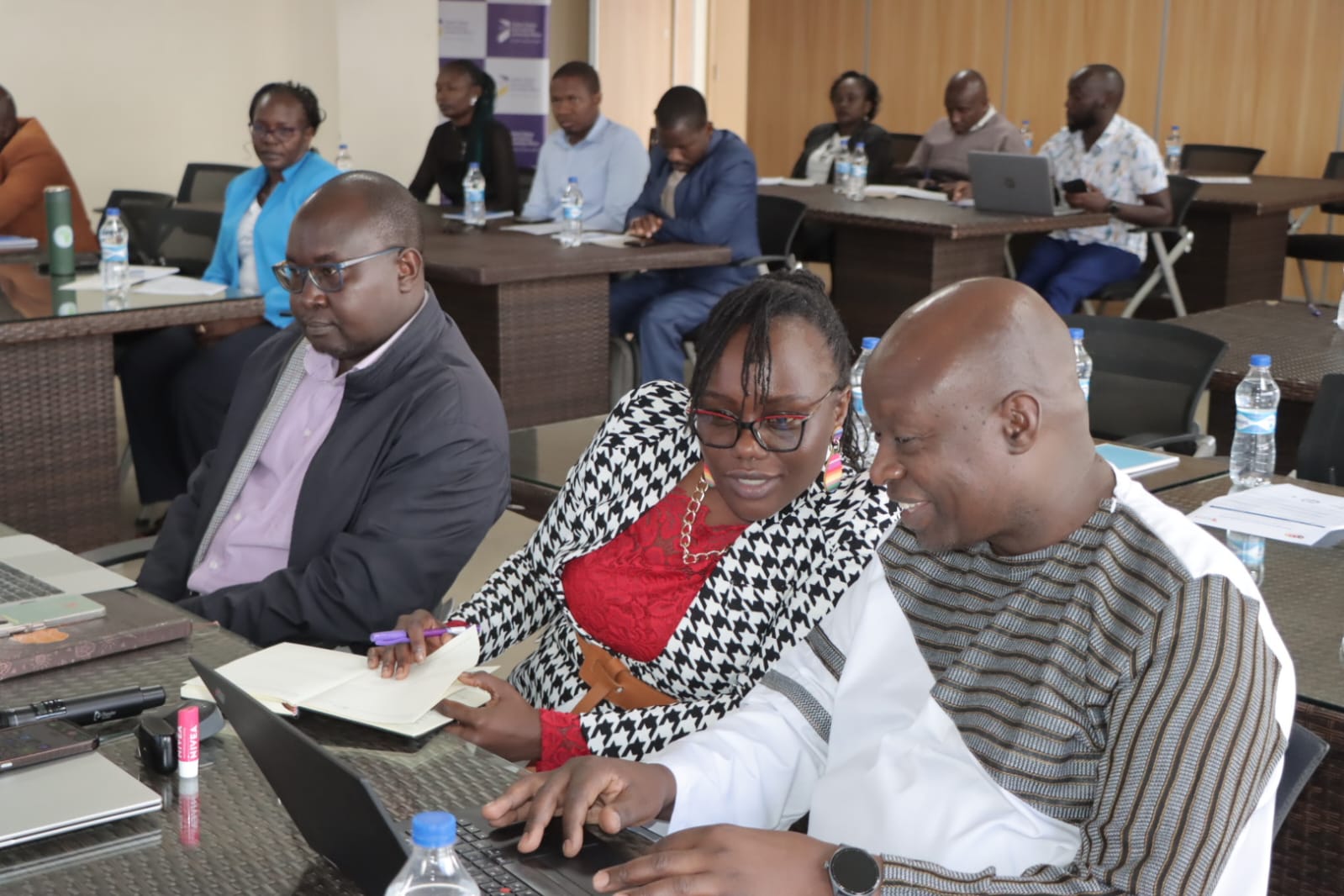
These insights were highlighted in Nairobi during a policy engagement and dissemination conference, where scholars presented research analyzing foundational learning across various primary education sectors.
Research conducted in Kajiado County regarding technology integration in low-resourced, multilingual, and marginalised public primary schools indicates that while digital tools offer potential for enhancing foundational literacy and numeracy, their mere presence fails to assure improved academic outcomes.
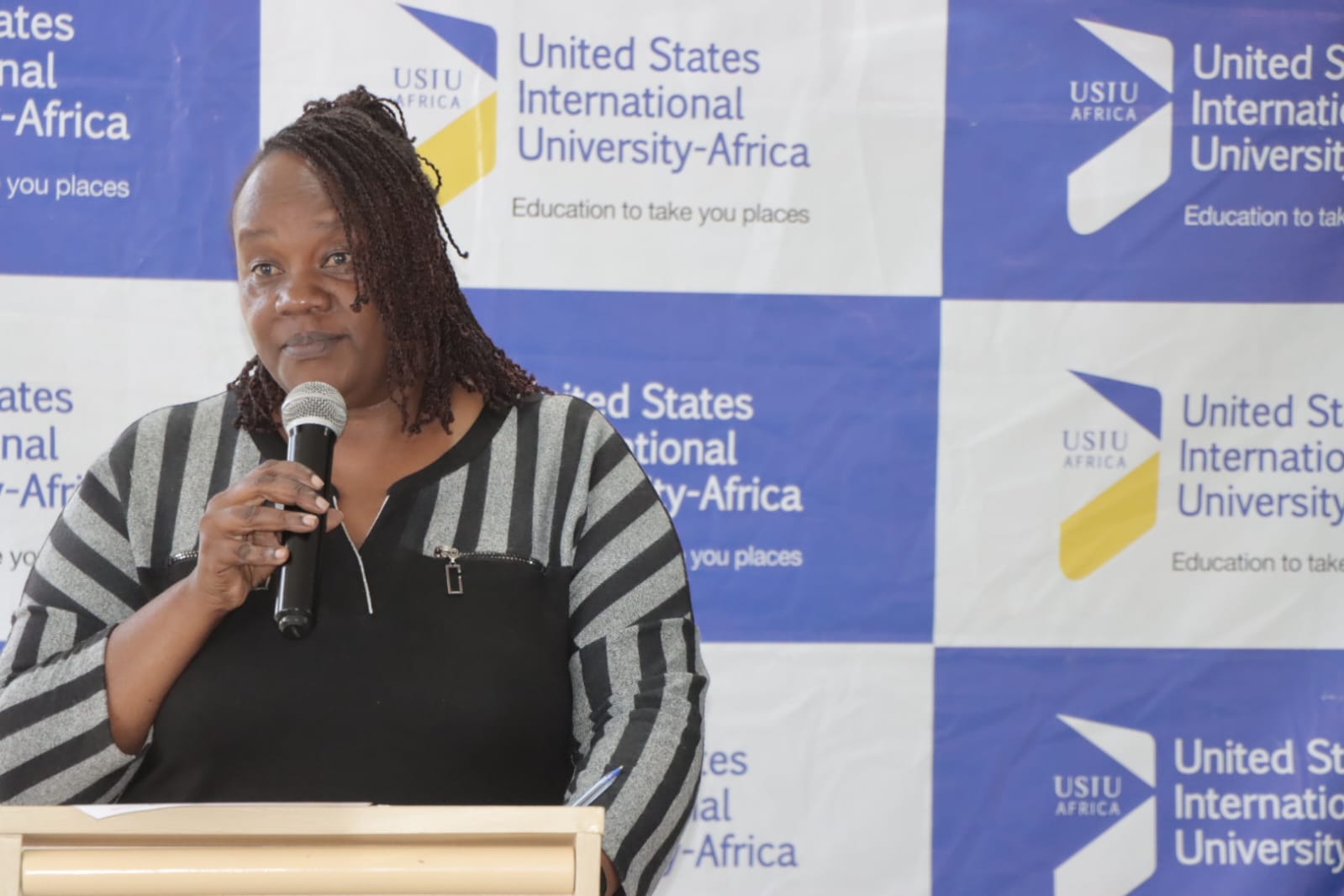
The study’s principal investigator, Dr. Joyce Njiiri, noted that certain equipped schools primarily utilized devices for administrative tasks, whereas several schools lacking electrical infrastructure, devices, or digital readiness achieved strong results in numeracy and literacy.
“It is not a matter of having a laptop, lab, or tablets. The content and the concepts to do with numeracy and literacy must be well developed with the learner in the mind,” she explained.
Teacher preparation was also identified as a challenge, particularly in helping teachers create and use digital content effectively.
“Our study was in public primary schools, where the population is so high. Even deciding who goes to the lab, when to go and what they do can be difficult because the schedule is overcrowded,” Njiiri added.
Lack of internet access and poor maintenance of government-provided devices were also identified as barriers. In some schools, tablets that became faulty were not repaired and were eventually left unused.
Language of Instruction Emerged as Another Challenge
Prof. Catherine Murungi, principal investigator of a study examining the influence of mother tongue instruction on foundational literacy and numeracy among Grade 1–3 learners in Nakuru and Kitui counties, noted that the findings point to a gap between Kenya’s language policy and classroom practice.

Of the 72 teachers involved, only 71 knew that the policy existed. However, classroom observations showed that mother tongue/local language accounted for only about 1% of observed language use. None of the 48 lessons observed was predominantly taught in mother tongue.
“Our study is not saying that mother tongue works or does not work,” said Murungi. “We found out that mother-tongue is not as dominant as we thought. Even in deep rural areas like Kitui, which is very remote.”
English accounted for about 65% of observed language use, while Kiswahili accounted for about 34%. Only seven of the 72 teachers reported having received formal training specifically in mother-tongue instruction.
“We also found out that there is a problem with implementation of the policy. Teachers are aware of it but give mixed feedback on which is the language of the catchment area,” Murungi observed.
She recommended better teacher preparation, appropriate learning materials and deployment of teachers who can communicate effectively in the language used by learners.

In Kiambu County, research by principal investigator Prof. Peter Kigwilu similarly found a gap between language policy and classroom practice, with mother tongue barely used despite the policy requiring instruction in the language of the catchment area in early grades.
“It turned out that nearly all schools do not use mother tongue as the language of instruction,” he said, noting that only 0.3% of the schools studied were teaching Grade three learners using mother tongue.
The study also found a gap between teachers’ perceptions of learner performance and assessment results. While 86% of teachers believed their learners were meeting expectations, the researchers’ assessment showed that only 33% were meeting expectations.
“The finding that actually was a surprise was the belief by teachers that their learners are learning,” Kigwilu remarked. “Teachers have misconceptions about their own learners, yet we are relying on them to report to us on the progress of the learners.”
Learning materials were mainly available in Kiswahili and English and were inadequate. Kigwilu pointed to the need to review the language-in-education policy and provide clearer implementation guidance and teacher training.
But the challenge extends beyond what happens inside classrooms to what happens to the evidence once research is completed.
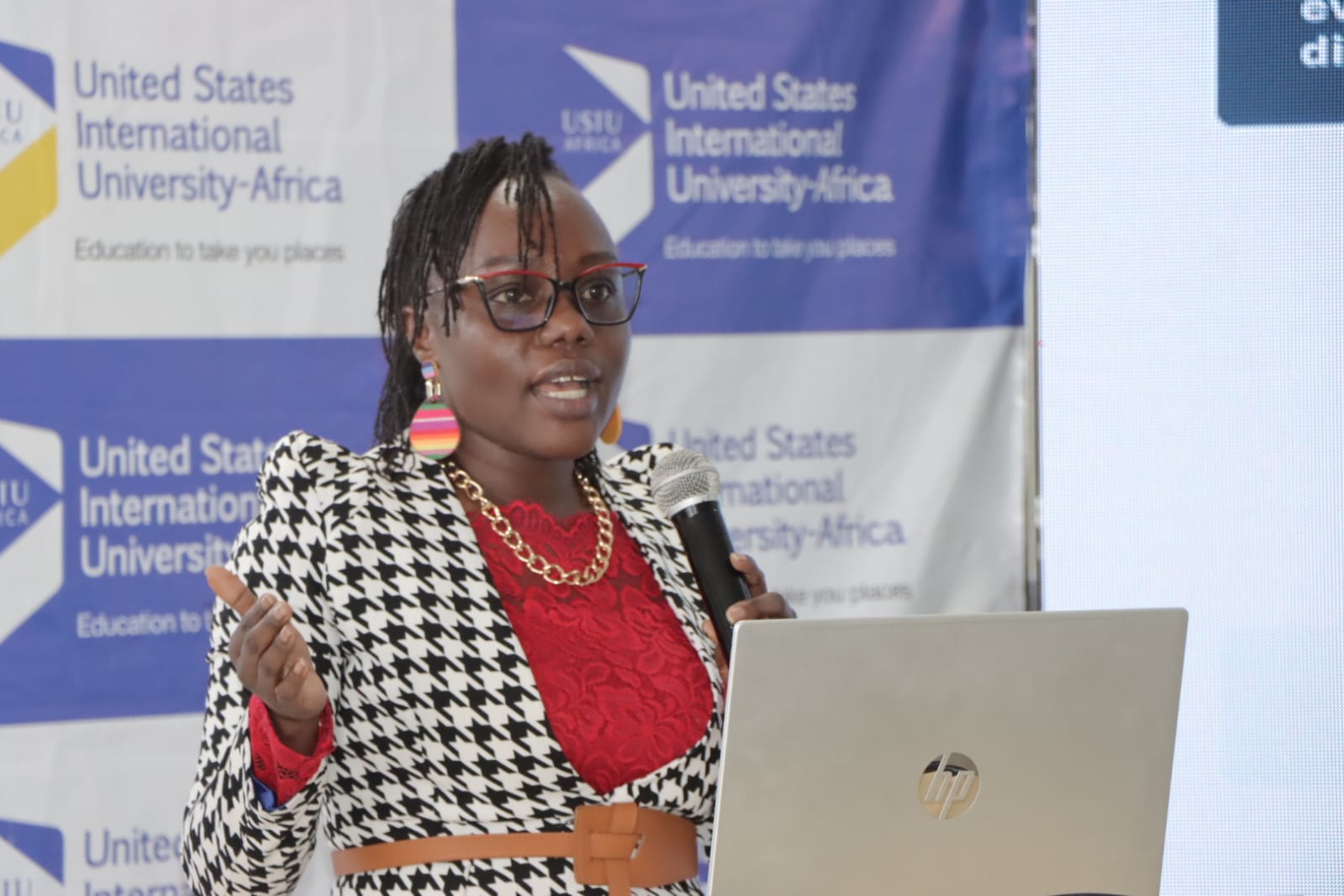
Dr. Winnie Tubey, principal investigator of the study on Strengthening the Use of Foundational Learning Assessment Evidence in Kenya, examined how findings from the National Assessment System for Monitoring Learner Achievement (NASMLA), Uwezo and the Foundational Learning Assessment in Africa (FLANA) are used beyond the generation of statistics to influence policy and classroom practice.
“We just wanted to see how it goes into use beyond the generation of this evidence,” she explained.
Tubey noted that the pathways through which evidence reaches policymakers differ depending on who produces it.
“Visibility is dependent on who is producing the evidence. NASMLA is embedded within the government framework under KNEC and the Ministry of Education, while Uwezo and FLANA are civil society organisations. Their pathways of engagement are therefore quite different,” she said.
While Uwezo and FLANA have engaged government institutions to bring their findings into policy discussions, Tubey stressed that such engagement does not necessarily translate into classroom changes.
A key challenge identified by the study was the lack of clear ownership for taking evidence forward into implementation or policy.
“While we have all these assessments and evidence, it’s almost like that is where it ends. The documentation trail starts fading,” Tubey added.
She urged stakeholders to remain involved beyond research design and dissemination, working together to determine how findings will be translated into practice and who will be responsible for taking them forward.
“The problem is, once we have co-created the design, collected the data and we’ve done the report launch, we sort of leave our partnership there,” she said.
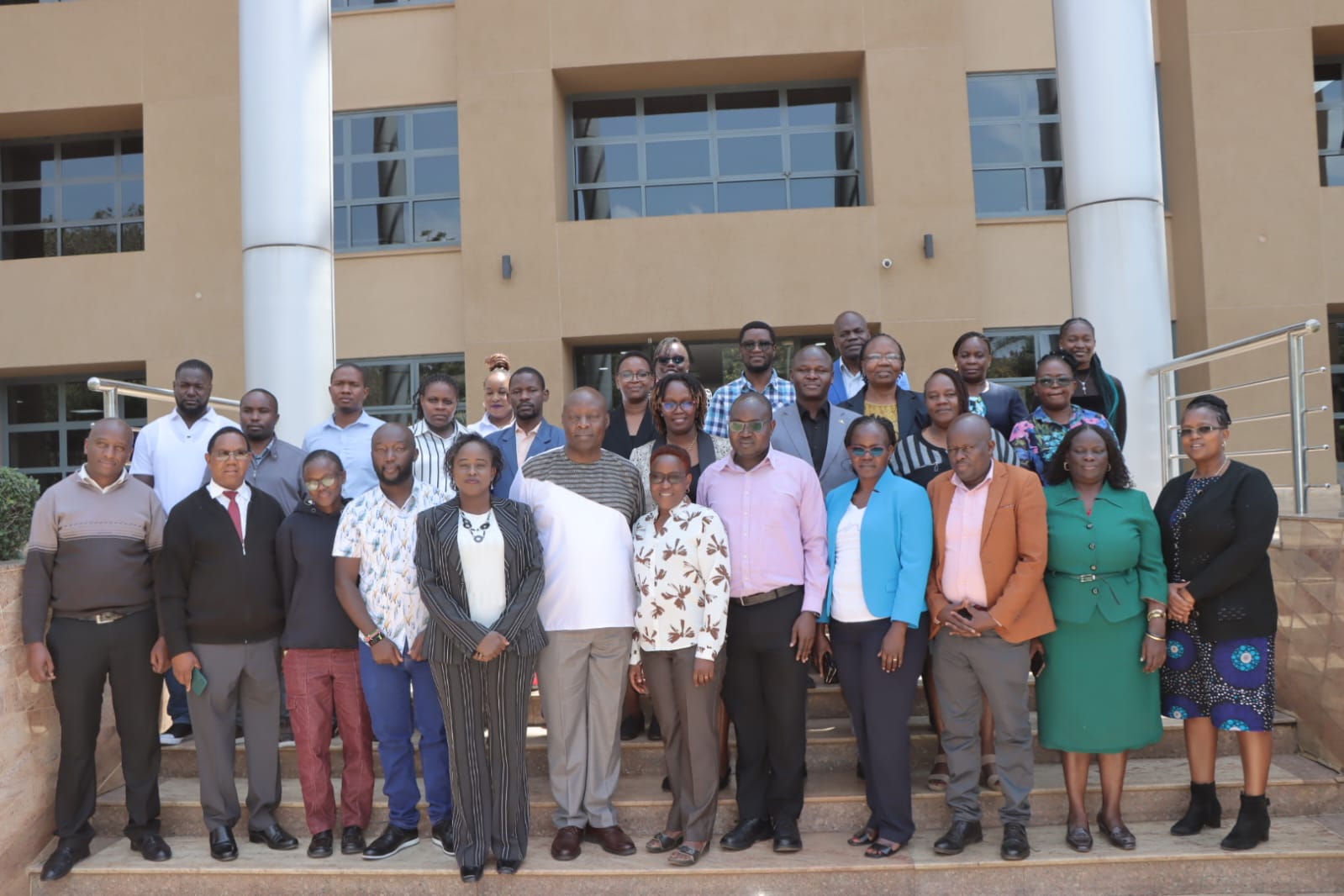
Dr. Domnick Okullo, Senior Manager in charge of foundational learning at Education Sub-Saharan Africa (ESSA), argued that researchers, policymakers and implementers need to work more closely so that research can inform policy and practice.
“What we are doing currently is to try and link research, policy, and implementers into one. So that the kind of research that is done, it’s not done for research’s sake, but to influence policy work,” he said.
Okullo identified poor coordination between the three groups as a major challenge in turning evidence into action.
“If they don’t talk to each other, then they may not even know what is happening. So, if that kind of siloed work system continues, then we are not going to achieve much,” he concluded.