|
Getting your Trinity Audio player ready...
|
By Shaban Makokha
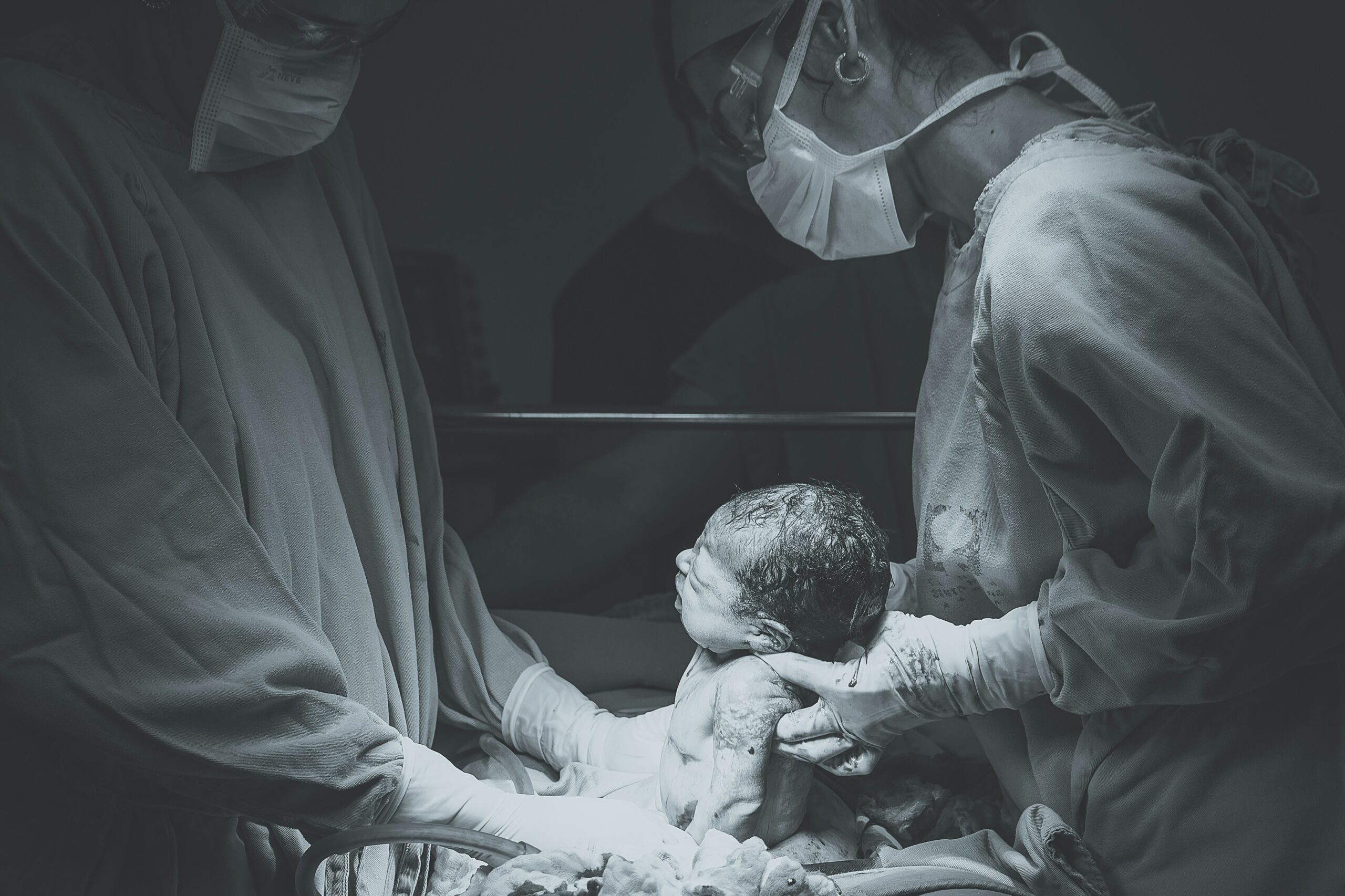
Behind every antenatal clinic visit is a mother hoping for a safe pregnancy, and behind every referral ambulance is a race to ensure that a mother or baby in distress gets to the right facility before it is too late. For every expectant mother who walks into a health facility in Kakamega County, there is a silent race against time—one that health stakeholders are determined to win.
County officials, working with Touch a Life Organization, have intensified efforts to accelerate implementation of the Every Woman, Every Newborn, Everywhere (EWENE) initiative—a global programme spearheaded by the World Health Organization, UNICEF, and UNFPA focused on reducing preventable maternal and newborn deaths and preventing stillbirths. The initiative promotes quality care during pregnancy, delivery, and after birth, with countries expected to lead implementation at the national level.
A National Crisis with Local Consequences
The urgency of this renewed push is underscored by sobering national statistics. Kenya’s maternal mortality ratio stands at 355 deaths per 100,000 live births, according to the Kenya Demographic and Health Survey (KDHS) 2022. This translates to approximately 6,000 preventable deaths every year—or 16 women dying daily from preventable childbirth complications. Neonatal mortality is recorded at 21 deaths per 1,000 live births, while the country records around 30,400 stillbirths annually.
Kakamega County reflects these national challenges. The county’s maternal mortality rate stands at 316 deaths per 100,000 deliveries, while neonatal mortality is 23 deaths per 1,000 live births. Postpartum haemorrhage—severe bleeding after childbirth—has been identified as the leading cause of maternal deaths in the country, accounting for 50 per cent of cases.
EWENE: A Coordinated Response
The EWENE initiative brings together interventions spanning the entire continuum of care—from the community through pregnancy, delivery, and the critical days and weeks after birth. On 28 May 2026, President William Ruto launched the EWENE Acceleration Plan 2026–2028 and the Maternal and Newborn Health Rapid Results Initiative, pledging KSh 7.5 billion towards maternal, newborn and reproductive health services.
The Government has committed approximately KSh 12.5 billion to improve maternal and newborn survival, including KSh 4 billion for delivery and essential newborn care, KSh 1 billion for lifesaving maternal and newborn commodities, KSh 2.5 billion for family-planning commodities, and KSh 5 billion annually to recruit 5,000 nurses. An additional Sh4 billion has been allocated to the Social Health Authority to cover healthcare premiums for pregnant women.
Twenty-six counties have been identified as high-burden areas for maternal and newborn mortality and are receiving targeted support, with Kakamega among them.
The review meeting brought together members of the County Health Management Team, led by Director for Medical Services Dr. Stephen Wandei, alongside officials from the county government and Touch a Life Organization. Chief Officer for Public Health Rose Muhanda stressed the importance of partnerships in confronting challenges affecting maternal and newborn health.
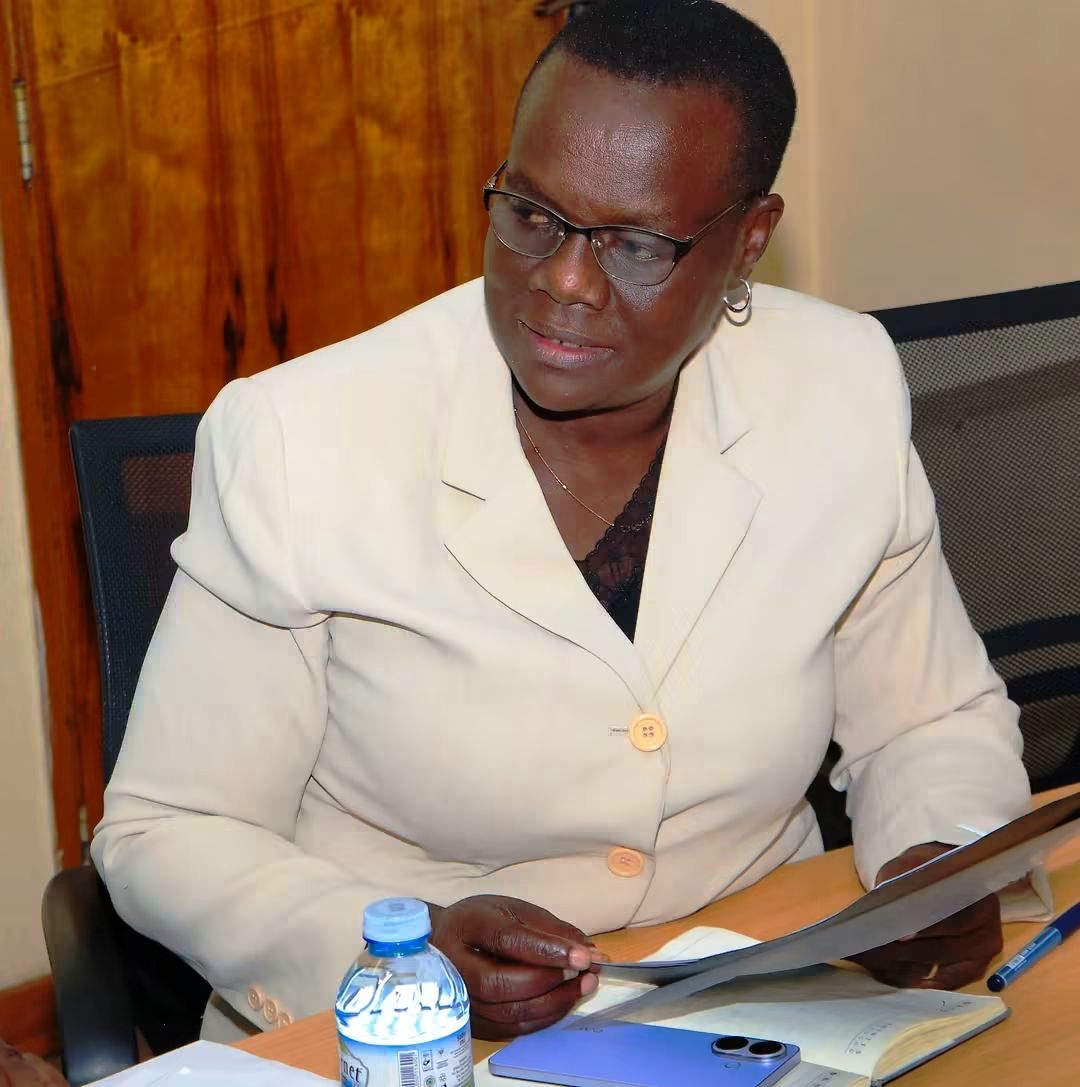
The meeting examined the availability of maternal and newborn medicines and commodities, scrutinised the referral system—particularly ambulance availability—and explored ways to increase antenatal care attendance for early detection of pregnancy-related complications.
“Antenatal care remains one of the most important opportunities for health workers to monitor the wellbeing of both mother and baby,” Muhanda noted.
Stakeholders also discussed the need to increase uptake of the Integrated Community Health Information System (ICHIS) to strengthen collection, management and reporting of health information at community level. Accurate information allows health managers to understand what is happening on the ground, identify communities facing the greatest challenges and make decisions based on evidence rather than assumptions.
“Immunisation protects children against a range of potentially life-threatening diseases and remains a cornerstone of preventive healthcare,” said Ms Priscila Oparanya, Touch a Life Chief Executive Officer.
As Kakamega continues implementing the EWENE initiative, the ultimate measure of success will be in mothers who survive childbirth, newborns who leave the hospital healthy, and families spared the pain of preventable loss.