|
Getting your Trinity Audio player ready...
|
By Mary Mwendwa
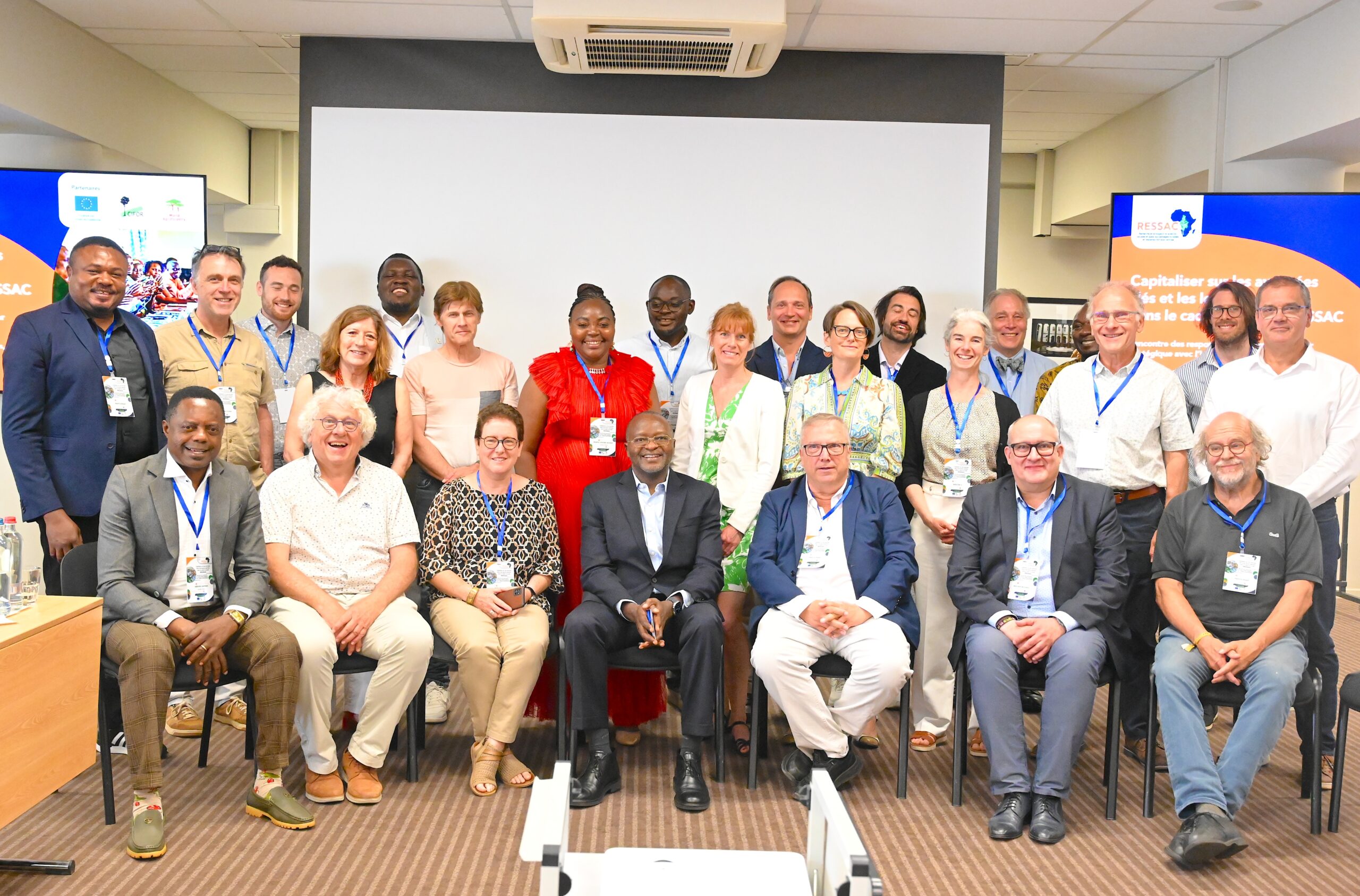
Nairobi—Efforts to protect the Congo Basin—the world’s second-largest tropical rainforest—will fail without African institutions at the helm of the research guiding its management. That was the clear message from scientists, policymakers, development partners, and private sector actors who gathered recently for a high-level session on advancing Africa-led research for the sustainable management of Central African forests.
The event, organized by Landscape Alliance (formerly CIFOR-ICRAF) through its EU-funded RESSAC program, brought together voices from across the research, policy, and development landscape to confront a pressing question: Who should be generating the knowledge that determines the future of one of Africa’s most vital ecosystems?
The Congo Basin spans six countries—Cameroon, the Central African Republic, the Democratic Republic of Congo, the Republic of Congo, Equatorial Guinea, and Gabon. It stores vast amounts of carbon, harbors exceptional biodiversity, and sustains the livelihoods of more than 100 million people. Its forests also help regulate the climate of the entire African continent. Yet deforestation, land degradation, unsustainable resource use, and climate change are placing these ecosystems under mounting pressure.
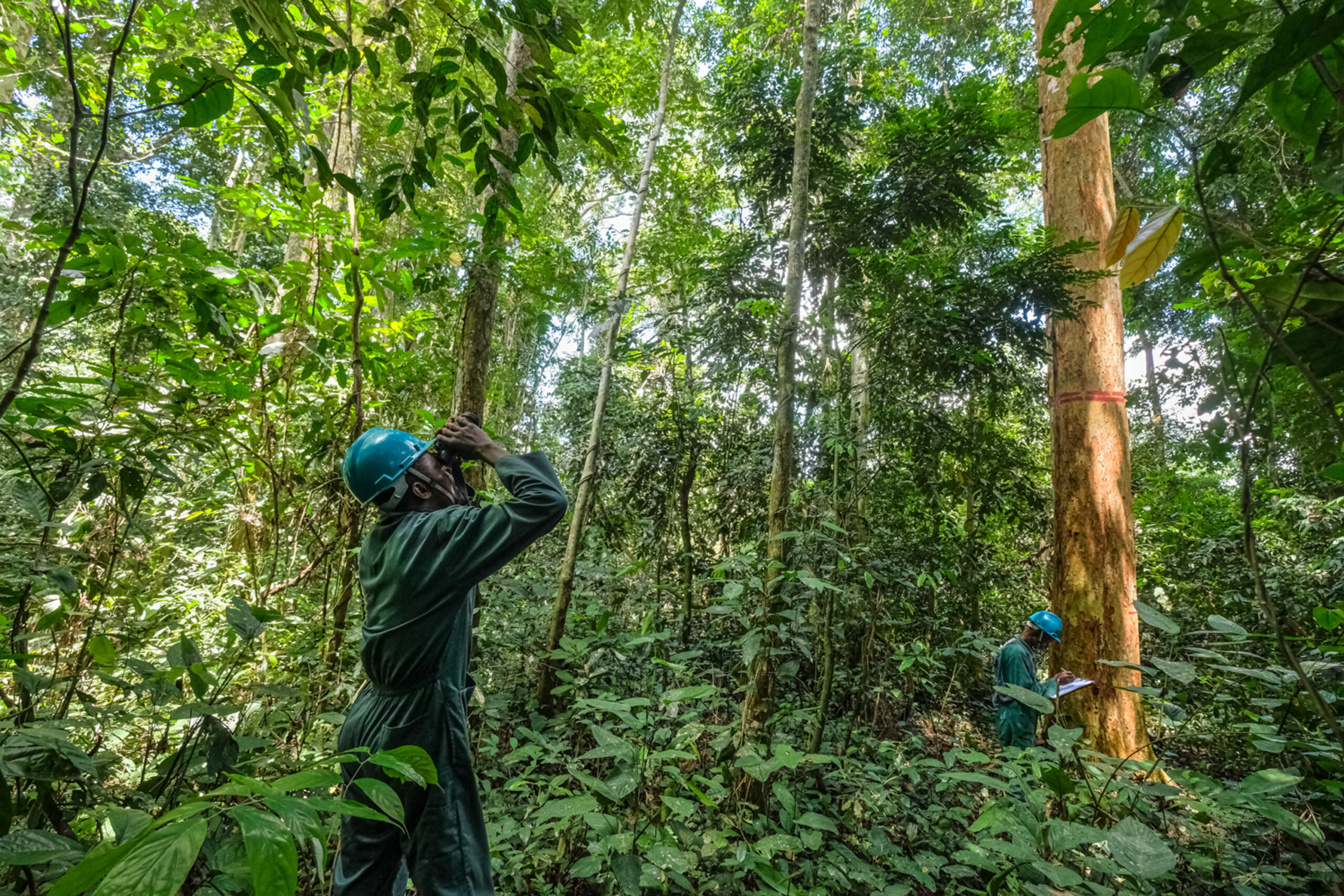
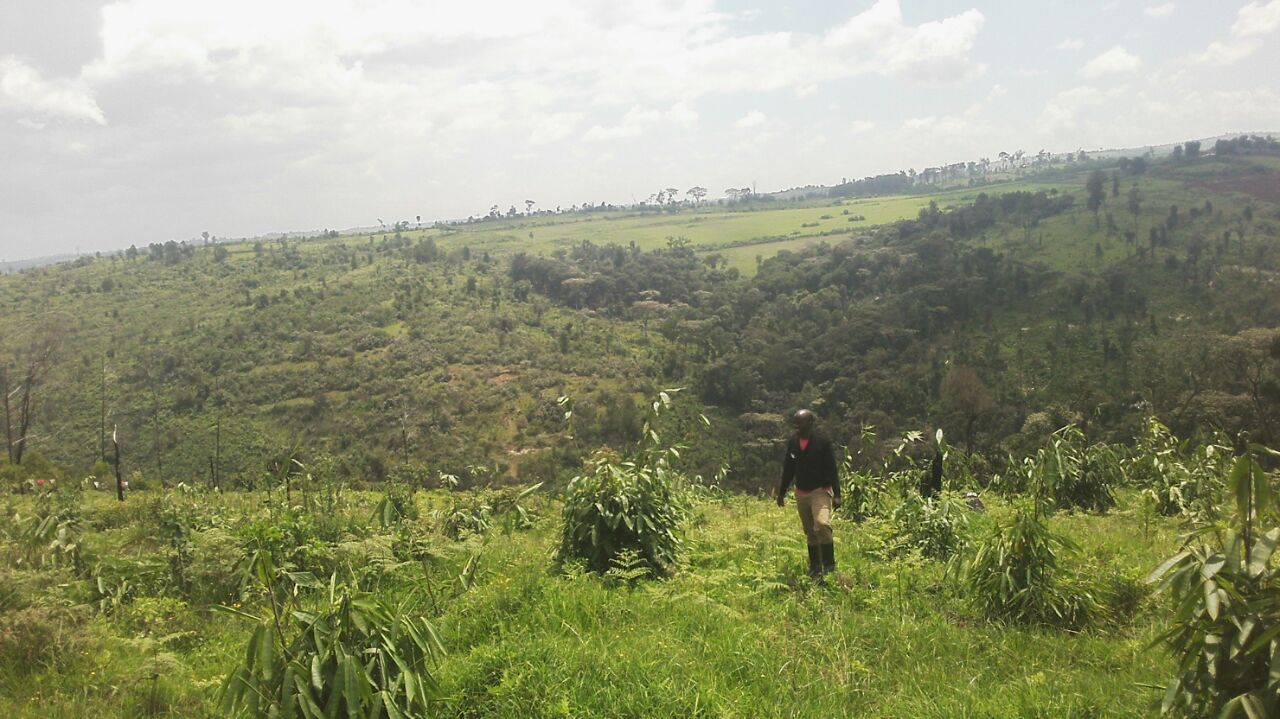
Photo by Axel Fassio/CIFOR
“Protecting the Congo Basin is not only a Central African priority—it is an African priority,” said Peter Minang, Africa Director for Landscape Alliance. “Investing in African research ensures we generate the knowledge and solutions needed to secure this globally important ecosystem for future generations.”
Central to the discussions was the RESSAC program’s consortium-based model, which unites Central African scientific institutions, European research partners, and natural resource management organizations. The approach has enabled universities and research centers across the region to collaborate on forest governance, biodiversity conservation, climate resilience, and sustainable land management—generating evidence that directly informs policy and practice.
“Forests do not recognize political boundaries,” said Richard Sufo, RESSAC Programme Lead at Landscape Alliance. “The solutions we develop must therefore be built through regional collaboration, shared knowledge, and long-term partnerships.”
Participants also underscored the program’s role in nurturing the next generation of African scientists through training, mentorship, and opportunities for early-career researchers to engage in applied research and regional networks.
A recurring theme was the urgent need to close the gap between science and decision-making. Participants called for stronger mechanisms to connect researchers, policymakers, communities, and the private sector—translating findings into practical, scalable solutions. Private sector voices highlighted how research partnerships can drive responsible investment and sustainable value chains while creating economic opportunities for forest-dependent communities.
“Building on the science and knowledge generated over the years will be essential to supporting the sustainable management of Central Africa’s forest ecosystems,” said Philippe Mayaux, a forestry expert and former Team Leader at the European Commission’s Directorate-General for International Partnerships.
As global attention increasingly turns to the Congo Basin’s role in addressing climate change and biodiversity loss, one conclusion was unambiguous: safeguarding these forests demands sustained investment in African scientific leadership—not as a complement to the solution, but as its foundation.