
|
Getting your Trinity Audio player ready...
|
By Omboki Monayo
Nairobi, Kenya: With the growing popularity of novel tobacco products in Kenya, the tobacco industry is staging a quiet but powerful comeback into Kenya’s youth culture.
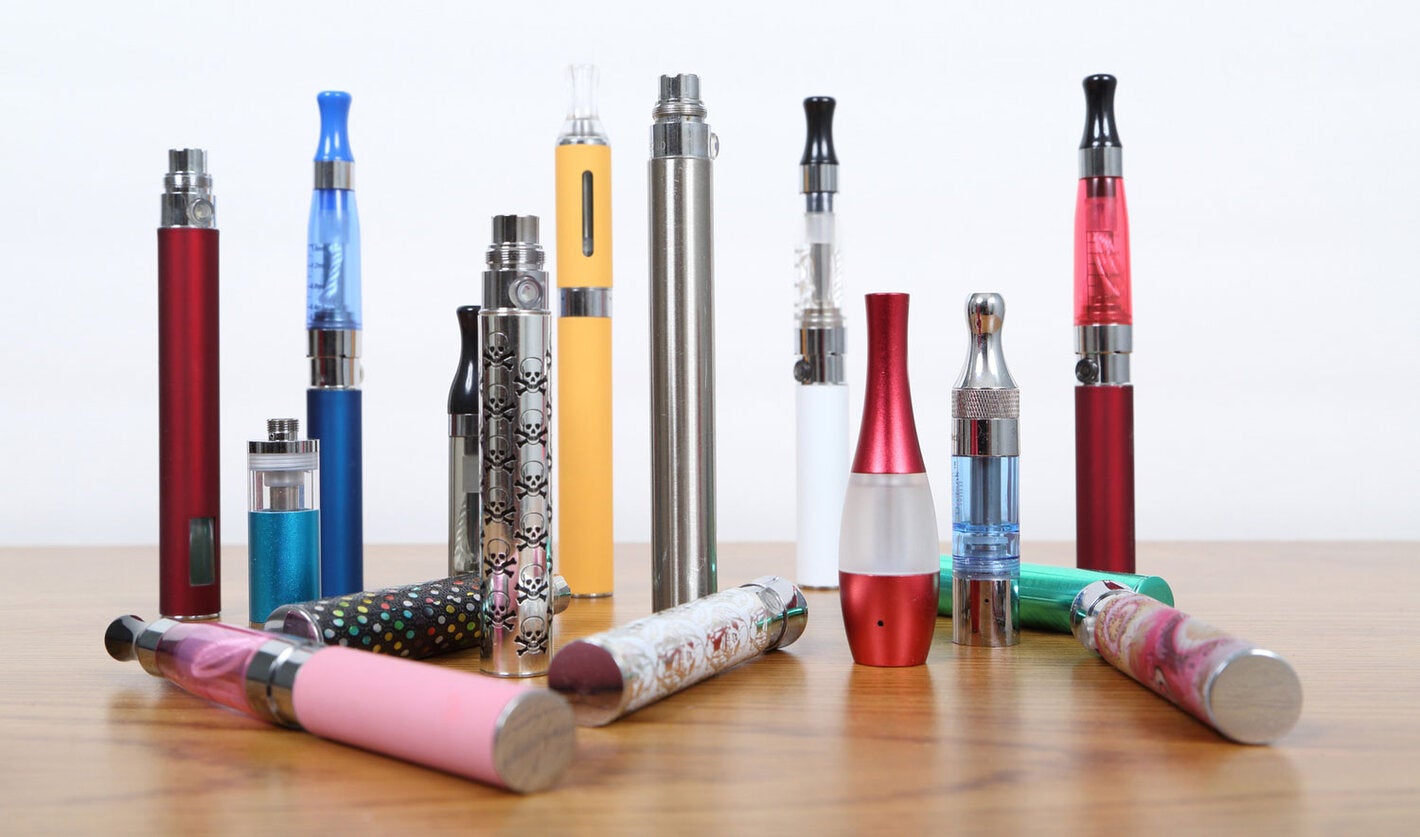
The sight of youths puffing on e-cigarettes, shisha pots, and vapes or using nicotine pouches is now a common feature in residential areas and college corridors and a highlight of the party culture at social events. These products are available in some retail outlets, including online commercial sites and even petrol stations along the highways.
Benjamin Odhiambo, a public health expert at the Students Campaign Against Drugs (SCAD), has seen the darker side of the novel tobacco product wave, whose allure seems irresistible to young people looking to blend into the hip, edgy social circles where adopting trends and consumption habits often matter more than safeguarding one’s health.
Since the novel tobacco products became a fad in the country, this dark wave, he says, has crashed against the family circle in ways he did not expect.
‘If you speak to youths, they will tell you how addictive these products are. I have seen some of the youthful users, including my relatives, transition from smoking tobacco and using these other novel tobacco products to using other drugs,” he says.
Harrison Andeko, who is a program officer at the Non-Communicable Disease Alliance (NCD Alliance Kenya), says that the tobacco enterprises frequently target vulnerable and often ignorant segments of society to market and sell their harmful products.
“To generate revenue and make profits, the tobacco industry targets women, youths, and first-time users, using the illusion that the products are flavored, smoke-free, and fashionable. However, the chilling reality is that they still have harmful chemicals,” says Andeko.
Tobacco use is associated with a number of non-communicable diseases, including lung, throat, and oral cancers.
World Health Organization (WHO) statistics published in 2022 indicate that NCDs account for 41 million or 74 percent of deaths, with tobacco attributed to 7.2 million deaths annually.
Andeko confirms that the national toll is equally disturbing.
“Data published in the Kenya Vital Statistics section of the Kenya Health Policy 2014-2030 shows that NCDs account for 43% of all deaths in Kenya, 50% of hospital admissions, and 62% of hospital deaths,” Andeko says. “Cancer accounts for 20% of total NCD deaths in Kenya, with tobacco-related health complications alone estimated to cause at least 12,000 deaths every year,” he adds.
Data published by the Tobacco Control Data Initiative (TCDI) tabulates top cancers associated with smoking in Kenya as oral, throat, lung, head and neck, cervical, stomach, bladder, and urinary tract cancers.
Other diseases associated with smoking include chronic obstructive pulmonary disease (COPD), asthma, chronic bronchitis, reduced lung function, strokes, heart attacks, diabetes, and hypertension.
“About 12,000 people die each year in Kenya, while 46% of chronic respiratory disease, diabetes, and hypertension patients report tobacco use,” he says.
In an effort to reduce the harmful effects of tobacco consumption in the country, Kenya passed the Tobacco Control Act in 2007. The Tobacco Control Regulations were, however, passed in 2014 after a lengthy legal battle that ensued after a lawsuit filed by the tobacco industry players led by British American Tobacco Kenya (BAT-K).
John Thomi, who is the Policy Officer for Tax and Equity at the Tax Justice Network Africa (TJNA), points out that Kenya has additional laws, including the clauses of the World Health Organization Framework Convention on Tobacco Control (WHO-FCTC) that effectively became part of the constitution in 2007, three years after Kenya ratified them in 2004.
“Kenya is a party to the WHO-FCTC courtesy of the 2007 Act, and the 2014 regulations that came into place for the laws to take effect and fully align the country with the WHO-FCTC,” he says. “As a result of the Tobacco Control Act and the Regulations, we’re one of the countries in Africa that were the earliest adopters of the tobacco control rules,” he notes.
“For example, there are smoking zones in the Nairobi CBD due to the regulations. Before 2007, you could see tobacco ads on TV, billboards, etc. It became illegal after the Act became law,” he adds.
According to Thomi, tobacco products are also mandated to carry pictorial warnings on their packaging.
“There is now a proposal to incorporate the same warnings on nicotine products,” he goes on.
Among the recommendations of the WHO-FCTC is a 75% tax rate on tobacco products. Kenya’ current tax rate on tobacco products remains at around 32-40% of the retail price.
According to Thomi, tobacco control advocates including the TJNA are urging the government to increase the tax rates to match the WHO rate.
“The tax hike will price the products out of the reach of most ordinary households, saving them from tobacco harm and income depletion due to resulting healthcare costs,” he asserts.
The fight to legitimize smoke free products in the country however continues unabated, with experts from the medical, PR and community advocacy sectors voicing their support for the harm reduction concept.
In November 2024, Nairobi played host to the fourth edition of the Harm Reduction Exchange, with a focus on advancing public health strategies for substance use, particularly tobacco, alcohol, and opioid addiction, through science-led regulation and community-based support.
It brought together a number of experts drawn from the medical, communication and anti-substance addiction advocacy sectors to discuss alternatives to harmful substances.

Andeko categorizes the novel tobacco products as emerging threats to tobacco control efforts, adding that the, vapes and smokeless nicotine products are “Simply trying to bring in more users into the tobacco industry’s consumer pool”.
Odhiambo, Andeko and other tobacco control experts are dismissing tobacco harm reduction efforts as a smokescreen for the promotion of highly addictive alternatives such as nicotine pouches and vape pens.
Their response comes in the wake of recent efforts by tobacco harm reduction advocates to push for the adoption of products such as vape pens, e-cigarettes and nicotine pouches as safer alternatives to traditional cigarette smoking, which is addictive and can harm the smoker’s health due to prolonged use.
According to Odhiambo, the unrestricted sale, marketing and distribution of products with unknown nicotine content remains a grey area, putting public health programmes designed to curtail tobacco consumption in the country at risk.
“What is the concentration level of nicotine in vapes in Kenya today? No data on the has been collected in Kenya so far.
John Thomi, is the Policy Officer, Tax and Equity for Tax Justice Network Africa he terms the harm reduction argument “a misguided narrative”, and “a misplaced theory based on faulty science”.
He says the entire concept is based on substituting one set of addictions for another as a method of encouraging tobacco smokers to give up the habit, which still fails to protect the health of the tobacco user.
“The argument on harm reduction says that alternative products such as vapes and pouches are less harmful, which is a misguided narrative,” Thomi says.
“Harm reduction, as a concept in its proper form, means one is not able to access or consume tobacco products,” he adds.
On his part, Odhiambo explains that the new generation of tobacco products strategically target and ultimately cause significant harm to the next generation of users,, who are children and young people.
“The tobacco industry’s new, flashy designs and marketing of these novel tobacco products is done for a fundamental reason. Young people did not want to smoke, as research shows, because there’s a specific taste and lip charring that is associated with smoking,” Odhiambo points out.
“So, the tobacco industry brought in a novel product that doesn’t carry all those consequences. These include vaping and nicotine pouches,” says the SCAD official.
He warns against the danger of allowing the unfettered sale of vapes and nicotine pouches in Kenya, saying the country is courting a public health disaster in the process.
“When you expose people to products with a high concentration of nicotine, it is not harm reduction but actually worsening the harm,” he says.
Odhiambo points out that there are safer, scientifically tested, and proven harm reduction methods that do not expose the addicted users to further addiction.
There are other products and strategies that reduce harm. For instance, the World Health Organization (WHO) speaks of nicotine replacement therapies, including gums, lozenges, nasal sprays, and nicotine patches, and pharmacotherapies, including varenicline and nicotine replacement therapy (NRT) like patches and gum, prescription pills such as varenicline and bupropion, as well as cognitive behavioral therapy (CBT) or counseling.
He warns against the danger of allowing the unfettered sale of vapes and nicotine pouches in Kenya, saying the country is courting a public health disaster in the process.
“When you expose people to products with a high concentration of nicotine, it is not harm reduction but actually worsening the harm,” he says.
Commenting on Sweden’s largely successful efforts to reduce smoking prevalence through a combination of public health measures, including the promotion of Snus, the smoke-free alternative, Odhiambo reminds proponents of smoke-free products that it is different from locally available vapes and nicotine pouches.
“Snus is pasteurized and not fermented, meaning it has lower levels of carcinogens. Cultural considerations also apply, including permanent tax exemptions. Sweden increased tax rates on cigarettes by 9%, while reducing tax on snus by 20%,” he says.
Adding that Global South countries simply cannot afford to go the Sweden way.
“We bear a disproportionate burden for tobacco-related illnesses in the Global South countries. The Global North has a much stronger and better-funded healthcare system, including free smoking cessation counseling, and a stronger policy and regulatory framework, which we don’t have,” he concludes.