|
Getting your Trinity Audio player ready...
|
By Victoria Musimbi
Nairobi, Kenya: Declining donor funding, overcrowded classrooms, documentation barriers for refugee learners, and the growing impacts of climate change are placing increasing pressure on Kenya’s education system. These challenges threaten access to quality learning for some of the country’s most vulnerable children.
As refugee populations continue to grow and schools face mounting difficulties—from drought and food insecurity to floods and environmental degradation—education stakeholders are calling for coordinated, long-term solutions that promote both inclusion and sustainability.
Against this backdrop, the Lutheran World Federation (LWF) Kenya-Somalia Country Programme, in partnership with the East African Center for Human Rights (EachRights), convened education stakeholders in Nairobi for a policy dialogue on refugee education and the validation of the draft EcoSmart Guidelines for schools.
The forum brought together representatives from the Ministry of Education, civil society organizations, development partners, and the media to identify evidence-based solutions that can strengthen education systems and ensure no learner is left behind.
According to Colins Omondi, Senior Programme Officer for Protection and Social Cohesion at LWF Kenya-Somalia, the dialogue focused on examining policies, challenges, and opportunities affecting refugee education while exploring ways to improve learning outcomes for both refugee and host community children.
“We looked at existing policies, challenges, best practices, and what can be done differently to ensure that no child is left out of education, whether they are a refugee or a Kenyan national,” said Omondi.
Discussions highlighted several barriers affecting refugee learners, including difficulties in obtaining documentation, overcrowded classrooms, inadequate psychosocial support services, and shortages of trained teachers. Stakeholders noted that these challenges have been compounded by declining humanitarian funding.
“Funding is no longer as readily available as it used to be, yet the refugee situation remains unresolved, and more children continue to arrive. Budget cuts affect teachers, support services, and other interventions that help children remain in school,” Omondi explained.
Participants emphasized that access to education is a fundamental right. They agreed that greater collaboration between humanitarian agencies, government institutions, and civil society organizations is needed to ensure refugee learners receive quality education comparable to that available elsewhere in the country.
LWF currently supports education programmes in Kakuma and Dadaab refugee camps, covering Early Years Education through senior school in Kakuma, and Early Years Education through Junior Secondary School in Dadaab, with funding from the United Nations High Commissioner for Refugees (UNHCR).
However, stakeholders observed that building inclusive education systems requires more than addressing access and funding challenges. Schools must also be equipped to withstand emerging threats such as climate change, which increasingly affects learning environments and community well-being.
This formed the basis of discussions around the EcoSmart Guidelines—a framework being developed through a partnership involving the Ministry of Education, the Ministry of Agriculture and Livestock Development, EachRights, the Farmer First Ladies Project, and other stakeholders.
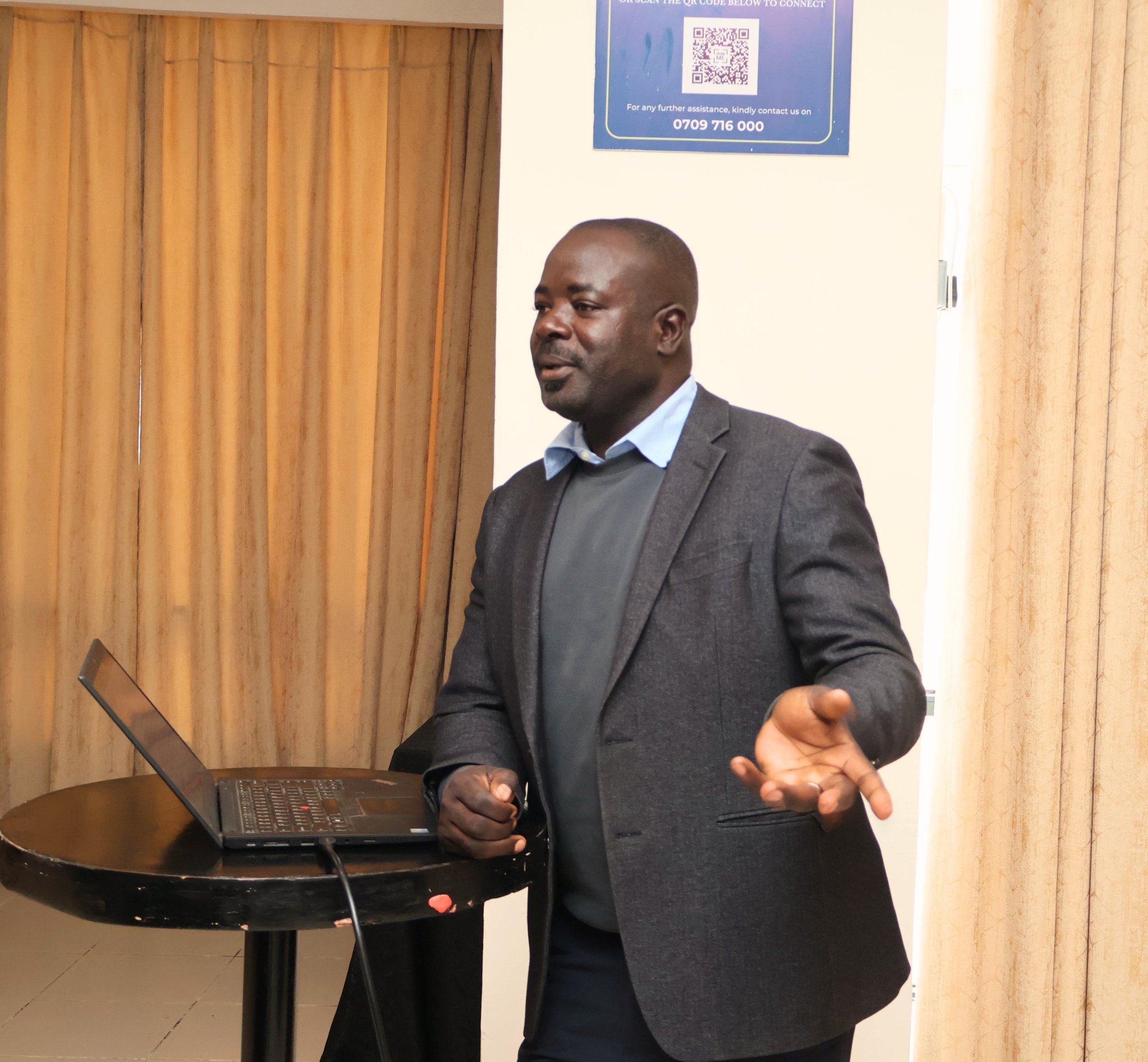
According to Johnstone Shisanya, Program Manager at EachRights, the guidelines are intended to provide clear standards for schools and partners implementing environmental and sustainability projects. They cover initiatives such as kitchen gardens, water harvesting, recycling programmes, tree planting, fruit orchards, and school greening activities designed to improve environmental conservation while supporting learning outcomes.
“Many organizations are investing resources in schools, but there have been no clear standards to guide these interventions. The EcoSmart Guidelines seek to provide a framework that schools and partners can use to implement projects effectively and sustainably,” said Shisanya.
He noted that climate-related interventions in schools are often fragmented, with different organizations implementing similar projects independently. The guidelines aim to improve coordination, reduce duplication, and maximize impact by encouraging partners to work within a common framework.
The initiative also aligns with Kenya’s broader climate commitments, including the National Climate Change Action Plan 2021–2030 and the Ministry of Education’s Climate Change Strategy. It further supports the Competency-Based Curriculum (CBC), which emphasizes practical learning, environmental stewardship, agriculture, and nutrition.
For stakeholders, climate-smart schools are not only about environmental conservation but also about improving resilience and learning outcomes. Schools that implement kitchen gardens, water harvesting systems, and tree-growing initiatives can strengthen food security, create healthier learning environments, and provide practical opportunities for learners to apply classroom knowledge. Such interventions also help schools better withstand the effects of droughts, floods, and other climate-related shocks.
“We want learners to practice what they learn in class and transfer those skills to their homes and communities. Ultimately, the goal is to contribute to climate change adaptation, mitigation, and resilience while improving learning outcomes,” Shisanya said.
The discussions underscored the need for a holistic approach to education—one that addresses barriers facing refugee learners while also preparing schools and communities to respond to climate challenges.
Stakeholders noted that the refugee education dialogue and the validation of the EcoSmart Guidelines reflect a shared commitment to building education systems that are inclusive, resilient, and responsive to emerging challenges. As funding pressures continue and climate risks intensify, they called for stronger partnerships, coordinated action, and sustained investment to ensure every child has access to quality education and a supportive learning environment.