
|
Getting your Trinity Audio player ready...
|
By Omboki Monayo
Nairobi, Kenya: For those who live through this loss, the medical failure is only the beginning.
Melita Matenchi, a mother from South Africa, has endured two stillbirths. She remembers the devastating moment she left the hospital.
“Returning home without a baby was devastating,” she recalls. “I was supported by family, friends, and community. Rather than withdrawing, I chose connection and allowed my grief to be witnessed and shared instead of carrying it alone.”
But the second loss reopened wounds in ways she did not expect. “Cultural blame and narratives questioned my choices and future,” she says.
Across Africa, stillbirth remains shrouded in stigma, often linked to witchcraft, gendered blame, and secrecy. Studies from Uganda, Kenya, and South Africa reveal how cultural beliefs shape responses to loss, pushing grieving families into isolation.
For 21 years, Hanane Azouggagh has walked into delivery rooms across Morocco. She has witnessed the joy of new life countless times. But there is a memory that never fades.
“Stillbirth is the loss that never becomes routine,” says the veteran midwife and hypnotherapist.
Her words echo the findings of a landmark new report, The State of Africa’s Stillbirths, which lays bare a crisis the continent can no longer afford to ignore. The report delivers a sobering reality: every 30 seconds, a baby is stillborn somewhere in Africa. Behind each loss is a mother, a family, and a community whose grief is too often unseen, and whose tragedy is, in most cases, preventable.
In 2023 alone, nearly 1 million stillbirths occurred on the continent accounting for 52% of the global total. To put that in perspective, Africa experiences roughly the same number of stillbirths today as it did in the year 2000.
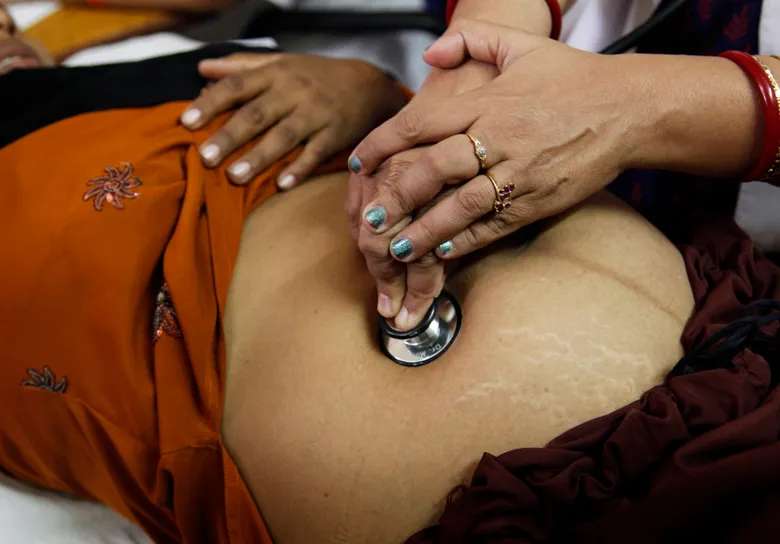
Progress has stalled. While the stillbirth rate stands at 21 per 1,000 total births, the modest reductions of the past two decades have been overtaken by population growth. To meet global targets, Africa must accelerate its efforts **eight times faster. The heaviest burdens fall on Central, Eastern, and Western Africa, where rates soar as high as 34.9 per 1,000 births, which is more than four times the rate in Northern Africa.
As Dr. Lucy Mazaba Mazyanga, Regional Director at Africa CDC, reminds us: “It is not only a maternal and newborn health issue, but a signal of system performance. It is a health security issue. It is a development issue. It is one of the clearest signals indicating whether our health systems are delivering quality, timely care where it matters most, at the moment of birth.”
A Failure in the Delivery Room
Perhaps the most damning statistic in The State of Africa’s Stillbirths lies in when these deaths occur. Nearly half (48%) of Africa’s stillbirths happen during labour.
These are intrapartum stillbirths. They are not mysteries of nature. They are preventable. They signal a health system failing at the critical moment of birth, and unable to manage prolonged labour, malpresentation, or fetal distress in time.
The medical causes are well understood: hypertensive disorders, infections like syphilis and HIV, anaemia, and complications of the placenta. Yet, across much of the continent, inconsistent data collection means we are flying blind.
Adeniyi Aderoba, Regional Advisor for Maternal and Perinatal Health at WHO Africa and Co-Chair of The Lancet Stillbirth Advisory Committee, puts it bluntly.
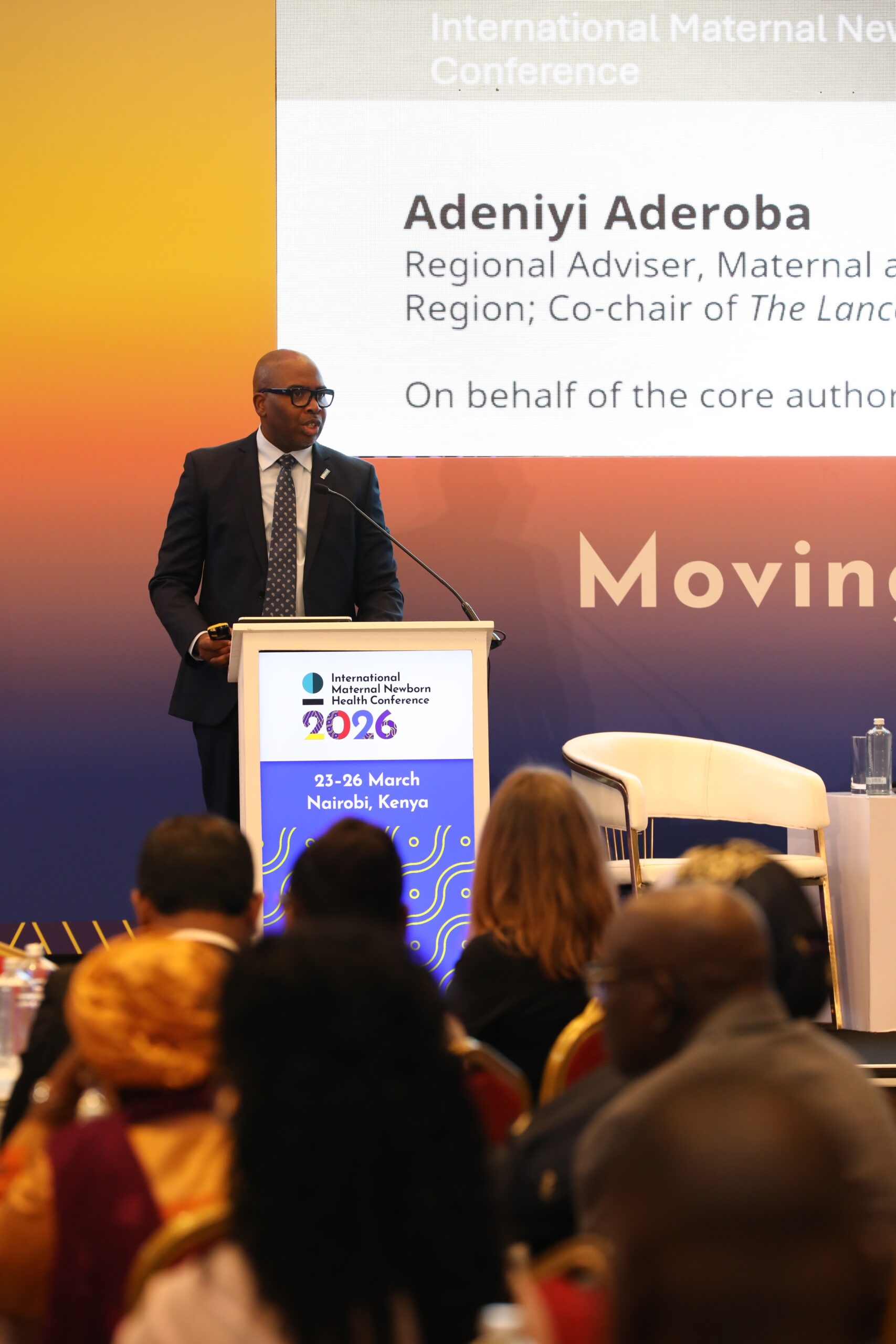
“Countries are counting stillbirths, but not consistently or in ways that fully support accountability or improvement. We have data, but it remains weak, and gaps in policy and accountability continue to hinder progress. Many countries do not even have a national stillbirth rate target. If it is not in policy and not counted, we cannot drive change” said Adenyi
A Shared Responsibility
The Stillbirth Advocacy Working Group (SAWG) Africa representatives, Vivian Gaiko, Grace Mwashigadi, Nonkululeko Shibula, Vanotoo, and Linda emphasize that the burden cannot rest on health workers alone. “Stillbirth prevention is a shared responsibility,” they state. “Parents have an essential role in seeking antenatal care early, attending regular visits, promptly reporting any concerning changes to their provider, and planning for delivery with skilled birth attendants.”
They wrote their foreword to The State of Africa’s Stillbirths with a solemn purpose: “Every stillbirth represents a baby who was expected, and a family forever changed. We write this foreword in honour of those babies, parents, and health workers who shared their experiences, and in commitment to those yet to be born whose lives can be saved. We call on policymakers, health leaders, and partners to use this report in decision-making to take actions to reduce preventable stillbirths while better supporting families when loss occurs. The time to act, at scale and with urgency, is now.”
Grace Mwashigadi, Co-Chair of The Lancet Stillbirth Advisory Committee, speaks from a place of profound personal experience. “The longest walk I’ve ever done was walking out of a hospital three times without a baby,” she shares.
Adding “I know first-hand what it means to be more than a statistic, because behind every stillbirth is a family, a mother, and a set of expectations, hopes and dreams that are suddenly interrupted.”
She describes the isolation that follows. “Too often, these experiences are met with silence and with systems that are not fully prepared to support families through loss. Many times, people did not know how to respond to my grief or how to support me, and I distinctly remember how isolating that silence felt.”
A New Path: Kenya’s Advocacy Revolution
Across Kenya, a quiet revolution is taking root. The country is proving that bereavement care is not a luxury but a necessity. Health facilities are designating “bereavement champions”, who are midwives trained to lead with compassion.
Civil society organizations like the TEARS Foundation Kenya are expanding peer-support networks, creating spaces where parents no longer have to suffer in silence.
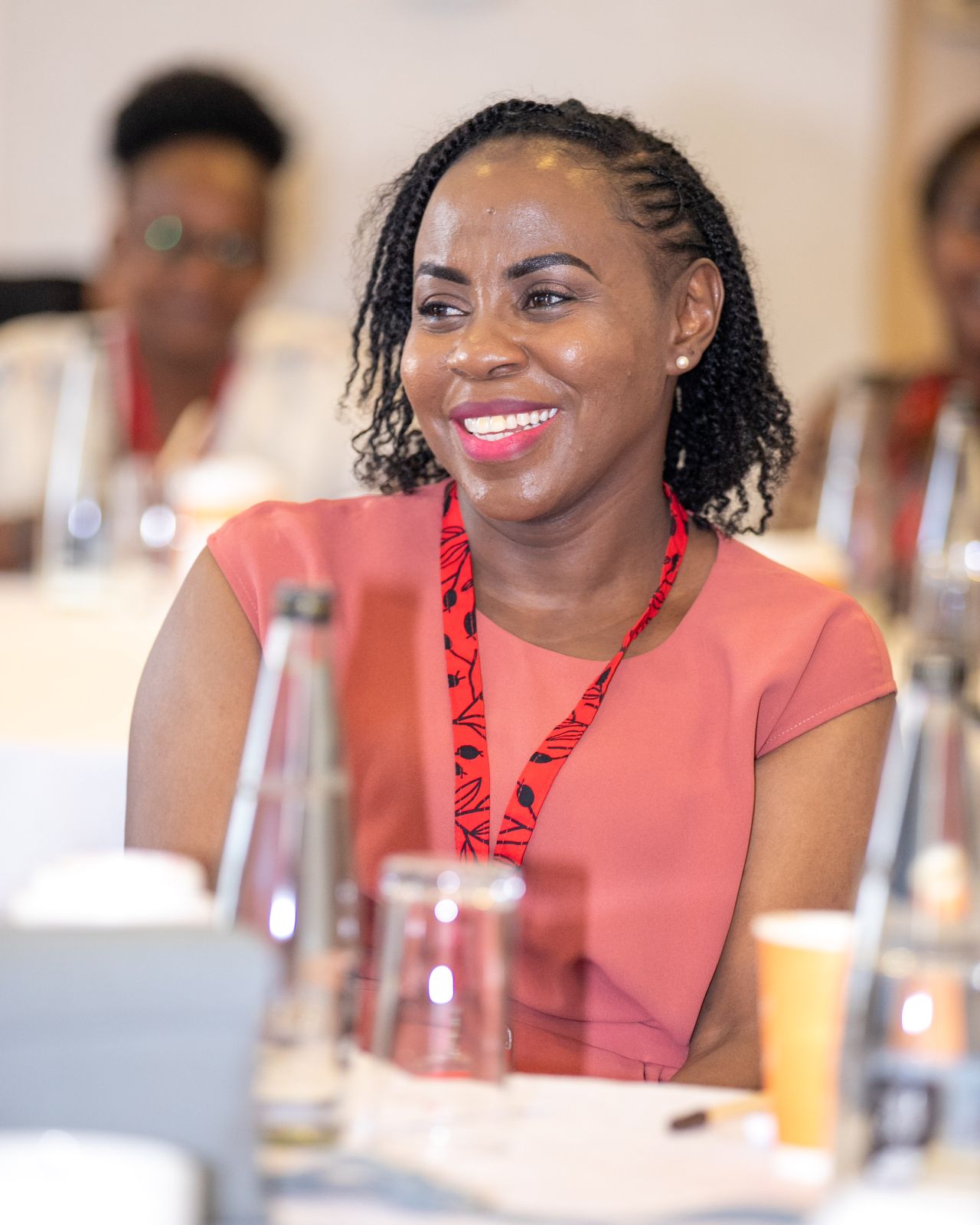
At the heart of this movement is the Parent Voices Initiative, which empowers bereaved parents to advocate for themselves and their communities.
The Advocacy Toolkit Project, piloted in Kenya and India, gives parents the language and tools to demand better care, providing information on their rights, strategies for self-advocacy, and real-life “Parents’ Perspectives” to show that they are not alone.
Melita Matenchi’s journey reflects the power of this approach. Despite the cultural blame she faced, she chose a different path. “Loss changes you forever,” she reflects, “but it can also teach you how strong you are and how deeply connection and compassion matter when everything else falls away”
Helga Fogstad, Director of Health at UNICEF’s Global Programme Division, underscores why such initiatives matter. “Through the Every Woman, Every Child, Everywhere (EWENE) initiative, countries and partners have committed to improving coverage, quality and equity of care across the continuum.
Stillbirth is one of the clearest indicators of whether our health systems are delivering quality care at the moment of birth, especially for the most vulnerable. If we are serious about EWENE and about improving outcomes, stillbirth must be part of how we measure success and accountability.”
A Call to Action
Stillbirths are not inevitable. They persist because women and families face avoidable medical complications compounded by cultural, financial, and structural barriers.
UNICEF and WHO regional directors Etleva Kadilli and Gilles Fagninou, alongside WHO Africa Regional Director Professor Mohamed Yakub Janabi and WHO Eastern Mediterranean Regional Director Dr. Hanan H. Balkhy, have also made their position clear.
In a joint statement, they affirmed: “Counting stillbirths, learning systematically from every loss, and providing compassionate bereavement care are essential elements of accountable health systems. This report calls for renewed commitment to tailored, evidence-informed action, so that every pregnancy is valued and every loss is recognised.”
Dr. Mazyanga offers a final, compelling reason to act. “Preventing stillbirths is not an additional priority. It is a strategic imperative. The same investments that prevent stillbirth, including strong primary healthcare, skilled workers, reliable supply chains and emergency readiness, will also reduce maternal deaths, save newborns and strengthen resilience for future crises. In other words, when we prevent stillbirth, we strengthen the entire system.”
As midwife Hanane Azouggagh knows too well, the silence after a stillbirth is not routine. It is a wound. But with compassion, with data, and with the voices of parents like Melita Matenchi and Grace Mwashigadi leading the way, it is a wound we can begin to heal.
This article draws on The State of Africa’s Stillbirths report, a landmark publication by the Stillbirth Advocacy Working Group, UNICEF, WHO, and Africa CDC, which provides the most comprehensive assessment to date of stillbirth trends, causes, and solutions across the continent.