|
Getting your Trinity Audio player ready...
|
By Mary Mwendwa
Nairobi, Kenya: The world’s fight against malaria is stalling, and a “perfect storm” of threats is poised to push it backward. The 2025 World Malaria Report unveils a fragile battlefield where hard-won gains are under siege. Despite billions in investment, global cases are rising, with an estimated 282 million people infected in 2024. The report delivers a stark warning that resonates as a pulling statement for our times: “Only $3.9 billion was invested, less than half of what was needed. The situation is worse in 2025.”
This funding crisis collides with a surge of biological and environmental threats, from drug-resistant parasites to climate-driven outbreaks. To unpack whether progress can be salvaged,Talkafrica’s Mary Mwendwa spoke with Professor William Moss of the Johns Hopkins Malaria Research Institute, who guides us through a landscape of sobering setbacks and fragile hope.
“Malaria is one of the most complex and interesting diseases,” Professor Moss begins, setting the stage. “It’s not a single disease, but a combination of multiple parasite species and many types of mosquitoes that drive a very local epidemiology.”
The report details a sobering reality: global cases rose to an estimated 282 million in 2024, with over 600,000 deaths. While some regions, like Southeast Asia, march steadily towards elimination, others face alarming resurgences.

Professor Moss highlights the “perfect storm” of factors driving this shift. “There are biological factors, specifically drug and insecticide resistance, which the report dedicates a whole chapter to,” he notes, referring to the growing threat of partial artemisinin resistance now confirmed in multiple African countries.
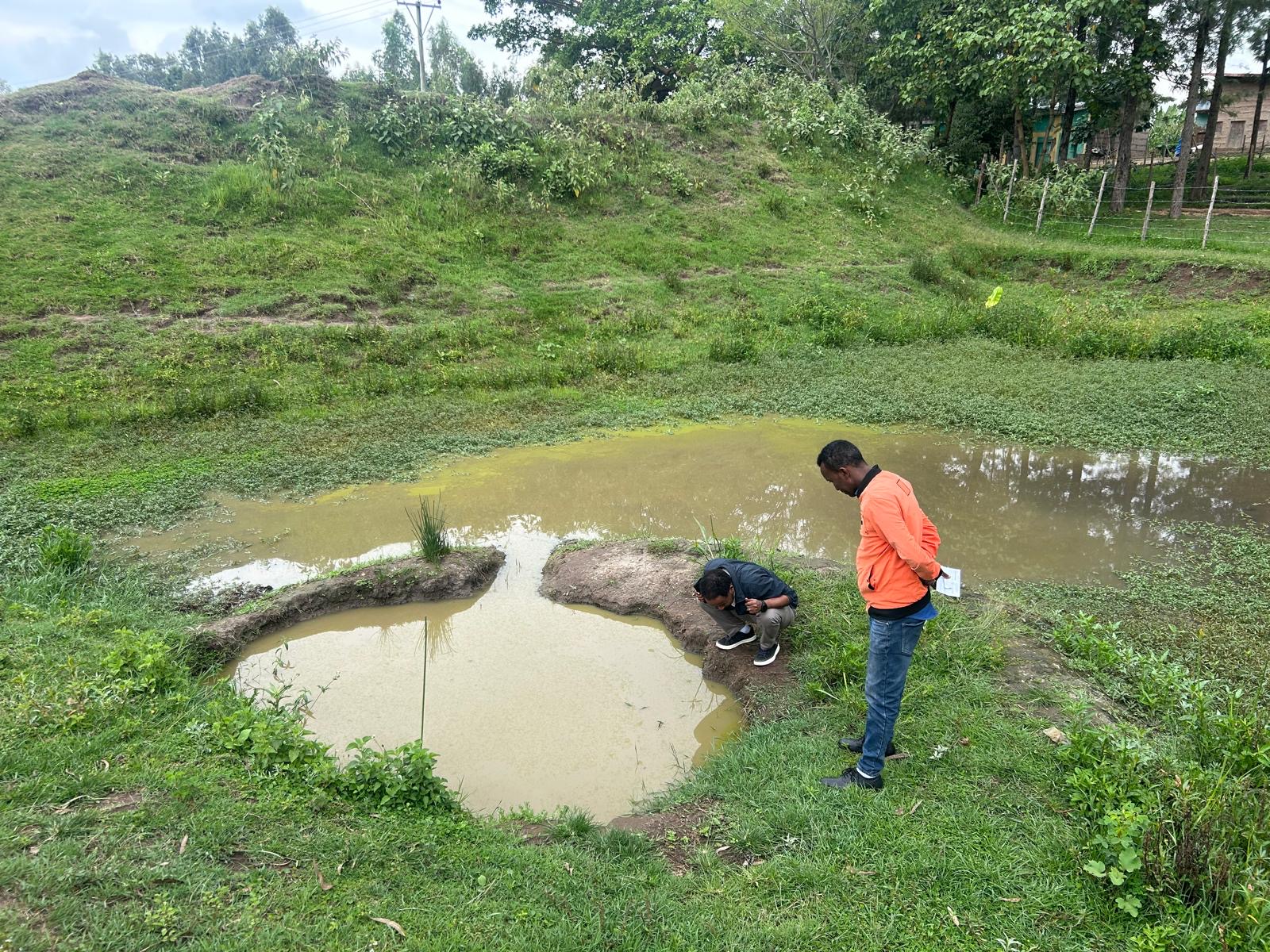
Beyond biology, broader contextual forces are at play. “Changes in climate can impact transmission in both directions,” he explains. “Flooding and warmer temperatures can facilitate mosquito abundance, but intense rains can also wash out breeding sites. It’s complex.” This climatic volatility is cited in the report for fueling spikes in countries like Rwanda, Ethiopia, and Madagascar.
Then come the human factors. “Areas of conflict or instability impact the health system’s ability to provide diagnosis and treatment,” Moss states, pointing to regions like Sudan and Yemen. Above all looms a critical funding crisis. “The report calls out that in 2024, only $3.9 billion was invested, less than half of what was needed. The situation is worse in 2025.”
The Insecticide Resistance Challenge and a New Tool
A core pillar of prevention—insecticide-treated nets (ITNs)—is under direct threat from widespread pyrethroid resistance. “This isn’t new, but it’s a big concern,” says Moss. The report confirms most sub-Saharan African countries report such resistance.
The response, however, offers a glimmer of progress. “We have a new tool: next-generation nets,” Moss explains. These “dual-ingredient” nets combine a pyrethroid with another compound, like chlorfenapyr, to overcome resistance. “There is substantial evidence now that these next-generation nets remain effective in areas of pyrethroid resistance,” he says, though he acknowledges the main barrier is cost.
In Southeast Asia, a different challenge complicates the elimination narrative: Plasmodium knowlesi, a malaria parasite that circulates in monkeys. “When most people talk about malaria elimination, they’re specifically referring to P. falciparum,” Moss clarifies. “Eliminating a zoonotic species like P. knowlesi is near impossible. We don’t have strategies to eliminate the parasite in that reservoir host.”
The priority, therefore, shifts to vigilant surveillance and treatment of human cases. Interestingly, the report notes a 34% decline in P. knowlesi cases in 2024, but its detection in malaria-free Brunei Darussalam underscores the need for sustained alertness.
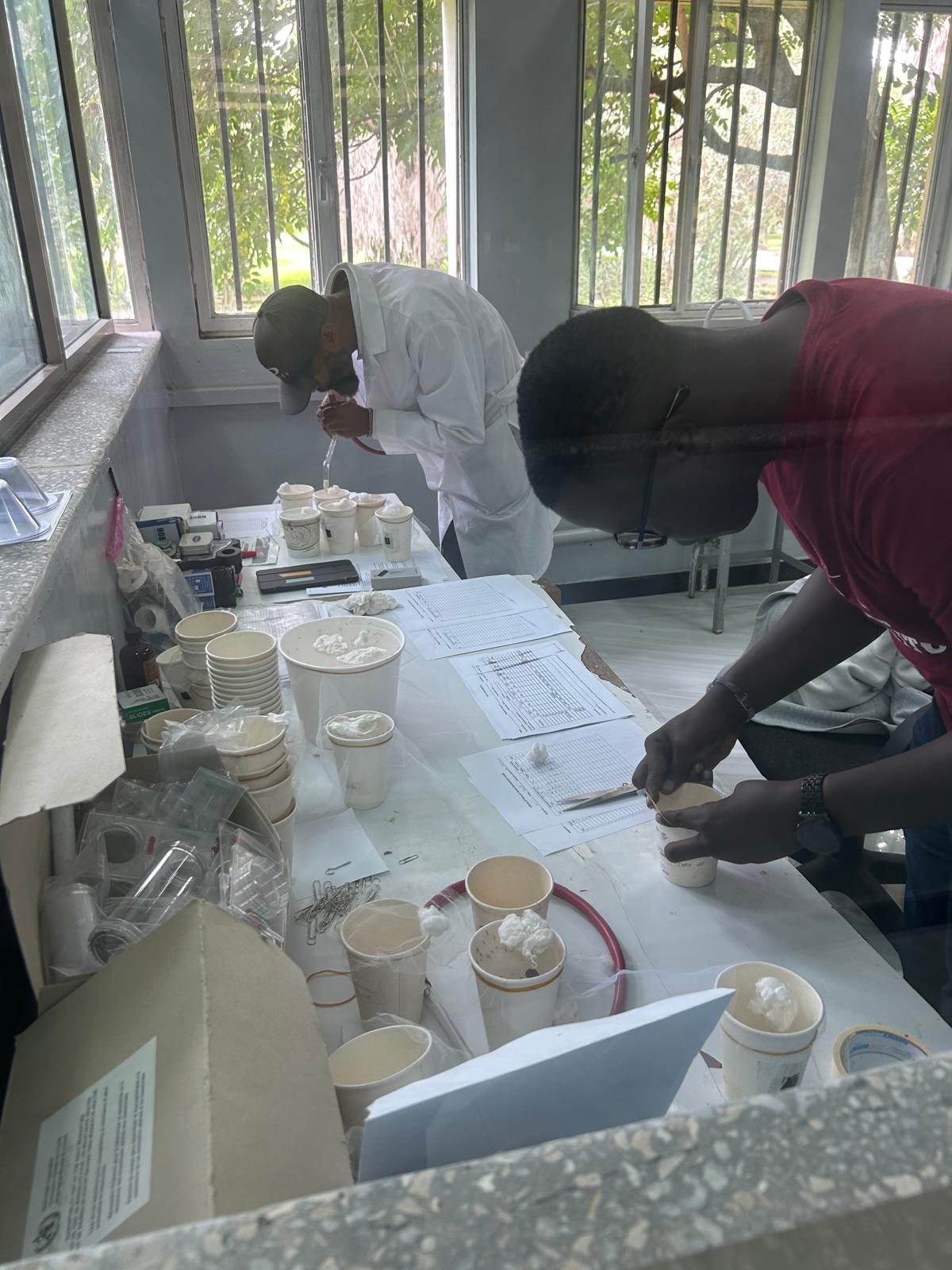
For the first time, the 2025 report presents country-level malaria data disaggregated by sex, revealing notable differences. “There certainly are gender differences,” says Moss. The most well-known is the heightened risk for pregnant women, addressed by targeted interventions like intermittent preventive treatment.
The new data, however, hints at other patterns. “The other big area is exposure,” Moss suggests. “In some areas, it’s the men who are going out into the forest or working night shifts who are at higher risk.” These early findings, though hampered by inconsistent reporting across countries, begin to paint a more nuanced picture of vulnerability, crucial for tailoring interventions.
On the topic of new tools, malaria vaccines represent a historic breakthrough. “There are two approved vaccines, RTS,S and R21,” Moss confirms. Kenya was a pioneer in the pilot implementation program. The report states 24 countries have now introduced the vaccine into routine immunization.
“They are particularly effective against severe disease and death,” Moss notes, “but they require four doses to be most effective.” This has proven a logistical hurdle. “Even in Ghana, Kenya, and Malawi, they only got the crucial fourth dose into about a third to half of children.” Recent developments, like an equity pricing deal by Gavi, may help improve access.
A Researcher’s Concern and Hope
As our conversation closes, Professor Moss shares his key takeaway from the report. “There’s a figure on malaria incidence. In 2024, it ticked up a little bit. It’s been kind of flat. And this is despite $4 billion of investments.” His tone turns somber. “I worry that in 2025 and 2026, with the funding cuts, we may see an increase in malaria incidence. It’s very unfortunate, tragic timing.”
Yet, he chooses to end on a note of cautious hope, rooted in the tools and knowledge at hand. The fight against malaria is navigating a new era defined by biological threats, climatic uncertainty, and financial instability.
The 2025 report, and experts like Professor Moss, make it clear that the path forward requires not just sustaining the proven arsenal of bed nets, drugs, and sprays, but also adapting with smarter surveillance, targeted interventions, and resilient health systems, all underpinned by the political will and funding to see the battle through.